 EN
EN


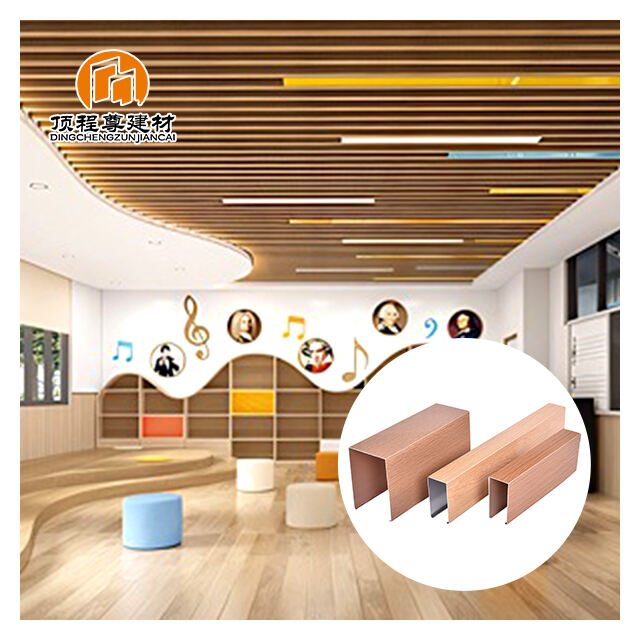
False ceiling systems have become an integral component of modern architectural design, offering both aesthetic enhancement and functional benefits across residential, commercial, and industrial spaces. These suspended ceiling structures provide excellent solutions for concealing mechanical systems, improving acoustics, and creating visually appealing interiors. However, like any building component, false ceiling installations require proper maintenance protocols to ensure optimal performance, longevity, and safety throughout their operational lifespan.
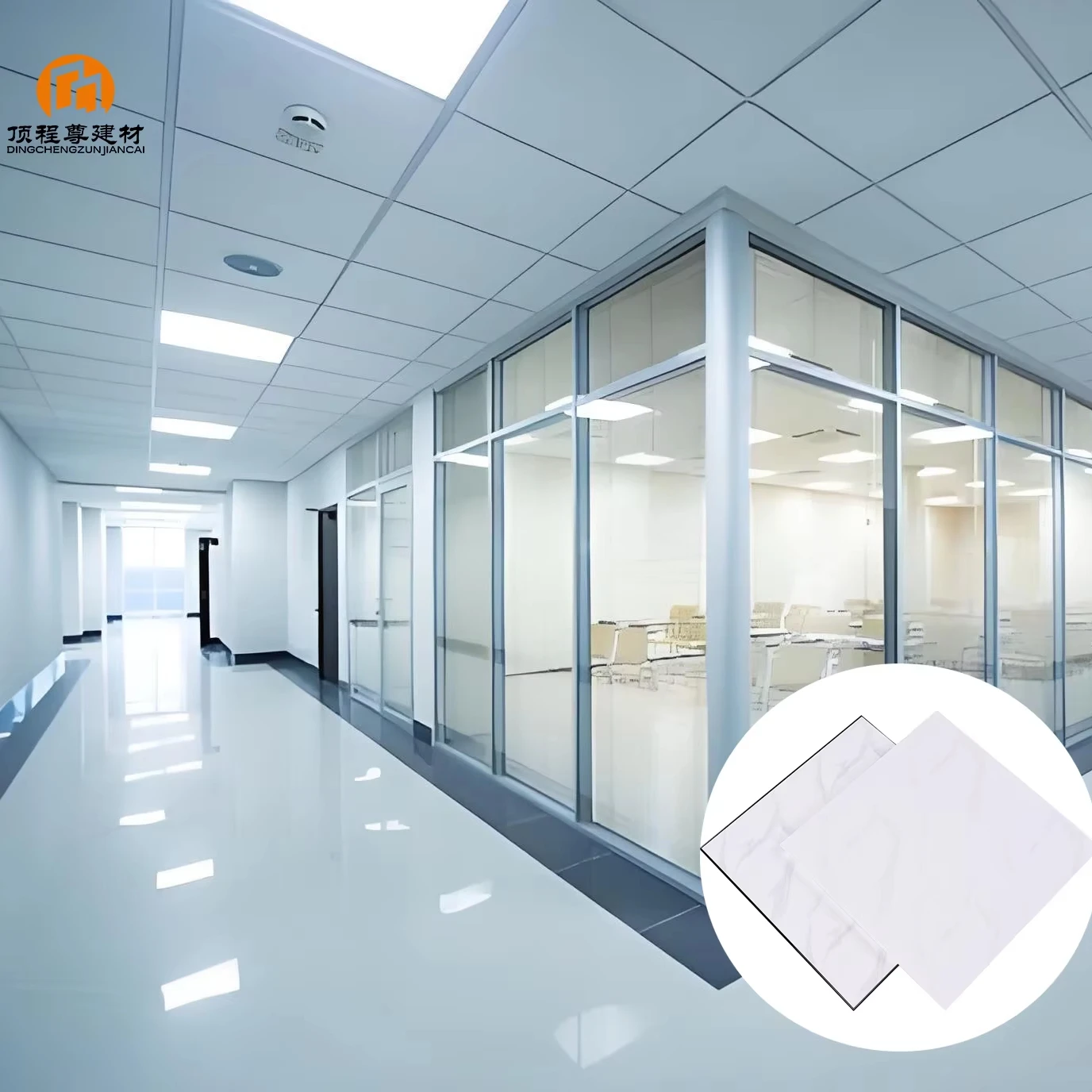
Understanding the maintenance requirements of suspended ceiling systems is crucial for facility managers, property owners, and maintenance professionals. Proper care not only preserves the structural integrity and visual appeal of these installations but also prevents costly repairs and potential safety hazards. Regular maintenance practices help identify minor issues before they escalate into major problems, ensuring that your ceiling systems continue to perform their intended functions effectively.
The complexity of modern ceiling systems, which often incorporate various materials such as aluminum panels, mineral fiber tiles, and acoustic materials, requires specialized knowledge and systematic approaches to maintenance. Different ceiling types present unique challenges and maintenance needs, making it essential to develop comprehensive care strategies tailored to specific installation characteristics and environmental conditions.
Essential Components of False Ceiling Maintenance
Structural Framework Assessment
The structural framework forms the backbone of any suspended ceiling system, requiring regular inspection and maintenance to ensure continued stability and safety. This framework typically consists of main runners, cross tees, and suspension wires that must be evaluated for signs of wear, corrosion, or structural compromise. Professional maintenance personnel should conduct thorough examinations of all connection points, checking for loose fasteners, bent components, or areas where the framework may have shifted due to building movement or thermal expansion.
During framework assessments, particular attention should be paid to the condition of suspension points and their attachment to the structural deck above. Any signs of stress concentration, unusual deflection, or damage to suspension components must be addressed immediately to prevent potential failure. The framework's ability to support the designed loads, including the weight of ceiling panels, light fixtures, and any additional equipment, should be verified through systematic inspection protocols.
Regular cleaning of the framework components helps prevent the accumulation of dust, debris, and moisture that can lead to corrosion or other deterioration issues. This maintenance activity also provides opportunities to identify potential problems early, allowing for proactive intervention before significant damage occurs.
Panel and Tile Inspection Procedures
Individual ceiling panels and tiles represent the visible face of the false ceiling system and require careful attention to maintain both functionality and appearance. Different panel materials, including aluminum, mineral fiber, and acoustic materials, present specific maintenance challenges that must be addressed through appropriate techniques and cleaning methods. Regular inspection should focus on identifying damaged, stained, or warped panels that may compromise the system's overall performance or aesthetic value.
The inspection process should include checking for proper panel alignment, secure placement within the grid system, and any signs of moisture infiltration or contamination. Panels that show evidence of water damage, mold growth, or significant staining should be replaced promptly to prevent further deterioration and maintain healthy indoor air quality. Additionally, the condition of panel edges and corners should be evaluated, as these areas are particularly susceptible to damage during routine maintenance activities or accidental contact.
Documentation of panel conditions through systematic recording helps establish maintenance patterns and identify areas that may require more frequent attention or different maintenance approaches. This information proves valuable for planning replacement schedules and budgeting for future maintenance activities.
Cleaning and Maintenance Protocols
Regular Cleaning Techniques
Effective cleaning protocols form the foundation of successful false ceiling maintenance programs, helping preserve both the appearance and functional performance of suspended systems. The cleaning approach must be tailored to the specific materials and finishes present in the installation, as different ceiling types require different techniques and cleaning agents to avoid damage while achieving optimal results. Establishing regular cleaning schedules helps prevent the accumulation of contaminants that can cause permanent staining or deterioration.
For most ceiling installations, gentle cleaning methods using appropriate tools and mild cleaning solutions provide the best results while minimizing the risk of damage. Vacuum cleaning with soft brush attachments effectively removes loose dust and debris from textured surfaces, while damp cleaning with microfiber cloths can address more stubborn soiling on smooth panel surfaces. The selection of cleaning agents must consider the compatibility with ceiling materials to prevent discoloration, surface damage, or degradation of protective coatings.
Professional cleaning services may be required for installations in challenging environments or for specialized ceiling materials that require specific expertise and equipment. These services often employ advanced cleaning techniques and have access to specialized tools that can achieve superior results while ensuring proper safety protocols are followed during maintenance activities.
Moisture Control and Prevention
Moisture management represents a critical aspect of false ceiling maintenance, as excessive humidity or water infiltration can cause significant damage to ceiling materials and create conditions conducive to mold growth and structural deterioration. Effective moisture control requires a comprehensive approach that addresses both the sources of moisture and the ceiling system's ability to handle normal humidity levels without degradation.
Regular monitoring of humidity levels in spaces with suspended ceilings helps identify potential problems before they manifest as visible damage or performance issues. Areas with high humidity, such as kitchens, bathrooms, or industrial environments, may require enhanced ventilation systems or specialized ceiling materials designed to withstand moisture exposure. The integration of proper ventilation strategies with ceiling design ensures that moisture levels remain within acceptable ranges for all system components.
Prompt response to water leaks or moisture intrusion events is essential to prevent extensive damage to ceiling systems. Emergency procedures should be established to address water damage quickly, including protocols for removing affected panels, drying the area, and assessing the extent of damage to determine appropriate remediation measures. Quick action can often prevent minor moisture incidents from becoming major restoration projects.
Professional Maintenance Strategies
Scheduled Inspection Programs
Implementing systematic inspection programs provides the foundation for effective long-term maintenance of false ceiling installations. These programs should establish regular inspection intervals based on the specific characteristics of the installation, environmental conditions, and usage patterns. Professional inspection services can identify potential issues that may not be apparent during routine visual assessments, providing valuable insights into the overall condition and performance of ceiling systems.
Comprehensive inspection programs typically include detailed documentation of findings, photographic records of conditions, and recommendations for corrective actions or preventive measures. This documentation creates a valuable historical record that helps track the performance of ceiling systems over time and supports informed decision-making regarding maintenance priorities and resource allocation.
The frequency of professional inspections should be adjusted based on factors such as building age, environmental conditions, and the criticality of the space served by the ceiling system. High-traffic areas or installations in challenging environments may require more frequent professional assessment to ensure continued safe and effective operation.
Replacement and Upgrade Considerations
Strategic planning for component replacement and system upgrades helps maintain optimal performance while managing maintenance costs effectively. Understanding the expected lifespan of different ceiling components allows for proactive replacement scheduling that minimizes disruption and ensures continued system reliability. This approach also provides opportunities to incorporate improved materials or technologies that may offer enhanced performance or reduced maintenance requirements.
Replacement planning should consider not only the immediate needs of damaged or worn components but also the long-term benefits of upgrading to newer materials or systems that may offer improved durability, easier maintenance, or enhanced functionality. Economic analysis of replacement versus repair decisions helps optimize resource allocation and supports informed decision-making regarding maintenance investments.
Integration of replacement activities with other building maintenance or renovation projects can provide cost efficiencies and minimize disruption to building operations. Coordination with other trades and careful scheduling helps ensure that ceiling maintenance activities are completed efficiently and effectively while maintaining the highest standards of quality and safety.
Common Issues and Solutions
Sagging and Deflection Problems
Sagging represents one of the most common issues affecting false ceiling systems, often resulting from improper installation, overloading, or deterioration of support components over time. This problem not only affects the visual appearance of the ceiling but can also indicate potential structural issues that may compromise safety and performance. Identifying the root causes of sagging requires systematic evaluation of the entire support system, including suspension points, framework components, and load distribution.
Corrective measures for sagging issues depend on the underlying cause and may range from simple adjustments to suspension wires to complete replacement of damaged framework components. In some cases, additional support points may be required to address inadequate load distribution or to accommodate changes in loading conditions since the original installation. Professional assessment is often necessary to determine the most appropriate corrective approach and ensure that solutions address both immediate concerns and long-term stability.
Prevention of sagging problems through proper initial design and installation practices represents the most cost-effective approach to managing this issue. Regular inspection and maintenance of support systems help identify potential problems before they manifest as visible sagging, allowing for proactive intervention that prevents more extensive repairs.
Discoloration and Staining
Discoloration and staining of ceiling panels can significantly impact the aesthetic value of interior spaces while potentially indicating underlying issues such as moisture infiltration, air quality problems, or inadequate ventilation. Different types of staining require specific treatment approaches, and understanding the source of discoloration is essential for selecting appropriate remediation methods and preventing recurrence.
Water staining often appears as brown or yellow discoloration and typically indicates leaks or excessive humidity conditions that must be addressed to prevent ongoing damage. Smoke and air pollution can cause gradual darkening of ceiling surfaces, particularly in areas near ventilation systems or in buildings with indoor air quality issues. Proper identification of staining sources enables targeted interventions that address both the visible symptoms and underlying causes.
Treatment options for stained panels range from professional cleaning and restoration techniques to complete panel replacement, depending on the severity and type of staining. In many cases, prompt attention to staining issues can prevent the need for costly replacement while maintaining the visual quality of ceiling installations. Prevention strategies focusing on moisture control, air filtration, and proper ventilation provide the most effective long-term solutions for minimizing staining problems.
Cost-Effective Maintenance Planning
Budget Allocation Strategies
Effective budget planning for false ceiling maintenance requires a comprehensive understanding of both routine maintenance costs and potential major repair or replacement expenses. Developing accurate cost projections helps facility managers allocate resources appropriately while ensuring that adequate funding is available for both planned and emergency maintenance activities. This planning process should consider the age and condition of existing systems, environmental factors that may accelerate deterioration, and the potential benefits of proactive maintenance versus reactive repairs.
Historical maintenance data provides valuable insights into cost patterns and helps establish realistic budget expectations for future maintenance activities. Tracking costs associated with different types of maintenance tasks, material expenses, and labor requirements creates a foundation for accurate budget forecasting and resource planning. This information also supports decision-making regarding the cost-effectiveness of different maintenance approaches or the timing of major replacement projects.
Integration of ceiling maintenance budgets with overall facility maintenance planning helps optimize resource allocation and identify opportunities for cost savings through coordinated activities. Strategic timing of maintenance tasks can reduce labor costs and minimize disruption to building operations while ensuring that all maintenance objectives are achieved effectively.
Lifecycle Management Approaches
Implementing comprehensive lifecycle management strategies for false ceiling systems helps optimize performance while minimizing total ownership costs over the life of the installation. This approach requires careful consideration of initial design and material selection decisions, ongoing maintenance requirements, and long-term replacement planning. Understanding the relationships between these factors enables informed decision-making that balances initial costs with long-term performance and maintenance requirements.
Lifecycle cost analysis provides valuable insights into the economic implications of different ceiling system options, maintenance strategies, and replacement timing decisions. This analysis should consider not only direct costs but also indirect factors such as disruption to building operations, energy efficiency implications, and the impact on indoor environmental quality. Comprehensive evaluation of these factors supports optimal decision-making regarding ceiling system investments and maintenance priorities.
Documentation and tracking of system performance throughout its lifecycle creates valuable data for future planning and decision-making. This information helps refine maintenance strategies, optimize replacement timing, and inform the selection of ceiling systems for future projects based on demonstrated performance and cost-effectiveness.
FAQ
How often should false ceiling systems be professionally inspected?
Professional inspection frequency depends on several factors including the ceiling type, environmental conditions, and building usage. Generally, comprehensive professional inspections should be conducted annually for most commercial installations, while buildings in challenging environments or high-traffic areas may require semi-annual assessments. Residential false ceiling systems typically require professional inspection every two to three years, unless specific issues or unusual conditions warrant more frequent evaluation. Regular visual inspections by facility staff should complement professional assessments to identify immediate concerns between scheduled inspections.
What are the most common signs that indicate false ceiling maintenance is needed?
Key indicators that maintenance is required include visible sagging or deflection of panels, water stains or discoloration, loose or damaged panels, unusual sounds from the ceiling area, and changes in the alignment of ceiling components. Other warning signs include evidence of moisture infiltration, mold growth, damaged or corroded framework components, and panels that have shifted from their proper positions. Any of these conditions should prompt immediate attention to prevent further damage and ensure continued safety and performance of the ceiling system.
Can damaged ceiling panels be repaired, or do they need complete replacement?
The feasibility of repairing damaged ceiling panels depends on the type and extent of damage, as well as the panel material and construction. Minor scratches, small dents, or light staining can often be successfully repaired using appropriate techniques and materials. However, panels with significant water damage, structural compromise, mold contamination, or extensive deterioration typically require complete replacement to ensure proper performance and safety. Professional assessment can determine the most appropriate approach based on the specific conditions and cost considerations involved.
What preventive measures can extend the lifespan of false ceiling installations?
Effective preventive measures include maintaining proper humidity levels and ventilation, conducting regular cleaning to prevent contamination buildup, promptly addressing water leaks or moisture issues, and avoiding overloading the ceiling system with excessive weight from fixtures or equipment. Additionally, protecting ceiling areas during other maintenance activities, using appropriate access methods to prevent damage, and implementing systematic inspection programs help identify and address minor issues before they become major problems. Proper initial installation and material selection also significantly impact long-term performance and maintenance requirements.
Table of Contents
- Essential Components of False Ceiling Maintenance
- Cleaning and Maintenance Protocols
- Professional Maintenance Strategies
- Common Issues and Solutions
- Cost-Effective Maintenance Planning
-
FAQ
- How often should false ceiling systems be professionally inspected?
- What are the most common signs that indicate false ceiling maintenance is needed?
- Can damaged ceiling panels be repaired, or do they need complete replacement?
- What preventive measures can extend the lifespan of false ceiling installations?