 EN
EN


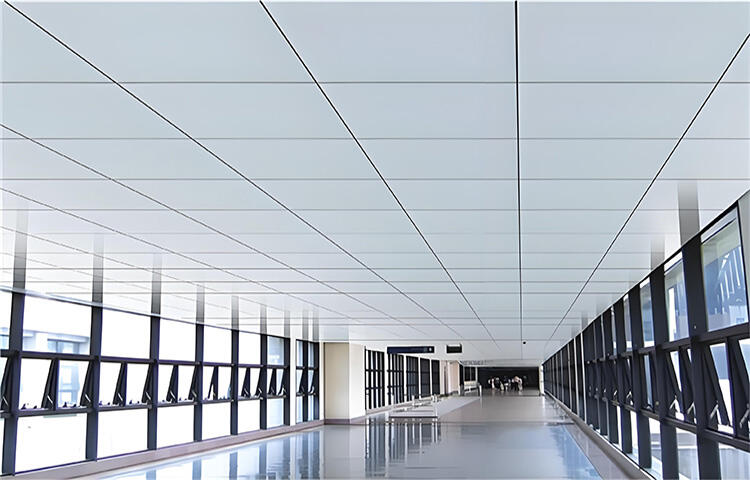
Modern architectural design increasingly demands materials that can withstand the harshest environmental conditions while maintaining aesthetic appeal and structural integrity. Outdoor ceiling panels represent a critical component in this equation, serving as the primary barrier between interior spaces and the relentless forces of nature. These specialized building materials face constant bombardment from ultraviolet radiation, moisture infiltration, temperature fluctuations, and atmospheric pollutants that can compromise their performance over time. Understanding how these panels resist environmental degradation is essential for architects, contractors, and property owners who demand long-lasting solutions for covered outdoor areas, commercial overhangs, and transitional architectural spaces.
Material Science Behind UV Resistance
Advanced Polymer Coatings and Surface Treatments
The foundation of UV resistance in outdoor ceiling panels begins at the molecular level with sophisticated polymer coatings engineered specifically for solar radiation protection. These advanced surface treatments incorporate UV-absorbing compounds, light stabilizers, and antioxidants that work synergistically to prevent photodegradation. Fluoropolymer coatings, such as PVDF and FEVE, create an impermeable barrier that reflects harmful ultraviolet wavelengths while maintaining color stability and surface integrity. The molecular structure of these coatings includes chromophores that absorb UV energy and dissipate it as harmless heat, preventing the radiation from penetrating deeper into the panel substrate.
Manufacturing processes for UV-resistant coatings involve precise application techniques including electrostatic spraying, powder coating, and liquid coating systems that ensure uniform coverage and optimal adhesion. These coatings undergo rigorous accelerated weathering tests that simulate decades of sun exposure in controlled laboratory environments. Quality outdoor ceiling panels feature multiple coating layers, typically including a primer coat for adhesion, a color coat for aesthetics, and a clear protective topcoat that serves as the primary UV barrier. This multi-layer approach provides redundant protection and extends the service life of the panels significantly beyond single-coat alternatives.
Substrate Material Selection for Solar Durability
The choice of substrate material fundamentally determines how outdoor ceiling panels respond to prolonged UV exposure and environmental stress. Aluminum alloys represent the gold standard for outdoor applications due to their inherent resistance to corrosion, dimensional stability under temperature variations, and ability to dissipate heat effectively. The crystalline structure of aluminum naturally reflects a significant portion of solar radiation, reducing the thermal load on protective coatings and extending their lifespan. High-grade aluminum alloys used in premium outdoor ceiling panels undergo specialized heat treatment processes that enhance their mechanical properties and resistance to stress corrosion cracking.
Alternative substrate materials including fiber cement, engineered composites, and treated wood products each offer unique advantages and limitations for UV resistance. Fiber cement panels incorporate UV-stable pigments throughout their matrix, ensuring color retention even if surface wear occurs over time. Engineered composite materials combine multiple components to achieve specific performance characteristics, often including UV-blocking additives, moisture barriers, and thermal expansion control elements. The selection process for substrate materials must consider factors such as thermal expansion coefficients, moisture absorption rates, and compatibility with protective coating systems to ensure long-term performance in outdoor environments.
Moisture Management and Water Resistance Strategies
Integrated Drainage Systems and Water Shedding Design
Effective moisture management in outdoor ceiling panels requires comprehensive design approaches that address water infiltration, condensation control, and drainage efficiency. Modern panel systems incorporate sophisticated water shedding profiles that utilize gravity and surface tension to direct moisture away from vulnerable joints and connections. These profiles feature precisely engineered slopes, channels, and drip edges that prevent water accumulation and eliminate standing moisture conditions that could lead to biological growth or material degradation. The geometric design of these systems considers wind-driven rain patterns, ensuring that water cannot be forced into panel assemblies even during severe weather events.
Concealed fastening systems play a crucial role in moisture exclusion by eliminating penetrations through the primary weather barrier. These systems utilize mechanical interlocking mechanisms, adhesive bonding, or structural glazing techniques that maintain panel integrity while accommodating thermal movement. Gaskets and sealants used in these applications must demonstrate long-term elasticity and adhesion under UV exposure and temperature cycling. Premium outdoor ceiling panels incorporate dual-seal configurations with primary and secondary moisture barriers that provide redundant protection against water infiltration.
Vapor Barrier Technology and Condensation Control
Controlling moisture vapor transmission through outdoor ceiling panels requires sophisticated barrier technologies that prevent condensation while allowing controlled moisture movement. Modern vapor barrier systems utilize microporous membranes that block liquid water penetration while permitting water vapor to escape, preventing the accumulation of moisture within panel assemblies. These breathing barrier systems maintain optimal moisture balance and prevent the formation of condensation that could lead to mold growth, corrosion, or structural damage. The permeability characteristics of these barriers are carefully calibrated to match the specific environmental conditions and performance requirements of each installation.
Thermal bridging control represents another critical aspect of condensation management in outdoor ceiling panels. Cold bridges created by structural connections or fastening systems can create localized temperature variations that promote condensation formation. Advanced panel systems incorporate thermal breaks, insulation layers, and structural isolation techniques that minimize heat transfer and maintain consistent surface temperatures. These design features are particularly important in climate zones with significant temperature variations or high humidity levels where condensation risk is elevated.
Performance Testing and Quality Assurance Standards
Accelerated Weathering Protocols and Durability Assessment
The reliability of outdoor ceiling panels under UV and moisture exposure is validated through rigorous testing protocols that simulate decades of environmental exposure in compressed timeframes. Accelerated weathering chambers subject panels to controlled UV radiation, temperature cycling, humidity variations, and moisture spray conditions that exceed normal environmental stresses. These tests utilize calibrated xenon arc lamps or fluorescent UV sources that replicate the solar spectrum with particular emphasis on the most damaging wavelengths. Testing protocols follow international standards including ASTM G154, ISO 4892, and AAMA specifications that ensure consistent and comparable results across different manufacturers and product types.
Quantitative performance metrics derived from accelerated weathering tests include color retention measurements, gloss retention values, coating adhesion strength, and dimensional stability assessments. These measurements are taken at regular intervals throughout the testing process to establish degradation rates and project long-term performance characteristics. Premium outdoor ceiling panels typically demonstrate minimal color change after exposure equivalent to 10-20 years of natural weathering, with gloss retention exceeding 50% of initial values. Coating adhesion must remain above specified thresholds even after severe exposure conditions, ensuring that protective layers remain bonded to substrate materials throughout their service life.
Real-World Performance Validation and Field Testing
Laboratory testing provides essential baseline data, but real-world performance validation through field exposure programs offers invaluable insights into how outdoor ceiling panels perform under actual environmental conditions. These programs involve installing test panels in various geographic locations representing different climate zones, pollution levels, and solar intensity conditions. Monitoring protocols track panel performance over multiple years, documenting changes in appearance, mechanical properties, and weather resistance characteristics. This field data provides feedback for material improvements and validates accelerated testing protocols.
Quality assurance programs for outdoor ceiling panels extend beyond initial material testing to encompass manufacturing consistency, installation procedures, and maintenance requirements. Statistical process control methods ensure that production batches meet established performance standards, while installation guidelines specify proper handling, storage, and mounting procedures that preserve panel integrity. Maintenance protocols developed from field experience data provide property owners with specific recommendations for cleaning, inspection, and preventive care that maximize service life and maintain warranty coverage.
Installation Considerations for Maximum Weather Protection
Structural Support Systems and Load Distribution
The structural foundation supporting outdoor ceiling panels plays a critical role in their ability to resist environmental forces and maintain protective integrity over time. Proper load distribution prevents localized stress concentrations that could compromise panel performance or create pathways for moisture infiltration. Structural framing systems must account for wind loads, thermal expansion forces, and live loads from maintenance activities while providing adequate support for the weight of the panels themselves. Steel framing systems require protective coatings or galvanization to prevent corrosion that could compromise structural integrity and contaminate adjacent panel surfaces.
Thermal movement accommodation represents a crucial design consideration that affects both structural performance and weather resistance. Outdoor ceiling panels experience significant temperature variations that cause dimensional changes requiring proper expansion joint design and flexible connection details. These movement joints must maintain weather sealing while allowing free thermal movement, typically utilizing elastomeric sealants or mechanical sealing systems designed for dynamic conditions. Improper thermal movement accommodation can lead to panel buckling, joint failure, or stress concentration that compromises long-term performance.
Sealing and Weatherization Best Practices
Comprehensive weatherization of outdoor ceiling panel systems requires attention to every potential moisture entry point, including panel joints, perimeter connections, and penetrations for utilities or structural elements. Primary sealant systems utilize structural glazing compounds or weather sealants specifically formulated for exterior exposure and long-term elasticity. These sealants must maintain adhesion to panel surfaces and compatibility with substrate materials while resisting UV degradation and temperature cycling. Secondary sealing systems provide backup protection through gaskets, tape systems, or mechanical sealing methods that prevent moisture penetration if primary seals fail.
Installation sequencing and environmental conditions during panel installation significantly impact long-term weather resistance performance. Proper surface preparation ensures optimal sealant adhesion, while temperature and humidity control during installation prevents premature curing or inadequate bond formation. Quality control inspections verify proper sealant application, joint alignment, and drainage functionality before system commissioning. These installation practices directly influence the service life and maintenance requirements of outdoor ceiling panel systems.
Maintenance and Longevity Optimization
Preventive Maintenance Strategies
Maximizing the service life and performance of outdoor ceiling panels requires implementation of systematic preventive maintenance programs that address both routine care and periodic comprehensive inspections. Regular cleaning protocols remove accumulated dirt, biological growth, and atmospheric pollutants that can accelerate material degradation and compromise appearance. Cleaning frequency depends on environmental conditions, with higher pollution areas or locations prone to biological growth requiring more frequent attention. Approved cleaning methods utilize mild detergents, soft brushes, and low-pressure water application that effectively remove contaminants without damaging protective coatings or surface finishes.
Inspection protocols focus on early detection of potential issues including sealant degradation, coating wear, mechanical damage, or drainage problems that could compromise system performance. These inspections typically occur annually or semi-annually depending on environmental exposure severity and manufacturer recommendations. Documentation of inspection findings provides valuable data for trending analysis and helps optimize maintenance scheduling. Proactive repair of minor issues prevents more extensive damage and extends overall system life while maintaining warranty coverage.
Long-Term Performance Monitoring
Advanced monitoring systems for outdoor ceiling panels utilize various technologies to track performance parameters and predict maintenance needs. Digital imaging systems document appearance changes over time, providing objective data on color retention and surface condition evolution. Environmental monitoring stations record local weather conditions, UV exposure levels, and pollution concentrations that influence panel degradation rates. This data enables predictive maintenance scheduling based on actual exposure conditions rather than generic time intervals.
Performance trending analysis identifies patterns in panel behavior that inform optimization of maintenance practices and guide material selection for future projects. Systems that demonstrate superior performance under specific environmental conditions provide valuable benchmarks for specification development. Long-term monitoring data also validates manufacturer performance claims and supports warranty decisions, creating a feedback loop that drives continuous improvement in outdoor ceiling panel technology.
FAQ
How long do outdoor ceiling panels typically last when exposed to UV radiation?
High-quality outdoor ceiling panels with proper UV-resistant coatings typically maintain their structural integrity and aesthetic appearance for 15-25 years under normal environmental conditions. Premium aluminum panels with fluoropolymer coatings can exceed 30 years of service life with minimal degradation. The actual lifespan depends on factors including local climate conditions, solar intensity, maintenance practices, and initial material quality. Panels in high-altitude or desert environments may experience accelerated UV exposure requiring more frequent inspection and potential earlier replacement.
What are the most common signs that outdoor ceiling panels are failing due to moisture damage?
Early indicators of moisture-related damage in outdoor ceiling panels include discoloration or staining around joints and edges, visible mold or algae growth, coating blistering or peeling, and corrosion of fasteners or structural elements. More advanced damage may present as panel warping, delamination of coating layers, or water infiltration into interior spaces. Regular inspection allows for early detection and repair before minor issues develop into major system failures requiring extensive replacement.
Can outdoor ceiling panels be repaired if they show UV or moisture damage?
Many forms of UV and moisture damage to outdoor ceiling panels can be successfully repaired through proper restoration techniques. Minor coating degradation may be addressed through cleaning, surface preparation, and recoating with compatible materials. Sealant replacement can resolve moisture infiltration issues, while mechanical damage may require panel patching or selective replacement. However, extensive damage or repeated failure patterns typically indicate the need for complete system replacement to ensure reliable long-term performance.
What maintenance frequency is recommended for outdoor ceiling panels in harsh environments?
Outdoor ceiling panels in harsh environments such as coastal areas, industrial zones, or high-pollution urban locations typically require quarterly visual inspections and semi-annual comprehensive maintenance including cleaning and sealant inspection. Moderate environments may extend these intervals to semi-annual inspections and annual maintenance. The key is establishing a consistent schedule based on local conditions and adjusting frequency based on observed performance trends and manufacturer recommendations.
Table of Contents
- Material Science Behind UV Resistance
- Moisture Management and Water Resistance Strategies
- Performance Testing and Quality Assurance Standards
- Installation Considerations for Maximum Weather Protection
- Maintenance and Longevity Optimization
-
FAQ
- How long do outdoor ceiling panels typically last when exposed to UV radiation?
- What are the most common signs that outdoor ceiling panels are failing due to moisture damage?
- Can outdoor ceiling panels be repaired if they show UV or moisture damage?
- What maintenance frequency is recommended for outdoor ceiling panels in harsh environments?