 EN
EN


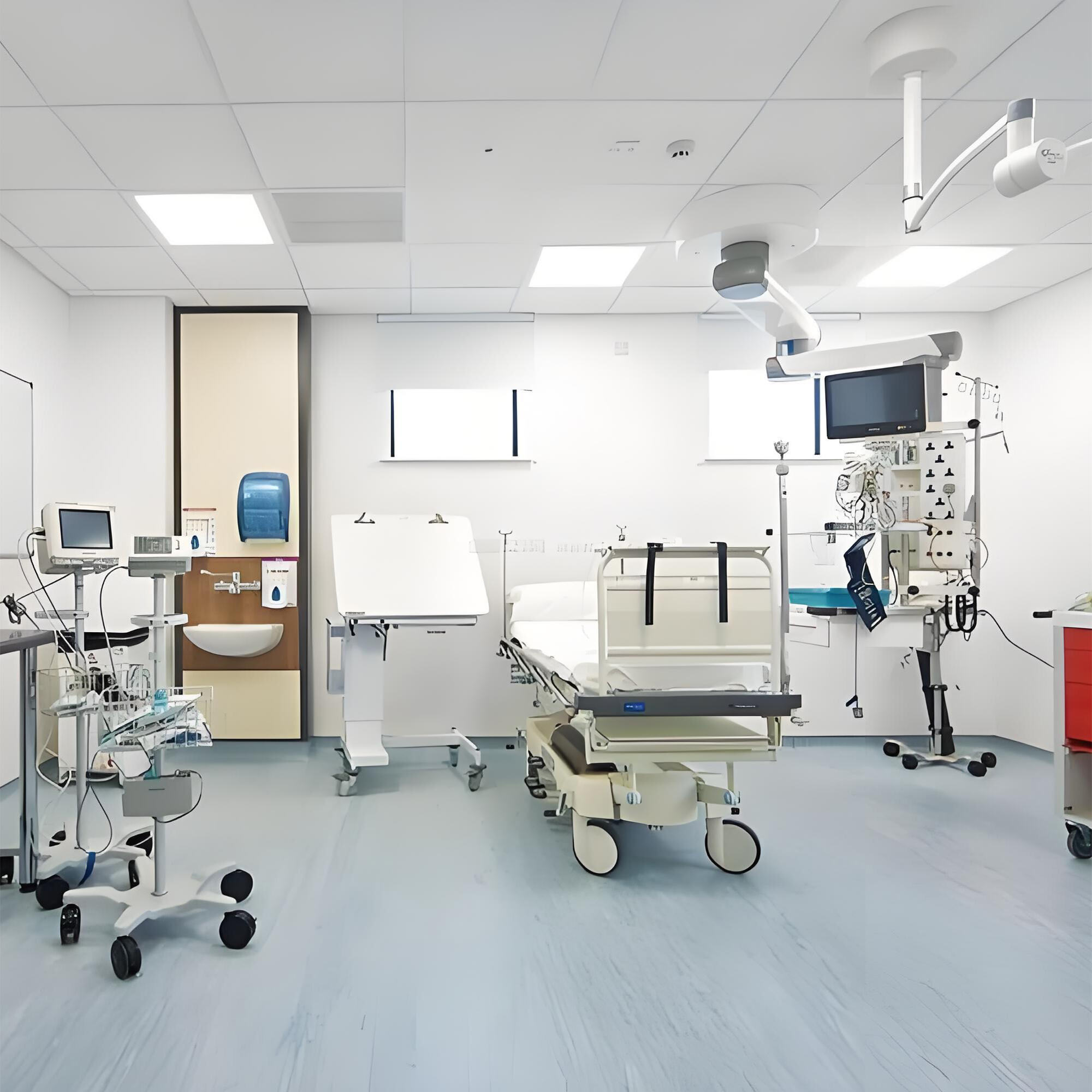
Modern healthcare facilities place far greater demands on building materials than most commercial buildings. Hospital interiors must support strict infection control standards, withstand continuous daily operation, and allow efficient maintenance without disrupting critical medical services. As a result, architects and healthcare planners are increasingly evaluating every component of the building envelope—including the ceiling system—to ensure long-term performance and operational reliability.
Unlike traditional ceiling materials such as gypsum board or mineral fiber panels, hospital ceiling systems must balance hygiene, durability, accessibility, and safety. Frequent cleaning and disinfection, exposure to humidity, and the need for regular access to HVAC, lighting, fire protection, and medical service infrastructure create unique challenges that many conventional ceiling solutions struggle to address.
This is one of the main reasons why aluminum ceiling systems have become increasingly popular in modern hospitals and healthcare facilities. Aluminum ceiling panels offer a non-porous surface that is easy to clean, excellent resistance to moisture and corrosion, and long-term structural stability in demanding healthcare environments. In addition, their modular design allows maintenance teams to quickly access concealed building services, reducing downtime and improving facility management efficiency.
From patient rooms and operating theaters to laboratories, corridors, and public reception areas, aluminum ceiling systems are now widely specified in healthcare projects worldwide. Understanding the advantages behind this growing trend can help architects, contractors, and facility managers select the most suitable ceiling solution for modern hospital environments.
Challenges Hospital Ceilings Must Overcome
Designing ceiling systems for hospitals involves unique challenges that go beyond standard commercial buildings. Hospital interiors must maintain strict hygiene, support continuous operation, and seamlessly integrate with complex building systems. Failing to address these demands can compromise patient safety, disrupt medical procedures, and increase long-term maintenance costs.
Hygiene and Infection Control
Ceilings in healthcare facilities play a critical role in infection prevention. Aluminum ceiling panels offer smooth, non-porous surfaces that are easy to clean and disinfect, helping hospitals comply with strict hygiene standards. Their resistance to moisture, dust, and bacterial buildup makes them particularly suitable for patient rooms, operating theaters, laboratories, and other high-risk areas. Compared with traditional gypsum or mineral fiber ceilings, aluminum panels minimize contamination risks and support frequent cleaning routines.
Continuous Operation and Heavy Usage
Hospitals operate 24/7, which places high demands on ceiling durability and accessibility. Modular aluminum ceilings allow maintenance teams to access HVAC systems, fire protection, and medical gas pipelines quickly, minimizing downtime in critical areas. Their strength and long-term reliability ensure consistent performance in busy corridors, patient care units, and emergency areas, maintaining both operational efficiency and safety.
Integration with Complex Building Services
Modern healthcare facilities rely on ceilings to accommodate a variety of mechanical and electrical systems. Aluminum ceiling systems can be precisely coordinated with lighting, ventilation, fire sprinklers, and medical service lines, allowing easy removal and reinstallation for repairs or upgrades. This integration ensures hospitals can maintain optimal environmental conditions and comply with healthcare regulations without compromising aesthetic quality or functionality.
Why Aluminum Ceiling Systems Meet Hospital Requirements
The challenges discussed above explain why material selection is so important in healthcare construction. To maintain hygiene, support continuous operation, and accommodate complex building services, hospitals require ceiling systems that deliver reliable performance over the long term. Aluminum ceiling systems have become a preferred solution because they address multiple healthcare requirements simultaneously.
Hygienic and Easy to Maintain
In modern healthcare facilities, cleanliness is essential for patient safety and infection control. Aluminum ceiling panels feature smooth, non-porous surfaces that do not absorb moisture or harbor contaminants, making routine cleaning and disinfection more effective. This is particularly important in operating theaters, patient wards, laboratories, and other sensitive medical environments where hygiene standards are strictly enforced.
Unlike some traditional ceiling materials, aluminum panels resist staining, deformation, and moisture-related deterioration, helping facilities maintain a clean appearance while reducing maintenance demands throughout the building's lifecycle.
Fire, Moisture, and Corrosion Resistance
Hospitals require building materials that can perform consistently under demanding indoor conditions. Aluminum ceiling systems offer excellent resistance to humidity, corrosion, and frequent cleaning procedures, making them suitable for healthcare environments with varying temperature and moisture levels.
As a non-combustible material, aluminum also contributes to hospital fire safety strategies. Its long-term resistance to rust, warping, and surface degradation helps healthcare facilities reduce replacement frequency and maintain dependable performance for years.
Lightweight Yet Durable
While hospitals require durable construction materials, reducing structural load remains an important design consideration. Aluminum provides an excellent strength-to-weight ratio, allowing ceiling systems to remain lightweight without sacrificing performance.
This advantage simplifies installation, facilitates future renovations, and supports easier access to concealed building services. For large healthcare projects, the combination of durability, dimensional stability, and maintenance accessibility makes aluminum ceiling systems a practical long-term investment.
Acoustic Comfort for Patients and Medical Staff
Hospitals are not only spaces for treatment—they must support patient recovery while enabling medical staff to work efficiently. Noise control is a critical factor in healthcare interior design, as excessive sound can disturb patients, reduce staff focus, and affect overall operational performance. Aluminum ceiling systems provide an effective solution, combining acoustic performance with hygiene, durability, and modular flexibility.
Reducing Noise in Patient Areas
Patient rooms, wards, and intensive care units require quiet environments to promote healing and reduce stress. Conventional ceilings often allow sound to travel between rooms and corridors, disturbing patients. Acoustic aluminum ceilings absorb ambient noise, limit sound transmission, and maintain hygienic surfaces. By integrating sound-absorbing materials behind panels, hospitals can reduce noise levels while preserving easy access for cleaning and maintenance.
Perforated Acoustic Aluminum Ceiling Solutions
Perforated aluminum panels are particularly effective in controlling hospital noise. Micro-perforation patterns combined with acoustic infill reduce echo and reverberation in corridors, lobbies, and laboratories. These systems can be customized to meet specific absorption targets for different hospital areas. At the same time, smooth panel surfaces resist dust and contamination, maintaining hygiene standards without compromising acoustic performance.
Improving Recovery and Working Environments
Lower noise levels benefit both patients and staff. Patients experience improved rest, reduced stress, and faster recovery, while medical personnel can communicate clearly, concentrate better, and minimize fatigue during critical procedures. Aluminum ceiling systems, when designed with acoustic performance in mind, create healthier and more comfortable environments in patient rooms, operating theaters, and public areas alike. Their modular design ensures easy maintenance, long-term durability, and seamless integration with lighting and HVAC systems.
Common Hospital Areas Using Aluminum Ceiling Systems
The versatility of aluminum ceiling systems allows them to be used throughout healthcare facilities, from highly controlled clinical environments to public-facing spaces. Different hospital areas have unique operational requirements, and aluminum ceilings can be adapted to meet these specific needs while maintaining hygiene, durability, and long-term performance.
Patient Rooms
Patient rooms require a balance between hygiene, comfort, and accessibility. Aluminum ceiling panels provide clean, easy-to-maintain surfaces while supporting acoustic solutions that help reduce corridor noise. This creates a quieter environment that can improve patient comfort and recovery.
Operating Theaters
Operating rooms demand the highest standards of cleanliness and system integration. Aluminum ceiling systems can accommodate air filtration equipment, medical gas services, and specialized lighting while maintaining a smooth, hygienic surface suitable for controlled healthcare environments.
Hospital Corridors
As some of the busiest areas in a hospital, corridors require durable ceiling systems that allow convenient access to lighting, ventilation, and fire protection equipment. Aluminum ceilings provide long-term reliability while simplifying routine maintenance and future upgrades.
Laboratories and Diagnostic Centers
Laboratories often require frequent access to concealed building services and equipment connections. Aluminum ceiling systems support efficient maintenance while resisting moisture and repeated cleaning procedures, making them suitable for demanding medical environments.
Reception and Waiting Areas
Reception spaces create the first impression of a healthcare facility. Aluminum ceilings offer design flexibility through various finishes and perforation options while helping control noise levels and maintaining a professional appearance.
Choosing the Right Aluminum Ceiling System for Hospitals
Selecting the right ceiling system depends on the function of each hospital area, maintenance requirements, acoustic needs, and integration with building services. Aluminum ceiling solutions provide versatile options to meet these demands while supporting hygiene, durability, and operational efficiency.
Clip In Ceiling Systems
Clip in panels are ideal for patient rooms and ICUs, offering smooth, non-porous surfaces that are easy to disinfect. Their concealed suspension design creates a clean appearance while allowing quick access to lighting, HVAC, and medical gas lines. This combination of hygiene and maintenance efficiency makes them well-suited for high-risk clinical areas.
Lay In Ceiling Systems
Lay in panels are frequently used in laboratories, technical rooms, and support areas, where frequent inspections and equipment upgrades are needed. Individual panels can be lifted and replaced without disrupting operations, allowing seamless access to mechanical and electrical services while maintaining hygiene and durability.
Perforated Acoustic Ceiling Panels
Acoustic performance is critical in patient wards, consultation rooms, and waiting areas. Perforated aluminum panels with acoustic backing reduce reverberation and background noise, improving patient comfort and staff focus. Their smooth, hygienic surfaces also simplify cleaning, combining comfort with operational practicality.
Linear Ceiling Systems for Public Areas
Linear aluminum ceilings are commonly applied in hospital lobbies, reception areas, and wide corridors, offering a modern appearance while accommodating lighting, ventilation, and fire protection integration. Customizable widths, finishes, and colors allow facilities to create welcoming, functional spaces without compromising maintenance accessibility.
By selecting the appropriate ceiling system for each functional area, healthcare facilities can optimize hygiene, acoustics, operational efficiency, and aesthetics throughout the hospital.
Why Healthcare Projects Choose Experienced Manufacturers
Selecting the right aluminum ceiling system is only part of a successful healthcare project. Equally important is working with a manufacturer that understands the technical, operational, and regulatory requirements of hospital environments. Experienced manufacturers help project teams reduce installation risks, improve coordination, and ensure long-term performance throughout the facility lifecycle.
Engineering Support and Shop Drawings
Hospital projects often involve complex coordination between ceiling systems, HVAC equipment, lighting layouts, fire protection systems, and medical service infrastructure. Manufacturers with strong engineering capabilities can provide accurate CAD drawings, BIM models, and shop drawings that help architects and contractors identify potential conflicts before installation begins. This improves project efficiency and reduces costly on-site modifications.
Custom Manufacturing Capabilities
Healthcare facilities rarely follow a one-size-fits-all design approach. Different areas may require acoustic panels, access panels, perforated ceilings, or custom dimensions to accommodate specialized equipment. Manufacturers with advanced fabrication capabilities can produce ceiling systems tailored to the functional requirements of patient rooms, operating theaters, laboratories, and public areas.
Quality Control and Compliance Requirements
Hospitals demand consistent product quality and long-term reliability. Experienced manufacturers implement strict inspection procedures to ensure dimensional accuracy, coating durability, and compliance with fire safety and performance requirements. Consistent quality helps reduce installation issues and supports dependable operation over the life of the building.
Experience with Healthcare Facility Projects
Manufacturers with healthcare project experience better understand the challenges associated with maintenance access, future upgrades, infection control requirements, and continuous building operation. Their expertise can help project teams select appropriate ceiling solutions that support both clinical performance and operational efficiency.
Conclusion
Modern hospitals require building materials that can support strict hygiene standards, continuous operation, and efficient facility management. As healthcare environments become more complex, ceiling systems play an increasingly important role in maintaining patient safety, staff productivity, and long-term operational performance.
Aluminum ceiling systems have become a preferred choice for healthcare facilities because they combine multiple benefits in a single solution. Their hygienic, non-porous surfaces support infection control, while their resistance to fire, moisture, and corrosion ensures reliable performance in demanding medical environments. In addition, acoustic aluminum ceilings can help create quieter patient areas and more comfortable working conditions for healthcare professionals.
Beyond their technical advantages, aluminum ceilings provide long-term value through durability, low maintenance requirements, and adaptability to future renovations or equipment upgrades. Whether used in patient rooms, operating theaters, laboratories, corridors, or public spaces, the right ceiling system can contribute to a safer, more efficient, and more sustainable healthcare facility.
Ultimately, selecting an appropriate aluminum ceiling solution—and working with an experienced manufacturer—can help healthcare projects achieve both immediate functional goals and long-term operational success.
FAQ
Why are aluminum ceilings commonly used in hospitals?
Aluminum ceilings are widely used in hospitals because they are hygienic, durable, fire-resistant, and easy to maintain. Their smooth, non-porous surfaces support infection control efforts, while their modular design provides convenient access to building services for maintenance and upgrades.
Are aluminum ceiling systems suitable for operating rooms?
Yes. Aluminum ceiling systems are well suited for operating rooms due to their cleanable surfaces, resistance to moisture and corrosion, and compatibility with medical lighting, air filtration systems, and other critical healthcare infrastructure.
Can aluminum ceilings improve hospital acoustics?
Yes. Perforated acoustic aluminum ceiling panels can reduce reverberation and background noise when combined with acoustic backing materials. This helps create quieter patient rooms, consultation areas, and waiting spaces, improving comfort for both patients and staff.
What type of ceiling is best for hospital corridors?
The best ceiling system depends on project requirements, but clip in and linear aluminum ceiling systems are commonly used in hospital corridors. They provide durability, easy maintenance access, and seamless integration with lighting, HVAC, and fire protection systems.
How long do aluminum ceiling systems last in healthcare facilities?
High-quality aluminum ceiling systems can provide reliable performance for decades when properly installed and maintained. Their resistance to corrosion, moisture, and wear makes them a cost-effective long-term solution for healthcare environments.