 EN
EN


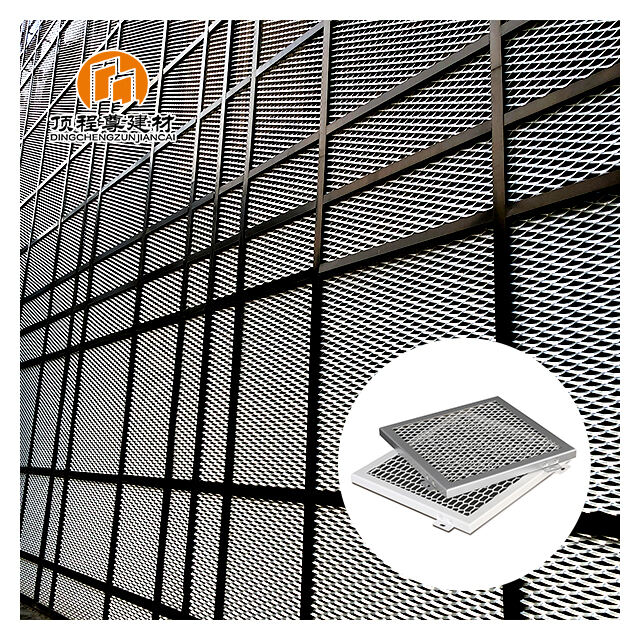
Modern commercial architecture demands both functionality and aesthetic appeal, making grid ceiling systems an increasingly popular choice for office and retail environments. These versatile ceiling solutions offer unmatched flexibility in design while providing practical benefits that traditional solid ceilings cannot match. The modular nature of grid ceiling systems allows for easy access to utilities while maintaining a professional appearance that enhances any commercial space.
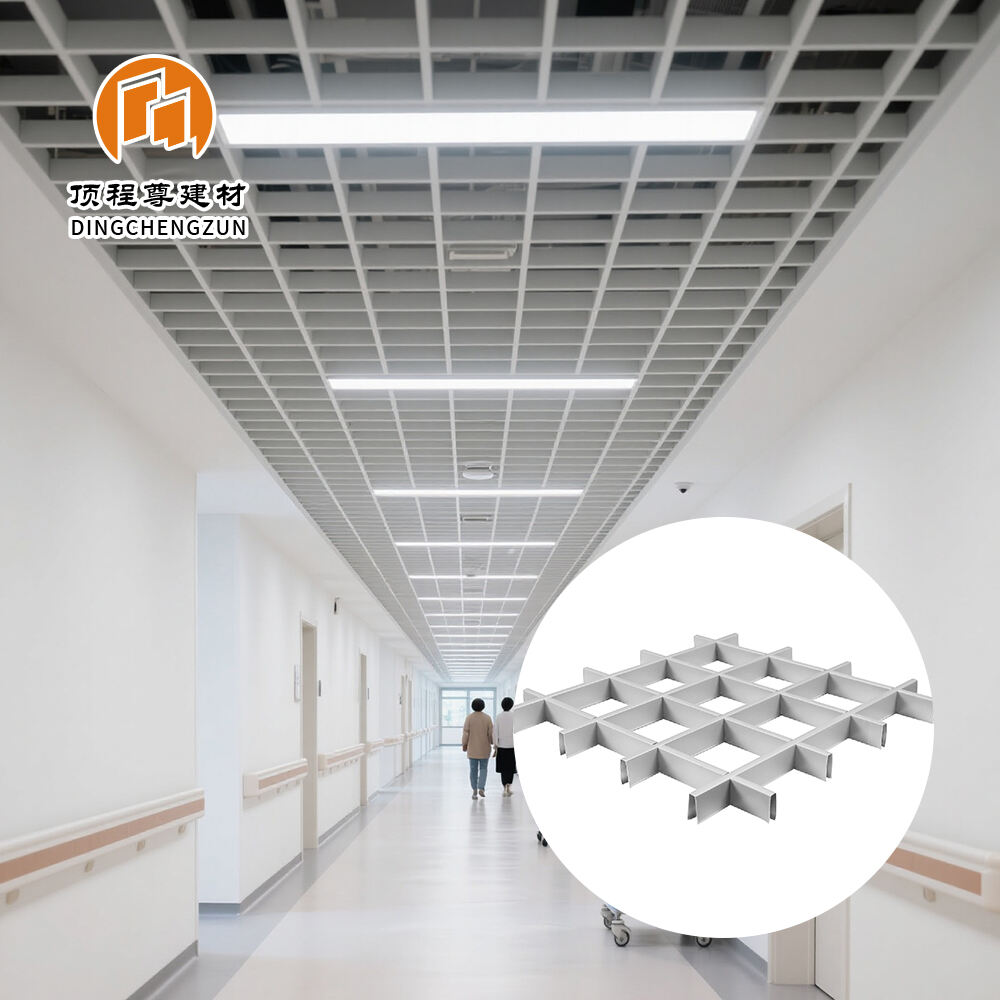
The adoption of grid ceiling systems in commercial projects has grown significantly over the past decade, driven by their practical advantages and design flexibility. Property developers and interior designers recognize these systems as essential components for creating modern, functional spaces that meet evolving workplace needs. The grid structure allows for seamless integration of lighting, ventilation, and other building systems while providing easy maintenance access.
Office environments particularly benefit from the acoustic properties and visual continuity that grid ceiling systems provide. The modular design enables quick reconfiguration when office layouts change, making them ideal for dynamic work environments. Retail spaces leverage these systems to create distinctive ceiling patterns that enhance the shopping experience while maintaining operational efficiency.
Design Flexibility and Aesthetic Appeal
Customizable Pattern Options
Grid ceiling systems excel in providing unlimited design possibilities through their modular construction. Architects and designers can create unique patterns by varying the size and spacing of grid openings, resulting in ceiling designs that complement specific architectural themes. The geometric nature of these systems allows for both subtle and dramatic visual effects, depending on the desired aesthetic outcome.
The flexibility extends beyond basic grid patterns to include integrated lighting solutions and color variations. Modern grid ceiling systems can accommodate LED strip lighting within the grid framework, creating stunning illuminated patterns that serve both functional and decorative purposes. This integration eliminates the need for separate ceiling-mounted fixtures in many applications.
Material and Finish Variations
Contemporary grid ceiling systems utilize advanced materials including aluminum, steel, and composite materials that offer superior durability and finish options. Powder coating technologies enable virtually unlimited color choices, allowing designers to match or complement existing interior palettes. The material selection impacts both the visual appearance and performance characteristics of the installation.
Surface finishes range from matte and satin to high-gloss options, each creating different lighting effects and visual impressions. Textured finishes add depth and interest to ceiling planes while maintaining the clean lines associated with modern commercial design. These finishing options ensure that grid ceiling systems can adapt to various design styles from minimalist to industrial.
Practical Benefits for Commercial Spaces
Easy Maintenance and Access
One of the primary advantages driving the popularity of grid ceiling systems is their exceptional accessibility for maintenance activities. The open grid design provides unobstructed access to mechanical, electrical, and plumbing systems located above the ceiling plane. This accessibility significantly reduces maintenance costs and minimizes disruption to business operations during service activities.
Traditional solid ceilings often require costly demolition and reconstruction when access to utilities is needed. Grid ceiling systems eliminate this concern by allowing maintenance personnel to easily remove individual ceiling panels or access equipment through the grid openings. This design feature proves especially valuable in complex commercial buildings with extensive utility systems.
Cost-Effective Installation
The installation process for grid ceiling systems typically requires less time and labor compared to traditional ceiling systems. The modular components arrive pre-manufactured and ready for assembly, reducing on-site construction time and associated costs. Skilled installation teams can complete large areas quickly using standardized procedures and specialized mounting hardware.
Long-term cost benefits extend beyond initial installation savings to include reduced maintenance expenses and increased system longevity. The durable materials used in modern grid ceiling systems resist corrosion, fading, and mechanical damage, ensuring years of trouble-free performance. When repairs are necessary, individual components can be replaced without affecting surrounding ceiling areas.
Performance Characteristics
Acoustic Properties
Grid ceiling systems contribute significantly to acoustic management in commercial environments through their sound absorption and diffusion characteristics. The open grid structure helps break up sound waves and reduce echo, creating more comfortable acoustic environments for occupants. This acoustic performance proves particularly valuable in open office environments and retail spaces where noise control is essential.
Advanced grid ceiling systems can incorporate specialized acoustic panels within the grid framework to enhance sound absorption properties. These acoustic enhancements help create quieter work environments that improve productivity and reduce stress levels among occupants. The combination of grid structure and acoustic materials provides superior performance compared to traditional solid ceilings.
Integration with Building Systems
Modern grid ceiling systems seamlessly integrate with various building systems including HVAC, lighting, and fire suppression equipment. The grid framework can support specialized fixtures and equipment while maintaining clean aesthetic lines throughout the ceiling plane. This integration capability makes grid ceiling systems particularly attractive for complex commercial buildings.
Smart building technologies benefit from the accessibility that grid ceiling systems provide for sensor installation and maintenance. IoT devices, environmental sensors, and communication equipment can be easily installed and serviced through the open grid structure. This compatibility with emerging technologies ensures that grid ceiling systems remain relevant as building automation advances.
Applications in Office Environments
Open Office Configurations
Open office layouts rely heavily on grid ceiling systems to provide visual definition and acoustic control without creating physical barriers between work areas. The geometric patterns created by these systems help organize large open spaces while maintaining the collaborative atmosphere that modern workplaces require. The clean lines and contemporary appearance complement modern office furniture and technology.
The flexibility of grid ceiling systems allows office managers to reconfigure lighting and utility connections as workspace needs change. This adaptability proves essential in dynamic work environments where team sizes and departmental boundaries frequently shift. The modular nature ensures that modifications can be completed quickly without major construction activities.
Conference and Meeting Rooms
Conference rooms and meeting spaces benefit from the acoustic properties and aesthetic appeal that grid ceiling systems provide. The structured appearance creates a professional atmosphere appropriate for client meetings and important business discussions. Integrated lighting solutions within the grid framework eliminate glare on projection screens and computer monitors.
Grid ceiling systems in meeting rooms can accommodate specialized equipment including projectors, speakers, and video conferencing cameras. The open grid structure provides mounting points and cable management solutions that maintain clean appearances while ensuring reliable equipment operation. This integration capability makes these systems ideal for technology-rich meeting environments.
Retail Space Applications
Visual Merchandising Enhancement
Retail environments utilize grid ceiling systems to create distinctive ceiling patterns that enhance the shopping experience and support visual merchandising strategies. The geometric patterns can guide customer flow through the store while creating focal points that highlight featured products or promotional displays. The clean, modern appearance appeals to contemporary retail aesthetics.
The integration of lighting within grid ceiling systems enables retailers to create dramatic lighting effects that enhance product displays and create ambiance. Variable lighting levels and color temperatures can be achieved through strategically placed fixtures within the grid framework. This lighting flexibility supports different retail strategies throughout the day and across seasons.
Durability in High-Traffic Areas
Retail environments subject ceiling systems to challenging conditions including temperature variations, humidity changes, and constant activity. Grid ceiling systems demonstrate exceptional durability under these conditions while maintaining their appearance over extended periods. The robust construction materials resist damage from normal retail operations including restocking activities and equipment movement.
The modular design of grid ceiling systems allows retailers to replace individual components if damage occurs without affecting surrounding ceiling areas. This capability minimizes repair costs and reduces downtime during maintenance activities. The long service life and minimal maintenance requirements make these systems particularly cost-effective for retail applications.
Installation and Maintenance Considerations
Professional Installation Requirements
Proper installation of grid ceiling systems requires experienced contractors who understand the structural requirements and mounting specifications for commercial applications. The installation process involves precise measurements and careful alignment to ensure optimal performance and appearance. Professional installers utilize specialized tools and techniques to achieve consistent results across large ceiling areas.
Quality control during installation ensures that grid ceiling systems meet design specifications and performance requirements. Proper installation includes verification of structural support, alignment accuracy, and integration with building systems. These quality measures ensure long-term performance and minimize future maintenance requirements.
Long-Term Maintenance Protocols
Grid ceiling systems require minimal ongoing maintenance when properly installed and specified for their intended applications. Regular cleaning and inspection activities help maintain appearance and identify potential issues before they become significant problems. The accessible design allows maintenance personnel to complete these activities efficiently without disrupting normal building operations.
Preventive maintenance protocols include periodic inspection of mounting hardware, cleaning of grid components, and verification of integrated systems. The modular design allows for selective replacement of components that show wear or damage while leaving unaffected areas undisturbed. This selective maintenance approach minimizes costs and maintains system performance over extended periods.
FAQ
What are the main advantages of grid ceiling systems over traditional ceilings
Grid ceiling systems offer superior accessibility for maintenance, greater design flexibility, and better integration with building systems compared to traditional solid ceilings. They provide acoustic benefits, allow easy reconfiguration, and typically cost less to install and maintain over their service life.
How do grid ceiling systems contribute to energy efficiency in commercial buildings
These systems improve energy efficiency through better integration with HVAC systems, reduced air leakage, and optimized lighting placement. The open grid design allows for more efficient air circulation and temperature control while supporting energy-efficient LED lighting systems that can be easily maintained and upgraded.
Can grid ceiling systems accommodate heavy equipment installations
Yes, properly designed grid ceiling systems can support various equipment installations including lighting fixtures, HVAC components, and audio-visual equipment. The structural capacity depends on the specific grid design and mounting system, which should be engineered to meet the load requirements of the intended applications.
What factors should be considered when selecting grid ceiling systems for retail environments
Key considerations include durability requirements, acoustic performance needs, integration with lighting and security systems, maintenance accessibility, and aesthetic compatibility with the retail brand. The system should also accommodate future modifications as retail layouts and merchandising strategies evolve.
Table of Contents
- Design Flexibility and Aesthetic Appeal
- Practical Benefits for Commercial Spaces
- Performance Characteristics
- Applications in Office Environments
- Retail Space Applications
- Installation and Maintenance Considerations
-
FAQ
- What are the main advantages of grid ceiling systems over traditional ceilings
- How do grid ceiling systems contribute to energy efficiency in commercial buildings
- Can grid ceiling systems accommodate heavy equipment installations
- What factors should be considered when selecting grid ceiling systems for retail environments