 EN
EN


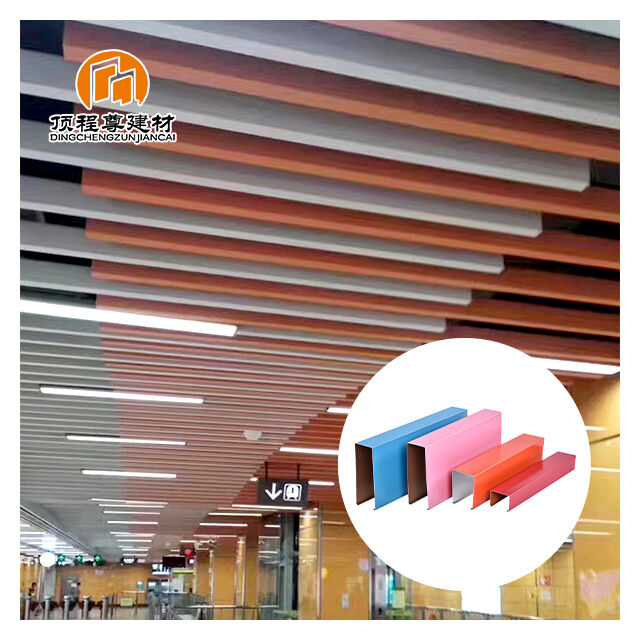
When planning a commercial or residential project, one of the most significant architectural decisions involves choosing between ceiling panels and open ceiling designs. This choice impacts not only the aesthetic appeal of your space but also functionality, maintenance requirements, and overall project costs. Understanding the fundamental differences between these two approaches will help you make an informed decision that aligns with your specific project goals and requirements.
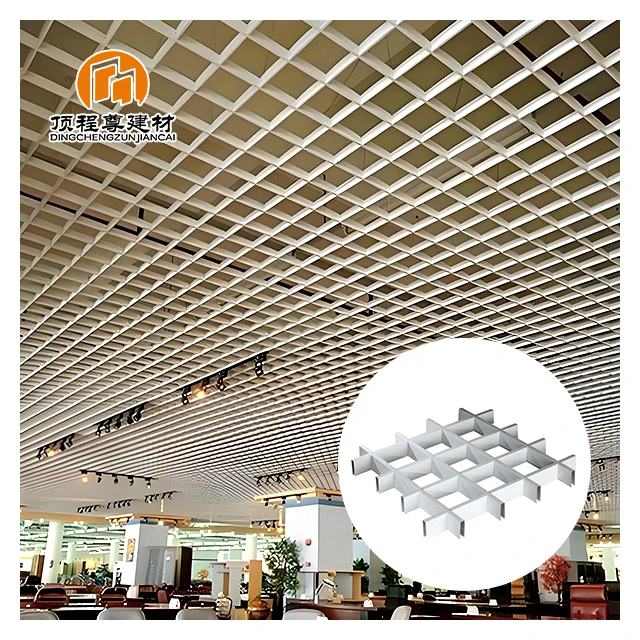
Ceiling panels have become increasingly popular in modern architecture due to their versatility and practical benefits. These structured ceiling systems offer designers and architects greater control over acoustics, lighting integration, and overall spatial dynamics. On the other hand, open ceilings provide a sense of spaciousness and industrial aesthetic that appeals to many contemporary design philosophies. The decision between these options requires careful consideration of multiple factors including budget constraints, functional requirements, and long-term maintenance considerations.
The importance of this decision extends beyond mere aesthetics, as ceiling design significantly influences the overall user experience within any space. Whether you're developing a commercial facility, educational institution, or residential property, the ceiling treatment you choose will affect everything from sound quality to energy efficiency. This comprehensive analysis will explore the advantages and disadvantages of both ceiling panels and open ceiling systems to help you determine the optimal solution for your specific project requirements.
Understanding Ceiling Panel Systems
Types and Materials of Ceiling Panels
Ceiling panels encompass a wide variety of materials and construction methods, each designed to meet specific performance criteria and aesthetic preferences. Traditional suspended ceiling systems utilize lightweight tiles made from mineral fiber, metal, or composite materials that rest within a grid framework. These systems allow for easy access to mechanical systems while providing excellent acoustic control and design flexibility. Modern ceiling panels have evolved to include high-performance materials that offer enhanced durability, fire resistance, and environmental sustainability.
Metal ceiling panels, including aluminum and steel variants, provide exceptional longevity and are particularly suitable for high-traffic commercial environments. These panels offer superior moisture resistance and can withstand challenging environmental conditions while maintaining their appearance over extended periods. Composite and mineral fiber options provide excellent acoustic absorption properties, making them ideal for educational facilities, healthcare environments, and office spaces where sound control is paramount.
The installation flexibility of ceiling panels allows for creative design implementations that can transform ordinary spaces into visually striking environments. Panels can be arranged in various patterns, colors, and textures to create unique architectural statements while maintaining functional benefits. This versatility makes ceiling panels an attractive option for projects requiring both aesthetic appeal and practical performance characteristics.
Installation and Maintenance Considerations
The installation process for ceiling panels typically requires professional expertise to ensure proper alignment, structural support, and integration with building systems. Suspended ceiling systems necessitate adequate clearance above the finished ceiling height to accommodate the grid framework and allow access to utilities. This structural requirement must be factored into the overall building design and may impact floor-to-floor heights in multi-story constructions.
Maintenance requirements for ceiling panels vary depending on the material selection and environmental conditions. Regular cleaning and periodic replacement of individual panels may be necessary to maintain optimal appearance and performance. However, the modular nature of panel systems allows for targeted maintenance without disrupting the entire ceiling structure. This characteristic provides long-term cost advantages and reduces maintenance-related downtime in commercial facilities.
The accessibility provided by removable ceiling panels offers significant advantages for building maintenance and system modifications. Mechanical, electrical, and plumbing systems remain easily accessible for repairs, upgrades, or expansions without requiring extensive demolition or reconstruction. This accessibility factor often justifies the initial investment in panel systems through reduced long-term operational costs and improved building flexibility.
Exploring Open Ceiling Designs
Architectural Impact of Open Ceilings
Open ceiling designs create dramatic spatial experiences by exposing the structural elements and mechanical systems of a building. This approach eliminates the need for suspended ceiling systems, allowing for maximum ceiling height and creating an sense of openness that can make spaces feel significantly larger than their actual square footage. The exposed structural elements, including beams, ductwork, and conduits, become integral parts of the overall design aesthetic rather than hidden components.
The industrial aesthetic achieved through open ceiling designs appeals to contemporary architectural trends that emphasize authenticity and material honesty. Exposed concrete, steel beams, and visible mechanical systems contribute to a raw, unfinished appearance that resonates with modern design sensibilities. This approach is particularly popular in converted industrial spaces, modern restaurants, retail environments, and creative office spaces where the architectural character enhances the intended user experience.
Open ceilings provide architects and designers with unique opportunities to incorporate creative lighting solutions and artistic installations. The absence of ceiling panels allows for more flexible placement of pendant lights, track lighting systems, and sculptural elements that can serve as focal points within the space. This design freedom enables the creation of dynamic environments that can be easily modified or updated as functional requirements evolve.
Functional Implications of Exposed Ceilings
While open ceilings offer aesthetic advantages, they present unique functional challenges that must be carefully addressed during the design and construction phases. Acoustic control becomes more complex without the sound-absorbing properties of ceiling panels, requiring alternative solutions such as wall treatments, floor coverings, or suspended acoustic elements to manage reverberation and noise levels.
Temperature control and energy efficiency considerations become more challenging with open ceiling designs due to the increased volume of conditioned space. The absence of a ceiling barrier means that heating and cooling systems must work harder to maintain comfortable conditions at the occupied level. Strategic placement of mechanical systems and careful consideration of air distribution patterns become critical factors in achieving energy-efficient operation.
Maintenance access in open ceiling environments requires different approaches compared to panel systems. While all mechanical systems remain visible and theoretically accessible, the height and complexity of exposed installations may necessitate specialized equipment and safety procedures for routine maintenance tasks. Long-term planning for system modifications or replacements becomes more complex when all components are permanently exposed rather than concealed above removable panels.
Comparative Analysis of Performance Factors
Acoustic Performance and Sound Management
Acoustic performance represents one of the most significant differences between ceiling panels and open ceiling designs. Ceiling panels, particularly those made from mineral fiber or specialized acoustic materials, provide excellent sound absorption and help control reverberation within interior spaces. This acoustic control is essential in environments such as classrooms, conference rooms, healthcare facilities, and office spaces where speech intelligibility and noise reduction are critical for functionality.
Open ceiling designs present acoustic challenges that require innovative solutions to achieve acceptable sound environments. Without the benefit of sound-absorbing ceiling panels, designers must incorporate alternative acoustic treatments such as fabric-wrapped panels, suspended baffles, or specialized wall coverings. These solutions can be effective but often require more extensive planning and may impact the clean aesthetic that makes open ceilings attractive.
The choice between ceiling panels and open designs significantly impacts the acoustic signature of any space. Projects requiring precise acoustic control, such as recording studios, lecture halls, or medical facilities, typically benefit from the predictable acoustic performance that ceiling panels provide. Conversely, spaces where ambient noise is acceptable or even desirable, such as restaurants or retail environments, may successfully utilize open ceiling designs with supplementary acoustic treatments as needed.
Cost Analysis and Budget Considerations
Initial construction costs vary significantly between ceiling panels and open ceiling approaches, with multiple factors influencing the overall project budget. Open ceiling designs may appear less expensive initially since they eliminate the material and labor costs associated with installing suspended ceiling systems. However, this apparent savings must be balanced against potential increases in mechanical system costs, specialized finishes for exposed elements, and additional acoustic treatments.
Ceiling panels represent a significant upfront investment but provide long-term value through their acoustic performance, aesthetic flexibility, and maintenance advantages. The modular nature of panel systems allows for phased replacements or updates without major reconstruction, providing budget flexibility for future improvements. Additionally, the ability to easily access building systems through removable panels can reduce maintenance costs and minimize disruption during service activities.
Energy efficiency considerations impact long-term operational costs and should be factored into the economic analysis. Open ceilings increase the conditioned volume of spaces, potentially increasing heating and cooling costs. Ceiling panels can improve energy efficiency by reducing the effective ceiling height and providing an additional barrier for thermal control. These operational cost differences can significantly impact the total cost of ownership over the building's lifecycle.
Application-Specific Considerations
Commercial and Office Environments
Commercial office environments typically benefit from the acoustic control and flexibility provided by ceiling panels. The ability to integrate lighting systems, air distribution, and technology infrastructure within suspended ceiling systems makes them ideal for traditional office layouts. Modern office designs increasingly emphasize worker productivity and comfort, making the sound absorption and visual consistency of ceiling panels valuable assets for creating productive work environments.
Contemporary office trends toward open collaboration spaces and flexible work environments have increased interest in open ceiling designs. These spaces often embrace the industrial aesthetic and spatial openness that exposed ceilings provide. However, successful implementation requires careful attention to acoustic management and mechanical system design to ensure that the open environment doesn't compromise functionality or worker comfort.
The choice between ceiling panels and open designs in office environments often depends on the organizational culture and work style being supported. Traditional corporate environments may prefer the professional appearance and acoustic control of ceiling panels, while creative industries and startup companies might embrace the dynamic character of open ceiling designs. Budget considerations and building infrastructure also play significant roles in determining the optimal approach for specific office projects.
Retail and Hospitality Applications
Retail environments present unique challenges and opportunities for both ceiling panel and open ceiling designs. The aesthetic impact of ceiling treatment significantly influences customer experience and brand perception. High-end retail spaces may utilize ceiling panels to create sophisticated, controlled environments that showcase merchandise effectively. The ability to integrate specialized lighting systems and maintain consistent environmental conditions makes ceiling panels attractive for luxury retail applications.
Conversely, many contemporary retail concepts embrace the authenticity and spaciousness of open ceiling designs. Restaurants, cafes, and experiential retail spaces often utilize exposed ceilings to create distinctive atmospheres that differentiate them from competitors. The flexibility to modify lighting and decor elements without ceiling constraints allows retailers to adapt their environments for seasonal campaigns or brand evolution.
Hospitality applications require careful consideration of guest comfort and operational efficiency. Hotels and restaurants must balance aesthetic appeal with acoustic comfort and maintenance practicality. Ceiling panels may be preferred in guest rooms and meeting spaces where quiet environments are essential, while open designs might be appropriate for lobbies, bars, and dining areas where energy and atmosphere are priorities.
Future Trends and Innovations
Emerging Technologies in Ceiling Design
The ceiling design industry continues to evolve with new materials, technologies, and installation methods that blur the traditional distinctions between ceiling panels and open systems. Smart ceiling panels incorporating integrated sensors, LED lighting systems, and air purification technologies are becoming increasingly common in commercial applications. These advanced systems provide enhanced functionality while maintaining the acoustic and aesthetic benefits of traditional panel installations.
Sustainable materials and manufacturing processes are driving innovation in both ceiling panels and open ceiling applications. Recycled content, bio-based materials, and improved manufacturing efficiency are making ceiling systems more environmentally responsible. These developments are particularly important for projects pursuing green building certifications or organizations with strong sustainability commitments.
Digital integration and building automation systems are creating new possibilities for dynamic ceiling environments. Ceiling panels can now incorporate programmable lighting, climate control integration, and interactive display capabilities. Even open ceiling designs benefit from smart mechanical systems and integrated technology that enhance functionality while maintaining the desired aesthetic character.
Sustainability and Environmental Impact
Environmental considerations are increasingly influential in ceiling design decisions, with both ceiling panels and open systems offering potential sustainability benefits. Ceiling panels made from recycled materials and designed for end-of-life recyclability contribute to circular economy principles. The longevity and replaceability of individual panels can extend building lifecycles and reduce waste compared to more permanent ceiling treatments.
Open ceiling designs can support sustainability goals by eliminating material consumption associated with suspended ceiling systems. However, the increased energy requirements for conditioning larger volumes must be carefully managed through efficient mechanical system design and operation. The visibility of mechanical systems in open designs can actually encourage better maintenance practices and system optimization, potentially improving long-term energy performance.
Life cycle assessment methodologies are helping designers and building owners make more informed decisions about ceiling systems. These assessments consider material production, transportation, installation, operation, and end-of-life disposal to provide comprehensive environmental impact evaluations. Both ceiling panels and open designs can be optimized for sustainability through careful material selection and system design approaches.
FAQ
What are the main cost differences between ceiling panels and open ceilings?
Open ceilings typically have lower initial material and installation costs since they eliminate the need for suspended ceiling systems and panels. However, they may require additional expenses for exposed mechanical system finishes, acoustic treatments, and increased energy consumption due to larger conditioned volumes. Ceiling panels represent a higher upfront investment but can provide long-term savings through energy efficiency, easier maintenance access, and acoustic performance that may eliminate the need for other sound control measures.
How do ceiling panels and open ceilings compare in terms of maintenance requirements?
Ceiling panels offer superior maintenance accessibility since individual panels can be removed to access building systems without disrupting the entire ceiling. This allows for targeted repairs and system modifications with minimal impact on occupied spaces. Open ceilings provide visual access to all systems but may require specialized equipment and safety procedures for maintenance work at height. The exposed nature of systems in open ceilings can facilitate better monitoring and preventive maintenance practices.
Which option provides better acoustic performance for commercial spaces?
Ceiling panels generally provide superior acoustic performance through their sound-absorbing properties, which help control reverberation and reduce noise transmission between spaces. This makes them ideal for environments requiring speech intelligibility and noise control, such as offices, classrooms, and healthcare facilities. Open ceilings require additional acoustic treatments like wall panels, suspended baffles, or specialized finishes to achieve comparable acoustic performance, which may impact the desired aesthetic and increase project costs.
Are there any building code considerations that favor one approach over the other?
Building codes typically address both ceiling panels and open ceiling designs, but specific requirements may vary by occupancy type and jurisdiction. Fire safety codes may require certain ceiling treatments for egress routes or specific building types. Accessibility standards may influence ceiling height requirements that could favor one approach over another. Mechanical code requirements for system access and maintenance may also impact the choice between concealed and exposed ceiling designs. It's essential to consult with local authorities and design professionals to ensure compliance with all applicable codes and regulations.
Table of Contents
- Understanding Ceiling Panel Systems
- Exploring Open Ceiling Designs
- Comparative Analysis of Performance Factors
- Application-Specific Considerations
- Future Trends and Innovations
-
FAQ
- What are the main cost differences between ceiling panels and open ceilings?
- How do ceiling panels and open ceilings compare in terms of maintenance requirements?
- Which option provides better acoustic performance for commercial spaces?
- Are there any building code considerations that favor one approach over the other?