 EN
EN


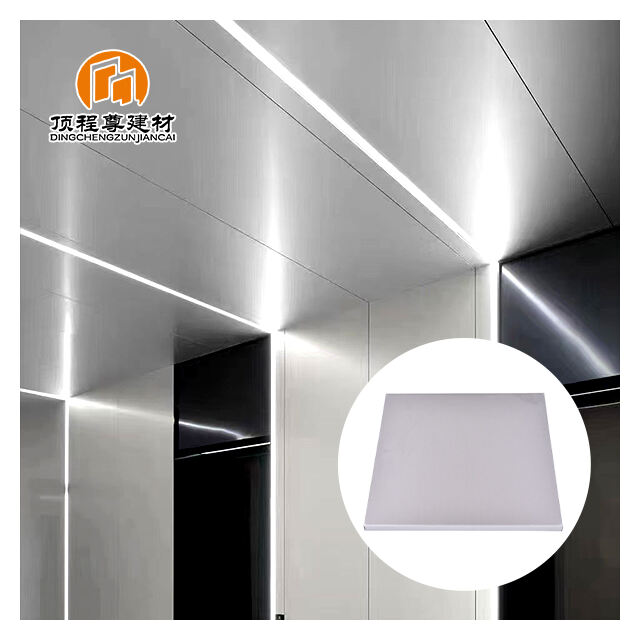
Modern commercial spaces demand innovative solutions that balance functionality with aesthetic appeal, and a grid ceiling system has emerged as one of the most effective approaches to achieving this balance. These sophisticated suspended ceiling frameworks provide architects and designers with unprecedented flexibility in creating dynamic interior environments while maintaining practical accessibility to building utilities. The implementation of a grid ceiling system transforms ordinary commercial spaces into professional environments that reflect contemporary design standards and operational efficiency.
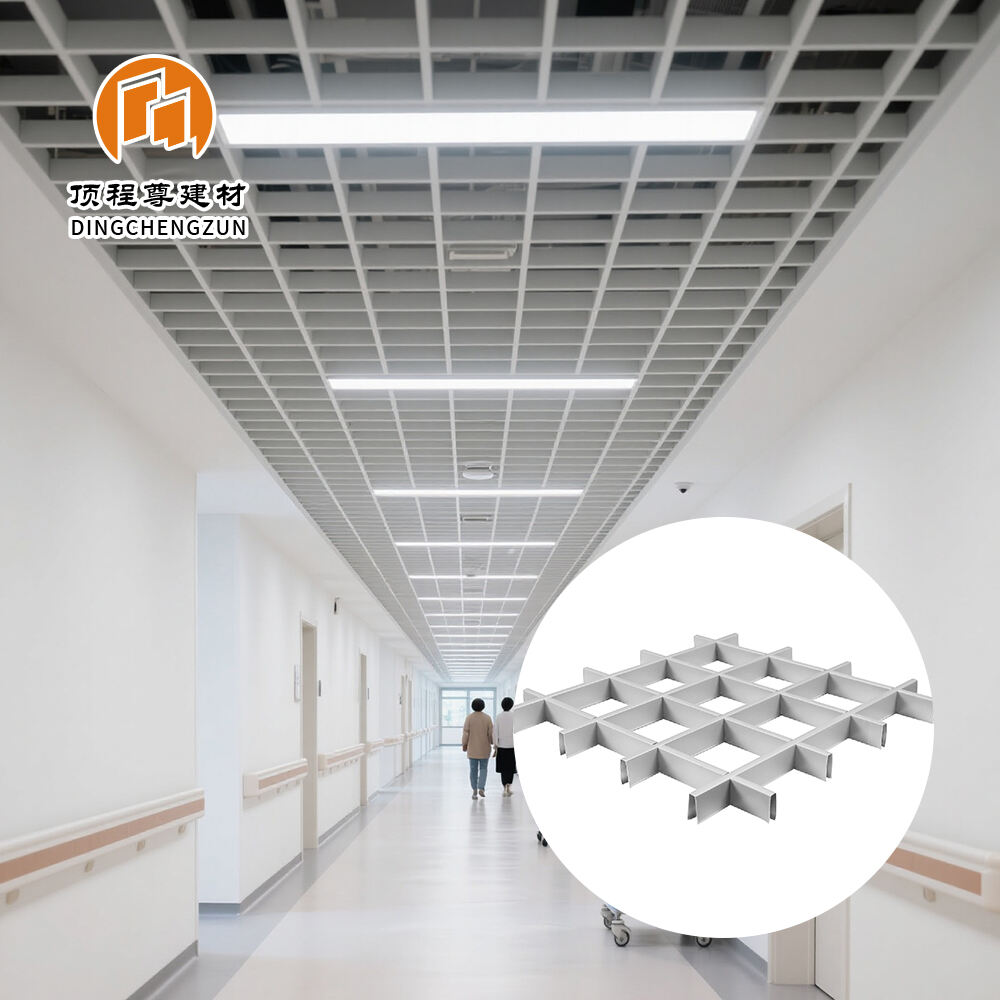
Commercial interior design has evolved significantly over the past decade, with property owners and tenants increasingly recognizing the impact of ceiling systems on overall space perception and functionality. A well-designed grid ceiling system serves as the foundation for creating visually appealing environments while concealing essential building infrastructure such as HVAC ducts, electrical conduits, and plumbing systems. This dual functionality makes these systems indispensable in modern commercial construction and renovation projects.
Enhanced Acoustic Performance in Commercial Environments
Sound Absorption and Noise Control
The acoustic benefits of implementing a grid ceiling system extend far beyond simple noise reduction, creating environments that enhance productivity and comfort for occupants. These systems incorporate specialized acoustic tiles and panels that effectively absorb sound waves, reducing reverberation and echo in large commercial spaces. The strategic placement of sound-absorbing materials within the grid framework creates optimal acoustic conditions for various commercial applications, from open offices to retail establishments.
Professional acoustic engineers recognize that proper sound management requires more than just installing ceiling tiles. The design of a grid ceiling system allows for precise acoustic tuning through the selection of different tile materials, thicknesses, and perforation patterns. This customization capability enables designers to address specific acoustic challenges while maintaining the visual coherence of the overall ceiling design.
Creating Quiet Zones and Sound Privacy
Modern commercial spaces often require different acoustic zones to accommodate various activities and privacy requirements. A grid ceiling system facilitates the creation of these zones through strategic material selection and installation techniques. High-performance acoustic tiles can be concentrated in areas requiring maximum sound absorption, while standard tiles maintain continuity in less critical zones.
The modular nature of grid ceiling systems allows facility managers to modify acoustic properties as space usage evolves. This adaptability proves invaluable in dynamic commercial environments where space functions may change over time, requiring different acoustic characteristics to maintain optimal working conditions.
Aesthetic Flexibility and Design Integration
Customizable Visual Patterns and Layouts
The visual impact of a grid ceiling system extends far beyond its functional capabilities, offering designers unprecedented opportunities for creative expression and brand integration. The systematic arrangement of ceiling tiles creates clean, organized visual patterns that complement various architectural styles and interior design themes. This geometric precision appeals to modern sensibilities while providing a neutral backdrop that allows other design elements to take prominence.
Contemporary commercial design increasingly emphasizes the importance of cohesive visual narratives throughout interior spaces. A well-planned grid ceiling system contributes to this narrative by establishing consistent proportional relationships and maintaining visual continuity across different areas. The ability to incorporate custom colors, textures, and finishes enables designers to align ceiling treatments with broader branding and aesthetic objectives.
Integration with Lighting and Technology Systems
The integration capabilities of modern grid ceiling systems accommodate sophisticated lighting designs and emerging technology requirements. LED lighting panels, custom luminaires, and smart building sensors can be seamlessly incorporated into the grid framework without compromising the overall design integrity. This integration capability positions grid ceiling systems as essential components in smart building initiatives and sustainable design strategies.
The precise dimensional standards of grid ceiling systems facilitate the integration of various technological components while maintaining consistent visual appearance. This standardization reduces installation complexity and ensures reliable performance of integrated systems over time. The result is a cohesive ceiling solution that supports both current and future technology requirements.
Maintenance Efficiency and Operational Benefits
Easy Access for Building Maintenance
One of the most significant operational advantages of a grid ceiling system lies in its accessibility design, which dramatically simplifies maintenance procedures for building utilities and infrastructure. The removable tile system allows maintenance personnel to access HVAC equipment, electrical systems, and plumbing components without disrupting adjacent ceiling areas or requiring specialized tools. This accessibility translates directly into reduced maintenance costs and minimized disruption to business operations.
Facility managers consistently report substantial time savings when performing routine maintenance tasks in spaces equipped with grid ceiling systems. The modular design enables precise targeting of maintenance activities, allowing technicians to remove only the tiles necessary to access specific components. This surgical approach to maintenance access preserves the integrity of surrounding ceiling areas while enabling efficient completion of necessary work.
Long-term Durability and Component Replacement
The component-based design philosophy of grid ceiling systems contributes significantly to their long-term value proposition through enhanced durability and simplified replacement procedures. Individual ceiling tiles or grid components can be replaced as needed without affecting the entire ceiling system, enabling cost-effective maintenance of aesthetic and functional performance over time. This modularity proves particularly valuable in high-traffic commercial environments where occasional damage or wear is inevitable.
Quality grid ceiling systems demonstrate exceptional longevity when properly maintained, often exceeding two decades of reliable service in typical commercial applications. The ability to refresh specific areas or update individual components allows property owners to maintain contemporary appearances without undertaking complete ceiling renovations. This upgrade capability supports evolving design preferences and changing functional requirements.
Energy Efficiency and Sustainable Design
Thermal Performance and HVAC Integration
Modern grid ceiling systems contribute significantly to building energy efficiency through improved thermal performance and enhanced integration with HVAC systems. The plenum space created above suspended ceilings provides valuable area for ductwork routing while maintaining proper insulation characteristics. Specialized ceiling tiles with enhanced thermal properties can further improve the overall building envelope performance, reducing heating and cooling loads throughout the year.
The strategic design of grid ceiling systems enables optimal air distribution patterns that enhance HVAC efficiency and occupant comfort. Perforated tiles and integrated air diffusers can be positioned precisely to create ideal air circulation patterns while maintaining visual consistency. This coordination between ceiling design and mechanical systems results in improved energy performance and reduced operational costs.
Sustainable Material Options and Environmental Impact
Environmental considerations have become increasingly important in commercial construction, and grid ceiling systems offer numerous opportunities for sustainable design implementation. Many manufacturers now provide ceiling tiles made from recycled materials or renewable resources, supporting LEED certification goals and corporate sustainability initiatives. The long service life and component replaceability of grid ceiling systems further enhance their environmental credentials by reducing waste generation over time.
The manufacturing processes for modern grid ceiling systems increasingly incorporate sustainable practices and materials, reflecting broader industry commitments to environmental responsibility. End-of-life recyclability ensures that ceiling components can be properly processed when eventual replacement becomes necessary, supporting circular economy principles in commercial construction.
Cost-effectiveness and Return on Investment
Initial Installation Efficiency
The installation process for grid ceiling systems demonstrates remarkable efficiency compared to traditional ceiling construction methods, resulting in significant time and labor cost savings during initial construction or renovation projects. The systematic approach to installation reduces complexity while ensuring consistent quality across large commercial spaces. Professional installation teams can achieve impressive coverage rates without sacrificing attention to detail or precision.
The standardized components and installation procedures associated with grid ceiling systems minimize the potential for costly errors or delays during construction. This predictability enables more accurate project scheduling and budget management, factors that prove crucial in commercial construction where time constraints and cost control remain paramount concerns.
Long-term Value and Asset Enhancement
Property owners consistently recognize the positive impact of quality grid ceiling systems on asset values and tenant satisfaction ratings. The professional appearance and functional benefits associated with these systems contribute to higher lease rates and improved tenant retention in competitive commercial markets. The ability to easily modify or update ceiling configurations supports changing tenant requirements without major renovation expenses.
The comprehensive benefits of grid ceiling systems extend beyond immediate cost considerations to encompass long-term operational advantages and asset appreciation. These systems support property repositioning strategies and enable responsive management of changing market conditions, factors that prove increasingly valuable in dynamic commercial real estate environments.
FAQ
What maintenance is required for grid ceiling systems in commercial spaces
Regular maintenance of grid ceiling systems primarily involves periodic cleaning of tiles and inspection of grid components for proper alignment and security. Most systems require minimal maintenance beyond occasional tile replacement due to damage or wear. The accessibility design allows maintenance personnel to address issues quickly without disrupting surrounding ceiling areas, making routine upkeep both efficient and cost-effective.
How do grid ceiling systems compare to traditional drywall ceilings in terms of cost
While initial installation costs for grid ceiling systems may be slightly higher than basic drywall construction, the long-term value proposition strongly favors grid systems due to reduced maintenance costs, easier access to building utilities, and component replaceability. The ability to modify configurations without major renovation expenses provides additional cost advantages over the system lifecycle, particularly in dynamic commercial environments.
Can grid ceiling systems accommodate different lighting requirements and smart building technologies
Modern grid ceiling systems offer excellent integration capabilities for various lighting solutions and smart building technologies. The standardized grid framework accommodates LED lighting panels, custom luminaires, sensors, and other technological components while maintaining visual consistency. This integration capability supports both current lighting requirements and future technology upgrades without requiring ceiling system replacement.
What acoustic performance can be expected from professional-grade grid ceiling systems
Professional-grade grid ceiling systems can achieve significant acoustic improvements through the strategic selection and placement of sound-absorbing tiles and panels. These systems typically provide noise reduction coefficients ranging from 0.50 to 0.95, depending on tile specifications and installation configuration. The modular design allows for targeted acoustic treatment in specific areas while maintaining overall design coherence throughout commercial spaces.
Table of Contents
- Enhanced Acoustic Performance in Commercial Environments
- Aesthetic Flexibility and Design Integration
- Maintenance Efficiency and Operational Benefits
- Energy Efficiency and Sustainable Design
- Cost-effectiveness and Return on Investment
-
FAQ
- What maintenance is required for grid ceiling systems in commercial spaces
- How do grid ceiling systems compare to traditional drywall ceilings in terms of cost
- Can grid ceiling systems accommodate different lighting requirements and smart building technologies
- What acoustic performance can be expected from professional-grade grid ceiling systems