 EN
EN


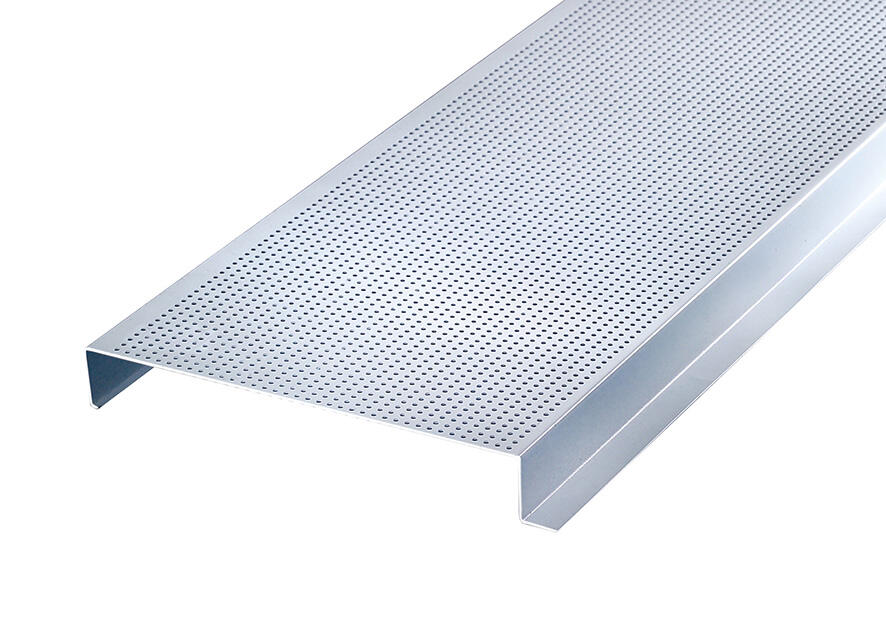
Modern commercial spaces demand ceiling solutions that combine functionality, aesthetics, and cost-effectiveness. Grid ceiling systems have emerged as the preferred choice for architects, designers, and project managers working on office buildings, retail spaces, and commercial facilities. These versatile ceiling frameworks offer unparalleled flexibility in accommodating various building systems while maintaining a clean, professional appearance that enhances any commercial environment.
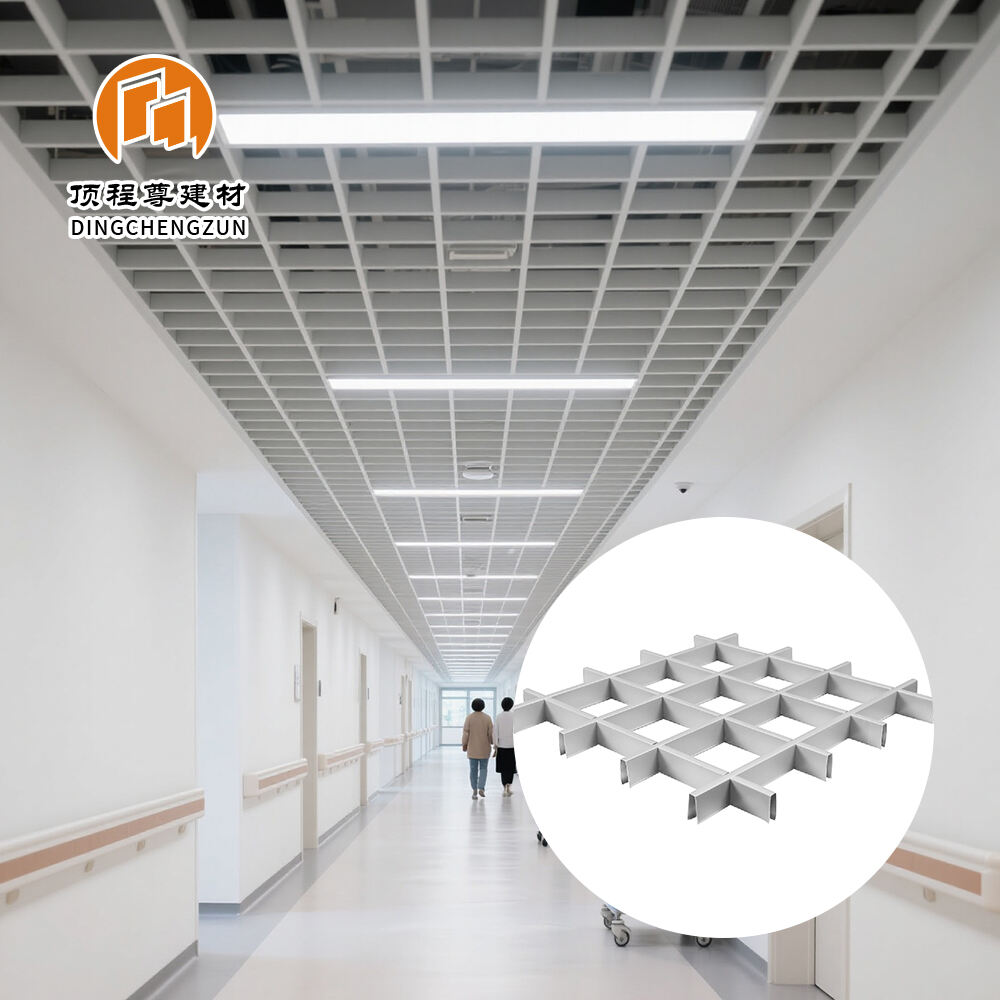
The growing popularity of grid ceiling systems stems from their ability to address multiple design challenges simultaneously. Unlike traditional solid ceiling installations, these modular systems provide easy access to mechanical, electrical, and plumbing systems housed above the ceiling plane. This accessibility translates to reduced maintenance costs and simplified building operations throughout the facility's lifecycle.
Commercial property owners increasingly recognize that grid ceiling systems represent a smart long-term investment. The initial installation cost is often offset by the system's durability, low maintenance requirements, and ability to accommodate future building modifications without major reconstruction. These factors make grid ceiling systems particularly attractive for dynamic business environments where flexibility and adaptability are essential.
Design Flexibility and Aesthetic Appeal
Customizable Grid Patterns
Grid ceiling systems offer remarkable design flexibility through various grid configurations and cell sizes. Architects can create striking visual effects by selecting different grid patterns that complement the overall interior design scheme. Standard grid configurations include square cells, rectangular modules, and custom geometric patterns that can be tailored to specific project requirements.
The modular nature of grid ceiling systems allows designers to incorporate different materials and finishes within the same ceiling plane. This capability enables the creation of dynamic ceiling designs that can define different functional zones within large commercial spaces. Retail environments particularly benefit from this flexibility, as different grid configurations can help guide customer flow and create distinct shopping zones.
Modern grid ceiling systems are available in numerous finish options, from standard white and black to custom colors and metallic finishes. Some systems feature powder-coated surfaces that resist wear and maintain their appearance over time. This variety ensures that grid ceiling systems can seamlessly integrate with any design aesthetic, from minimalist contemporary to bold industrial themes.
Integration with Lighting Systems
The open cell design of grid ceiling systems provides exceptional compatibility with various lighting technologies. LED strip lights can be easily integrated into the grid framework, creating uniform illumination while maintaining the ceiling's clean lines. This integration eliminates the need for separate lighting fixtures that might compromise the ceiling's aesthetic appeal.
Accent lighting becomes particularly effective when combined with grid ceiling systems. Designers can strategically position LED modules within specific grid cells to highlight architectural features, artwork, or merchandise displays. This targeted lighting approach is especially valuable in retail environments where product presentation is crucial for sales success.
The accessibility provided by grid ceiling systems simplifies lighting maintenance and upgrades. Facility managers can easily replace LED modules or modify lighting configurations without disrupting daily operations. This operational flexibility makes grid ceiling systems ideal for businesses that frequently update their lighting to reflect seasonal changes or new branding initiatives.
Functional Advantages in Commercial Applications
HVAC System Integration
Grid ceiling systems excel at accommodating complex HVAC installations while maintaining optimal air distribution throughout commercial spaces. The open grid design allows for strategic placement of air supply and return vents without compromising the ceiling's visual continuity. This integration capability is essential in modern office buildings where climate control systems must operate efficiently while remaining aesthetically pleasing.
The accessibility provided by grid ceiling systems enables HVAC technicians to perform routine maintenance and system modifications with minimal disruption to building occupants. Ductwork, sensors, and control systems remain easily accessible through the grid openings, reducing service costs and downtime. This operational advantage makes grid ceiling systems particularly valuable for businesses that cannot afford extended service interruptions.
Advanced HVAC technologies, such as variable air volume systems and smart climate controls, integrate seamlessly with grid ceiling systems. The modular nature of these ceiling systems allows for precise positioning of sensors and control devices throughout the space. This integration supports energy-efficient building operations and helps facilities achieve sustainability certifications like LEED or BREEAM.
Acoustic Performance and Sound Management
Sound management is a critical consideration in commercial spaces, and grid ceiling systems provide effective acoustic solutions without sacrificing design flexibility. The open cell configuration allows for strategic placement of acoustic materials and sound-absorbing panels within the grid framework. This approach enables precise control over reverberation times and noise levels in different areas of the facility.
Grid ceiling systems can incorporate various acoustic treatments, from traditional fiberglass panels to advanced acoustic foam and fabric-wrapped absorbers. The modular design allows facility managers to adjust acoustic properties as space usage evolves. Open office environments particularly benefit from this flexibility, as acoustic requirements may change when workstation configurations are modified.
The structural design of grid ceiling systems also contributes to sound isolation between floors in multi-story buildings. When properly installed with appropriate sealing materials, these systems can achieve significant sound transmission class ratings. This performance is essential in mixed-use buildings where noise control between different tenant spaces is crucial for occupant satisfaction.
Installation Efficiency and Cost Effectiveness
Streamlined Installation Process
The installation process for grid ceiling systems is significantly more efficient than traditional ceiling construction methods. The modular components are manufactured to precise specifications, ensuring consistent fit and alignment during installation. This precision reduces field adjustment time and minimizes installation errors that could compromise the system's performance or appearance.
Grid ceiling systems require minimal specialized equipment for installation, making them accessible to a wide range of contractors and installation teams. The lightweight components can be handled safely by standard construction crews, reducing the need for heavy lifting equipment or specialized installation techniques. This accessibility often translates to competitive pricing and shorter project timelines.
The systematic installation approach for grid ceiling systems allows multiple trades to work efficiently in the same space. Electrical, HVAC, and other systems can be installed concurrently with the ceiling grid, optimizing project schedules and reducing overall construction time. This coordination capability is particularly valuable in fast-track construction projects where schedule compression is essential.
Long-term Economic Benefits
While the initial cost of grid ceiling systems may be comparable to other ceiling options, the long-term economic benefits make them an attractive investment for commercial property owners. The durability of quality grid ceiling systems ensures many years of service with minimal maintenance requirements. Aluminum and steel grid systems are particularly resistant to corrosion, sagging, and other common ceiling problems.
The accessibility provided by grid ceiling systems reduces ongoing maintenance costs throughout the building's operational life. Service technicians can quickly access building systems without damaging ceiling materials or requiring extensive setup procedures. This efficiency translates to lower service costs and reduced downtime for building occupants.
Grid ceiling systems also provide excellent value retention for commercial properties. The professional appearance and functional benefits of these systems are recognized by tenants and property evaluators. Buildings with well-designed grid ceiling systems often command higher rental rates and maintain their market value more effectively than properties with less sophisticated ceiling solutions.
Sustainability and Environmental Considerations
Material Recyclability and Environmental Impact
Modern grid ceiling systems are manufactured using environmentally responsible materials and processes that support sustainable building practices. Aluminum grid systems are particularly noteworthy for their high recyclability content and ability to be recycled at the end of their service life. This circular approach to material usage aligns with contemporary environmental standards and green building certification requirements.
The manufacturing process for quality grid ceiling systems incorporates recycled materials wherever possible, reducing the environmental impact of new construction projects. Many manufacturers have achieved significant reductions in energy consumption and waste generation through improved production techniques and material optimization. These environmental improvements make grid ceiling systems an attractive choice for projects pursuing sustainability certifications.
The longevity of grid ceiling systems contributes to their overall environmental performance by reducing replacement frequency and associated material consumption. Durable systems that maintain their performance and appearance for decades minimize the lifecycle environmental impact of commercial buildings. This sustainability aspect is increasingly important for corporations with environmental responsibility commitments.
Energy Efficiency and Building Performance
Grid ceiling systems contribute to improved building energy efficiency through their compatibility with advanced lighting and HVAC technologies. The integration of LED lighting systems within the grid framework can significantly reduce electrical consumption compared to traditional fluorescent installations. The accessibility of these systems also facilitates regular maintenance that maintains optimal performance levels.
The thermal performance of grid ceiling systems can be enhanced through the strategic use of insulation materials and thermal barriers. These enhancements help maintain consistent interior temperatures while reducing HVAC system workload. The modular nature of grid ceiling systems allows for targeted thermal improvements in specific areas where heat gain or loss is problematic.
Building automation systems integrate effectively with grid ceiling systems, enabling sophisticated environmental control strategies that optimize energy consumption. Sensors and control devices can be strategically positioned throughout the grid to monitor and adjust lighting, temperature, and air quality parameters. This integration supports smart building technologies that automatically optimize energy usage based on occupancy patterns and environmental conditions.
Market Trends and Future Developments
Technological Integration and Smart Building Features
The evolution of grid ceiling systems continues to incorporate emerging technologies that enhance their functionality and value proposition. Smart sensors integrated into grid frameworks can monitor air quality, occupancy levels, and environmental conditions in real-time. This data collection capability supports intelligent building management systems that optimize comfort while minimizing energy consumption.
Wireless communication technologies are increasingly integrated into grid ceiling systems, creating infrastructure for building-wide networks and Internet of Things applications. This integration eliminates the need for separate network cabling while providing robust connectivity throughout commercial spaces. The accessibility of grid ceiling systems simplifies network maintenance and upgrades as technology standards evolve.
Future developments in grid ceiling systems are likely to incorporate advanced materials and manufacturing techniques that further improve performance and sustainability. Nanotechnology applications may enhance acoustic properties, while bio-based materials could reduce environmental impact. These innovations will continue to expand the applications and benefits of grid ceiling systems in commercial construction.
Design Innovation and Aesthetic Evolution
Contemporary design trends are driving innovation in grid ceiling systems, with manufacturers developing new profiles, finishes, and integration capabilities. Curved grid elements allow for more organic ceiling designs that break away from traditional rectilinear patterns. These design innovations expand the creative possibilities for architects while maintaining the functional advantages of grid ceiling systems.
The integration of digital display technologies within grid ceiling systems represents an emerging trend that could transform commercial space design. LED panels and projection systems can be incorporated into grid frameworks to create dynamic ceiling displays for advertising, wayfinding, or ambient lighting effects. This capability is particularly valuable in retail and hospitality environments where visual impact drives customer engagement.
Customization capabilities continue to expand as manufacturers develop more flexible grid ceiling systems that can accommodate unique design requirements. Computer-aided design tools enable architects to visualize and specify complex grid patterns that were previously impractical to manufacture or install. This design freedom allows grid ceiling systems to serve as distinctive architectural features rather than purely functional elements.
FAQ
What are the main advantages of grid ceiling systems over traditional suspended ceilings
Grid ceiling systems provide superior accessibility to building systems, enhanced design flexibility, and easier maintenance compared to traditional suspended ceilings. The open grid design allows for better integration of HVAC, lighting, and technology systems while maintaining a clean, professional appearance. Additionally, grid ceiling systems offer better long-term value through their durability and adaptability to changing building requirements.
How do grid ceiling systems perform in terms of fire safety and building codes
Quality grid ceiling systems are manufactured to meet or exceed fire safety standards and building code requirements for commercial applications. Aluminum and steel grid materials are non-combustible and can contribute to overall building fire resistance ratings when properly installed. The open design of grid ceiling systems also facilitates sprinkler system integration and smoke management, supporting comprehensive fire safety strategies.
Can grid ceiling systems accommodate heavy equipment or fixtures
Grid ceiling systems can support various equipment and fixtures when properly engineered and installed with appropriate structural support. Heavy items such as large light fixtures, speakers, or technology equipment may require additional structural connections to the building framework rather than relying solely on the grid system. Professional engineering assessment is recommended for installations involving significant loads.
What maintenance requirements do grid ceiling systems have over time
Grid ceiling systems require minimal maintenance beyond regular cleaning and occasional inspection of connections and mounting points. The accessibility provided by the open grid design actually reduces maintenance requirements for building systems housed above the ceiling. Periodic cleaning with standard commercial cleaning methods maintains the appearance of grid ceiling systems, while the durable materials resist wear and environmental degradation over many years of service.
Table of Contents
- Design Flexibility and Aesthetic Appeal
- Functional Advantages in Commercial Applications
- Installation Efficiency and Cost Effectiveness
- Sustainability and Environmental Considerations
- Market Trends and Future Developments
-
FAQ
- What are the main advantages of grid ceiling systems over traditional suspended ceilings
- How do grid ceiling systems perform in terms of fire safety and building codes
- Can grid ceiling systems accommodate heavy equipment or fixtures
- What maintenance requirements do grid ceiling systems have over time