
 EN
EN

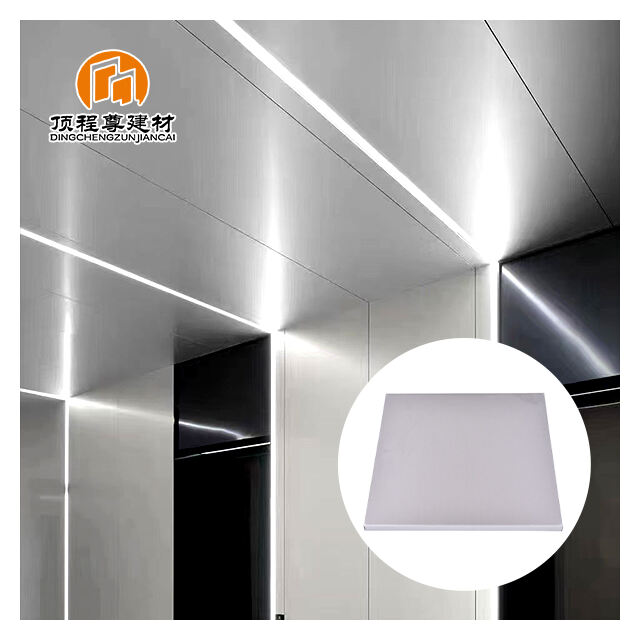
Metal ceiling panels have revolutionized commercial and residential interior design by offering unparalleled versatility in styles and finishes. These sophisticated architectural elements combine durability with aesthetic appeal, making them an ideal choice for spaces requiring both functionality and visual impact. The extensive range of available options allows designers and architects to create customized solutions that meet specific project requirements while maintaining superior performance standards.
Modern manufacturing techniques have expanded the possibilities for metal ceiling panel customization, enabling intricate patterns, textures, and color variations that were previously unattainable. From sleek contemporary designs to traditional motifs, these panels serve diverse architectural styles while providing essential benefits such as acoustic control, fire resistance, and easy maintenance. Understanding the full spectrum of available styles and finishes helps professionals make informed decisions that enhance both the aesthetic and functional aspects of their projects.
Surface Texture Variations
Smooth and Polished Finishes
Smooth metal ceiling panels represent the epitome of modern minimalism, offering clean lines and uninterrupted surfaces that reflect light beautifully. These finishes are particularly effective in contemporary office environments, retail spaces, and residential areas where a sleek, professional appearance is desired. The mirror-like quality of polished surfaces can significantly enhance natural lighting while creating an illusion of expanded space.
High-gloss polished finishes require precise manufacturing processes to eliminate imperfections and achieve consistent reflectivity across entire installations. These surfaces are relatively easy to clean and maintain, making them practical choices for healthcare facilities, food service areas, and other environments where hygiene is paramount. However, they may show fingerprints and water spots more readily than textured alternatives.
Textured and Embossed Patterns
Textured metal ceiling panels add visual interest and depth to interior spaces through various embossed patterns and surface treatments. Popular textures include hammered, brushed, perforated, and geometric designs that create shadow play and dimensional effects under different lighting conditions. These treatments not only enhance aesthetic appeal but also help minimize the visibility of minor scratches and wear over time.
Embossed patterns range from subtle linear striations to bold geometric motifs, allowing designers to create focal points or maintain consistent themes throughout large installations. The texture selection process should consider the intended viewing distance, lighting design, and overall architectural context to achieve optimal visual impact. Many textured options also provide improved acoustic properties compared to smooth surfaces.
Color and Coating Options
Metallic and Natural Metal Finishes
Traditional metallic finishes showcase the inherent beauty of aluminum, steel, copper, and other metals used in ceiling panel construction. These natural appearances range from bright silver aluminum to warm copper tones and industrial steel gray, each offering unique characteristics that complement different design philosophies. Brushed metal finishes provide subtle directional patterns that add sophistication without overwhelming the space.
Anodized aluminum finishes offer enhanced durability and color consistency while maintaining the authentic metal appearance. This electrochemical process creates a protective oxide layer that resists corrosion and fading, making it suitable for both interior and covered exterior applications. The anodizing process can also introduce subtle color variations, from champagne and bronze to deep architectural bronze tones.
Powder-Coated Color Systems
Powder coating technology enables virtually unlimited color possibilities for metal ceiling panels, from standard RAL and Pantone colors to custom-matched specifications. This finish system provides exceptional durability, scratch resistance, and color retention compared to traditional wet paint applications. The powder coating process also offers environmental benefits through reduced volatile organic compound emissions.
Specialized powder coating formulations include anti-microbial properties for healthcare applications, high-temperature resistance for industrial environments, and enhanced UV protection for areas with significant natural light exposure. Texture additives can be incorporated into powder coatings to create unique surface effects, combining color customization with tactile variety.
Architectural Design Styles
Contemporary and Modern Aesthetics
Contemporary metal ceiling panel designs emphasize clean geometry, minimal ornamentation, and sophisticated material interactions. These styles often feature large format panels with precise edge details, creating seamless installations that complement modern architectural elements. The focus remains on material authenticity and functional beauty rather than decorative embellishment.
Integrated lighting solutions work particularly well with contemporary metal ceiling systems, allowing for uniform illumination while maintaining the ceiling's visual continuity. Hidden suspension systems and precisely aligned joints contribute to the overall minimalist aesthetic. Color palettes typically favor neutral tones, metallics, and monochromatic schemes that support the architectural framework without competing for attention.
Traditional and Classical Influences
Traditional metal ceiling panel styles draw inspiration from historical architectural periods, incorporating classical motifs, ornate patterns, and rich finish treatments. These designs often feature pressed metal techniques that replicate the appearance of carved plaster or wood coffered ceilings while providing the practical benefits of metal construction. Victorian, Art Deco, and Colonial revival styles remain popular choices for restoration projects and traditional architectural contexts.
Patina and aged finishes help metal ceiling panels achieve authentic period appearances, with specialized coating techniques that simulate natural weathering and oxidation processes. These treatments require careful application to ensure consistent aging effects across large installations. Traditional color schemes often incorporate warm metallics, deep earth tones, and rich jewel colors that complement period-appropriate design elements.
Specialized Functional Finishes
Acoustic Performance Enhancements
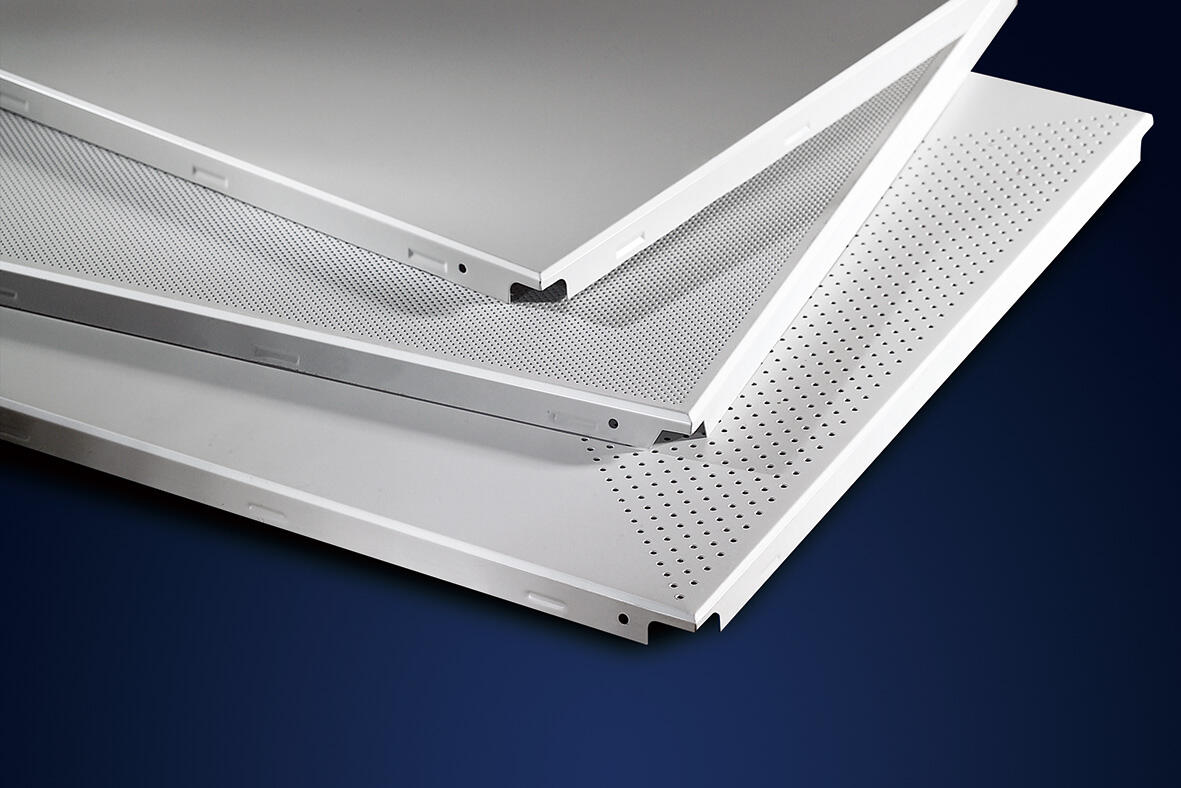
Acoustic metal ceiling panels incorporate perforated patterns, micro-perforations, or specialized backing materials to control sound reflection and absorption within interior spaces. These functional finishes address noise control requirements while maintaining aesthetic flexibility through various perforation patterns and sizes. The acoustic properties can be precisely engineered to meet specific sound criteria for different applications.
Perforated metal ceiling panels offer excellent sound absorption when combined with appropriate backing materials, making them ideal for conference rooms, auditoriums, and open office environments. The perforation patterns can be subtle micro-holes that are barely visible or bold geometric patterns that become prominent design features. Acoustic performance data should be carefully evaluated against aesthetic preferences to achieve optimal results.
Antimicrobial and Hygienic Treatments
Specialized antimicrobial coatings for metal ceiling panels provide continuous protection against bacteria, viruses, and fungi, making them essential for healthcare facilities, food processing areas, and educational environments. These treatments are typically integrated into the finish system during manufacturing, ensuring long-term effectiveness without compromising appearance or durability.
Silver ion technology and copper-based antimicrobial agents are commonly used in these applications, with proven effectiveness against a broad spectrum of microorganisms. The treatments maintain their antimicrobial properties throughout the panel's service life, even with regular cleaning and maintenance. These specialized finishes often carry relevant certifications and testing documentation to support their use in critical applications.
Installation Considerations and Compatibility
Suspension System Integration
The choice of metal ceiling panel styles and finishes must be coordinated with appropriate suspension systems to ensure proper installation and long-term performance. Different panel weights, thermal expansion characteristics, and edge details require specific suspension hardware and installation techniques. Concealed grid systems work well with smooth, contemporary panels, while exposed grid systems can complement traditional or industrial design themes.
Thermal movement considerations become particularly important with metal ceiling panels due to their material properties and potential temperature variations within the installation environment. Proper expansion joint placement and suspension system flexibility prevent buckling, warping, or finish damage over time. Professional installation techniques ensure that the selected finishes maintain their intended appearance throughout the system's service life.
Maintenance and Longevity Factors
Different metal ceiling panel finishes require varying maintenance approaches to preserve their appearance and performance characteristics. Smooth, polished surfaces may need frequent cleaning to maintain their reflective properties, while textured finishes can better conceal minor soiling and wear. Understanding these maintenance requirements helps inform finish selection based on available resources and performance expectations.
Protective coatings and specialized treatments can significantly extend the service life of metal ceiling panels, particularly in challenging environments with high humidity, temperature fluctuations, or chemical exposure. Regular inspection and maintenance programs help identify potential issues before they affect the overall installation. Replacement panels should be specified with identical finishes to maintain visual consistency over time.
FAQ
How do different metal ceiling panel finishes affect lighting in a space
The finish of metal ceiling panels significantly impacts how light behaves within a space, with reflective surfaces like polished aluminum and high-gloss coatings enhancing natural and artificial lighting by bouncing light throughout the room. Textured and matte finishes absorb more light and create softer, more diffused illumination that reduces glare and harsh shadows. Perforated panels with acoustic backing materials tend to absorb both light and sound, creating more intimate lighting conditions while improving acoustic comfort.
What factors should be considered when selecting colors for metal ceiling panels
Color selection for metal ceiling panels should consider the space's primary function, natural lighting conditions, overall design scheme, and maintenance requirements. Lighter colors reflect more light and can make spaces appear larger, while darker colors create more intimate atmospheres but may require additional artificial lighting. The building's HVAC system capacity should also be considered, as darker colors absorb more heat from lighting systems, potentially increasing cooling loads.
How do specialized finishes like antimicrobial coatings affect the appearance of metal ceiling panels
Modern antimicrobial coatings for metal ceiling panels are designed to be virtually invisible, maintaining the intended color and finish appearance while providing continuous protection against microorganisms. These treatments are typically integrated into the base coating system during manufacturing, so they don't alter the panel's visual characteristics or require special maintenance procedures. Some antimicrobial treatments may provide a subtle enhancement to the finish's durability and cleanability without changing its aesthetic properties.
Can different metal ceiling panel styles and finishes be mixed within the same installation
Mixing different styles and finishes of metal ceiling panels within the same installation is possible and can create interesting design effects, but it requires careful planning to ensure visual harmony and proper system integration. Transitions between different panel types should be architecturally intentional rather than appearing random, often using grid lines or architectural features as natural boundaries. All panels within the same installation should be compatible with the chosen suspension system and have similar thermal expansion characteristics to prevent performance issues.
Table of Contents
- Surface Texture Variations
- Color and Coating Options
- Architectural Design Styles
- Specialized Functional Finishes
- Installation Considerations and Compatibility
-
FAQ
- How do different metal ceiling panel finishes affect lighting in a space
- What factors should be considered when selecting colors for metal ceiling panels
- How do specialized finishes like antimicrobial coatings affect the appearance of metal ceiling panels
- Can different metal ceiling panel styles and finishes be mixed within the same installation