 EN
EN


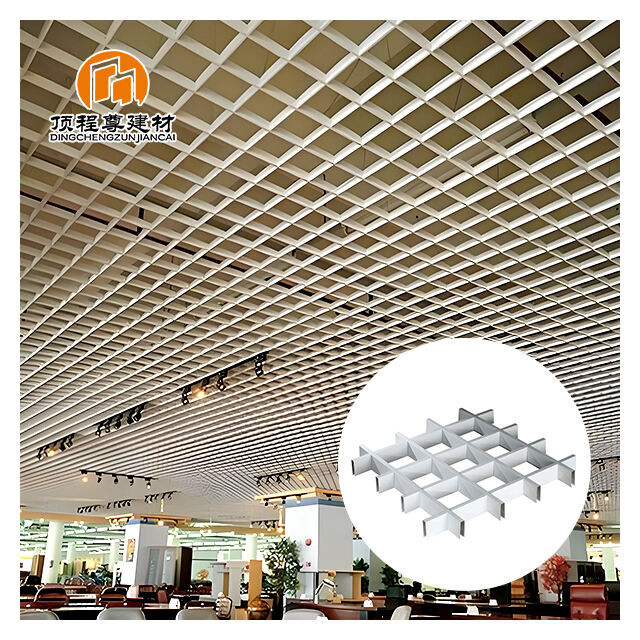
Metal ceilings have emerged as a leading architectural solution for enhancing building safety and fire resistance in commercial and industrial environments. Modern construction standards increasingly prioritize fire safety measures, making fireproof aluminum metal ceiling tiles an essential component in contemporary building design. These advanced ceiling systems offer superior protection against fire hazards while maintaining aesthetic appeal and structural integrity. The integration of metal ceiling technology represents a significant advancement in passive fire protection systems, providing building owners and occupants with enhanced safety measures that comply with stringent fire safety regulations.
Understanding Fire Resistance in Metal Ceiling Systems
Material Properties and Fire Performance
Aluminum metal ceiling systems demonstrate exceptional fire resistance properties due to their inherent material characteristics. Unlike organic materials that combust and contribute to fire spread, aluminum maintains structural stability at elevated temperatures while preventing flame propagation. The melting point of aluminum exceeds 660 degrees Celsius, providing substantial time for evacuation and fire suppression activities. These properties make fireproof aluminum metal ceiling tiles particularly effective in containing fires within their origin zones, preventing vertical fire spread through ceiling spaces.
The thermal conductivity of aluminum also plays a crucial role in fire safety performance. Heat dissipation occurs rapidly across the metal surface, reducing localized temperature concentrations that could lead to structural failure. This characteristic allows metal ceiling systems to maintain their protective barrier function longer than conventional ceiling materials during fire events. Additionally, aluminum does not release toxic gases when exposed to high temperatures, unlike many synthetic ceiling materials that can produce dangerous fumes during combustion.
Fire Rating Classifications
Professional fire rating systems evaluate ceiling materials based on their resistance to flame spread, smoke development, and structural integrity under fire conditions. Metal ceiling systems typically achieve Class A fire ratings, the highest classification available for building materials. This rating indicates minimal flame spread and smoke production, critical factors in maintaining safe evacuation routes during emergencies. Testing protocols subject materials to standardized fire exposure conditions, measuring their performance across multiple safety parameters.
Certification processes involve rigorous testing procedures that evaluate material performance under various fire scenarios. Independent testing laboratories conduct these assessments according to established industry standards, ensuring reliable performance data for architects and building officials. The documentation provided with certified fireproof aluminum metal ceiling tiles includes detailed performance specifications, installation requirements, and maintenance guidelines necessary for maintaining fire safety compliance throughout the building lifecycle.
Installation Advantages for Fire Safety
Proper Installation Techniques
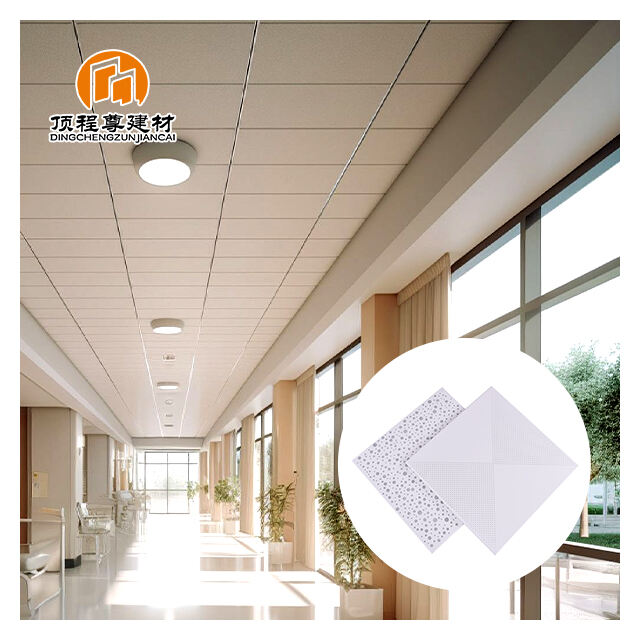
Installation methodology significantly impacts the fire safety performance of metal ceiling systems. Professional installation ensures proper sealing of joints and connections, preventing fire and smoke penetration through ceiling assemblies. Specialized fastening systems designed for metal ceilings provide secure attachment while maintaining thermal expansion capabilities necessary for fire conditions. These installation methods create continuous fire barriers that effectively compartmentalize building spaces during emergency situations.
Quality installation practices also address integration with other fire safety systems, including sprinkler systems, smoke detectors, and ventilation controls. Proper coordination between ceiling installation and these systems ensures optimal fire safety performance without compromising the effectiveness of individual components. Installation teams trained in fire safety requirements understand the critical importance of maintaining system integrity throughout the construction process.
Maintenance and Inspection Protocols
Regular maintenance programs ensure continued fire safety performance of metal ceiling systems throughout their operational life. Inspection schedules identify potential issues that could compromise fire resistance, including loose fasteners, damaged panels, or compromised sealing systems. Professional maintenance teams possess the expertise necessary to address these issues promptly, maintaining the protective capabilities of fireproof aluminum metal ceiling tiles according to manufacturer specifications.
Documentation of maintenance activities provides building owners with comprehensive records demonstrating compliance with fire safety regulations. These records become essential during building inspections, insurance evaluations, and regulatory compliance audits. Systematic maintenance approaches also extend the operational life of ceiling systems, providing long-term value while maintaining critical safety functions.
Comparative Analysis with Traditional Ceiling Materials
Performance Under Fire Conditions
Comparative studies demonstrate significant performance advantages of metal ceiling systems over traditional materials during fire events. Gypsum-based ceiling systems, while providing some fire resistance, can experience structural failure when exposed to intense heat and moisture from fire suppression systems. Acoustic tile ceilings composed of organic materials contribute to fire spread and produce toxic smoke that complicates evacuation efforts. Metal ceiling systems maintain structural integrity and provide consistent fire barrier performance throughout emergency situations.
Fire testing data reveals substantial differences in flame spread rates between material types. Metal ceilings demonstrate virtually zero flame spread characteristics, while many traditional materials exhibit varying degrees of combustibility. This performance difference translates directly into improved safety outcomes for building occupants, providing additional time for evacuation and reducing property damage during fire events.
Long-term Safety Benefits
Long-term safety benefits of metal ceiling systems extend beyond immediate fire resistance performance. These systems do not degrade over time like organic materials, maintaining consistent fire safety properties throughout their operational life. Environmental factors such as humidity, temperature fluctuations, and air quality do not compromise the fire resistance capabilities of fireproof aluminum metal ceiling tiles, ensuring reliable protection year after year.
Cost-benefit analysis demonstrates the economic advantages of investing in high-performance fire safety systems. While initial installation costs may exceed traditional materials, the long-term benefits include reduced insurance premiums, lower maintenance costs, and enhanced property values. These financial advantages, combined with superior safety performance, make metal ceiling systems an intelligent investment for building owners prioritizing fire safety.
Industry Applications and Case Studies
Commercial Building Implementation
Commercial buildings present unique fire safety challenges due to high occupancy levels and complex architectural designs. Metal ceiling systems address these challenges by providing consistent fire protection across large spaces while accommodating building services integration. Office buildings, retail centers, and hospitality facilities benefit from the superior fire resistance properties of aluminum ceiling systems, creating safer environments for occupants and visitors.
Case studies from commercial installations demonstrate measurable improvements in fire safety performance following metal ceiling system implementation. Building owners report enhanced insurance ratings, improved regulatory compliance, and increased tenant satisfaction related to safety features. These real-world examples provide compelling evidence of the practical benefits achieved through strategic fire safety investments.
Industrial and Healthcare Facilities
Industrial facilities face additional fire safety challenges due to the presence of flammable materials and complex manufacturing processes. Metal ceiling systems provide essential fire containment capabilities that protect personnel and equipment during emergency situations. Healthcare facilities require exceptional fire safety standards to protect vulnerable patients who may have limited mobility during evacuations. Fireproof aluminum metal ceiling tiles meet these demanding requirements while supporting critical building systems integration.
Specialized applications in laboratories, clean rooms, and food processing facilities benefit from the non-combustible properties and easy cleaning capabilities of metal ceiling systems. These environments require materials that do not contribute to contamination while maintaining superior fire safety performance. Metal ceiling systems satisfy both requirements, providing comprehensive solutions for demanding applications.
FAQ
What makes aluminum ceiling tiles more fire-resistant than other materials
Aluminum ceiling tiles achieve superior fire resistance through their non-combustible material properties and high melting point. Unlike organic materials that ignite and spread flames, aluminum does not burn and maintains structural integrity at temperatures exceeding 660 degrees Celsius. This provides crucial time for evacuation and fire suppression while preventing vertical fire spread through ceiling spaces.
How do metal ceiling systems integrate with fire suppression equipment
Metal ceiling systems are designed to accommodate sprinkler systems, smoke detectors, and ventilation controls through specialized mounting hardware and access panels. Professional installation ensures proper sealing around penetrations while maintaining fire barrier integrity. This integration approach preserves the effectiveness of both ceiling fire resistance and active fire suppression systems.
What maintenance is required to preserve fire safety performance
Regular inspections should verify secure panel attachment, proper joint sealing, and absence of damage that could compromise fire resistance. Professional maintenance teams can address any issues promptly to maintain system integrity. Documentation of maintenance activities provides essential records for regulatory compliance and insurance requirements.
Are there specific building codes that require fireproof ceiling materials
Building codes vary by jurisdiction but commonly require fire-resistant ceiling materials in commercial buildings, high-rise structures, and facilities with high occupancy levels. Local building officials provide specific requirements for individual projects, and certified fireproof aluminum metal ceiling tiles typically meet or exceed these standards. Professional consultation ensures compliance with applicable regulations.