
 EN
EN

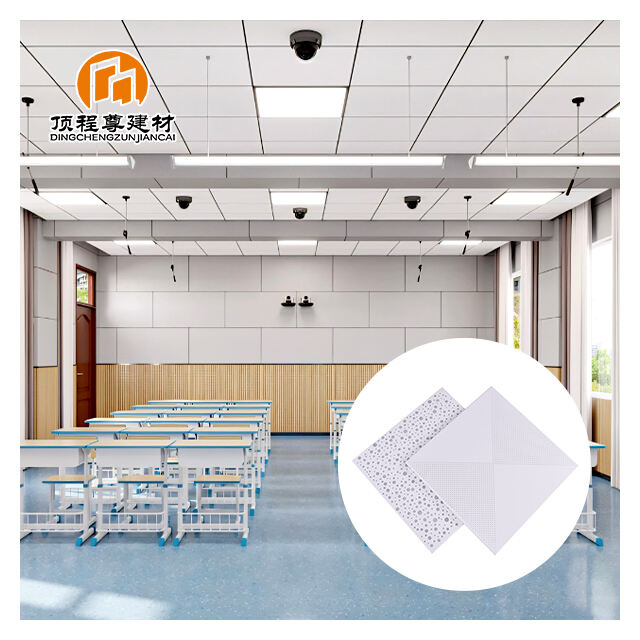
Modern renovation projects increasingly turn to suspended ceiling systems as versatile solutions that combine functionality with aesthetic appeal. These overhead installations have evolved far beyond basic utility applications, now offering sophisticated design options that transform commercial and residential spaces alike. The flexibility and practicality of these systems make them particularly attractive for property owners seeking cost-effective improvements with lasting impact.
Suspended ceiling installations provide immediate solutions to common renovation challenges while opening new possibilities for space enhancement. Property managers and homeowners discover that these systems address multiple concerns simultaneously, from concealing unsightly infrastructure to improving acoustic performance. The strategic implementation of these ceiling solutions creates opportunities for better lighting integration, climate control optimization, and overall space functionality improvements.
Understanding Suspended Ceiling Systems
Basic Components and Structure
Suspended ceiling frameworks consist of metal grid systems that support lightweight panels across room spans. The structural elements include main runners, cross tees, and wall angles that create stable support networks. These components work together to distribute weight evenly while providing accessible frameworks for maintenance activities. The modular nature of these systems allows for easy panel replacement and infrastructure access when needed.
Installation processes involve securing perimeter tracks to walls before inserting grid components that create uniform spacing patterns. Professional installers ensure proper alignment and levelness throughout the framework assembly. The systematic approach to component placement guarantees structural integrity while maintaining visual consistency across large areas. Quality control measures during installation prevent common issues like sagging or misalignment that could compromise performance.
Material Options and Specifications
Contemporary drop ceiling tiles utilize various materials ranging from mineral fiber to metal compositions. Each material type offers distinct advantages regarding durability, moisture resistance, and acoustic properties. Mineral fiber options provide excellent sound absorption while maintaining fire resistance characteristics. Metal alternatives deliver superior moisture tolerance and cleaning convenience for demanding environments.
Dimensional specifications typically follow industry standards with common sizes including 24x24 inches and 24x48 inches for most applications. These standardized dimensions facilitate inventory management and replacement procedures across different project types. Thickness variations accommodate specific performance requirements such as enhanced sound control or thermal insulation. Custom sizing options remain available for specialized applications requiring non-standard measurements.
Installation Advantages for Renovation Projects
Speed and Efficiency Benefits
Renovation timelines benefit significantly from suspended ceiling installations compared to traditional drywall construction methods. Professional teams can complete typical room installations within single working days rather than multi-day processes required for conventional approaches. The elimination of wet materials like joint compound removes drying time requirements that often delay project schedules. Quick installation capabilities make these systems particularly valuable for occupied buildings requiring minimal disruption.
Labor efficiency improvements result from standardized installation procedures that experienced contractors execute rapidly. The systematic nature of grid assembly and panel placement reduces complexity while maintaining quality outcomes. Material handling becomes more manageable with lightweight components that single installers can position safely. These operational advantages contribute to overall project cost reductions through reduced labor hours and shortened completion schedules.
Infrastructure Concealment Solutions
Existing building infrastructure often presents aesthetic challenges during renovation activities, particularly in older structures with exposed mechanical systems. Suspended ceiling installations provide immediate concealment for ductwork, piping, electrical conduits, and structural elements without requiring expensive relocations. The space between original ceilings and new suspended systems accommodates extensive utility runs while maintaining accessibility for future modifications.
Maintenance access remains convenient through removable panel systems that allow technicians to reach concealed infrastructure quickly. This accessibility advantage proves particularly valuable in commercial environments where regular HVAC servicing and electrical maintenance are essential. Property owners avoid costly demolition activities when repairs or upgrades become necessary. The combination of concealment and accessibility makes suspended systems ideal for buildings with complex utility requirements.
Performance and Functional Benefits
Acoustic Enhancement Properties
Sound control capabilities represent significant advantages offered by modern suspended ceiling systems in renovation applications. Specialized drop ceiling tiles incorporate acoustic materials that absorb sound waves while reducing noise transmission between spaces. These performance characteristics prove particularly beneficial in office environments, educational facilities, and healthcare settings where noise control directly impacts occupant comfort and productivity.
Noise Reduction Coefficient ratings quantify acoustic performance levels, helping specifiers select appropriate materials for specific sound control requirements. Higher NRC values indicate superior sound absorption capabilities across frequency ranges commonly encountered in building environments. The combination of absorptive materials and air space above suspended systems creates effective acoustic treatments that rival more expensive specialized installations.
Lighting Integration Capabilities
Modern lighting technologies integrate seamlessly with suspended ceiling systems through dedicated fixture mounting options and panel replacements. LED lighting systems benefit from even heat distribution provided by suspended installations while maintaining easy access for maintenance activities. Troffer-style fixtures fit precisely within standard grid patterns, creating uniform illumination without visible mounting hardware or structural modifications.
Energy efficiency improvements result from optimized lighting placement and enhanced reflectivity characteristics of ceiling surfaces. Light-colored panels increase overall room brightness while reducing fixture requirements for adequate illumination levels. The combination of efficient lighting integration and improved light distribution creates more comfortable environments while reducing operational energy costs. Dimming systems and smart controls integrate easily within suspended ceiling frameworks.
Economic Considerations and Cost Analysis
Initial Investment Requirements
Project budgets for suspended ceiling installations typically demonstrate favorable comparisons against alternative renovation approaches. Material costs for basic systems remain reasonable while offering immediate aesthetic improvements and functional benefits. The inclusion of acoustic properties and infrastructure concealment provides additional value that justifies investment levels. Professional installation services ensure proper implementation while maintaining manufacturer warranty coverage.
Long-term value propositions include reduced maintenance requirements and easier future modifications compared to permanent ceiling constructions. The modular nature of suspended systems allows for partial replacements when panels become damaged or require updating. These replacement capabilities extend overall system lifecycles while minimizing disruption to occupied spaces during maintenance activities.
Operational Savings Potential
Energy efficiency improvements through better insulation and lighting integration contribute to ongoing operational cost reductions. The air space created by suspended installations provides additional thermal barriers that reduce heating and cooling loads. Improved lighting efficiency through better reflectivity and optimized fixture placement further reduces electricity consumption. These operational benefits accumulate over time, improving return on investment calculations.
Maintenance cost reductions result from easier access to building systems and simplified cleaning procedures for ceiling surfaces. Drop ceiling tiles typically require only periodic cleaning rather than painting or refinishing activities needed for traditional ceiling materials. The ability to replace individual damaged panels without affecting surrounding areas minimizes repair costs and disruption. Insurance considerations may also favor suspended ceiling installations due to improved fire resistance characteristics in many material options.
Design Flexibility and Aesthetic Options
Visual Enhancement Possibilities
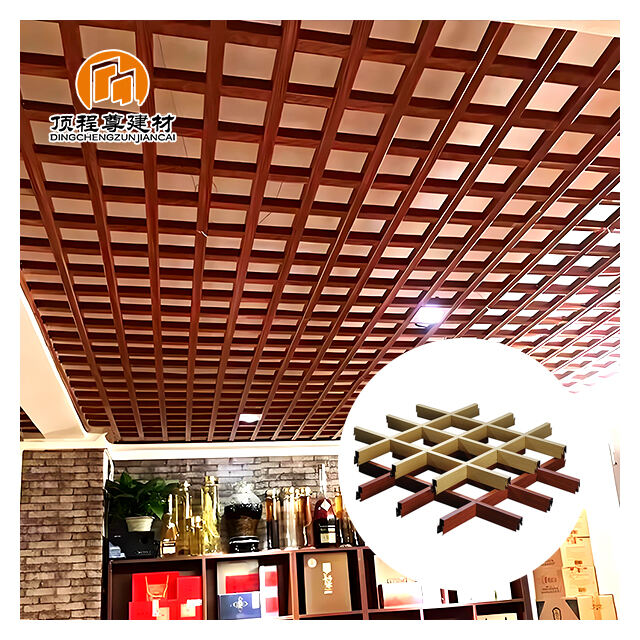
Contemporary suspended ceiling designs offer extensive aesthetic possibilities that transform space appearances while maintaining practical functionality. Surface textures range from smooth finishes to decorative patterns that complement various architectural styles. Color options extend beyond traditional white to include earth tones, metallic finishes, and custom color matching for specific design requirements. These visual options allow suspended systems to contribute positively to overall interior design schemes.
Architectural integration capabilities enable suspended ceilings to work harmoniously with existing building features rather than appearing as obvious additions. Edge treatments and transition details create seamless connections between suspended areas and adjacent ceiling types. The professional appearance achieved through proper installation and material selection enhances property values while providing practical benefits.
Customization and Special Applications
Specialized applications benefit from custom suspended ceiling solutions designed for specific performance requirements or unique spatial configurations. Moisture-resistant materials serve areas with high humidity levels while maintaining attractive appearances. Fire-rated systems provide enhanced safety characteristics for buildings with strict code requirements. Clean room applications utilize specialized panels that support stringent contamination control protocols.
Integration with building automation systems allows suspended ceiling installations to support advanced environmental controls and monitoring equipment. Sensor installations within ceiling voids enable sophisticated occupancy detection and climate optimization. These technology integrations position buildings for future smart building capabilities while maintaining current functionality requirements.
FAQ
How long do suspended ceiling installations typically last before requiring replacement
Quality suspended ceiling systems generally provide 15-20 years of service life under normal conditions, with individual panels replaceable as needed throughout this period. Material quality, environmental conditions, and maintenance practices influence longevity, while the grid framework often remains serviceable for decades with proper installation.
Can suspended ceiling systems support heavy equipment or fixtures
Standard suspended ceiling grids support typical lighting fixtures and HVAC components, but heavy equipment requires additional bracing to building structure above the ceiling. Professional engineering evaluation determines appropriate support methods for specialized equipment installations while maintaining system integrity.
What maintenance requirements apply to suspended ceiling systems
Regular maintenance involves periodic cleaning of visible surfaces and occasional panel replacement when damage occurs. Access to concealed infrastructure requires temporary panel removal, which trained personnel can accomplish quickly without affecting surrounding areas. Overall maintenance requirements remain minimal compared to traditional ceiling constructions.
Are suspended ceiling systems suitable for residential applications
Residential installations benefit from suspended ceiling systems in basements, home offices, and utility areas where infrastructure concealment and easy access prove valuable. Modern residential-grade materials offer attractive appearances that complement home interior designs while providing practical functionality advantages.