
 EN
EN

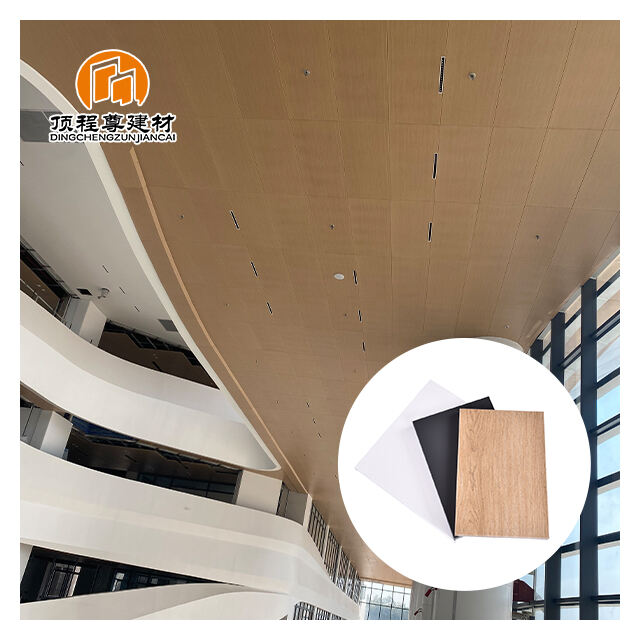
Fire safety remains a critical concern for architects, building managers, and safety officials when designing or retrofitting public buildings. The selection of appropriate ceiling materials plays a crucial role in overall fire protection strategies, with modern building codes increasingly emphasizing the importance of non-combustible construction elements. Traditional ceiling materials such as wood, plastic panels, and certain composite materials can contribute to fire spread and generate toxic smoke, creating dangerous conditions for occupants during emergency evacuations. In contrast, metal ceiling systems have emerged as a superior solution for enhancing fire safety performance while maintaining aesthetic appeal and functional versatility in public spaces.
The fundamental advantage of metal ceiling systems lies in their inherent fire-resistant properties, which stem from the molecular structure and thermal characteristics of aluminum and steel materials. Unlike organic materials that can ignite and propagate flames, metal ceilings provide a non-combustible barrier that helps contain fire incidents and reduces the risk of rapid flame spread across ceiling surfaces. This protective characteristic becomes particularly valuable in high-occupancy environments such as hospitals, schools, airports, and commercial buildings where rapid evacuation procedures must be executed safely and efficiently.
Fire Rating Standards and Compliance
Understanding Fire Classification Systems
Building fire safety regulations establish specific classification systems that determine the suitability of construction materials for different applications and occupancy types. The most widely recognized standards include ASTM E84 flame spread ratings, which measure how quickly flames travel across material surfaces, and smoke development indices that assess the quantity of smoke generated during combustion. Metal ceiling materials typically achieve Class A fire ratings, representing the highest level of fire resistance available for interior finishing materials.
International building codes such as the International Building Code (IBC) and National Fire Protection Association (NFPA) standards require specific fire performance criteria for ceiling assemblies in public buildings. These regulations consider factors including flame spread rates, smoke production levels, and structural integrity under high-temperature conditions. Metal ceiling systems consistently meet or exceed these stringent requirements, making them an ideal choice for compliance-conscious building projects.
Testing Protocols and Certification
Comprehensive fire testing procedures validate the performance characteristics of metal ceiling materials under controlled laboratory conditions that simulate real-world fire scenarios. The Steiner Tunnel Test (ASTM E84) exposes ceiling samples to standardized flame conditions while measuring flame spread distances and smoke development over specified time intervals. Additional testing methods include radiant panel tests, cone calorimeter analyses, and full-scale room fire tests that evaluate overall system performance.
Third-party certification organizations such as Underwriters Laboratories (UL) and Factory Mutual (FM) provide independent verification of fire performance data, ensuring that metal ceiling products meet documented safety standards. These certifications give building owners, architects, and insurance providers confidence in the fire safety performance of specified ceiling systems. Regular quality assurance testing maintains certification compliance throughout the manufacturing process.
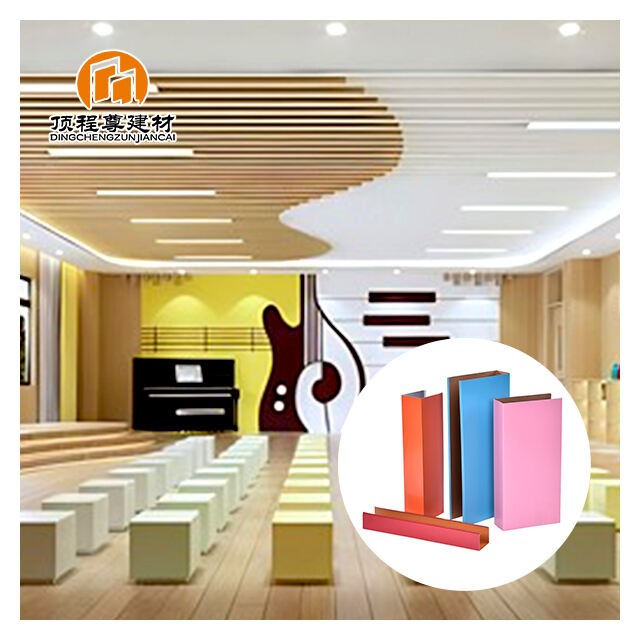
Thermal Performance and Heat Management
Heat Dissipation Characteristics
The excellent thermal conductivity properties of aluminum and steel materials enable metal ceilings to effectively dissipate heat energy away from fire sources, preventing localized temperature accumulation that could lead to ignition of adjacent materials. This heat distribution capability helps maintain lower surface temperatures across the ceiling assembly, reducing the likelihood of secondary ignition events and providing additional time for emergency response procedures.
Thermal expansion characteristics of metal ceiling systems allow for controlled dimensional changes under elevated temperatures without compromising structural integrity or creating gaps that could allow fire penetration. Advanced engineering designs incorporate expansion joints and flexible mounting systems that accommodate thermal movement while maintaining continuous fire barriers. This thermal stability proves particularly valuable in environments where temperature fluctuations occur regularly.
Smoke Containment Properties
Effective smoke management represents a crucial component of fire safety strategies, as smoke inhalation accounts for the majority of fire-related casualties in building incidents. Metal ceiling assemblies contribute to smoke containment through their non-porous surface characteristics and ability to maintain structural integrity under elevated temperatures. Unlike materials that may warp, crack, or disintegrate when exposed to heat, fireproof aluminum metal ceiling systems maintain their barrier properties throughout fire events.
Strategic integration with mechanical ventilation systems enhances the smoke management capabilities of metal ceiling installations. Properly designed ceiling assemblies can incorporate smoke extraction points, return air pathways, and emergency ventilation controls that work together to remove smoke and maintain visibility during evacuation procedures. The dimensional stability of metal materials ensures that these integrated systems continue functioning effectively even under adverse conditions.
Installation and Maintenance Advantages
System Integration and Accessibility
Modern metal ceiling systems offer superior accessibility for building maintenance while maintaining fire safety performance characteristics. Removable panel designs allow maintenance personnel to access above-ceiling spaces for mechanical system servicing, electrical work, and safety system inspections without compromising the fire barrier integrity of the ceiling assembly. This accessibility reduces long-term maintenance costs and ensures that fire safety systems remain properly maintained throughout the building lifecycle.
Integration capabilities with fire suppression systems, emergency lighting, and life safety equipment make metal ceilings an ideal platform for comprehensive safety system installation. Sprinkler heads, smoke detectors, emergency communication devices, and exit lighting can be seamlessly incorporated into ceiling designs without creating potential fire spread pathways or compromising aesthetic appearance. The non-combustible nature of metal materials eliminates concerns about ignition around electrical installations.
Long-term Performance and Durability
The corrosion resistance and dimensional stability of quality metal ceiling materials ensure consistent fire safety performance over extended service periods. Unlike organic materials that may degrade over time due to moisture exposure, temperature cycling, or chemical interactions, properly finished metal ceilings maintain their fire resistance characteristics throughout decades of service. This long-term reliability provides building owners with confidence in their fire safety investments.
Regular inspection and maintenance procedures for metal ceiling systems are straightforward and cost-effective compared to alternative materials that may require periodic replacement or refinishing. Visual inspections can quickly identify any damage or deterioration that might compromise fire safety performance, while routine cleaning maintains optimal appearance and function. The recyclable nature of metal materials also supports sustainable building practices and end-of-life environmental considerations.
Economic and Insurance Considerations
Cost-Benefit Analysis
While the initial installation cost of metal ceiling systems may exceed some alternative materials, the long-term economic benefits include reduced insurance premiums, lower maintenance requirements, and extended service life that provides superior return on investment. Insurance providers often recognize the superior fire safety performance of metal ceilings through reduced premium rates for buildings that incorporate non-combustible construction materials throughout their design.
Potential liability reduction represents another significant economic advantage of specifying fire-resistant ceiling materials in public buildings. The enhanced safety performance of metal ceilings can help building owners demonstrate due diligence in fire safety planning, potentially reducing exposure to litigation in the event of fire incidents. This risk mitigation value often justifies the additional upfront investment in quality fire safety materials.
Regulatory Compliance Benefits
Meeting or exceeding fire safety code requirements through metal ceiling specification eliminates potential compliance issues that could result in costly retrofits or operational restrictions. Building inspectors and fire marshals readily approve metal ceiling installations that meet established safety standards, streamlining the permitting and occupancy approval processes. This compliance advantage reduces project delays and associated costs.
Future-proofing considerations make metal ceiling investments particularly attractive as building codes continue evolving toward more stringent fire safety requirements. Buildings equipped with high-performance fire-resistant materials are better positioned to meet future regulatory changes without requiring extensive renovations. This forward-thinking approach protects building owners from potential obsolescence and upgrade costs.
FAQ
What fire rating do metal ceilings typically achieve?
Most quality metal ceiling systems achieve Class A fire ratings under ASTM E84 testing standards, which represents the highest level of fire resistance available for interior finishing materials. These ratings indicate flame spread indices of 25 or less and smoke development indices of 450 or less, making them suitable for the most demanding fire safety applications in public buildings.
How do metal ceilings compare to gypsum board for fire safety?
While gypsum board provides good fire resistance, metal ceilings offer superior long-term performance because they are completely non-combustible and do not degrade under repeated thermal cycling. Metal systems also provide better moisture resistance and dimensional stability, maintaining their fire safety properties even in challenging environmental conditions where gypsum materials might deteriorate.
Can metal ceilings be integrated with fire suppression systems?
Yes, metal ceiling systems are highly compatible with all types of fire suppression equipment including sprinkler heads, smoke detectors, and emergency ventilation systems. The non-combustible nature of metal materials eliminates fire safety concerns around system integration points, while removable panel designs provide excellent access for installation and maintenance of suppression equipment.
What maintenance is required to preserve fire safety performance?
Metal ceiling systems require minimal maintenance to preserve their fire safety characteristics. Regular visual inspections should check for physical damage, proper panel alignment, and secure mounting hardware. Routine cleaning with appropriate methods maintains optimal performance, while any damaged components should be promptly replaced to ensure continuous fire barrier integrity throughout the ceiling assembly.