 EN
EN


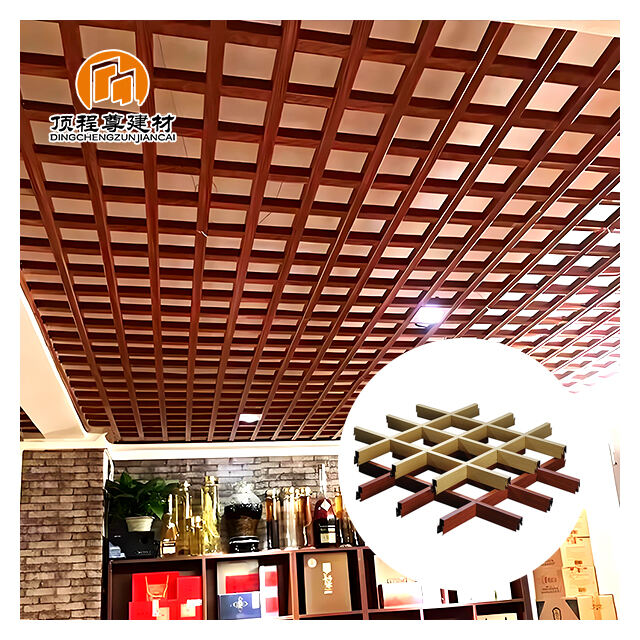
Modern architecture demands innovative solutions that combine aesthetic appeal with practical functionality, and metal ceilings have emerged as a transformative element in contemporary design. These versatile architectural features offer designers unprecedented creative freedom while delivering exceptional durability and performance. Metal ceilings provide architects with the ability to create stunning visual effects, enhance acoustic properties, and integrate advanced lighting systems seamlessly into their designs. The growing popularity of these systems reflects their capacity to meet the evolving demands of commercial, residential, and institutional spaces.
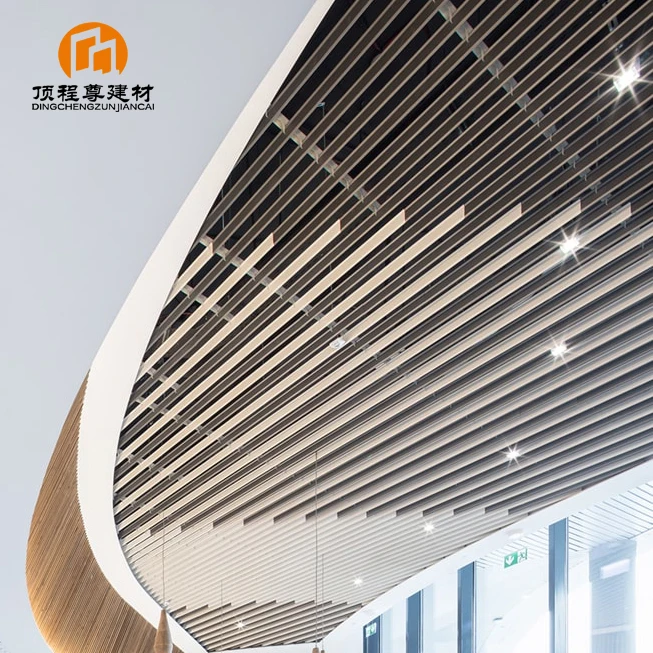
Design Flexibility and Aesthetic Possibilities
Sculptural Forms and Three-Dimensional Effects
Contemporary architects leverage metal ceilings to create dramatic sculptural installations that transform ordinary spaces into extraordinary environments. These systems can be shaped, curved, and manipulated to form complex geometries that would be impossible with traditional materials. Wave patterns, undulating surfaces, and geometric configurations become achievable through advanced metal forming techniques. The malleability of aluminum and steel allows for custom fabrication that meets specific design visions while maintaining structural integrity.
Three-dimensional ceiling installations create depth and visual interest that captivate occupants and visitors. Layered metal panels can produce shadow play effects that change throughout the day as natural light shifts. These dynamic visual experiences enhance the architectural narrative and create memorable spaces that leave lasting impressions. Architects frequently specify custom perforation patterns that allow controlled light transmission while maintaining the ceiling's structural function.
Color Integration and Surface Treatments
Advanced surface treatment technologies enable metal ceilings to incorporate vibrant colors, textures, and finishes that complement any design aesthetic. Powder coating processes provide durable color applications that resist fading, chipping, and environmental degradation. Anodizing treatments create sophisticated metallic finishes that reflect light beautifully and add luxury to interior spaces. These surface treatments expand the design palette beyond traditional metallic appearances.
Custom color matching services ensure that ceiling systems integrate seamlessly with overall design schemes. Gradient effects, multi-color patterns, and artistic graphics can be applied to create unique visual experiences. Wood-grain textures, stone-like finishes, and fabric appearances demonstrate the versatility of modern metal ceiling technologies. These options allow designers to achieve specific aesthetic goals without compromising the inherent benefits of metal construction.
Functional Integration in Modern Architecture
Acoustic Performance Enhancement
Metal ceilings contribute significantly to acoustic comfort in contemporary buildings through innovative perforation patterns and integrated sound absorption materials. Micro-perforated metal panels effectively control reverberation times while maintaining visual continuity across large spaces. These systems prove particularly valuable in open-plan offices, auditoriums, and educational facilities where speech intelligibility and noise control are critical concerns.
Advanced acoustic modeling allows designers to optimize perforation patterns for specific acoustic requirements. Variable perforation densities across ceiling surfaces create zones with different acoustic characteristics within single spaces. This capability enables architects to design multifunctional environments where different areas serve distinct purposes while maintaining architectural cohesion. Sound masking capabilities can be integrated to enhance privacy in sensitive applications.
Lighting System Integration
Modern metal ceilings seamlessly incorporate advanced lighting technologies that enhance both functionality and visual appeal. Integrated LED systems can be concealed within ceiling structures to provide uniform illumination without visible fixtures cluttering the ceiling plane. Linear lighting elements follow panel joints and create dramatic accent lighting that emphasizes architectural features and spatial relationships.
Smart lighting controls integrate with metal ceiling systems to provide responsive illumination that adapts to occupancy patterns and natural light conditions. Programmable color-changing capabilities transform spaces throughout the day to support circadian rhythms and create dynamic environments. Emergency lighting systems can be invisibly integrated to ensure code compliance without compromising aesthetic intentions. These integrated solutions reduce installation complexity while improving system reliability.
Sustainable Design Applications
Environmental Performance Benefits
Metal ceilings support sustainable building practices through their inherent recyclability and long-term durability characteristics. Aluminum systems contain high percentages of recycled content and can be fully recycled at the end of their service life without degradation of material properties. This circular economy approach reduces environmental impact and supports green building certification programs including LEED and BREEAM.
Energy efficiency benefits result from the reflective properties of metal surfaces that reduce artificial lighting requirements. Properly designed systems can redirect natural light deeper into building interiors, reducing dependency on electric lighting during daylight hours. Thermal performance characteristics contribute to HVAC efficiency in climate-controlled environments. Low-maintenance requirements minimize the environmental impact of cleaning and replacement activities over the building lifecycle.
Indoor Air Quality Considerations
High-quality metal ceilings contribute to healthy indoor environments through their non-porous surfaces that resist microbial growth and do not emit volatile organic compounds. Unlike some traditional ceiling materials, metal systems do not harbor allergens or support mold growth even in humid conditions. This characteristic proves particularly important in healthcare facilities, educational institutions, and other environments where indoor air quality directly impacts occupant wellbeing.
Easy maintenance requirements support ongoing hygiene protocols without requiring harsh chemicals or intensive cleaning procedures. Smooth metal surfaces can be effectively cleaned with simple solutions that do not leave residues or create secondary pollution. Antimicrobial surface treatments can be applied to provide additional protection in sensitive applications. These properties make metal ceilings ideal for cleanroom environments and food processing facilities.
Installation and Maintenance Advantages
Efficient Installation Processes
Modern metal ceiling systems feature engineered installation methods that reduce construction timelines and labor requirements. Modular design approaches allow for rapid assembly using standardized connection details and support systems. Pre-fabricated components arrive on-site ready for installation, minimizing field cutting and waste generation. These efficiencies translate to cost savings and reduced construction schedules.
Adjustable suspension systems accommodate building tolerances and structural variations without compromising installation quality. Snap-together connections eliminate the need for specialized fasteners or complex tools. Integrated cable management systems simplify coordination with electrical and mechanical systems. Access panels can be incorporated to maintain serviceability for building systems located above the ceiling plane.
Long-term Performance Reliability
Metal ceilings deliver exceptional long-term performance with minimal maintenance requirements over their service life. Corrosion-resistant materials and protective coatings ensure dimensional stability and appearance retention in challenging environments. Unlike organic materials, metal systems do not deteriorate due to moisture exposure or temperature cycling. This reliability reduces lifecycle costs and minimizes disruption to building operations.
Damage resistance characteristics prevent common ceiling problems such as sagging, staining, or physical damage from minor impacts. Individual panels can be replaced without disturbing adjacent areas if damage does occur. Color stability ensures consistent appearance over decades of service. Fire resistance properties provide additional safety benefits while maintaining structural integrity under extreme conditions.
Innovative Applications Across Building Types
Commercial and Retail Environments
Retail spaces utilize metal ceilings to create brand-appropriate environments that enhance customer experience and support merchandising strategies. Curved forms and dynamic shapes draw attention and create focal points that guide customer flow through spaces. Integrated lighting systems highlight products effectively while creating inviting atmospheres. The durability of metal ceilings ensures that retail environments maintain their intended appearance despite high traffic and frequent reconfiguration.
Office environments benefit from the clean, professional appearance that metal ceilings provide while supporting modern workplace concepts. Open ceilings with exposed structural elements can be unified through metal ceiling installations that maintain visual continuity. Acoustic properties support collaboration while providing necessary privacy. Technology integration capabilities accommodate evolving workplace requirements including wireless networks and sensor systems.
Healthcare and Educational Facilities
Healthcare facilities require ceiling systems that meet stringent hygiene standards while creating healing environments for patients and staff. Metal ceilings provide the necessary cleanability and infection control capabilities while offering design flexibility that supports wayfinding and stress reduction. Integrated lighting systems can provide both functional illumination and circadian lighting that supports patient recovery. Access panels ensure that critical building systems remain serviceable without compromising the ceiling integrity.
Educational facilities benefit from the acoustic performance and durability that metal ceilings provide in high-traffic environments. Creative installations can enhance learning environments while providing necessary sound control for speech intelligibility. Maintenance requirements remain minimal despite intensive use patterns. Safety considerations including fire resistance and impact resistance protect occupants while reducing liability concerns for facility managers.
FAQ
What makes metal ceilings suitable for humid environments?
Metal ceilings excel in humid conditions because they are inherently moisture-resistant and do not support mold or mildew growth. High-quality aluminum and steel alloys resist corrosion even in challenging environments, while protective coatings provide additional protection. The non-porous surface prevents moisture absorption that can lead to dimensional changes or deterioration seen in other ceiling materials.
How do metal ceilings contribute to energy efficiency in buildings?
Metal ceilings improve energy efficiency through their reflective properties that redirect natural light deeper into building interiors, reducing artificial lighting needs. Their thermal properties can contribute to HVAC efficiency, and integrated LED lighting systems consume significantly less energy than traditional lighting fixtures. The long service life also reduces the energy costs associated with replacement and maintenance activities over the building lifecycle.
Can metal ceilings accommodate building movement and settling?
Modern metal ceiling systems are specifically designed to accommodate normal building movement through expansion joints and flexible connection details. Suspended systems can move independently of structural elements, preventing stress concentrations that could cause damage. Engineering calculations account for thermal expansion, seismic forces, and normal building settlement to ensure long-term performance without cracking or separation.
What maintenance is required for metal ceiling installations?
Metal ceilings require minimal maintenance compared to other ceiling systems. Regular cleaning with mild detergents maintains appearance and removes accumulated dust or contaminants. Periodic inspection of suspension systems ensures continued structural integrity. Unlike other materials, metal ceilings do not require repainting, sealing, or replacement due to moisture damage, making them cost-effective over their service life.