 EN
EN


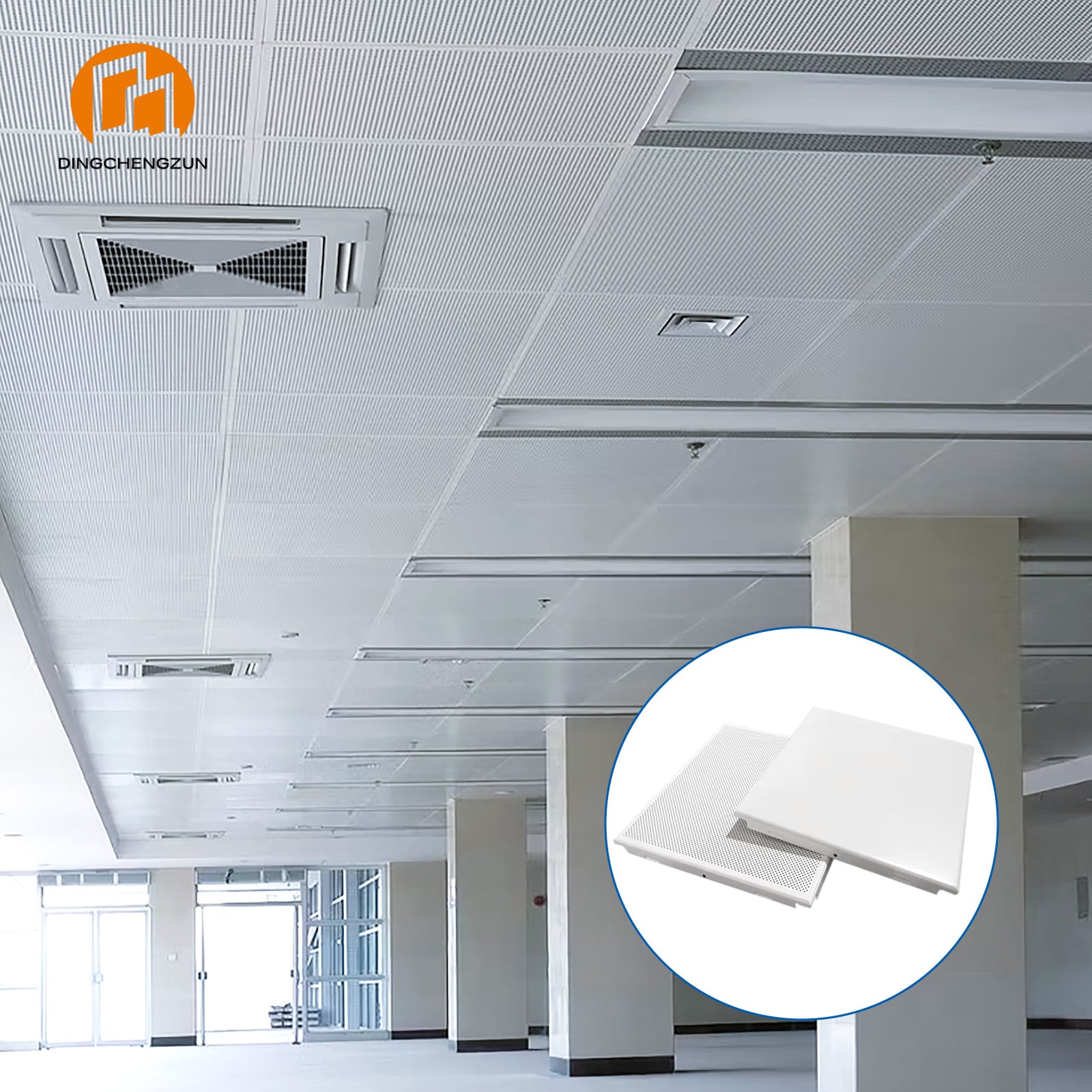
In modern commercial architecture, ceiling finishes do far more than cover surfaces. They shape how a space feels, how sound behaves, how light reflects, and how well the building withstands daily wear. Among the many options available, aluminum ceiling systems have become the go-to choice for architects and designers who need both performance and design flexibility.
This guide covers the main types of aluminum ceiling systems, the surface finishes available, and how to choose the right combination for your project. While the focus is on ceilings, many of the same systems and surface treatments also apply to facade cladding.
Why Aluminum for Ceiling Systems?
Aluminum offers a combination that few other materials can match:
Lightweight yet strong — reduces structural load while maintaining rigidity
Corrosion-resistant — performs well in humid, coastal, and semi-outdoor environments
Highly formable — can be shaped into panels, baffles, grids, and custom profiles
Fully recyclable — supports sustainable building goals
Excellent finish compatibility — accepts powder coating, anodizing, wood-grain transfer, and custom printing
These properties make aluminum ideal for both interior ceilings and exterior applications.
Aluminum Ceiling Systems: Types and Applications
1. Aluminum Panel Ceiling (Aluminum Single Panel)
Flat aluminum panels are the most versatile option. They are typically installed in a concealed or semi-concealed grid, creating a clean, continuous surface. Common applications include offices, retail spaces, airports, and corporate lobbies.
Key advantages: precise flatness, easy access to plenum space, seamless visual appearance.
2. Aluminum Baffle Ceiling
Baffles are linear aluminum profiles suspended vertically or horizontally. They create a rhythmic, open look that hides the ceiling structure while allowing air circulation and partial visibility of services above.
Best for: open-plan offices, transportation hubs, shopping malls, and any space where a dynamic linear aesthetic is desired.
3. Aluminum Grid Ceiling
An open-cell grid system made of interlocking aluminum profiles. It offers strong visual definition, good ventilation, and a modern industrial character.
Best for: retail environments, exhibition halls, and feature areas.
4. Aluminum Clip-In Ceiling
Panels snap into a concealed carrier grid, providing a smooth, monolithic surface with easy removal for maintenance access.
Best for: hospitals, laboratories, and clean-room environments where hygiene and accessibility matter.
5. Aluminum Strip Ceiling
Narrow aluminum strips installed in a linear pattern. Available in different widths and spacings to control the visual density of the ceiling.
Best for: corridors, bathrooms, and spaces requiring a refined linear finish.
Surface Finishes for Aluminum Ceilings
The finish determines not just the look, but the durability, maintenance needs, and environmental performance of the system.
1. Powder Coating
A dry finishing process where electrostatically charged powder is applied and cured under heat. It produces a uniform, durable coating with excellent resistance to chipping, scratching, and fading.
Best for: interior and exterior applications requiring color variety and durability
Environmental note: no solvents, minimal VOCs
2. Anodizing
An electrochemical process that creates a protective oxide layer on the aluminum surface. The result is a hard, corrosion-resistant finish with a metallic depth that cannot be achieved with paint.
Best for: high-traffic commercial spaces and exterior applications
Available in: clear, champagne, bronze, black, and custom tones
3. Anodized Copper & Bronze
A specialized anodizing treatment that mimics the aged, oxidized look of historical copper or bronze. It delivers timeless elegance with modern durability.
Best for: hotels, restaurants, cultural institutions, and heritage-style projects
4. 4D Wood-Grain Finish
Advanced heat-transfer technology applies realistic wood grain patterns to aluminum surfaces. The result is the warmth of wood with the strength and moisture resistance of metal.
Best for: retail, office, and hospitality interiors where a natural look is desired without the maintenance of real wood
5. Water Ripple Finish
A hammered or wave-textured treatment that creates a reflective, mirror-like surface with dynamic visual movement.
Best for: feature ceilings, boutique interiors, galleries, and avant-garde designs
6. Pre-Coating
Coating applied to the aluminum coil before fabrication. This ensures uniform color and protects the surface during forming and installation.
Best for: large-scale industrial and commercial projects where consistency and efficiency are critical
7. Printing
Custom patterns, logos, or images printed directly onto aluminum panels using high-resolution technology, then sealed with a protective coating.
Best for: branded environments, retail stores, restaurants, and corporate identity spaces
How to Choose the Right System and Finish
Selecting the right combination of aluminum ceiling system and surface finish depends on four factors:
1. Functional Requirements
Consider acoustics, moisture exposure, fire rating, and maintenance access. For example, a hospital corridor may need a clip-in ceiling with an antimicrobial powder coating; a humid environment may call for anodized panels for corrosion resistance.
2. Design Aesthetics
The finish should reinforce the overall design intent. Wood-grain finishes warm up corporate spaces; water ripple finishes add drama to feature ceilings; anodized bronze brings classic depth to hospitality projects.
3. Environmental Conditions
Semi-outdoor and humid applications require finishes tested for UV stability, humidity, and temperature fluctuation. Anodizing and powder coating are the most reliable choices here.
4. Budget and Lifecycle Cost
The cheapest panel at purchase may cost more over time if it requires frequent cleaning, repainting, or replacement. Powder-coated and anodized aluminum systems typically offer the best balance of upfront cost and long-term performance.
Conclusion
Aluminum ceiling systems give architects and designers a rare combination: lightweight construction, durable performance, and almost unlimited aesthetic options. By understanding the different system types and surface finishes — from powder coating and anodizing to wood-grain transfer and custom printing — you can specify a solution that looks right, performs well, and lasts.
Whether you are planning a corporate office, a transit hub, a retail flagship, or a hospitality space, the right aluminum system and finish will define the character of the ceiling for years to come.