 EN
EN


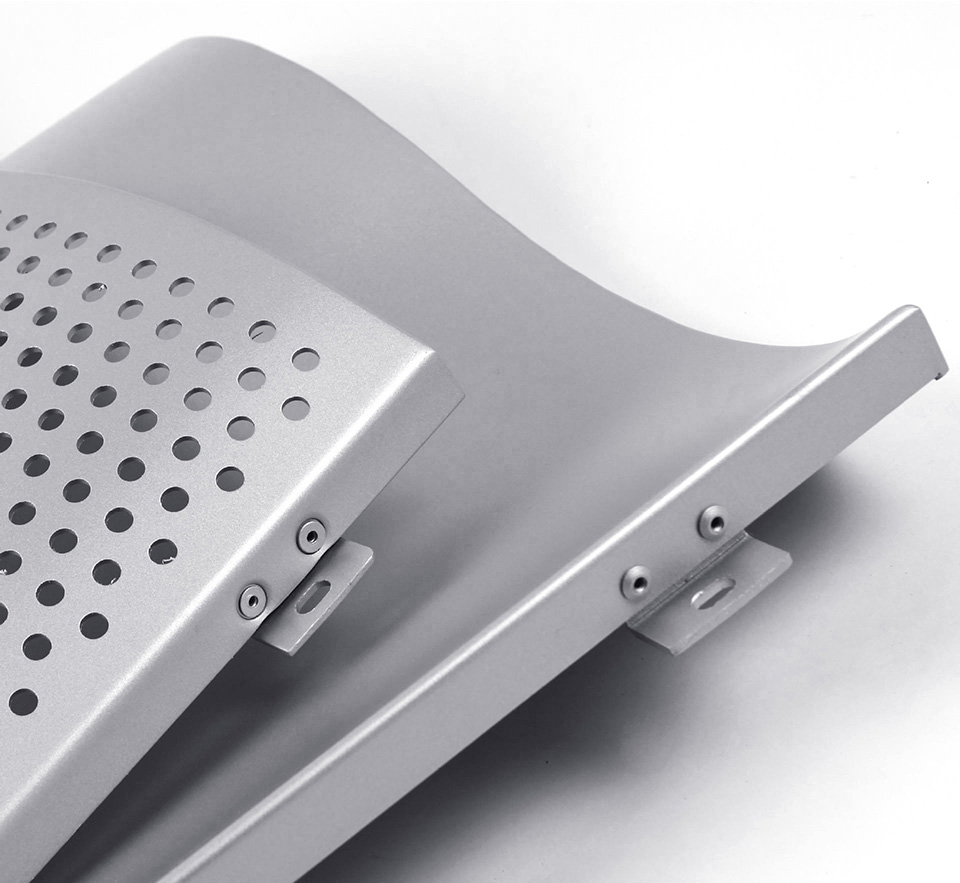
Building facades are a long-term investment. Once an aluminum veneer curtain wall is installed, replacing or repainting it is expensive, disruptive, and often impossible without full scaffolding access. That's why architects, contractors, and procurement teams keep asking the same question before they sign off on a supplier: how will this panel actually look in 10 years?
This article breaks down real accelerated-aging test benchmarks, national standard requirements, and long-term field performance data for fluorocarbon-coated aluminum veneer panels — so you can evaluate a supplier's coating system with real numbers instead of marketing claims.
Core 10-Year Performance Data by Coating Type
Not all "fluorocarbon coatings" perform the same. Coating grade, PVDF resin content, and application process create dramatic differences in long-term color stability:
| Coating Type | 5-Year ΔE | 7-Year ΔE | 10-Year ΔE | Chalking / Cracking |
|---|---|---|---|---|
| AAMA 2605-grade fluorocarbon (high-performance) | <0.3 | <0.4 | ≤0.5 | None; no visible cracking |
| AAMA 2604-grade fluorocarbon (standard) | 0.3–0.7 | 0.5–1.0 | 1.0–1.5 | Only mild fading in high-UV zones |
| Powder-coated aluminum | 1.0–1.5 | 1.5–2.0 | 2.0 | Visible chalking, localized fading common |
A ΔE below 1.0 is generally considered "not perceptible to the human eye" under normal viewing conditions. This is why AAMA 2605-grade PVDF fluorocarbon systems remain the standard specification for hospitals, airports, and landmark commercial buildings where facade appearance is part of the brand.
Real-world project comparison
Two side-by-side cases illustrate why maintenance matters as much as coating grade:
- A Guangzhou curtain wall project using premium fluorocarbon panels: the regularly maintained elevation showed uniform color after 10 years with no visible aging. The same building's north-facing wall, left without maintenance, developed visible chalking and localized fading over the same period — same panel, same coating, different outcome.
- Industry reference case — Guangzhou Baoneng Performing Arts Center (completed 2010, publicly documented project, not a Dingchengzun-supplied installation): after more than a decade in Guangzhou's hot, humid climate, the aluminum veneer facade is publicly reported to retain its original appearance with no discoloration or damage. We cite this as an independent industry benchmark for what a properly specified fluorocarbon facade can achieve in this climate zone.
The takeaway: coating quality determines the ceiling of performance, but maintenance determines whether a project actually reaches it. You can browse more of our completed hospital, transit, and commercial facade projects on our project case studies page.
Weathering Test Standards That Actually Matter
When evaluating a supplier, ask for test reports against recognized standards — not just a verbal "10-year guarantee":
- GB/T 23443-2024 — the Chinese national standard for fluorocarbon-coated aluminum panels, requiring a 2,000-hour artificial accelerated aging test with no chalking, no cracking, and Grade 0 coating adhesion.
- Industry-standard 4,000-hour accelerated aging test — qualified fluorocarbon panels should achieve ΔE ≤ 3.0 and gloss retention ≥ 70% after this test, which correlates to an estimated 15–25 years of real outdoor service life.
Note for buyers: accelerated aging hours don't convert to real-world years on a fixed ratio — climate, UV intensity, and pollution levels all affect the actual equivalence. Treat the 15–25 year figure as an industry estimate, and always ask for the underlying test report and testing lab.
What It Actually Takes to Guarantee 10-Year Performance
Two conditions determine whether a panel hits the numbers above:
Material selection
- PVDF resin content ≥ 70% for outdoor applications
- Three-coat, two-bake ("3-coat 2-bake") fluorocarbon system
- Total coating thickness ≥ 40 μm
Maintenance schedule
- 1–2 routine cleanings per year
- One in-depth inspection/servicing every 3–5 years
Projects following this schedule can realistically maintain stable facade performance for 20+ years.
Material Parameter Checklist (What to Verify Before Ordering)
Before accepting a supplier's samples, verify these baseline parameters against their material test report. These specifications apply across our full aluminum ceiling and curtain wall product range, including Baffle Ceiling, Grid Ceiling, and Clip In Ceiling systems that use the same coating standards:
| Parameter | Specification |
|---|---|
| Base aluminum thickness | ≥ 2.5 mm |
| Alloy grade | 3003 / 5052 (aluminum-manganese / aluminum-magnesium) |
| Total fluorocarbon coating thickness | ≥ 40 μm (3-coat system) |
| — Primer | 5 μm |
| — Topcoat | 25 μm |
| — Clear coat | 10 μm |
| Coating thickness verification | Batch-by-batch spot check with a coating thickness gauge |
Baseline Coating Performance Tests
Beyond weathering, a qualified panel should pass these standard mechanical/adhesion tests:
- Adhesion: cross-hatch test rated Grade 0, no coating detachment after boiling water immersion
- Pencil hardness: ≥ 2H (no scratch under 1 kg pressure at 45°)
- Impact resistance: no cracking on either panel face after a 50 cm drop-weight impact test
10-Year-Equivalent Weathering Test Protocol
For panels claiming 10-year color stability, request results from these specific accelerated tests:
- Artificial UV aging: 2,000-hour cycle per GB/T 16422.3-2021 — ΔE ≤ 3, chalking rating ≤ Grade 1
- Salt spray test: 4,000 continuous hours with no blistering or rust — required for coastal 10-year corrosion resistance claims
- Damp heat test: 1,000 hours at 47°C / 96% humidity with no coating abnormality
Appearance & Documentation Checklist
A qualified batch should also meet these physical and paperwork requirements:
- Uniform surface color with no visible color difference, streaking, or bubbling
- Flatness deviation ≤ 1.5 mm/m²
- Complete factory certificate of conformity
- Third-party weathering type-test report on file
- Full batch sampling and inspection records, traceable and archived
Maintenance Guide: Keeping Your Facade on Track for 10+ Years
For background on why fluorocarbon systems outperform other finishes long-term, see our related article Why Choose Aluminum Ceiling? and Fireproof & Waterproof: How Aluminum Ceilings Safeguard High-Risk Spaces
Daily/routine cleaning
- Tools: soft sponge or microfiber cloth with a neutral aluminum-specific cleaner. Never use strong acid/alkali cleaners or abrasive scrubbing agents — they will damage the fluorocarbon coating.
- Frequency: at least once per quarter in standard urban environments; every 2 months in coastal or heavy-industrial zones, to prevent oil residue and acid rain buildup.
- Technique: clean in early morning or evening when panel surface temperature is below 40°C. Keep water pressure under 30 MPa, and never aim high-pressure jets directly at sealant joints.
Periodic inspections
- Coating surface: full visual inspection every 6 months. Repair minor chips or scratches promptly with matching touch-up paint before exposed aluminum oxidizes and the damage spreads.
- Sealant system: inspect all weatherproof sealant and gaskets before each rainy season. Replace any cracked or detached sealant with code-compliant silicone weatherproof sealant, and allow 24 hours full cure before the wall is exposed to weather again.
- Structural connections: inspect bolts and support framing connections annually. Tighten any loose fasteners and re-coat any corroded anti-rust layer at connection points to prevent frame corrosion and panel deformation.
Special environment considerations
- Coastal / high-salt-spray zones: a full fresh-water rinse of the entire facade once every 12 months to remove accumulated salt and slow coating corrosion.
- High-altitude / high-UV zones: consider an additional fluorocarbon clear-coat layer every 8 years to further delay UV-driven fading.
- Complex profiles / textured finishes: use soft brushes with low-pressure water flow only — avoid hard tools that can scratch textured or patterned finishes.
Conclusion
Ten years of real accelerated-aging data and field-tracked projects point to the same conclusion: coating grade sets the ceiling, but maintenance decides whether you actually get there. An AAMA 2605-grade, PVDF ≥70% fluorocarbon panel, properly maintained, can realistically stay visually stable for 10+ years and structurally sound well beyond that.
Before you sign off on a supplier, ask for three things: the third-party weathering test report, the coating thickness inspection records, and the warranty terms in writing. If a supplier can't produce these, the "10-year performance" claim is just marketing.
With CNC-controlled production and batch-level coating inspection, we're able to provide exactly this kind of documentation for every order. Learn more about our manufacturing capabilities and quality control process.
Need the full test report or a maintenance schedule template for your specific project climate? Contact our team for a tailored recommendation based on your project location and facade orientation.
Table of Contents
- Core 10-Year Performance Data by Coating Type
- Weathering Test Standards That Actually Matter
- What It Actually Takes to Guarantee 10-Year Performance
- Material Parameter Checklist (What to Verify Before Ordering)
- Baseline Coating Performance Tests
- 10-Year-Equivalent Weathering Test Protocol
- Appearance & Documentation Checklist
- Maintenance Guide: Keeping Your Facade on Track for 10+ Years
- Conclusion