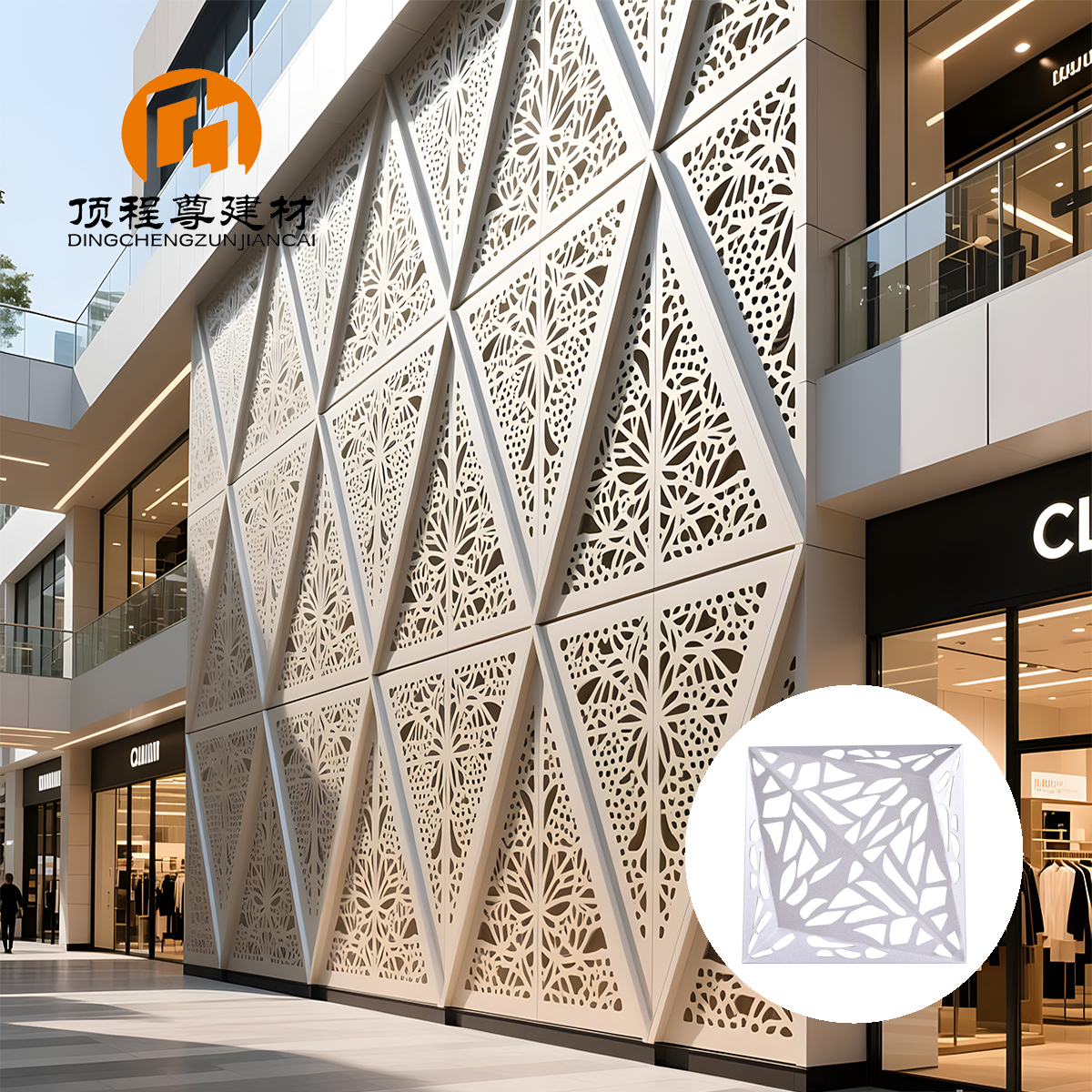
Custom laser cut aluminum panels for decorative facade cladding, engineered for signature architectural skins, entrance feature screens, podium facades, parking screens, and modern exterior image upgrades.
Laser Cut Aluminum Panels for Decorative Facade Cladding are designed for architectural projects where the exterior facade is expected to deliver both visual identity and practical building performance. Unlike standard solid aluminum cladding, laser cut panels allow the facade to become a designed surface with pattern, rhythm, transparency, and light interaction. This makes them especially suitable for commercial buildings, hospitality projects, public architecture, transportation buildings, and renovation projects that require a stronger architectural image.
In many modern facade projects, laser cut aluminum panels are used as decorative outer skins, architectural screens, entrance features, branded facade zones, and image-upgrade cladding layers. They can provide a more expressive appearance than ordinary flat panels while still maintaining the practical benefits of aluminum, including light weight, fabrication flexibility, and relatively manageable installation.
These panels can be fabricated according to project drawings in flat, curved, folded, perforated, and other special-shaped forms. Pattern geometry, openness, panel dimensions, edge return, and finish system can all be adjusted according to design intent and installation requirements. When properly designed and fabricated, laser cut aluminum panels can create a high-impact decorative facade solution that is both visually distinctive and suitable for exterior use.
For architects, designers, contractors, and project buyers, the value of laser cut aluminum facade panels lies not only in decoration, but also in how they help a building communicate character. A well-designed laser cut facade can create a more memorable elevation during the day and a stronger architectural presence at night when lighting is introduced.
Solid aluminum panels can create a clean facade, but they are limited when the project needs more visual depth or a stronger decorative identity. Laser cut panels allow the exterior surface to carry pattern, openness, and architectural rhythm that a solid panel cannot provide.
Laser cut panels and perforated panels are not exactly the same. Standard perforated panels are usually based on repeated hole layouts such as round, square, or slotted patterns. Laser cut panels allow more customized and graphic shapes, which makes them more suitable for feature facades, branded exteriors, and projects that require a more distinctive architectural language.
A laser cut facade can perform differently across lighting conditions. In daylight, the cut geometry creates shadow movement and surface texture. At night, the same pattern can interact with backlighting, interior light spill, or facade lighting to create a stronger visual statement. This is one of the key reasons laser cut panels are widely used in commercial and hospitality exteriors.
Laser cut facade panels can also provide practical benefits beyond appearance. Depending on the pattern density and open area, they may support airflow, partial screening, or controlled visibility in parking facades, equipment concealment zones, podium screens, and transitional exterior spaces.
When the correct alloy, thickness, and exterior finish are selected, laser cut aluminum panels can be used for decorative facade cladding in demanding outdoor environments. This makes them suitable for projects that want design freedom without sacrificing exterior usability.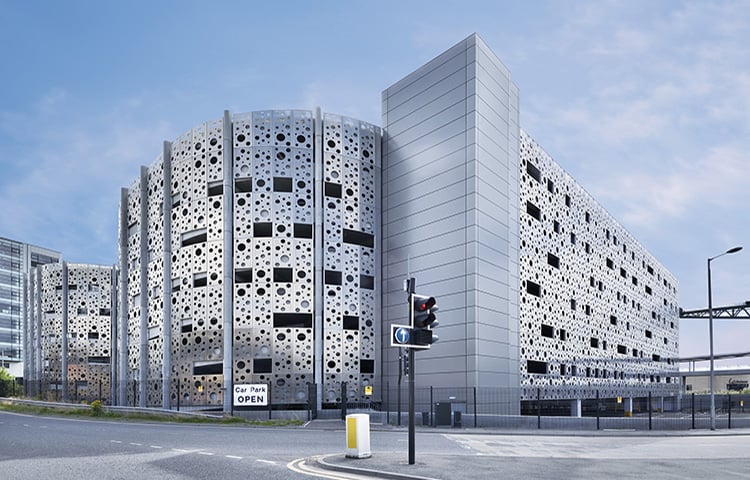
Aluminum remains a practical facade material because it combines low weight with fabrication flexibility. For decorative cladding, this helps reduce handling difficulty, improve installation efficiency, and make large exterior feature panels more manageable.
Laser cutting makes it possible to create geometric, organic, linear, branded, and fully custom visual patterns. This gives architects and facade designers more freedom to shape the exterior identity of the building.
Compared with more basic cut methods, laser cutting can produce cleaner pattern edges and more controlled visual detail. This is especially important for decorative facade projects where the pattern itself is part of the architectural expression.
This product works especially well in projects where the facade must serve as a signature visual element, such as entrance screens, podium skins, retail facade features, hotel exterior statements, and architectural screening layers.
Laser cut aluminum panels can be fabricated as flat panels, folded units, curved forms, return-edge panels, and custom-shaped decorative pieces. This flexibility makes them suitable for both simple modern facades and more sculptural exterior concepts.
For decorative exterior applications, finish selection is critical. With a suitable coating system and proper fabrication control, laser cut aluminum panels can be used in outdoor facade environments where appearance retention and weather durability matter.
Pattern design can be developed from architectural concepts, mood boards, logo references, CAD drawings, or project branding requirements. Some projects prefer restrained geometric screening, while others require more expressive decorative graphics. The pattern can be tailored to match viewing distance, project image, and facade scale.
We support flat decorative panels, curved units, folded panels, corner pieces, return-edge panels, and other custom-shaped components to suit project geometry and facade layout.
Panel size and thickness should be selected according to design intent and engineering requirements. Decorative facade panels should not be chosen by pattern alone. Larger panel sizes, more open patterns, and higher exposure conditions usually require closer review of thickness and support details.
Edge return depth, stiffening requirements, fixing method, and tolerance control all affect the final appearance and installation quality of decorative facade cladding. These details should be reviewed together with panel size and cut ratio before production.
For laser cut facade projects, confirmed drawings are strongly recommended before fabrication. Pattern approval, panel layout confirmation, and edge detail review can help reduce visual inconsistency and installation adjustments on site.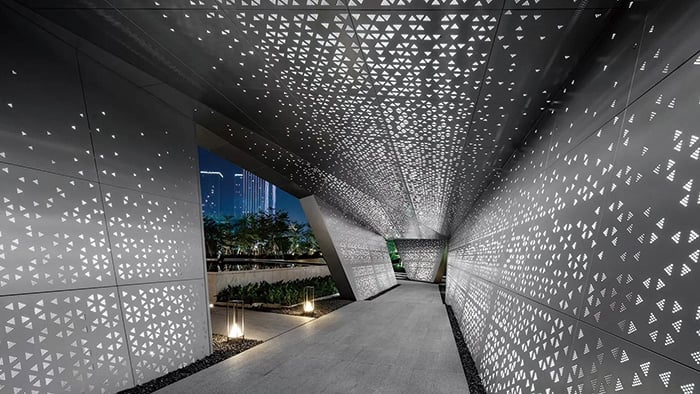
Product Name: Laser Cut Aluminum Panels for Decorative Facade Cladding
Material: Aluminum alloy
Common Alloy Options: 1100 / 3003 / 5005 / 6063 or according to project requirement
Typical Thickness: To be reviewed according to panel size, pattern openness, support method, and project condition
Panel Type: Flat / curved / folded / laser cut / perforated / custom-shaped
Pattern Type: Geometric, linear, decorative, abstract, branded, custom design
Surface Finish: PVDF coating, PE coating, polyester powder coating, other decorative finishes as required
Color Options: White, black, silver gray, bronze, champagne, wood grain, custom RAL colors
Fabrication Process: CNC cutting, laser cutting, bending, rolling, welding, edge forming
Applications: Decorative facade cladding, entrance feature screen, podium skin, parking facade screen, exterior screen wall, image-upgrade facade
Packaging: Protective film, corner protection, strong carton, wooden crate for export shipment
If the project has specific requirements for cut precision, gloss level, fire-related project standards, finish system, pattern approval, or installation detail, these points should be confirmed before bulk production.
Laser cut aluminum panels can turn a standard envelope into a recognizable architectural skin. This is especially useful in retail, hospitality, cultural, and public projects where the building exterior needs a stronger identity.
Pattern is not only decoration. It influences how the building is read from distance and how the facade feels at pedestrian scale. A well-developed cut design can make the exterior feel more refined, more layered, and more memorable.
Laser cut decorative facades often create two different visual experiences. In daylight, the pattern creates texture and shadow. At night, lighting can activate the cut surface and strengthen the building’s image. This makes laser cut cladding especially effective for hotels, malls, entertainment venues, and landmark entrances.
Some facade zones need both expression and partial concealment. Laser cut panels can help achieve this balance in parking screens, equipment areas, podium facades, and semi-open transition spaces where total closure is not required.
For projects where the facade needs to support premium positioning or recognizable branding, laser cut cladding often creates more value than generic flat metal panels.
Pattern density should not be selected by appearance alone on a computer screen. A pattern that looks attractive at close range may appear too dense from the street, while a very open pattern may lose visual clarity at a distance. Entrance features, podium facades, and tower skins often require different pattern densities because the viewing distance is different.
More open patterns can improve airflow, transparency, and lighting interaction, which may be suitable for parking screens or semi-open facade zones. Denser patterns usually create a stronger decorative surface and more private visual effect, which may be better for branded entrances or feature walls.
Laser cut decorative panels require more than aesthetic review. When the pattern becomes more open or the panel becomes larger, rigidity and support conditions need closer attention. This is why thickness should always be reviewed together with cut ratio, panel dimension, and installation system.
Laser cut panels are usually the better option when the project needs a unique decorative pattern, brand expression, or more custom graphic control. Standard perforated panels are often more suitable when the design can use a repeated hole layout and the project prioritizes a more regular screening effect.
For exterior decorative cladding, finish selection should consider project location, expected service life, lighting exposure, maintenance expectation, and appearance goal. A finish suitable for interior decorative screens may not be suitable for exposed facade use.
For laser cut decorative projects, pattern approval should be treated as a critical step. Small differences in line width, cut spacing, scale, and lighting interaction can significantly change the final facade effect once the panel is installed.
Laser cut aluminum panels are widely used in main entrances, arrival zones, hotel drop-off areas, and public building access points where the facade needs a stronger first impression.
Many mixed-use and commercial projects use laser cut panels on podium facades to create depth, conceal secondary building elements, and add visual interest at pedestrian level.
Parking structures often require airflow and screening at the same time. Laser cut aluminum panels can provide a cleaner architectural image while still allowing a semi-open facade condition.
Mechanical zones and service areas can be visually integrated into the building exterior through laser cut decorative screens that help conceal equipment while maintaining design continuity.
Hospitality and retail projects often use decorative laser cut facades to build a more premium and recognizable exterior image.
Museums, schools, civic buildings, transit buildings, and facade renovation projects can all benefit from laser cut aluminum cladding when the design goal is to create a more contemporary and expressive exterior.
Laser cut aluminum panels can be integrated into decorative cladding systems, outer facade skins, screen walls, and curtain wall-related exterior compositions depending on project requirements.
The final decorative effect depends heavily on joint alignment, panel spacing, edge return, and pattern continuity between adjacent panels. These details should be coordinated early in the design and fabrication process.
Large-format laser cut panels can create a cleaner facade effect, but they also require closer review of stiffness, reinforcement, transport protection, fixing details, and site handling.
As with other exterior metal panels, temperature fluctuation, solar exposure, and climate conditions should be considered during design. This is especially important for darker finishes, long panel runs, and highly exposed elevations.
Aluminum panel systems can make localized replacement more manageable if individual panels are damaged later. This can be an advantage in practical building maintenance planning.
For laser cut decorative facade panels, quality depends on more than the aluminum sheet itself. It also depends on cut precision, pattern repeatability, edge quality, panel flatness, finish consistency, and batch-to-batch appearance control.
Our production process focuses on:
Raw material inspection
Drawing and pattern confirmation
CNC and laser cutting accuracy
Edge and forming quality
Finish inspection
Final appearance check before shipment
For larger facade projects, consistency is especially important. Even small differences in pattern alignment, cut quality, gloss, or panel form may become visible after installation across a large decorative elevation.
To reduce the risk of scratches, edge damage, and transport-related deformation, panels can be packed with protective film, corner protection, strong cartons, and wooden crates according to shipment needs.
Samples can be arranged for pattern evaluation, finish review, and general facade appearance confirmation before full production begins. This is especially useful for custom decorative projects.
For more accurate quotation and smoother production planning, buyers are encouraged to provide:
Panel dimensions or layout
Pattern file or design reference
Thickness requirement
Finish type
Quantity or total area
Project application
Drawings if available
The clearer the information, the easier it is to recommend a suitable decorative facade panel solution.
Pattern review, finish confirmation, drawing communication, sample approval, and production planning all influence project efficiency. Better coordination in these steps can help reduce delay and improve final execution.
They are often the better choice when the project requires a custom graphic pattern, stronger facade identity, or a more distinctive decorative effect. Standard perforated panels are usually more suitable when a repeated hole layout is enough for the design goal.
There is no single standard answer. The suitable open area depends on visual intent, viewing distance, screening requirement, airflow needs, panel size, and support conditions. More open patterns usually require closer review of rigidity and fixing details.
Yes. They are commonly used for parking facade screens because they can combine partial concealment, airflow support, and a more architectural exterior image.
The right finish depends on project exposure, service life expectation, and appearance goal. For exterior decorative cladding, the finish should be selected specifically for outdoor use rather than treated like an interior decorative screen finish.
Yes. Drawing-based production is strongly recommended for decorative facade projects to improve pattern consistency, dimensional accuracy, and installation coordination.
Yes. They are especially suitable for entrance screens, podium decorative skins, feature elevations, and branded exterior zones where the facade needs a stronger design presence.
Packaging may include protective film, corner protection, strong cartons, and wooden crates depending on the product and shipping arrangement.
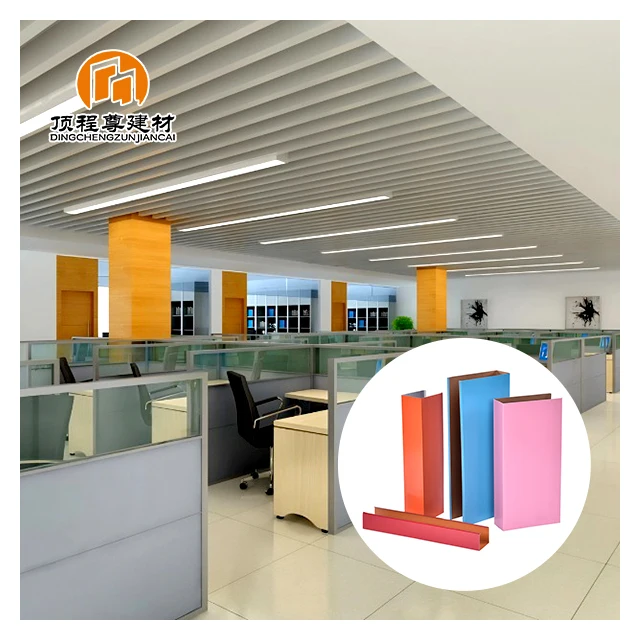
Modern Office Building Metal Ceiling Material Aluminum Baffle Ceiling Five-star Hotel Ceiling
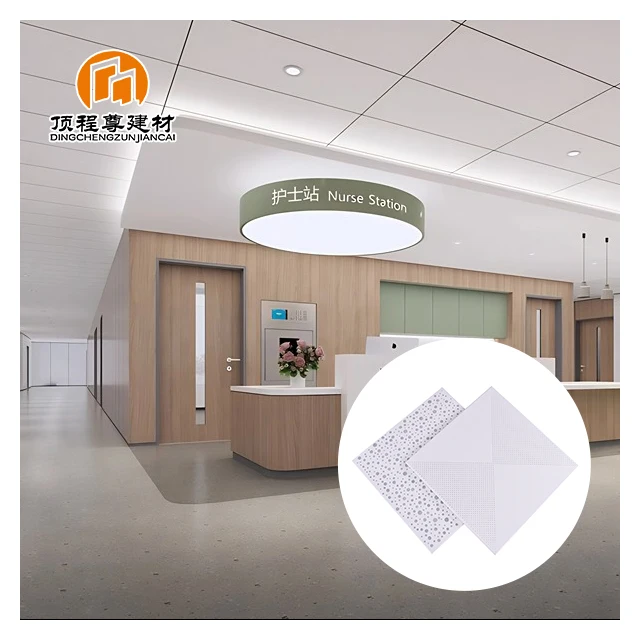
Hospital Clip in Ceiling Metal Suspended Ceiling
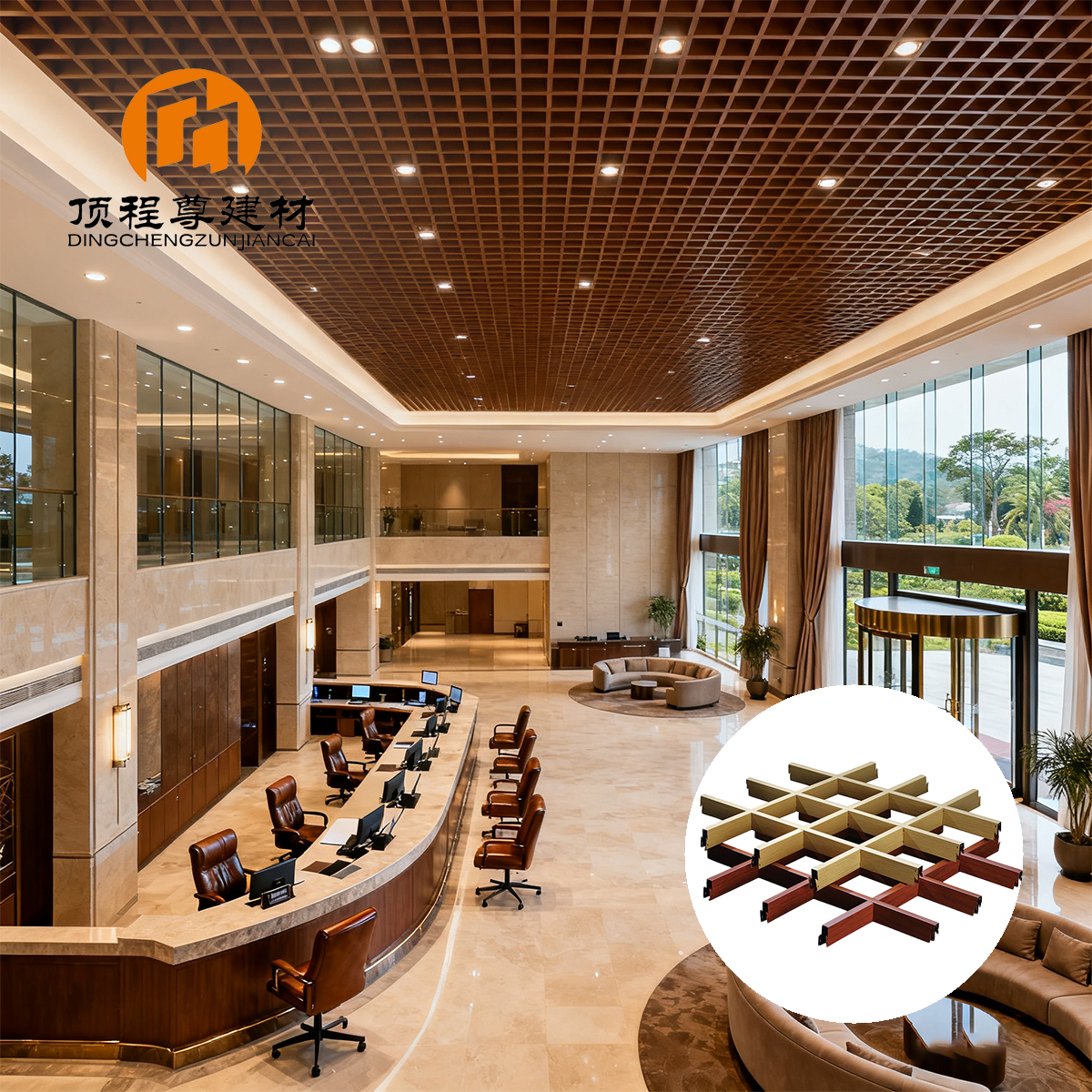
Wood Grain Aluminum Grille Ceiling Tiles for Hotel & Lobby Decoration
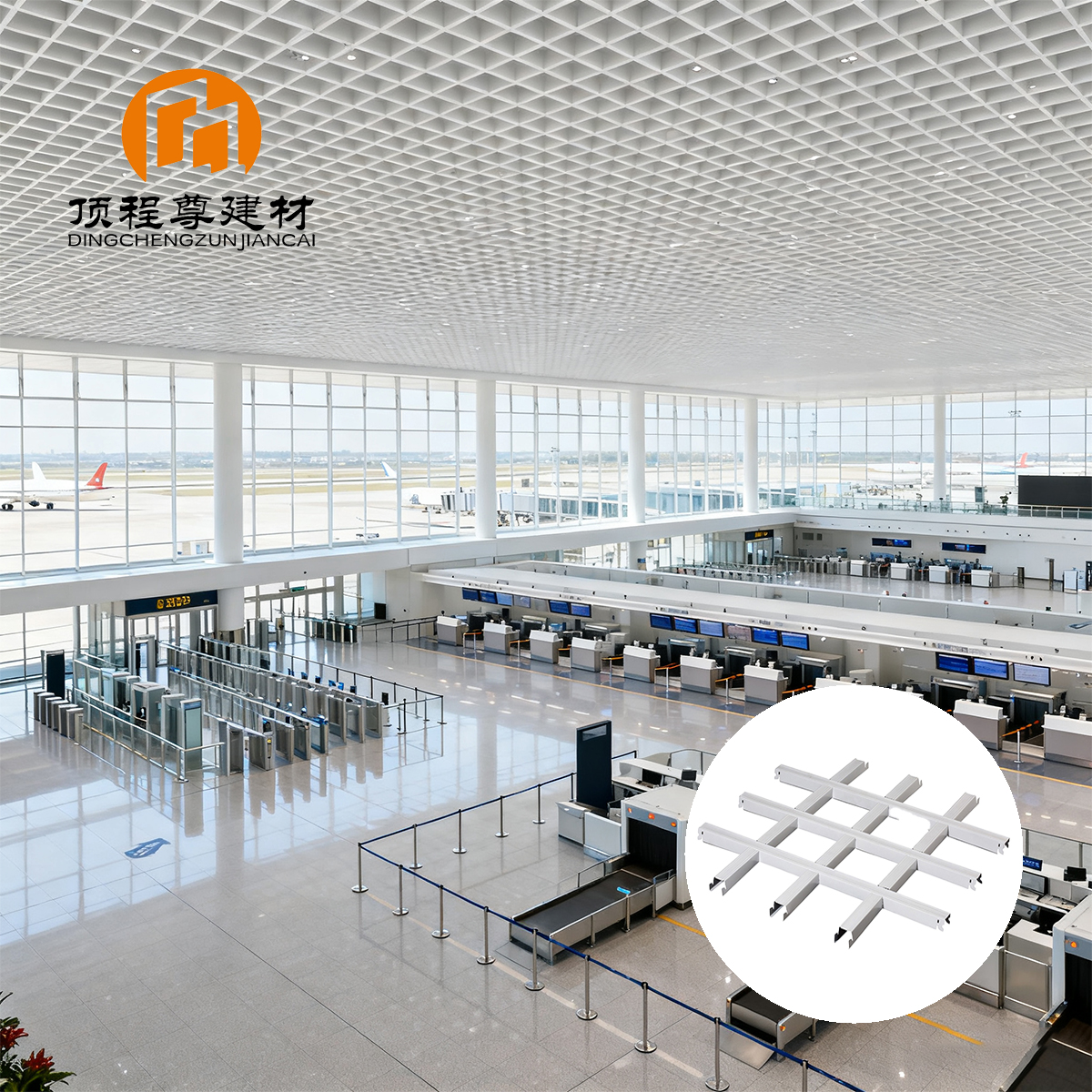
Fireproof Aluminum Open Cell Ceiling Grid for Airport & Transit Projects
 EN
EN