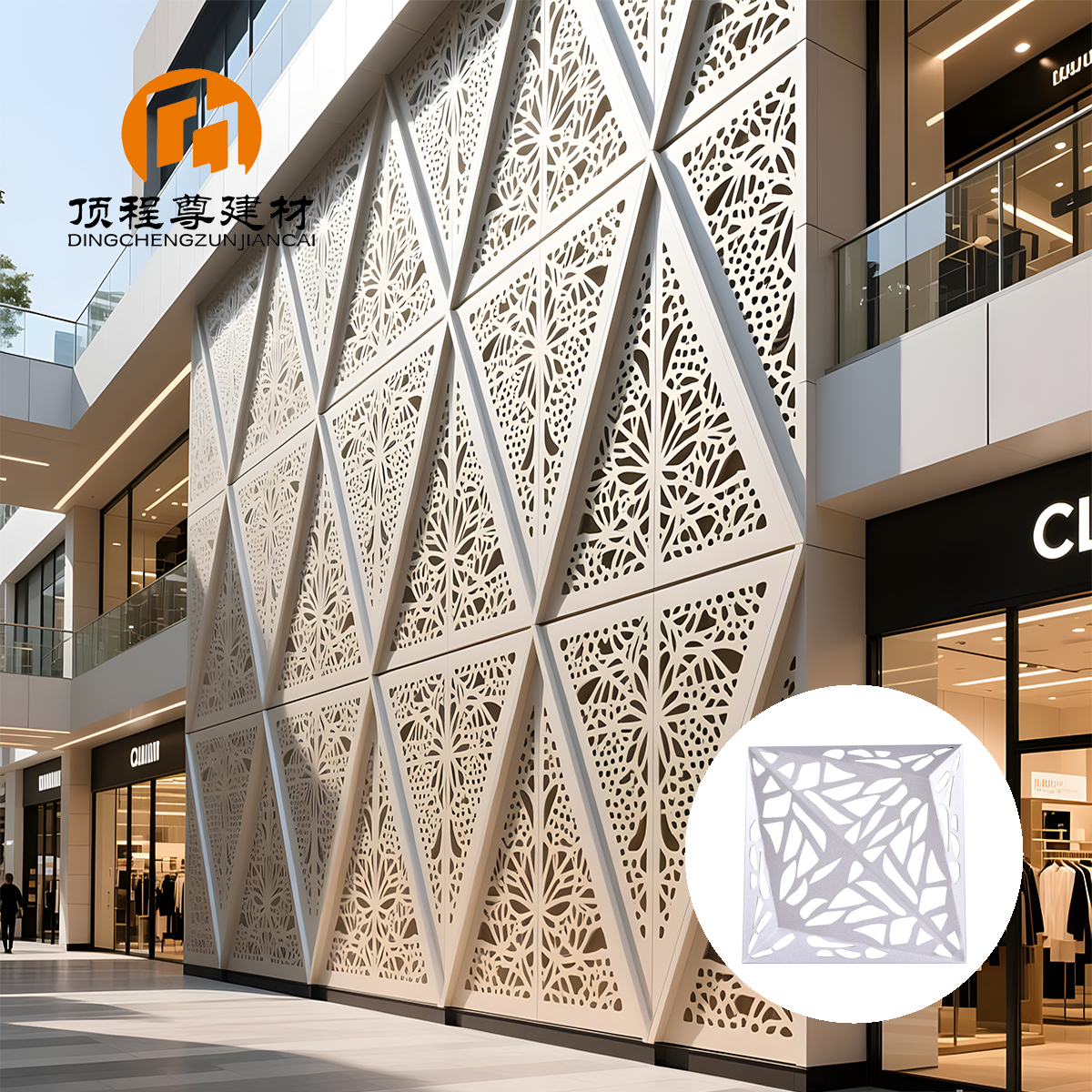
সজ্জামূলক ফ্যাসাড ক্ল্যাডিংয়ের জন্য কাস্টম লেজার কাট অ্যালুমিনিয়াম প্যানেল, যা স্বতন্ত্র স্থাপত্য স্কিন, প্রবেশদ্বারের বৈশিষ্ট্য স্ক্রিন, পোডিয়াম ফ্যাসাড, পার্কিং স্ক্রিন এবং আধুনিক বহির্মুখী ছবি আপগ্রেডের জন্য প্রকৌশলীভাবে ডিজাইন করা হয়েছে।
সজ্জামূলক ফ্যাসাড ক্ল্যাডিংয়ের জন্য লেজার-কাট অ্যালুমিনিয়াম প্যানেলগুলি স্থাপত্য প্রকল্পের জন্য ডিজাইন করা হয়েছে যেখানে বহির্মুখী ফ্যাসাডের উদ্দেশ্য হল দৃশ্যমান পরিচয় এবং ব্যবহারিক ভবন কার্যকারিতা—উভয়ই প্রদান করা। স্ট্যান্ডার্ড কঠিন অ্যালুমিনিয়াম ক্ল্যাডিংয়ের বিপরীতে, লেজার-কাট প্যানেলগুলি ফ্যাসাডকে একটি ডিজাইন করা পৃষ্ঠ হিসেবে রূপান্তরিত করে যাতে নকশা, ছন্দ, স্বচ্ছতা এবং আলোর সাথে পারস্পরিক ক্রিয়া ঘটে। এগুলি বাণিজ্যিক ভবন, আতিথেয়তা প্রকল্প, সরকারি স্থাপত্য, পরিবহন ভবন এবং শক্তিশালী স্থাপত্য ছবি প্রয়োজন এমন পুনর্নির্মাণ প্রকল্পের জন্য বিশেষভাবে উপযুক্ত।
অনেক আধুনিক ফ্যাসাড প্রকল্পে, লেজার-কাট অ্যালুমিনিয়াম প্যানেলগুলিকে সজাবহুল বাহ্যিক আবরণ, স্থাপত্য স্ক্রিন, প্রবেশদ্বারের বৈশিষ্ট্য, ব্র্যান্ডযুক্ত ফ্যাসাড অঞ্চল এবং ছবি-উন্নয়ন ক্ল্যাডিং স্তর হিসাবে ব্যবহার করা হয়। এগুলি সাধারণ সমতল প্যানেলের তুলনায় আরও অভিব্যক্তিপূর্ণ চেহারা প্রদান করতে পারে, যদিও অ্যালুমিনিয়ামের ব্যবহারিক সুবিধাগুলি—যেমন হালকা ওজন, নির্মাণের নমনীয়তা এবং তুলনামূলকভাবে সহজে ইনস্টল করা যায়—এগুলি অক্ষুণ্ণ রাখে।
এই প্যানেলগুলি প্রকল্পের ড্রয়িং অনুযায়ী সমতল, বক্র, ভাঁজ করা, ছিদ্রযুক্ত এবং অন্যান্য বিশেষ আকৃতির রূপে নির্মিত হতে পারে। নকশার জ্যামিতি, খোলার পরিমাণ, প্যানেলের মাপ, প্রান্ত ফেরত এবং ফিনিশ সিস্টেম—সবগুলিই ডিজাইনের উদ্দেশ্য এবং ইনস্টলেশনের প্রয়োজনীয়তা অনুযায়ী সামঞ্জস্যযোগ্য। যখন সঠিকভাবে ডিজাইন করা হয় এবং নির্মিত হয়, তখন লেজার-কাট অ্যালুমিনিয়াম প্যানেলগুলি একটি উচ্চ-প্রভাবশালী সজাবহুল ফ্যাসাড সমাধান তৈরি করতে পারে যা দৃশ্যগতভাবে বিশিষ্ট এবং বহিরঙ্গন ব্যবহারের জন্য উপযুক্ত।
স্থপতি, ডিজাইনার, ঠিকাদার এবং প্রকল্প ক্রয়কারীদের জন্য, লেজার-কাট অ্যালুমিনিয়াম ফ্যাসাড প্যানেলগুলির মূল্য শুধুমাত্র সজ্জার মধ্যেই সীমাবদ্ধ নয়, বরং এটি একটি ভবনকে চরিত্র প্রকাশ করতে সহায়তা করে এমন ক্ষমতার মধ্যেও নিহিত। একটি ভালভাবে ডিজাইন করা লেজার-কাট ফ্যাসাড দিনের বেলায় একটি আরও স্মরণীয় উচ্চতা তৈরি করতে পারে এবং রাতের বেলায় আলোকসজ্জা প্রয়োগ করলে এটি ভবনকে আরও শক্তিশালী স্থাপত্য উপস্থিতি প্রদান করে।
ঘন অ্যালুমিনিয়াম প্যানেলগুলি একটি পরিষ্কার ফ্যাসাড তৈরি করতে পারে, কিন্তু যখন প্রকল্পে আরও দৃশ্যমান গভীরতা বা শক্তিশালী সজ্জামূলক পরিচয়ের প্রয়োজন হয়, তখন এগুলি সীমিত হয়ে পড়ে। লেজার-কাট প্যানেলগুলি বহির্মুখী পৃষ্ঠে নকশা, খোলামেলা এবং স্থাপত্য ছন্দ যোগ করতে সক্ষম হয়—যা একটি ঘন প্যানেল প্রদান করতে পারে না।
লেজার কাট প্যানেল এবং ছিদ্রযুক্ত প্যানেলগুলি সম্পূর্ণরূপে একই নয়। স্ট্যান্ডার্ড ছিদ্রযুক্ত প্যানেলগুলি সাধারণত গোলাকার, বর্গাকার বা ফাঁকা চিহ্নিত (স্লটেড) প্যাটার্নের মতো পুনরাবৃত্তিমূলক ছিদ্র বিন্যাসের উপর ভিত্তি করে তৈরি হয়। লেজার কাট প্যানেলগুলি আরও কাস্টমাইজড এবং গ্রাফিক আকৃতির অনুমতি দেয়, যা এগুলিকে বৈশিষ্ট্যপূর্ণ ফ্যাসাড, ব্র্যান্ডেড বহির্ভাগ এবং আরও বিশিষ্ট স্থাপত্য ভাষা প্রয়োজন এমন প্রকল্পগুলির জন্য আরও উপযুক্ত করে তোলে।
লেজার কাট ফ্যাসাড বিভিন্ন আলোক পরিস্থিতিতে ভিন্নভাবে কাজ করতে পারে। দিনের আলোয়, কাটের জ্যামিতি ছায়ার গতি এবং পৃষ্ঠের টেক্সচার তৈরি করে। রাতে, একই প্যাটার্ন ব্যাকলাইটিং, অভ্যন্তরীণ আলোর ছড়ানো বা ফ্যাসাড আলোকসজ্জার সাথে মিথস্ক্রিয়া করে একটি আরও শক্তিশালী দৃশ্যমান প্রভাব সৃষ্টি করতে পারে। এটি লেজার কাট প্যানেলগুলি বাণিজ্যিক ও হোটেল বহির্ভাগে ব্যাপকভাবে ব্যবহৃত হওয়ার একটি প্রধান কারণ।
লেজার কাট ফ্যাসাড প্যানেলগুলি শুধুমাত্র চেহারা ছাড়াও ব্যবহারিক সুবিধা প্রদান করতে পারে। নকশার ঘনত্ব এবং খোলা অংশের পরিমাণের উপর নির্ভর করে, এগুলি পার্কিং ফ্যাসাড, সরঞ্জাম লুকানোর অঞ্চল, পোডিয়াম স্ক্রিন এবং সংক্রমণকারী বহির্মুখী স্থানগুলিতে বায়ুপ্রবাহ সমর্থন, আংশিক আবরণ বা নিয়ন্ত্রিত দৃশ্যমানতা প্রদান করতে পারে।
যখন সঠিক অ্যালয়, পুরুত্ব এবং বহির্মুখী ফিনিশ নির্বাচন করা হয়, তখন লেজার কাট অ্যালুমিনিয়াম প্যানেলগুলিকে চাহিদাপূর্ণ বহির্মুখী পরিবেশে সজাবহুল ফ্যাসাড ক্ল্যাডিংয়ের জন্য ব্যবহার করা যেতে পারে। এটি এমন প্রকল্পগুলির জন্য উপযুক্ত করে তোলে যেখানে বহির্মুখী ব্যবহারযোগ্যতা কমিয়ে দেওয়া ছাড়াই ডিজাইনের স্বাধীনতা অর্জন করা হয়। 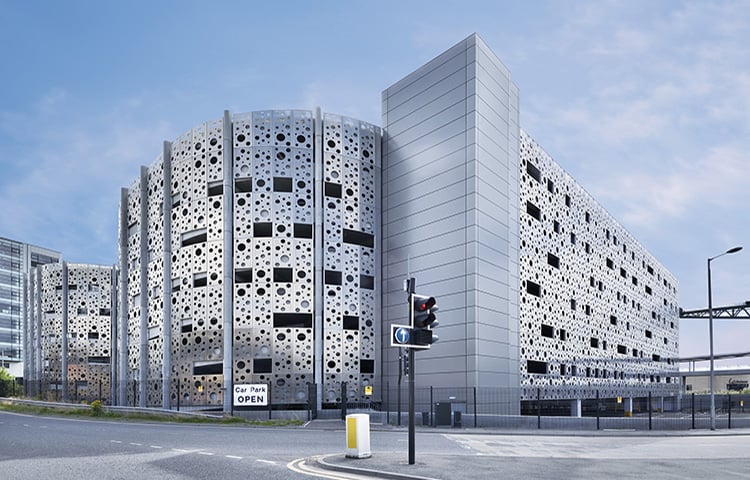
অ্যালুমিনিয়াম একটি ব্যবহারিক ফ্যাসাড উপাদান হিসেবে টিকে থাকে কারণ এটি কম ওজন এবং প্রস্তুতকরণের নমনীয়তা উভয়কেই একত্রিত করে। সজাবহুল ক্ল্যাডিংয়ের ক্ষেত্রে, এটি হ্যান্ডলিংয়ের কষ্ট হ্রাস করতে, ইনস্টলেশনের দক্ষতা বৃদ্ধি করতে এবং বড় বহির্মুখী বৈশিষ্ট্য প্যানেলগুলিকে আরও পরিচালনাযোগ্য করতে সাহায্য করে।
লেজার কাটিংয়ের মাধ্যমে জ্যামিতিক, জৈব, রৈখিক, ব্র্যান্ডেড এবং সম্পূর্ণ কাস্টমাইজড দৃশ্যমান প্যাটার্ন তৈরি করা সম্ভব। এটি স্থাপত্য ডিজাইনার এবং ফ্যাসাড ডিজাইনারদের ভবনের বাহ্যিক পরিচয় গঠনের জন্য আরও বেশি স্বাধীনতা প্রদান করে।
অপেক্ষাকৃত মৌলিক কাটিং পদ্ধতির তুলনায়, লেজার কাটিং পরিষ্কার প্যাটার্ন প্রান্ত এবং আরও নিয়ন্ত্রিত দৃশ্যমান বিশদ তৈরি করতে পারে। এটি বিশেষভাবে গুরুত্বপূর্ণ যেখানে সজাবহুল ফ্যাসাড প্রকল্পগুলিতে প্যাটার্নটিই স্থাপত্য অভিব্যক্তির অংশ।
এই পণ্যটি বিশেষভাবে সেইসব প্রকল্পে ভালোভাবে কাজ করে যেখানে ফ্যাসাডকে একটি স্বতন্ত্র দৃশ্যমান উপাদান হিসেবে ব্যবহার করতে হয়, যেমন— প্রবেশদ্বারের স্ক্রিন, পোডিয়াম স্কিন, খুচরা বিক্রয় ফ্যাসাড বৈশিষ্ট্য, হোটেলের বাহ্যিক বিবৃতি এবং স্থাপত্য স্ক্রিনিং স্তর।
লেজার কাট অ্যালুমিনিয়াম প্যানেলগুলি সমতল প্যানেল, ভাঁজ করা ইউনিট, বক্রাকার আকৃতি, রিটার্ন-এজ প্যানেল এবং কাস্টম-আকৃতির সজ্জামূলক টুকরো হিসাবে তৈরি করা যেতে পারে। এই নমনীয়তা এদের সরল আধুনিক ফ্যাসাড এবং আরও ভাস্কর্যমূলক বহির্মুখী ধারণার উভয় ক্ষেত্রেই উপযুক্ত করে তোলে।
সজ্জামূলক বহির্মুখী প্রয়োগের ক্ষেত্রে, ফিনিশ নির্বাচন অত্যন্ত গুরুত্বপূর্ণ। উপযুক্ত কোটিং সিস্টেম এবং সঠিক তৈরি নিয়ন্ত্রণের সাথে, লেজার কাট অ্যালুমিনিয়াম প্যানেলগুলিকে বাইরের ফ্যাসাড পরিবেশে ব্যবহার করা যেতে পারে যেখানে চেহারা ধরে রাখা এবং আবহাওয়ার প্রতি টেকসইতা গুরুত্বপূর্ণ।
প্যাটার্ন ডিজাইন স্থাপত্য ধারণা, মুড বোর্ড, লোগো রেফারেন্স, সিএডি ড্রয়িং বা প্রকল্পের ব্র্যান্ডিং প্রয়োজনীয়তা থেকে বিকশিত করা যেতে পারে। কিছু প্রকল্প সংযত জ্যামিতিক স্ক্রিনিং পছন্দ করে, অন্যদিকে কিছু প্রকল্পে আরও অভিব্যক্তিপূর্ণ সজ্জামূলক গ্রাফিক্সের প্রয়োজন হয়। প্যাটার্নটি দর্শন দূরত্ব, প্রকল্পের ছবি এবং ফ্যাসাডের স্কেলের সাথে মেল রাখার জন্য কাস্টমাইজ করা যেতে পারে।
আমরা প্রকল্পের জ্যামিতি এবং ফ্যাসাড লেআউটের সাথে সামঞ্জস্যপূর্ণ হওয়ার জন্য সমতল সজ্জামূলক প্যানেল, বক্রাকার ইউনিট, ভাঁজ করা প্যানেল, কোণার টুকরো, রিটার্ন-এজ প্যানেল এবং অন্যান্য কাস্টম-আকৃতির উপাদানগুলির সমর্থন করি।
প্যানেলের আকার এবং পুরুত্ব ডিজাইনের উদ্দেশ্য এবং প্রকৌশলগত প্রয়োজনীয়তা অনুযায়ী নির্বাচন করা উচিত। সজ্জামূলক ফ্যাসাড প্যানেলগুলি শুধুমাত্র নকশা দেখে নির্বাচন করা উচিত নয়। বড় প্যানেলের আকার, বেশি খোলা নকশা এবং উচ্চতর প্রকাশের শর্তাবলী সাধারণত পুরুত্ব এবং সমর্থনের বিবরণগুলির আরও ঘনিষ্ঠ পর্যালোচনা প্রয়োজন করে।
এজ রিটার্নের গভীরতা, দৃঢ়ীকরণের প্রয়োজনীয়তা, স্থাপন পদ্ধতি এবং সহনশীলতা নিয়ন্ত্রণ—সবগুলোই সজ্জামূলক ফ্যাসাড ক্ল্যাডিং-এর চূড়ান্ত চেহারা এবং ইনস্টলেশনের গুণগত মানকে প্রভাবিত করে। উৎপাদনের আগে এই বিবরণগুলি প্যানেলের আকার এবং কাট অনুপাতের সাথে একসাথে পর্যালোচনা করা উচিত।
লেজার কাট ফ্যাসাড প্রকল্পের জন্য, নির্মাণের আগে নিশ্চিতকৃত অঙ্কনগুলি অত্যন্ত প্রশংসনীয়। প্যাটার্ন অনুমোদন, প্যানেল লেআউট নিশ্চিতকরণ এবং প্রান্ত বিবরণ পর্যালোচনা দৃশ্যমান অসামঞ্জস্যতা হ্রাস করতে এবং সাইটে ইনস্টলেশন সময় সামঞ্জস্য কমাতে সহায়তা করতে পারে। 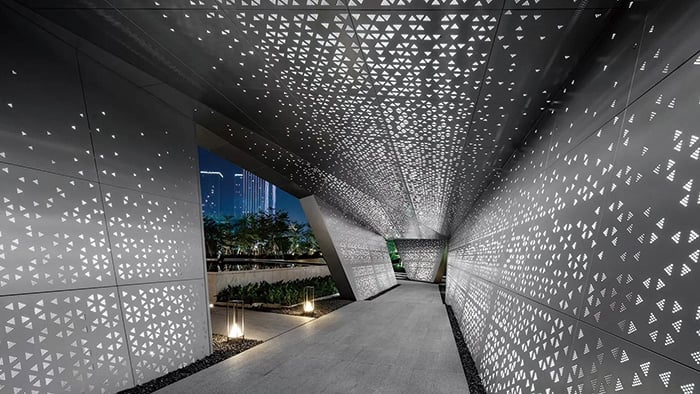
পণ্যের নাম: সজ্জামূলক ফ্যাসাড ক্ল্যাডিংয়ের জন্য লেজার-কাট অ্যালুমিনিয়াম প্যানেল
উপাদান: অ্যালুমিনিয়াম অ্যালয়
সাধারণ মিশ্র ধাতু বিকল্পগুলি: ১১০০ / ৩০০৩ / ৫০০৫ / ৬০৬৩ অথবা প্রকল্পের প্রয়োজন অনুযায়ী
সাধারণ পুরুত্ব: প্যানেলের আকার, প্যাটার্নের খোলামেলা অবস্থা, সমর্থন পদ্ধতি এবং প্রকল্পের শর্ত অনুযায়ী পর্যালোচনা করা হবে
প্যানেল ধরন: সমতল / বক্র / ভাঁজ করা / লেজার কাট / ছিদ্রযুক্ত / কাস্টম-আকৃতির
প্যাটার্নের ধরন: জ্যামিতিক, রৈখিক, সজ্জামূলক, বিমূর্ত, ব্র্যান্ডেড, কাস্টম ডিজাইন
পৃষ্ঠের ফিনিশ: PVDF কোটিং, PE কোটিং, পলিয়েস্টার পাউডার কোটিং, অন্যান্য প্রয়োজনীয় সজ্জামূলক ফিনিশ
রঙের বিকল্প: সাদা, কালো, রৌপ্য-ধূসর, ব্রোঞ্জ, চ্যাম্পেইন, কাঠের শস্য, কাস্টম RAL রং
নির্মাণ প্রক্রিয়া: CNC কাটিং, লেজার কাটিং, বেঁকিং, রোলিং, ওয়েল্ডিং, প্রান্ত ফর্মিং
অ্যাপ্লিকেশনগুলি: সজ্জামূলক ফ্যাসাড ক্ল্যাডিং, প্রবেশদ্বার বৈশিষ্ট্য স্ক্রিন, পোডিয়াম স্কিন, পার্কিং ফ্যাসাড স্ক্রিন, বহির্ভাগের স্ক্রিন ওয়াল, ছবি-উন্নয়ন ফ্যাসাড
প্যাকেজিং: সুরক্ষামূলক ফিল্ম, কোণ সুরক্ষা, শক্তিশালী কার্টন, রপ্তানি পাঠানোর জন্য কাঠের ক্রেট
যদি প্রকল্পের কাটিংয়ের নির্ভুলতা, চকচকে পর্যায়, অগ্নিসম্পর্কিত প্রকল্পের মানদণ্ড, ফিনিশ সিস্টেম, প্যাটার্ন অনুমোদন বা ইনস্টলেশন বিবরণের জন্য নির্দিষ্ট প্রয়োজনীয়তা থাকে, তবে বাল্ক উৎপাদনের আগে এই বিষয়গুলো নিশ্চিত করা উচিত।
লেজার-কাট অ্যালুমিনিয়াম প্যানেলগুলি একটি সাধারণ বিল্ডিং এনভেলপকে একটি চিহ্নিত স্থাপত্য ত্বকে পরিণত করতে পারে। এটি বিশেষভাবে খুচরা বিক্রয়, আতিথেয়তা, সাংস্কৃতিক এবং সরকারি প্রকল্পগুলিতে কার্যকর, যেখানে ভবনের বাহ্যিক অংশে একটি শক্তিশালী পরিচয় প্রয়োজন।
প্যাটার্ন কেবল সজ্জা নয়। এটি দূর থেকে ভবনটি কীভাবে পঠিত হয় এবং পথচারী স্কেলে ফ্যাসাডটি কীভাবে অনুভূত হয় তা নির্ধারণ করে। একটি ভালোভাবে উন্নত কাটিং ডিজাইন বহিরাবরণকে আরও নির্বিঘ্ন, আরও স্তরযুক্ত এবং আরও স্মরণীয় করে তুলতে পারে।
লেজার কাট সজ্জিত ফ্যাসাডগুলি প্রায়শই দুটি ভিন্ন দৃশ্যমান অভিজ্ঞতা সৃষ্টি করে। দিবালোকে, নকশাটি টেক্সচার এবং ছায়া তৈরি করে। রাত্রিকালে, আলোকসজ্জা কাট করা পৃষ্ঠটিকে সক্রিয় করতে পারে এবং ভবনের চিত্রকে শক্তিশালী করতে পারে। এটি হোটেল, শপিং মল, বিনোদন কেন্দ্র এবং গুরুত্বপূর্ণ প্রবেশদ্বারের জন্য লেজার কাট ক্ল্যাডিং-কে বিশেষভাবে কার্যকর করে তোলে।
কিছু ফ্যাসাড অঞ্চলের প্রকাশ এবং আংশিক আবদ্ধতা—উভয়েরই প্রয়োজন হয়। লেজার কাট প্যানেলগুলি পার্কিং স্ক্রিন, সরঞ্জাম অঞ্চল, পডিয়াম ফ্যাসাড এবং সেমি-ওপেন সংক্রমণ স্থানগুলিতে এই ভারসাম্য অর্জনে সহায়তা করতে পারে, যেখানে সম্পূর্ণ আবদ্ধতা প্রয়োজন হয় না।
যেসব প্রকল্পে ফ্যাসাডকে প্রিমিয়াম অবস্থান বা চিনা যাওয়া ব্র্যান্ডিং সমর্থন করতে হবে, সেখানে লেজার কাট ক্ল্যাডিং সাধারণ সমতল ধাতব প্যানেলের তুলনায় প্রায়শই বেশি মূল্য সৃষ্টি করে।
প্যাটার্ন ঘনত্ব শুধুমাত্র কম্পিউটার স্ক্রিনে দেখে নির্বাচন করা উচিত নয়। কাছ থেকে আকর্ষক মনে হওয়া একটি প্যাটার্ন রাস্তা থেকে দেখলে অত্যধিক ঘন মনে হতে পারে, অন্যদিকে খুব খোলা প্যাটার্ন দূর থেকে দেখলে দৃশ্যগত স্পষ্টতা হারাতে পারে। প্রবেশদ্বারের বৈশিষ্ট্য, পোডিয়াম ফ্যাসাড এবং টাওয়ার স্কিনগুলি প্রায়শই ভিন্ন ভিন্ন প্যাটার্ন ঘনত্ব প্রয়োজন করে, কারণ দেখার দূরত্ব ভিন্ন হয়।
আরও খোলা প্যাটার্নগুলি বায়ুপ্রবাহ, স্বচ্ছতা এবং আলোক প্রতিক্রিয়াকে উন্নত করতে পারে, যা পার্কিং স্ক্রিন বা আংশিক-খোলা ফ্যাসাড অঞ্চলের জন্য উপযুক্ত হতে পারে। ঘন প্যাটার্নগুলি সাধারণত একটি শক্তিশালী সজাবহুল পৃষ্ঠ এবং আরও বেসরকারী দৃশ্যগত প্রভাব তৈরি করে, যা ব্র্যান্ডযুক্ত প্রবেশদ্বার বা বৈশিষ্ট্য দেয়ালের জন্য আরও উপযুক্ত হতে পারে।
লেজার কাট সজ্জিত প্যানেলগুলির শুধুমাত্র দৃশ্যগত পর্যালোচনা করলে চলবে না। যখন প্যাটার্নটি আরও খোলা হয়ে যায় অথবা প্যানেলটি বড় হয়ে যায়, তখন কঠোরতা এবং সমর্থন শর্তগুলির প্রতি আরও ঘনিষ্ঠভাবে মনোযোগ দেওয়া প্রয়োজন। এই কারণে প্রস্থ, কাট অনুপাত, প্যানেলের মাত্রা এবং ইনস্টলেশন সিস্টেম—সবগুলোকে একসাথে পর্যালোচনা করা উচিত।
যখন প্রকল্পে একটি অনন্য সজ্জিত প্যাটার্ন, ব্র্যান্ড প্রকাশ বা আরও কাস্টম গ্রাফিক নিয়ন্ত্রণের প্রয়োজন হয়, তখন লেজার কাট প্যানেলগুলি সাধারণত ভালো বিকল্প হয়। যখন ডিজাইনে পুনরাবৃত্তিমূলক ছিদ্র বিন্যাস ব্যবহার করা যায় এবং প্রকল্পটি একটি আরও নিয়মিত স্ক্রিনিং প্রভাবকে অগ্রাধিকার দেয়, তখন স্ট্যান্ডার্ড পারফোরেটেড প্যানেলগুলি প্রায়শই বেশি উপযুক্ত হয়।
বহির্মুখী সজ্জামূলক ক্ল্যাডিং-এর জন্য, ফিনিশ নির্বাচন করার সময় প্রকল্পের অবস্থান, প্রত্যাশিত সেবা আয়ু, আলোক প্রকাশের মাত্রা, রক্ষণাবেক্ষণের প্রয়োজনীয়তা এবং চূড়ান্ত দৃশ্যমান লক্ষ্য বিবেচনা করা উচিত। অভ্যন্তরীণ সজ্জামূলক স্ক্রিনগুলির জন্য উপযুক্ত ফিনিশটি প্রকাশিত ফ্যাসাড ব্যবহারের জন্য উপযুক্ত হতে পারে না।
লেজার কাট সজ্জা প্রকল্পের জন্য, প্যাটার্ন অনুমোদনকে একটি গুরুত্বপূর্ণ ধাপ হিসেবে বিবেচনা করা উচিত। লাইন প্রস্থ, কাট ব্যবধান, স্কেল এবং আলোর পারস্পরিক ক্রিয়ায় ছোটখাটো পার্থক্য প্যানেল স্থাপনের পর চূড়ান্ত ফ্যাসাড প্রভাবকে উল্লেখযোগ্যভাবে পরিবর্তন করতে পারে।
লেজার কাট অ্যালুমিনিয়াম প্যানেলগুলি প্রধান প্রবেশদ্বার, আগমন অঞ্চল, হোটেল ড্রপ-অফ এলাকা এবং সরকারি ভবনের প্রবেশ বিন্দুগুলিতে ব্যাপকভাবে ব্যবহৃত হয়, যেখানে ফ্যাসাডকে একটি শক্তিশালী প্রথম ধারণা তৈরি করতে হয়।
অনেক মিশ্র-ব্যবহার এবং বাণিজ্যিক প্রকল্পে পোডিয়াম ফ্যাসাডে লেজার কাট প্যানেল ব্যবহার করা হয় গভীরতা তৈরি করতে, দ্বিতীয়ক ভবনের উপাদানগুলি লুকাতে এবং পদচারী স্তরে দৃশ্যমান আকর্ষণ যোগ করতে।
পার্কিং কাঠামোগুলি প্রায়শই একই সময়ে বায়ু প্রবাহ এবং আবরণের প্রয়োজন হয়। লেজার কাট অ্যালুমিনিয়াম প্যানেলগুলি একটি পরিষ্কার স্থাপত্য ছবি প্রদান করতে পারে যদিও একটি আংশিক-উন্মুক্ত ফ্যাসাড অবস্থা বজায় রাখে।
যান্ত্রিক অঞ্চল এবং সেবা এলাকাগুলিকে লেজার-কাট সজ্জিত পর্দা ব্যবহার করে ভবনের বাহ্যিক ডিজাইনের সাথে দৃশ্যগতভাবে একীভূত করা যেতে পারে, যা সরঞ্জামপত্রগুলি লুকিয়ে রাখতে সাহায্য করে এবং ডিজাইনের ধারাবাহিকতা বজায় রাখে।
আতিথেয়তা এবং খুচরা বিক্রয় প্রকল্পগুলিতে প্রায়শই সজ্জিত লেজার-কাট ফ্যাসাড ব্যবহার করা হয় যাতে আরও উচ্চমানের এবং সহজে চেনা যায় এমন বাহ্যিক ছবি তৈরি করা যায়।
যখন ডিজাইনের লক্ষ্য হয় আধুনিক ও অভিব্যক্তিপূর্ণ বাহ্যিক স্থাপত্য তৈরি করা, তখন লেজার-কাট অ্যালুমিনিয়াম ক্ল্যাডিং সংগ্রহালয়, বিদ্যালয়, নাগরিক ভবন, পরিবহন ভবন এবং ফ্যাসাড পুনর্নবীকরণ প্রকল্পগুলিতে সকল ক্ষেত্রেই উপকারী হতে পারে।
প্রকল্পের প্রয়োজনীয়তা অনুযায়ী লেজার-কাট অ্যালুমিনিয়াম প্যানেলগুলিকে সজ্জিত ক্ল্যাডিং সিস্টেম, বাহ্যিক ফ্যাসাড স্কিন, স্ক্রিন ওয়াল এবং কার্টেন ওয়াল-সম্পর্কিত বাহ্যিক সংযোজনগুলিতে একীভূত করা যেতে পারে।
চূড়ান্ত সজ্জামূলক প্রভাবটি প্রধানত সংযোগ সারিবদ্ধকরণ, প্যানেল ব্যবধান, প্রান্ত প্রত্যাবর্তন এবং সন্নিহিত প্যানেলগুলির মধ্যে নকশা অব্যাহতির উপর নির্ভর করে। এই বিশদগুলি ডিজাইন ও নির্মাণ প্রক্রিয়ার শুরুতেই সমন্বয় করা উচিত।
বৃহৎ-ফরম্যাট লেজার কাট প্যানেলগুলি একটি পরিষ্কার ফ্যাসাড প্রভাব তৈরি করতে পারে, কিন্তু এগুলির জন্য দৃঢ়তা, শক্তিকরণ, পরিবহন সুরক্ষা, সংযোগ বিবরণ এবং সাইটে হ্যান্ডলিং-এর বিষয়ে আরও ঘনিষ্ঠভাবে পর্যালোচনা করা প্রয়োজন।
অন্যান্য বহিরঙ্গন ধাতব প্যানেলের মতো, ডিজাইনের সময় তাপমাত্রা পরিবর্তন, সৌর রপ্তানি এবং জলবায়ু অবস্থা বিবেচনা করা উচিত। এটি বিশেষত গাঢ় সমাপ্তি, দীর্ঘ প্যানেল রান এবং অত্যধিক রপ্তানিপূর্ণ উচ্চতার জন্য গুরুত্বপূর্ণ।
অ্যালুমিনিয়াম প্যানেল সিস্টেমগুলি পরে ব্যক্তিগত প্যানেলগুলি ক্ষতিগ্রস্ত হলে স্থানীয় প্রতিস্থাপনকে আরও সহজ করে তোলে। এটি ব্যবহারিক ভবন রক্ষণাবেক্ষণ পরিকল্পনায় একটি সুবিধা হতে পারে।
লেজার কাট সজ্জিত ফ্যাসাড প্যানেলের ক্ষেত্রে, গুণগত মান শুধুমাত্র অ্যালুমিনিয়াম শীটের উপরই নির্ভর করে না। এটি কাটিংয়ের নির্ভুলতা, প্যাটার্নের পুনরাবৃত্তিযোগ্যতা, কিনারা গুণগত মান, প্যানেলের সমতলতা, ফিনিশের সামঞ্জস্যতা এবং ব্যাচ-টু-ব্যাচ চেহারা নিয়ন্ত্রণের উপরও নির্ভর করে।
আমাদের উৎপাদন প্রক্রিয়া নিম্নলিখিত বিষয়গুলির উপর ফোকাস করে:
কাঁচামাল পরিদর্শন
ড্রয়িং এবং প্যাটার্ন নিশ্চিতকরণ
সিএনসি এবং লেজার কাটিংয়ের নির্ভুলতা
কিনারা এবং ফর্মিংয়ের গুণগত মান
ফিনিশ পরীক্ষা
শিপমেন্টের আগে চূড়ান্ত চেহারা পরীক্ষা
বৃহত্তর ফ্যাসাড প্রকল্পের ক্ষেত্রে, সামঞ্জস্যতা বিশেষভাবে গুরুত্বপূর্ণ। এমনকি প্যাটার্ন সাইজিং, কাটিংয়ের গুণগত মান, ঝকঝকে পৃষ্ঠ, বা প্যানেলের আকৃতিতে ক্ষুদ্রতম পার্থক্যও বৃহৎ সজ্জিত উচ্চতায় ইনস্টলেশনের পর দৃশ্যমান হয়ে উঠতে পারে।
খরচ, প্রান্ত ক্ষতি এবং পরিবহন-সম্পর্কিত বিকৃতির ঝুঁকি কমানোর জন্য, প্যানেলগুলি সুরক্ষা ফিল্ম, কোণ সুরক্ষা, শক্তিশালী কার্টন এবং কাঠের ক্রেটে প্যাক করা যেতে পারে, যা পাঠানোর প্রয়োজনীয়তা অনুযায়ী নির্ধারিত হয়।
সম্পূর্ণ উৎপাদন শুরু হওয়ার আগে নকশা মূল্যায়ন, সমাপ্তি পর্যালোচনা এবং সামগ্রিক ফ্যাসাড চেহারা নিশ্চিতকরণের জন্য নমুনা ব্যবস্থা করা যেতে পারে। এটি বিশেষভাবে কাস্টম সজ্জা প্রকল্পগুলির জন্য উপযোগী।
আরও সঠিক উদ্ধৃতি এবং সুগঠিত উৎপাদন পরিকল্পনার জন্য, ক্রেতাদের নিম্নলিখিতগুলি প্রদান করার পরামর্শ দেওয়া হয়:
প্যানেলের মাত্রা বা লেআউট
নকশা ফাইল বা ডিজাইন রেফারেন্স
পুরুত্বের প্রয়োজনীয়তা
ফিনিশ টাইপ
পরিমাণ বা মোট ক্ষেত্রফল
প্রকল্প প্রয়োগ
উপলব্ধ হলে ড্রয়িংগুলি
তথ্যটি যত স্পষ্ট হবে, উপযুক্ত সজ্জিত ফ্যাসাড প্যানেল সমাধান সুপারিশ করা তত সহজ হবে।
প্যাটার্ন পর্যালোচনা, ফিনিশ নিশ্চিতকরণ, ড্রয়িং যোগাযোগ, নমুনা অনুমোদন এবং উৎপাদন পরিকল্পনা—এই সমস্ত কার্যক্রম প্রকল্পের দক্ষতাকে প্রভাবিত করে। এই ধাপগুলিতে আরও ভালো সমন্বয় বিলম্ব কমাতে এবং চূড়ান্ত বাস্তবায়ন উন্নত করতে সাহায্য করতে পারে।
যখন প্রকল্পে কাস্টম গ্রাফিক প্যাটার্ন, শক্তিশালী ফ্যাসাড পরিচয় বা আরও বিশিষ্ট সজ্জিত প্রভাবের প্রয়োজন হয়, তখন এগুলি প্রায়শই ভালো বিকল্প হয়। স্ট্যান্ডার্ড পারফোরেটেড প্যানেলগুলি সাধারণত তখনই বেশি উপযুক্ত হয় যখন ডিজাইন লক্ষ্য অর্জনের জন্য পুনরাবৃত্ত হোল লেআউট যথেষ্ট হয়।
একটি একক মানক উত্তর নেই। উপযুক্ত খোলা এলাকার পরিমাণ দৃশ্যমান উদ্দেশ্য, দর্শন দূরত্ব, স্ক্রিনিং প্রয়োজনীয়তা, বায়ুপ্রবাহের চাহিদা, প্যানেলের আকার এবং সমর্থন শর্তাবলীর উপর নির্ভর করে। অধিক খোলা প্যাটার্নগুলির ক্ষেত্রে সাধারণত কঠোরতা এবং সংযুক্তির বিবরণগুলির বিষয়ে আরও ঘনিষ্ঠভাবে পর্যালোচনা করা প্রয়োজন।
হ্যাঁ। এগুলি পার্কিং ফ্যাসাড স্ক্রিনের জন্য সাধারণত ব্যবহৃত হয়, কারণ এগুলি আংশিক আবদ্ধতা, বায়ুপ্রবাহ সমর্থন এবং আরও স্থাপত্যমূলক বহির্ভাগের ছবি একসাথে প্রদান করতে পারে।
সঠিক ফিনিশ প্রকল্পের প্রকাশের মাত্রা, পরিষেবা আয়ুর প্রত্যাশা এবং চেহারা লক্ষ্যের উপর নির্ভর করে। বহিরঙ্গন সজ্জা ক্ল্যাডিং-এর ক্ষেত্রে, ফিনিশটি বহিরঙ্গন ব্যবহারের জন্য বিশেষভাবে নির্বাচন করা উচিত, যা অভ্যন্তরীণ সজ্জা স্ক্রিনের ফিনিশের মতো চিকিত্সা করা হয় না।
হ্যাঁ। ডিজাইন সামঞ্জস্যতা, মাত্রিক নির্ভুলতা এবং ইনস্টলেশন সমন্বয় উন্নত করার জন্য সজ্জামূলক ফ্যাসাড প্রকল্পগুলির ক্ষেত্রে ড্রয়িং-ভিত্তিক উৎপাদন খুব শক্তিশালীভাবে সুপারিশ করা হয়।
হ্যাঁ। এগুলি বিশেষভাবে প্রবেশদ্বারের স্ক্রিন, পোডিয়ামের সজ্জামূলক স্কিন, বৈশিষ্ট্যযুক্ত উচ্চতা, এবং ব্র্যান্ডেড বহির্মুখী অঞ্চলগুলির জন্য উপযুক্ত যেখানে ফ্যাসাডের একটি শক্তিশালী ডিজাইন উপস্থিতির প্রয়োজন হয়।
প্যাকেজিংয়ে সুরক্ষামূলক ফিল্ম, কোণ সুরক্ষা, শক্তিশালী কার্টন এবং কাঠের ক্রেট অন্তর্ভুক্ত থাকতে পারে, যা পণ্য ও শিপিং ব্যবস্থার উপর নির্ভর করে।
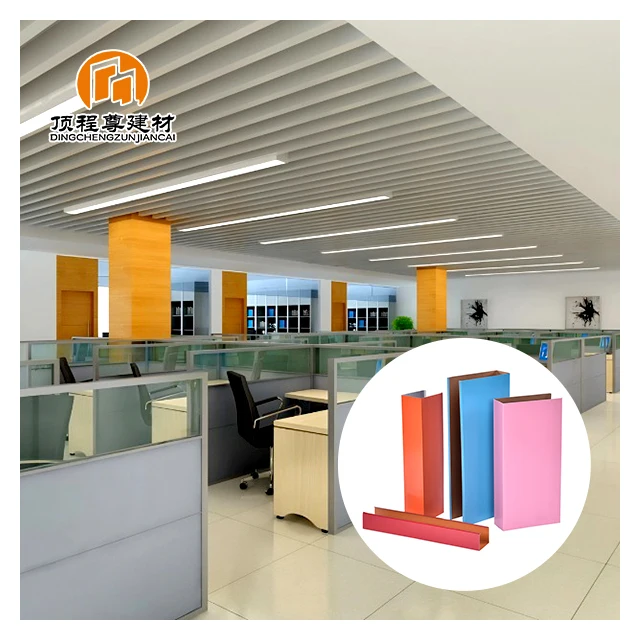
আধুনিক অফিস ভবন মেটালিক ছাদের উপাদান আলুমিনিয়াম ব্যাফল ছাদ পাঁচ-তারকা হোটেল ছাদ
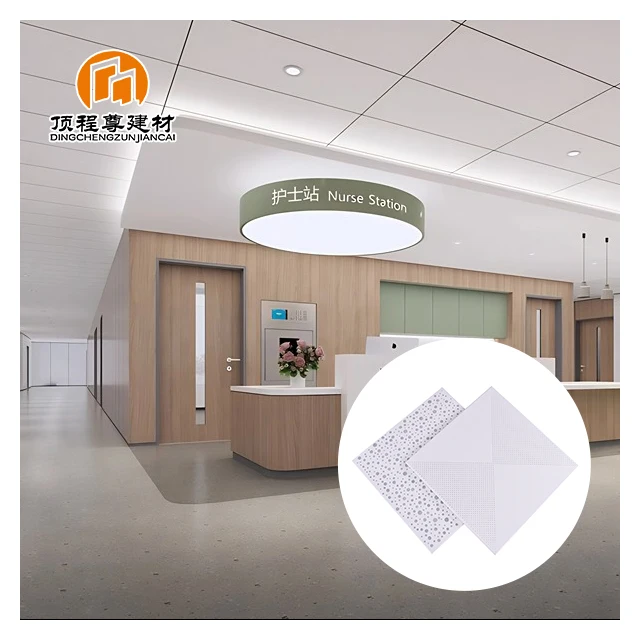
হাসপাতাল ক্লিপ ইন ছাদ মেটাল সাসপেন্ডেড ছাদ
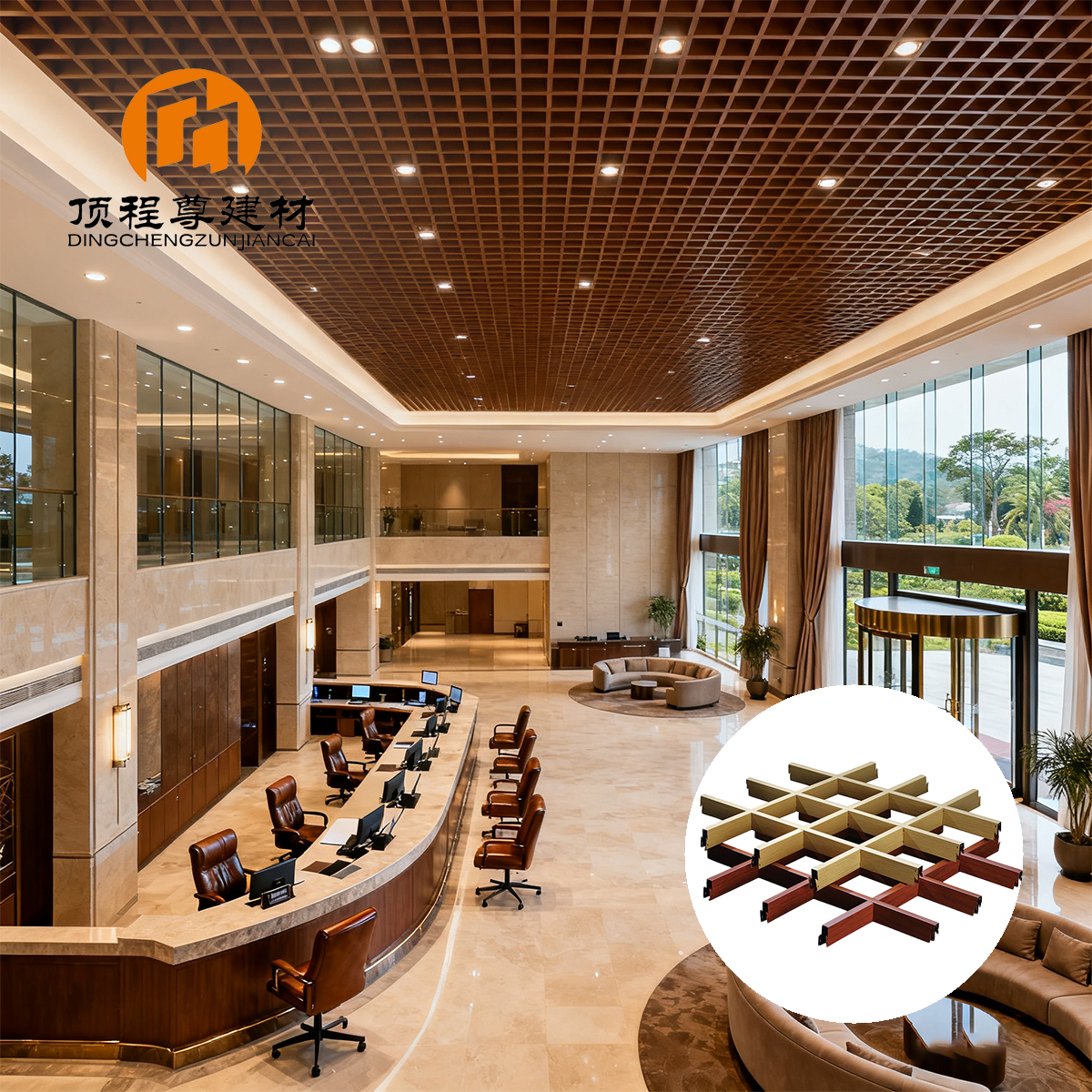
কাঠের শস্য ধারণকারী অ্যালুমিনিয়াম গ্রিল সিলিং টাইলস হোটেল ও লবিতে সজ্জা করার জন্য
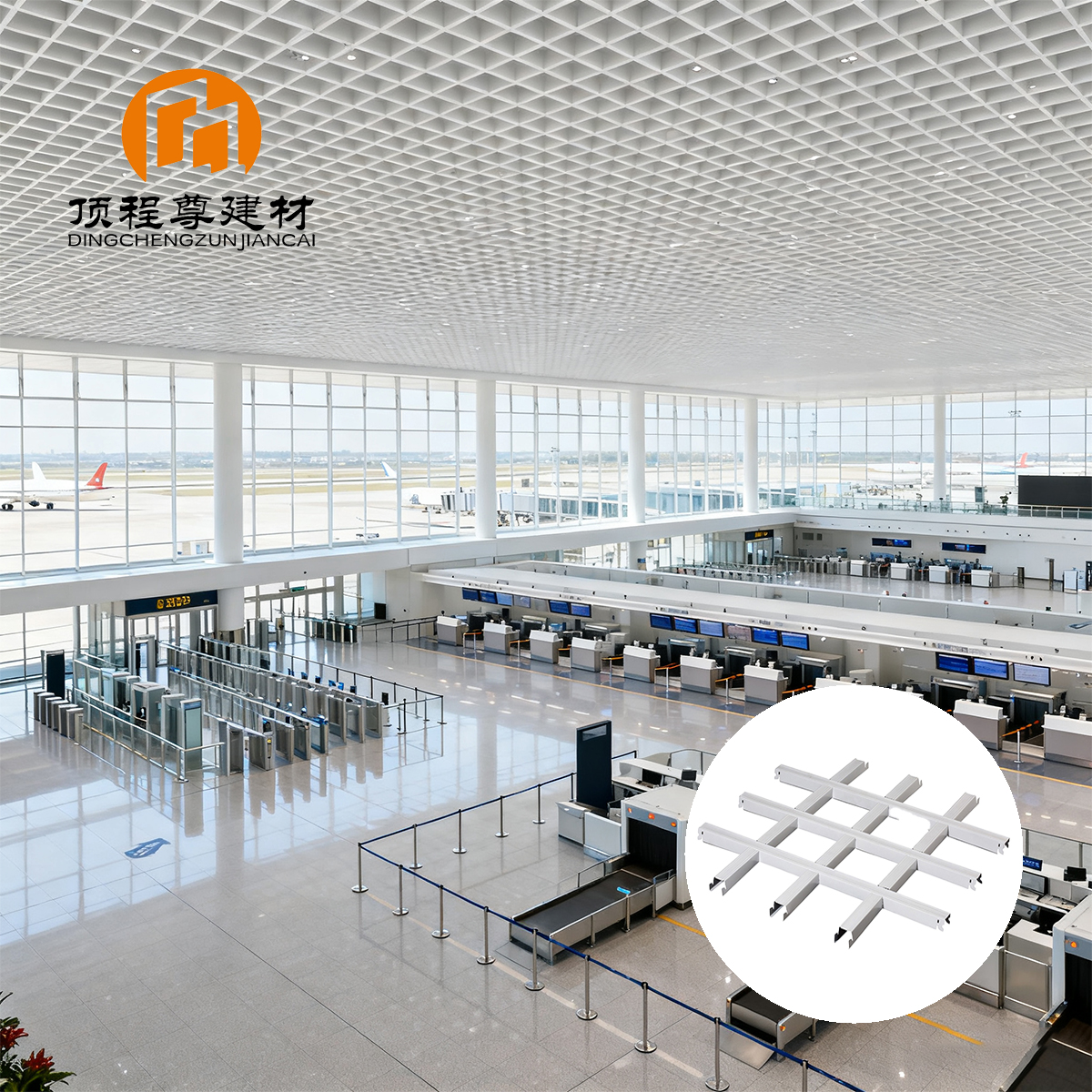
আগুন-প্রতিরোধী অ্যালুমিনিয়াম ওপেন সেল সিলিং গ্রিড বিমানবন্দর ও পরিবহন প্রকল্পের জন্য
 EN
EN