
 EN
EN

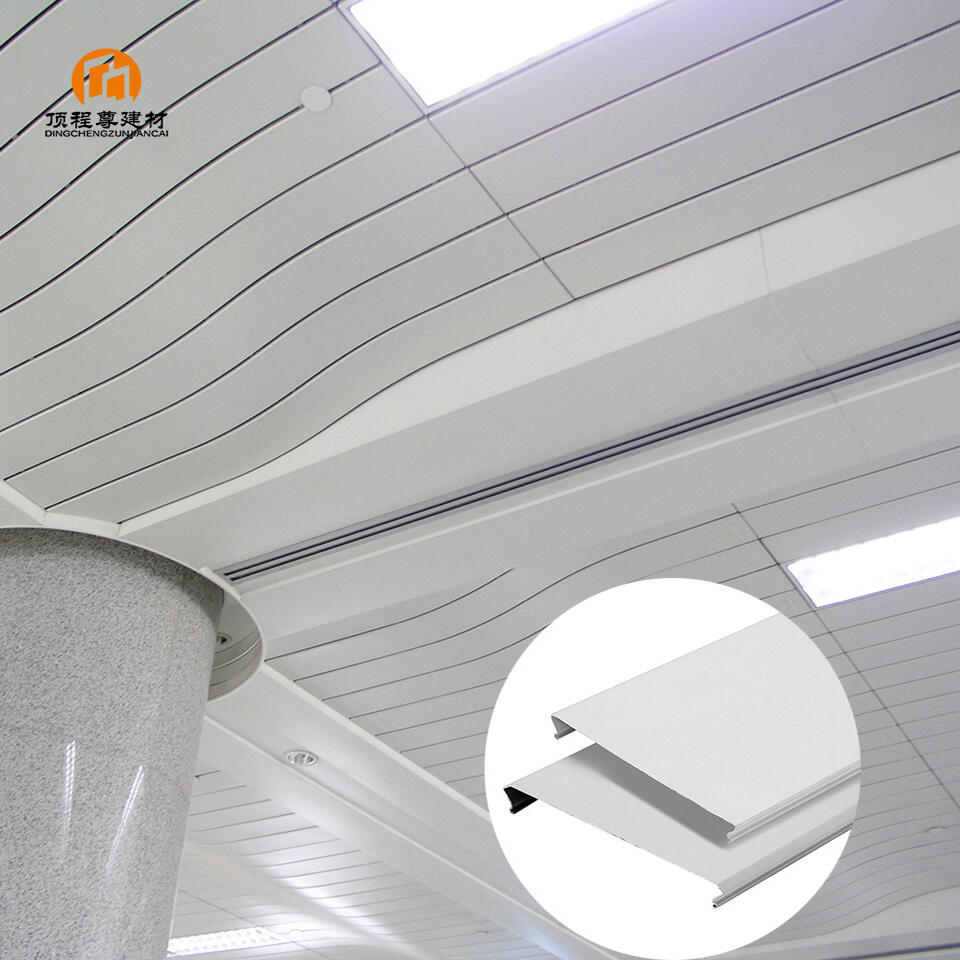
The Evolution of Modern Commercial Ceiling Solutions
In the realm of contemporary architecture and commercial design, aluminum ceilings have emerged as a groundbreaking solution that combines aesthetics with functionality. As airports and shopping malls continue to evolve into more sophisticated spaces, the demand for innovative ceiling systems that can meet complex requirements has grown exponentially. Aluminum ceilings represent the pinnacle of modern architectural ingenuity, offering a perfect blend of style, durability, and practical benefits that make them particularly suited for high-traffic commercial environments.
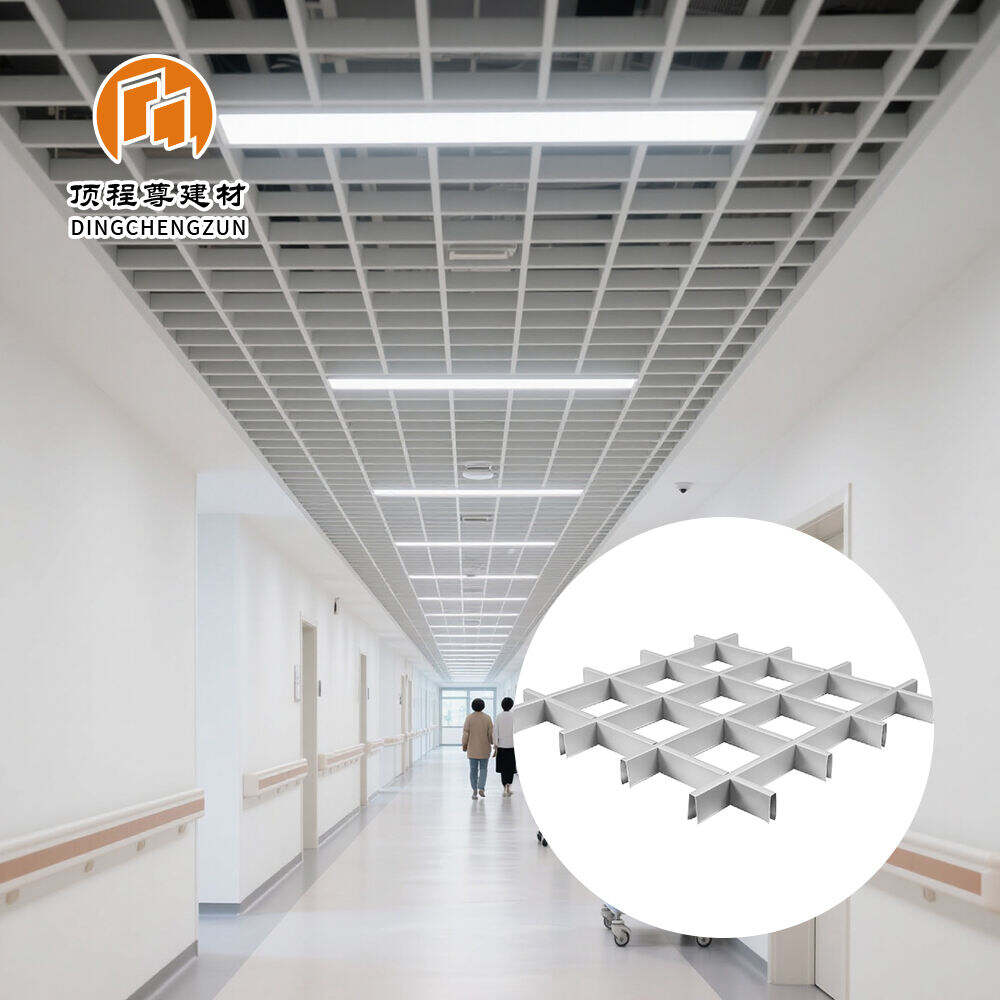
Key Advantages of Aluminum Ceiling Systems
Superior Durability and Longevity
When it comes to commercial spaces that experience constant foot traffic and varying environmental conditions, durability is paramount. Aluminum ceilings excel in this aspect, offering exceptional resistance to wear and tear, moisture, and temperature fluctuations. Unlike traditional ceiling materials, aluminum doesn't warp, rot, or deteriorate over time, ensuring a long-lasting installation that maintains its appearance for decades.
The inherent strength of aluminum means these ceiling systems can withstand the rigors of commercial environments while requiring minimal maintenance. This durability translates to significant cost savings over the lifetime of the installation, making aluminum ceilings a smart investment for large-scale commercial projects.
Exceptional Acoustic Performance
One of the most compelling reasons airports and malls choose aluminum ceilings is their superior acoustic properties. These spaces often struggle with noise management due to their vast open areas and high visitor volumes. Aluminum ceiling systems can be engineered with specific perforation patterns and backing materials to achieve optimal sound absorption and attenuation.
The acoustic performance of aluminum ceilings helps create more comfortable environments for visitors and staff alike. By reducing echo and controlling noise levels, these systems contribute to a more pleasant shopping or travel experience, which is crucial for maintaining customer satisfaction in busy commercial spaces.
Design Versatility and Aesthetic Appeal
Customization Options
Aluminum ceilings offer an impressive range of design possibilities that can complement any architectural vision. Available in various patterns, colors, and finishes, these systems can be customized to create striking visual effects or seamlessly blend with existing décor. From sleek, modern panels to intricate geometric designs, the versatility of aluminum allows architects and designers to achieve their desired aesthetic without compromising on functionality.
The material's adaptability extends to various installation patterns and configurations, enabling creative solutions for challenging spaces. Whether it's a curved ceiling in a mall atrium or a complex installation around airport security equipment, aluminum ceiling systems can be engineered to meet specific design requirements.
Integration with Building Systems
Modern commercial spaces require sophisticated building systems, and aluminum ceilings excel at accommodating these needs. These ceiling systems can be designed to seamlessly integrate lighting, HVAC, security cameras, speakers, and other essential components while maintaining a clean, organized appearance.
The ability to easily access above-ceiling utilities through removable panels makes maintenance and upgrades significantly more efficient, reducing downtime and associated costs. This integration capability is particularly valuable in airports and malls where building systems must be regularly maintained without disrupting operations.
Sustainability and Environmental Benefits
Energy Efficiency
Aluminum ceilings contribute to improved energy efficiency in large commercial spaces. The reflective properties of aluminum can enhance lighting efficiency by reducing the number of fixtures needed while maintaining optimal illumination levels. Additionally, these ceiling systems can be designed to support proper air circulation and temperature control, potentially reducing HVAC energy consumption.
The material's high thermal conductivity helps in maintaining consistent temperatures throughout large spaces, which is particularly important in vast areas like airport terminals and shopping centers. This natural property of aluminum can lead to significant energy savings over time.
Environmental Impact
In an era where sustainability is increasingly important, aluminum ceilings offer compelling environmental benefits. Aluminum is 100% recyclable without loss of quality, and many manufacturers use significant percentages of recycled content in their ceiling products. This commitment to sustainability aligns with green building certifications and environmental standards that many modern commercial projects strive to achieve.
The longevity of aluminum ceilings also contributes to their environmental appeal, as fewer replacements mean less waste and reduced resource consumption over time. This durability, combined with recyclability, makes aluminum ceilings a responsible choice for environmentally conscious building projects.
Safety and Compliance Features
Fire Safety Standards
Safety is paramount in high-traffic commercial spaces, and aluminum ceilings meet or exceed stringent fire safety requirements. The material is naturally fire-resistant and doesn't contribute to flame spread, making it an excellent choice for public spaces where safety is critical. Modern aluminum ceiling systems are designed to comply with international fire safety codes and standards.
These systems can also be integrated with fire suppression systems and emergency lighting while maintaining their aesthetic appeal. The non-combustible nature of aluminum provides an additional layer of safety for building occupants.
Health and Hygiene Considerations
In the post-pandemic era, the health and hygiene aspects of building materials have gained renewed importance. Aluminum ceilings offer significant advantages in this regard, as they are non-porous and resistant to bacterial growth. The smooth surface of aluminum makes it easy to clean and maintain, contributing to better indoor air quality.
These properties are particularly valuable in airports and malls where maintaining high hygiene standards is essential for public health. The ability to withstand regular cleaning and disinfection without degradation makes aluminum ceilings an ideal choice for these applications.
Frequently Asked Questions
How long do aluminum ceilings typically last in commercial installations?
Aluminum ceilings in commercial installations typically last 20-30 years or more with proper maintenance. Their durability and resistance to environmental factors contribute to their exceptional longevity, making them a cost-effective long-term solution for airports and malls.
Are aluminum ceilings more expensive than traditional ceiling materials?
While the initial investment in aluminum ceilings may be higher than some traditional materials, their long-term value proposition is superior when considering factors such as durability, maintenance requirements, and energy efficiency benefits. The total lifecycle cost often proves more economical.
Can aluminum ceilings be installed in existing buildings during renovation?
Yes, aluminum ceiling systems are highly adaptable and can be installed during renovation projects. Their modular nature and variety of mounting options make them suitable for both new construction and retrofit applications, with minimal disruption to existing operations.