
 EN
EN

The Smart Choice: Aluminum Ceiling Systems for Modern Facility Management
Managing maintenance costs in large facilities presents an ongoing challenge for property managers and building owners. As operational expenses continue to rise, finding sustainable solutions that reduce long-term maintenance requirements becomes increasingly critical. Aluminum ceilings have emerged as a game-changing solution, offering exceptional durability and cost-saving benefits that make them an intelligent investment for commercial spaces, healthcare facilities, educational institutions, and other large-scale buildings.
The implementation of aluminum ceilings goes far beyond mere aesthetic appeal. These innovative ceiling systems represent a strategic approach to facility management that addresses multiple pain points simultaneously. From reduced cleaning requirements to minimal replacement needs, the impact on maintenance budgets can be substantial and long-lasting.
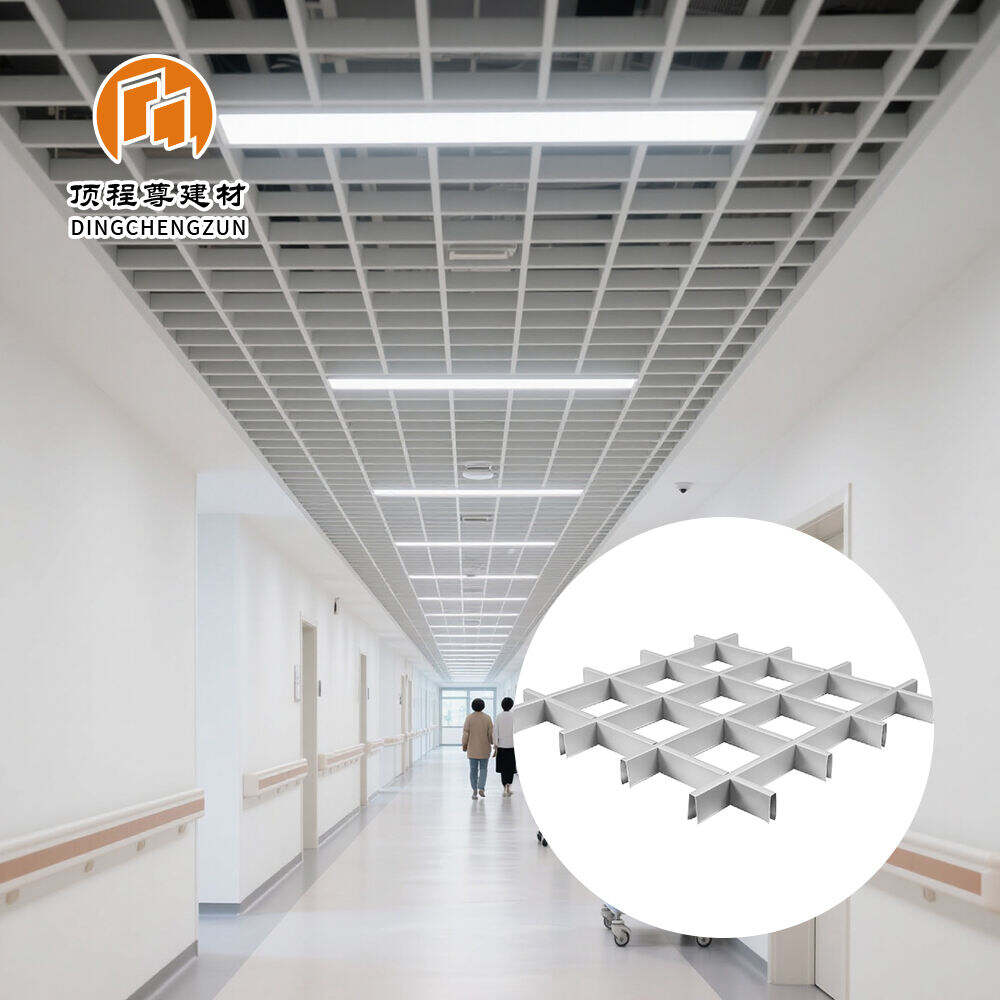
Key Benefits of Aluminum Ceiling Systems
Superior Durability and Longevity
Aluminum ceilings stand out for their exceptional durability compared to traditional ceiling materials. The inherent strength of aluminum allows these ceiling systems to maintain their structural integrity and appearance for decades with minimal intervention. Unlike conventional materials that may warp, sag, or deteriorate over time, aluminum ceilings retain their original form and finish even in challenging environments.
The material's resistance to moisture, humidity, and temperature fluctuations means facility managers spend less time and resources addressing common ceiling-related issues. This durability translates directly into reduced replacement frequency and lower long-term maintenance costs.
Efficient Cleaning and Maintenance Protocols
The smooth, non-porous surface of aluminum ceilings significantly simplifies cleaning procedures. Unlike textured or fibrous ceiling materials that trap dust and debris, aluminum panels can be quickly wiped clean with standard cleaning solutions. This efficiency reduces the time and labor required for routine maintenance, allowing facility teams to focus on other critical tasks.
Additionally, aluminum ceilings resist staining and discoloration, eliminating the need for specialized cleaning treatments or periodic repainting that other ceiling types often require. This resistance to wear and environmental factors ensures the ceiling maintains its professional appearance with minimal intervention.
Cost-Saving Features of Aluminum Ceiling Installations
Reduced Labor Requirements
The installation and maintenance of aluminum ceilings require significantly less manpower compared to traditional ceiling systems. The lightweight nature of aluminum panels makes them easier to handle during installation and maintenance procedures, reducing the number of workers needed for these tasks. Moreover, the modular design of most aluminum ceiling systems allows for quick access to above-ceiling utilities without specialized tools or extensive training.
This efficiency in maintenance operations translates to lower labor costs and reduced downtime during maintenance activities. Facility managers can schedule maintenance during off-peak hours with smaller teams, minimizing disruption to daily operations.
Energy Efficiency Improvements
Aluminum ceilings contribute to better energy efficiency in large facilities through their reflective properties. The high reflectivity of aluminum surfaces helps maximize natural and artificial lighting, potentially reducing lighting requirements and associated energy costs. Some aluminum ceiling systems also incorporate thermal management features that can help regulate building temperatures more effectively.
These energy-saving characteristics become particularly significant in large facilities where lighting and climate control represent major operational expenses. The cumulative cost savings from improved energy efficiency can substantially offset the initial investment in aluminum ceiling systems.
Long-Term Financial Impact
Lifecycle Cost Analysis
When evaluating the financial benefits of aluminum ceilings, it's essential to consider the total lifecycle costs rather than just the initial installation expense. While the upfront cost may be higher than some traditional ceiling materials, the extended lifespan and reduced maintenance requirements of aluminum ceilings typically result in significant long-term savings.
A comprehensive lifecycle analysis often reveals that aluminum ceilings can reduce total ownership costs by as much as 30-40% over a 20-year period when factoring in maintenance, replacement, and operational expenses. This makes them particularly attractive for facilities with long-term operational perspectives.
Return on Investment Considerations
The return on investment for aluminum ceilings extends beyond direct maintenance cost savings. These systems can contribute to higher property values, improved tenant satisfaction, and better building performance ratings. The durability and modern appearance of aluminum ceilings can help maintain or increase rental rates while reducing vacancy periods in commercial properties.
Furthermore, the sustainable nature of aluminum - being fully recyclable and low-maintenance - aligns with green building initiatives, potentially qualifying facilities for environmental certifications and associated benefits.
Installation and Maintenance Best Practices
Professional Installation Guidelines
Proper installation of aluminum ceilings is crucial for maximizing their maintenance-reducing benefits. Professional installers should follow manufacturer specifications regarding panel alignment, support systems, and connection methods. Attention to detail during installation ensures optimal performance and minimizes the need for future adjustments or repairs.
The initial investment in quality installation pays dividends through reduced maintenance issues and longer system lifespan. Building managers should maintain detailed documentation of installation specifications for future reference during maintenance or modification work.
Preventive Maintenance Strategies
While aluminum ceilings require minimal maintenance, implementing a preventive maintenance program can further extend their service life. Regular visual inspections can identify potential issues before they develop into problems requiring costly repairs. Simple measures like periodic dusting and checking panel alignments can prevent the accumulation of maintenance needs.
Facility managers should develop maintenance schedules that align with the building's usage patterns and environmental conditions, ensuring optimal performance while minimizing disruption to occupants.
Frequently Asked Questions
How long do aluminum ceilings typically last?
Aluminum ceilings can last 30 years or more with proper installation and maintenance. Their durability and resistance to environmental factors contribute to their extended lifespan, making them a cost-effective choice for large facilities.
What types of facilities benefit most from aluminum ceiling systems?
Large commercial buildings, healthcare facilities, educational institutions, transportation hubs, and retail spaces typically see the greatest benefits from aluminum ceilings due to their high traffic, extensive square footage, and need for durable, low-maintenance solutions.
Are aluminum ceilings more expensive than traditional options?
While the initial cost of aluminum ceilings may be higher than some traditional materials, their long-term durability, reduced maintenance requirements, and energy efficiency benefits often result in significant cost savings over the system's lifetime.
How do aluminum ceilings contribute to sustainable building practices?
Aluminum ceilings support sustainability through their recyclability, long lifespan, low maintenance requirements, and contribution to energy efficiency. They can help facilities achieve green building certifications and reduce their environmental impact.