
 EN
EN

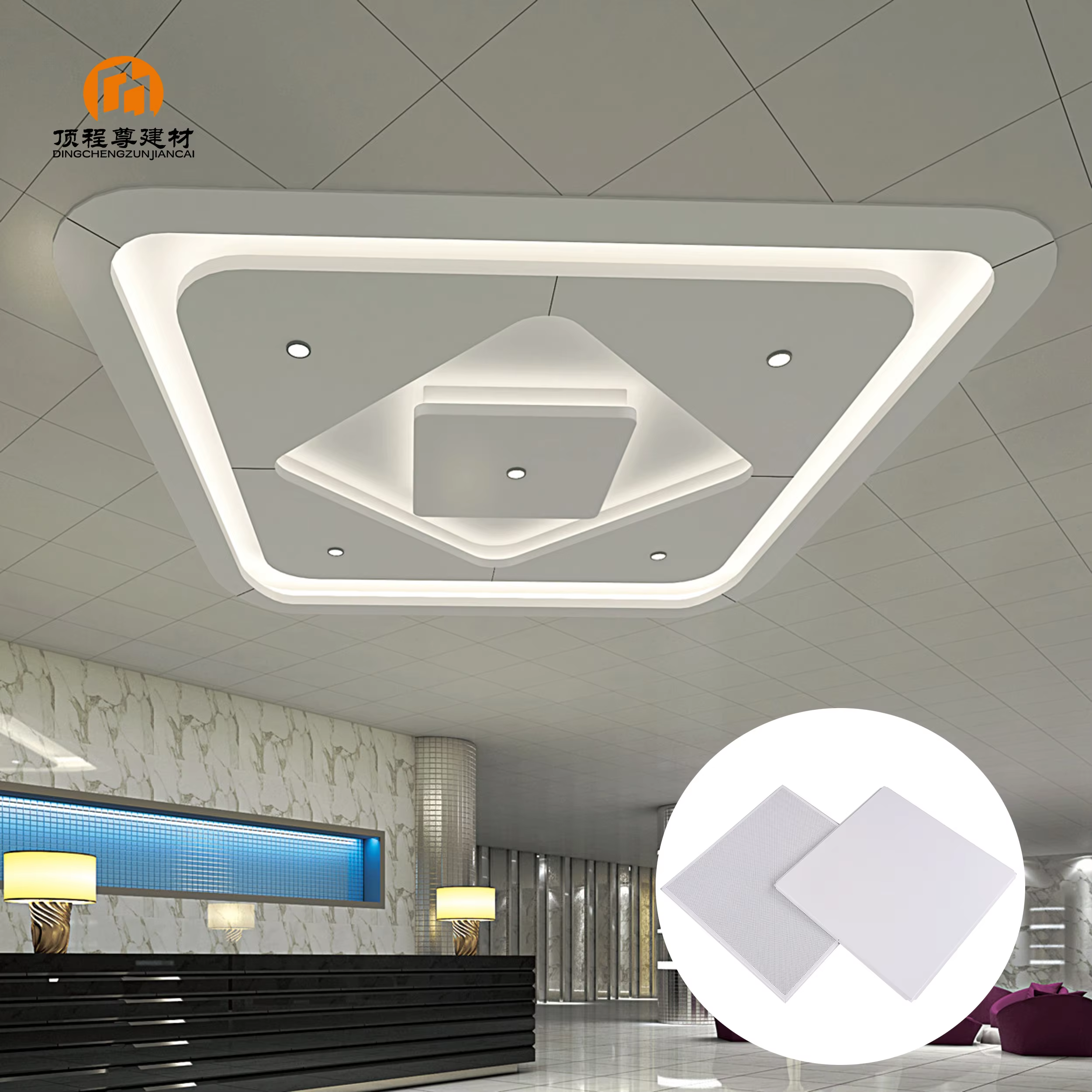
Transforming Architectural Spaces with Modern Ceiling Solutions
The evolution of architectural design has brought forth innovative materials that combine aesthetics with functionality, and aluminum ceilings stand at the forefront of this transformation. These versatile ceiling systems have revolutionized the way architects approach interior design, offering unprecedented creative freedom while maintaining structural integrity. As modern architecture continues to push boundaries, aluminum ceilings have become an essential tool in the designer's arsenal, providing solutions that marry form with function in remarkable ways.
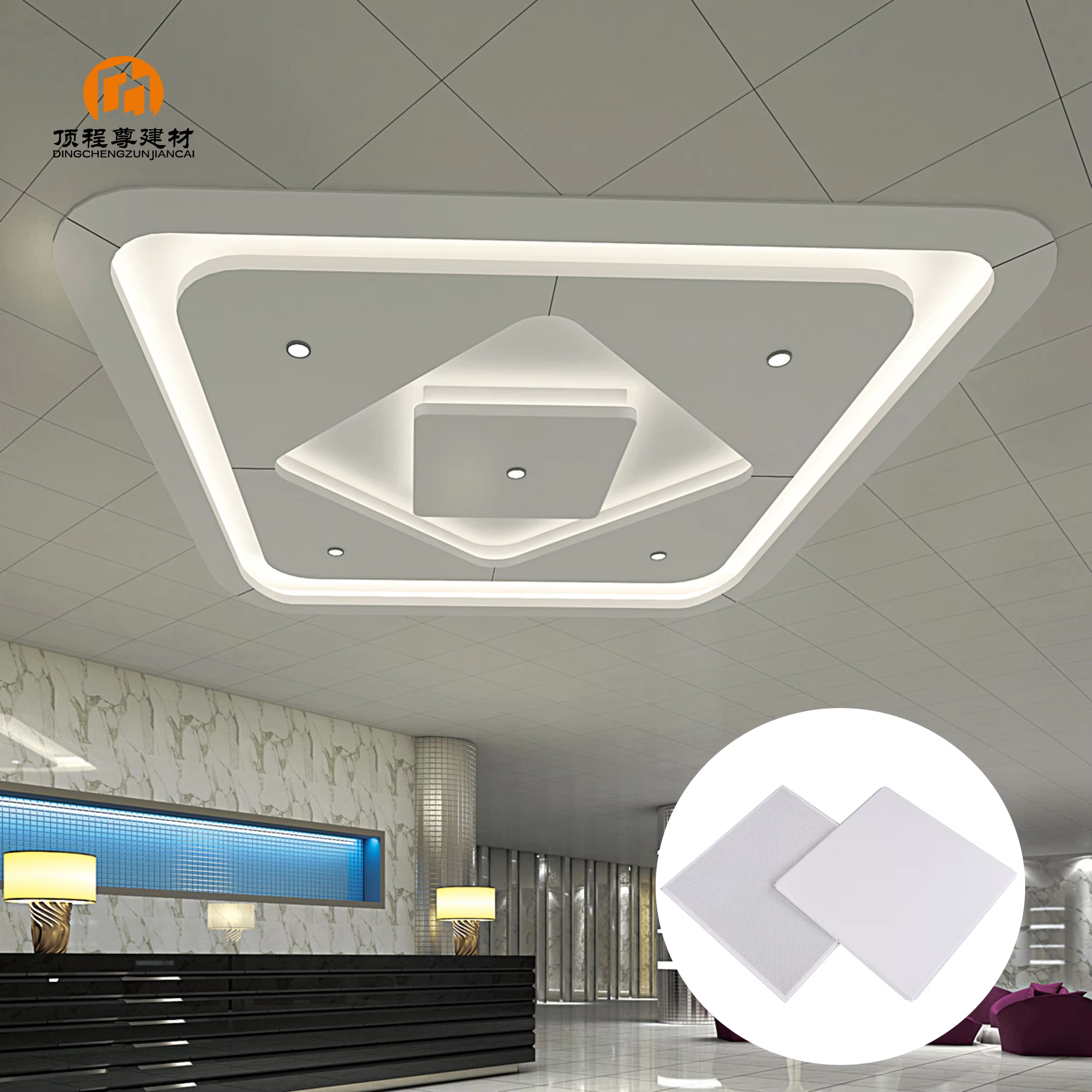
Aesthetic Versatility and Design Freedom
Color and Finish Options
Aluminum ceilings offer architects an extensive palette of design possibilities through their diverse range of finishes and colors. From sleek metallic surfaces that reflect light to powder-coated finishes that can match any interior color scheme, these systems provide unparalleled creative flexibility. Architects can choose from brushed, polished, or perforated surfaces, each creating distinct visual effects and contributing to the space's overall atmosphere.
The ability to customize aluminum ceilings extends beyond basic color choices. Manufacturers now offer special treatments that can mimic natural materials like wood or stone, allowing architects to achieve specific aesthetic goals while maintaining the practical benefits of aluminum. These finishing options can transform ordinary spaces into extraordinary environments that capture attention and create lasting impressions.
Pattern and Texture Possibilities
The malleability of aluminum allows for the creation of intricate patterns and textures that can define a space's character. Architects can specify various perforation patterns, creating visual interest and improving acoustic performance simultaneously. These patterns can range from simple geometric designs to complex custom motifs that reflect a brand's identity or complement the building's architectural theme.
The dimensional capabilities of aluminum ceilings also enable the creation of dramatic three-dimensional effects. Architects can incorporate waves, curves, and other sculptural elements that add depth and movement to ceiling planes. These dynamic features can guide circulation, define zones, or simply add visual interest to what might otherwise be a flat, uninspiring surface.
Technical Advantages in Modern Architecture
Sustainability and Environmental Impact
In an era where sustainable design is paramount, aluminum ceilings offer significant environmental benefits. The material is fully recyclable, making it an excellent choice for projects seeking LEED certification or other environmental ratings. The long lifespan of aluminum ceiling systems reduces the need for replacement, minimizing waste and resource consumption over time.
Moreover, aluminum ceilings can contribute to energy efficiency through their reflective properties. When properly designed, these surfaces can enhance natural light distribution, potentially reducing artificial lighting requirements and associated energy costs. The material's durability ensures that these benefits persist throughout the building's lifecycle.
Performance and Maintenance Benefits
The practical advantages of aluminum ceilings extend well beyond their aesthetic appeal. These systems offer exceptional durability and resistance to moisture, making them ideal for high-humidity environments or spaces requiring frequent cleaning. Unlike traditional ceiling materials, aluminum doesn't warp, sag, or support mold growth, ensuring long-term performance with minimal maintenance.
Installation and accessibility represent another significant advantage. Modern aluminum ceiling systems are designed for easy installation and removal, facilitating maintenance access to above-ceiling services. This practical consideration can significantly reduce ongoing maintenance costs while ensuring that the ceiling maintains its pristine appearance over time.
Integration with Building Systems
Lighting and Acoustic Solutions
Aluminum ceilings excel in their ability to integrate seamlessly with building systems, particularly lighting and acoustics. The material's reflective properties can be leveraged to enhance lighting efficiency, while perforated panels combined with acoustic backing can provide superior sound control. Architects can design spaces that not only look impressive but also perform optimally in terms of user comfort and functionality.
The flexibility of aluminum ceiling systems allows for creative integration of LED lighting, speakers, and other technical equipment. Custom cutouts and mounting options ensure that these elements become part of the overall design rather than appearing as afterthoughts. This integration capability helps create clean, uncluttered ceiling planes that contribute to the space's visual harmony.
HVAC and Safety Systems
The integration of HVAC components and safety systems becomes more streamlined with aluminum ceiling solutions. These systems can accommodate air diffusers, sprinkler heads, and other mechanical elements while maintaining visual consistency. The precision manufacturing of aluminum components ensures perfect alignment and fit, resulting in a polished, professional appearance.
Safety considerations are also well-addressed through aluminum ceiling systems. The material's fire-resistant properties and ability to meet stringent building codes make it an excellent choice for commercial and institutional projects. Additionally, the lightweight nature of aluminum reduces structural load while maintaining rigidity and stability.
Frequently Asked Questions
How do aluminum ceilings contribute to building sustainability?
Aluminum ceilings support sustainability through their 100% recyclability, long lifespan, and energy-efficient reflective properties. They can contribute to LEED certification points and help reduce a building's overall environmental impact through improved lighting efficiency and reduced maintenance requirements.
What maintenance is required for aluminum ceiling systems?
Aluminum ceilings require minimal maintenance, typically needing only occasional cleaning with non-abrasive materials. They resist corrosion, moisture damage, and warping, making them highly durable and cost-effective over their lifetime. Regular inspection of mounting systems and occasional dusting are usually sufficient to maintain their appearance.
Can aluminum ceilings be customized for specific design requirements?
Yes, aluminum ceilings offer extensive customization options, including various colors, finishes, patterns, and textures. Architects can specify custom perforation patterns, three-dimensional forms, and special finishes to achieve unique design objectives while maintaining the material's practical benefits.