 EN
EN


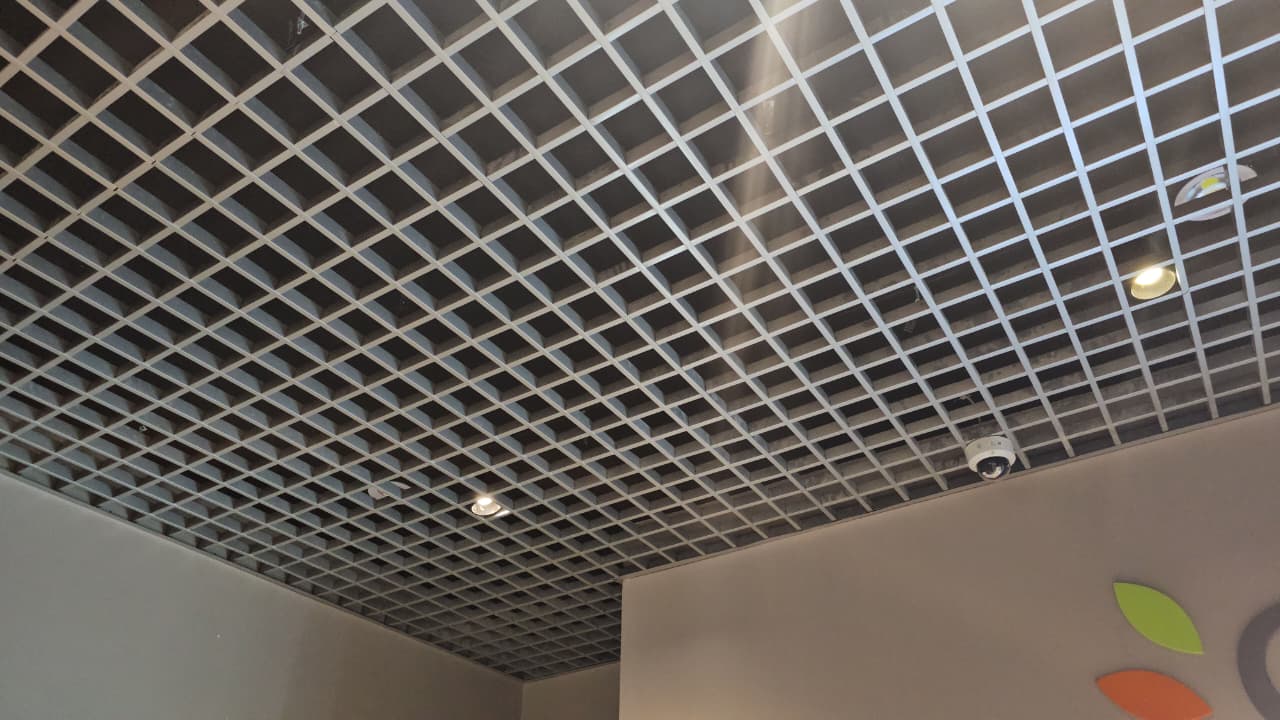
Southeast Asia's construction sector is booming. From Kuala Lumpur's mixed-use towers to Jakarta's sprawling office parks and Ho Chi Minh City's industrial zones, the region is investing heavily in commercial, residential, and infrastructure projects. As this growth accelerates, one material is quietly becoming the go-to choice for interior and exterior ceiling systems: aluminum.
Architects, contractors, and developers across Malaysia, Indonesia, and Vietnam are turning to aluminum ceilings for their durability, light weight, and modern aesthetic — especially in a climate defined by heat, humidity, and seasonal monsoons. This guide breaks down why aluminum ceilings are winning over traditional materials in the region, what to look for in a supplier, and how to source successfully for projects in these three key markets.
Why Aluminum Ceilings Suit the Southeast Asian Climate
Southeast Asia's tropical conditions create unique demands on building materials, and aluminum ceiling systems are built to meet them:
- Moisture and corrosion resistance — High humidity and coastal salt air can quickly degrade gypsum, wood, or untreated metal. Aluminum, especially with proper coating, resists rust and mold far better than alternative materials.
- Lightweight and fast to install — Aluminum panels are easy to handle and install, helping contractors meet the tight construction timelines common in fast-growing urban markets.
- Fire safety compliance — Aluminum ceiling systems typically meet strict fire-rating requirements demanded by local building codes, an important factor for commercial and public buildings.
- Modern, versatile aesthetics — From sleek flat panels to linear strips, perforated acoustic boards, and curved feature ceilings, aluminum adapts easily to airports, hospitals, shopping malls, and luxury hospitality projects alike.
Key Criteria for Choosing a Supplier
Not all aluminum ceiling manufacturers are equal. When evaluating suppliers for projects in Malaysia, Indonesia, or Vietnam, consider these factors:
- Production capacity and lead time — Can the factory handle your project volume and meet your construction schedule? Ask about minimum order quantities (MOQ) and standard delivery windows.
- Certifications — Look for ISO and CE certification, as well as familiarity with local standards such as SIRIM (Malaysia), SNI (Indonesia), and TCVN (Vietnam).
- Customization capability — A strong supplier should offer perforated panels, linear strips, grille ceilings, curved/arc designs, and acoustic solutions — not just standard flat tiles.
- Coating technology — PVDF and polyester powder coatings determine how well panels resist UV exposure, color fading, and weathering over time.
- Logistics and customs experience — Southeast Asia's port infrastructure and import duties vary by country. A supplier experienced in regional shipping reduces delays and unexpected costs.
- Local technical support — On-site installation guidance and responsive after-sales service can make or break a large-scale project.
Country-Specific Market Insights
Malaysia
Malaysia's aluminum ceiling demand is driven largely by commercial complexes, light rail stations, and airport expansions. Local fire safety standards are strict for public infrastructure, so certified, fire-rated panels are essential. Port Klang remains a key logistics hub, making coastal supply chains relatively efficient for importers.
Indonesia
As an archipelago, Indonesia presents unique logistics challenges — shipping to outer islands can add significant time and cost. Coastal cities face especially high humidity and salt exposure, requiring robust anti-corrosion coatings. Major demand centers include Jakarta and Surabaya, where office towers, retail centers, and transit projects are key application areas.
Vietnam
Vietnam's manufacturing boom, fueled by foreign direct investment, has driven strong demand for aluminum ceilings in industrial parks, factories, and office developments. Ho Chi Minh City and Hanoi have somewhat different building standards and approval processes, so working with a supplier familiar with both is valuable. Vietnam's proximity to China also makes cross-border trade and customs clearance relatively straightforward for many suppliers.
What Sets a Top Supplier Apart
The best aluminum ceiling suppliers for Southeast Asian projects typically offer:
- A full product range — flat panels, grilles, linear strips, curved ceilings, and perforated acoustic boards under one roof, reducing the need to juggle multiple vendors.
- Factory-direct pricing — Buying directly from a manufacturer (rather than a trading intermediary) often means better pricing, faster customization, and more accountability on quality.
- A track record in the region — Suppliers with completed projects and certifications relevant to Southeast Asia bring proven reliability, not just promises.
- Responsive, multi-timezone customer service — Given time differences and the pace of regional projects, fast communication matters.
- Quick sampling and small-batch flexibility — The ability to produce samples and small custom runs speeds up approval processes for architects and contractors.
Project Highlights (Illustrative Examples — Replace with Verified Project Data)
Note: The scenarios below are illustrative placeholders showing the type of detail that makes this section persuasive. For real publication, replace them with your company's actual project names, photos, and verified specifications.
Retail & Commercial — Kuala Lumpur, Malaysia A shopping mall renovation required a fire-rated, perforated aluminum ceiling across 3,000+ m² of common area. The challenge: matching SIRIM fire-rating requirements while keeping the acoustic perforation pattern consistent across curved sections near the atrium. [Replace with: actual panel series used, coating spec, completion date, photos.]
Office Development — Jakarta, Indonesia A coastal office tower needed ceiling panels able to withstand high humidity and salt exposure without coating degradation over a 10-year warranty period. [Replace with: actual coating type (e.g., PVDF), test report reference, project scale.]
Hospitality — Ho Chi Minh City, Vietnam A hotel lobby renovation called for curved, custom-fabricated aluminum ceiling panels to match an architect's design intent, with a compressed installation timeline. [Replace with: actual lead time achieved, custom fabrication details, client feedback.]
How to Source Successfully: A Buyer's Checklist
- Prepare your specifications upfront — Have drawings, panel dimensions, coating requirements, and fire ratings ready before reaching out to suppliers.
- Verify supplier credentials — Request certification documents, and consider a video factory tour or third-party inspection if an in-person visit isn't feasible.
- Test samples thoroughly — Check for coating uniformity, flatness, edge finishing, and request weathering or fire-test reports where applicable.
- Review contract terms carefully — Pay close attention to lead times, warranty coverage, and Incoterms (FOB, CIF, etc.) to avoid surprises in shipping costs and responsibilities.
Conclusion
Southeast Asia's construction boom shows no signs of slowing, and aluminum ceilings are increasingly the material of choice for architects and contractors working in Malaysia, Indonesia, and Vietnam's demanding tropical climates. Choosing the right supplier — one with strong certifications, customization capability, regional logistics experience, and responsive support — can make the difference between a smooth project and a costly delay.
If you're sourcing aluminum ceiling solutions for an upcoming project in Southeast Asia, reach out for a product catalog, custom quote, or free samples to see the quality firsthand.