 EN
EN


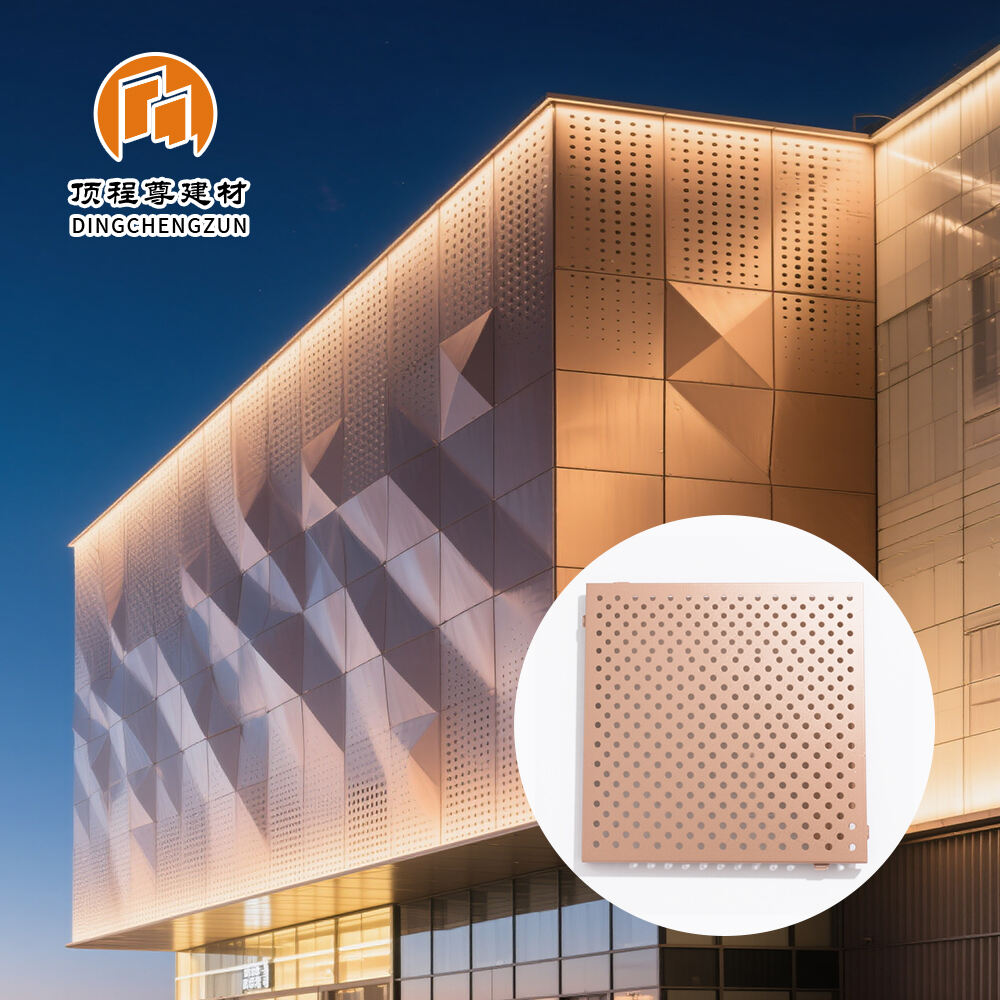
Procuring aluminum veneer for large-scale construction projects requires strategic planning, thorough vendor evaluation, and careful budget management. The selection of appropriate aluminum veneer materials directly impacts both project timeline and long-term building performance. Understanding the key factors that influence quality, cost, and delivery schedules enables project managers to make informed procurement decisions that align with budget constraints while maintaining architectural integrity.
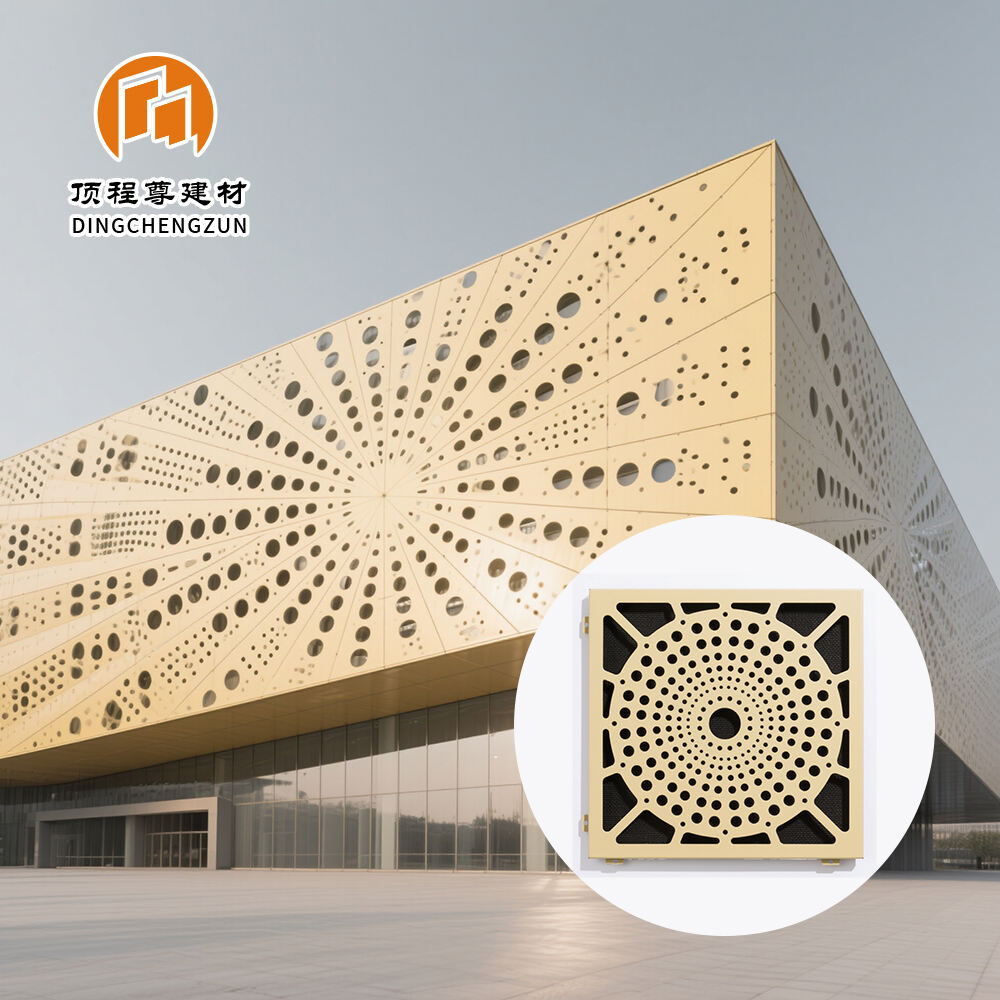
Understanding Aluminum Veneer Quality Standards
Material Composition and Alloy Specifications
Quality aluminum veneer begins with proper alloy selection, typically utilizing 3003, 5005, or 6061 aluminum alloys depending on structural requirements and environmental exposure conditions. The aluminum veneer thickness generally ranges from 2.0mm to 4.0mm for exterior applications, with thicker panels providing enhanced durability and wind load resistance. Surface treatments including anodizing, powder coating, or PVDF fluorocarbon coatings significantly impact both appearance retention and corrosion resistance over the building's lifespan.
Manufacturing processes must adhere to international standards such as ASTM B209 for aluminum sheet specifications and AAMA 2605 for architectural coatings. Premium aluminum veneer manufacturers implement strict quality control measures throughout production, including material testing, dimensional verification, and coating adhesion evaluations. These standardized processes ensure consistent product quality across large order quantities while minimizing field installation complications.
Performance Testing and Certification Requirements
Comprehensive performance testing validates aluminum veneer suitability for specific project conditions and geographic locations. Wind load testing, thermal cycling evaluations, and weatherability assessments provide crucial data for engineering calculations and long-term performance predictions. Fire resistance ratings, particularly important for high-rise applications, must comply with local building codes and safety regulations.
Third-party certifications from recognized testing laboratories add credibility to manufacturer claims and provide project stakeholders with independent verification of product performance. Seismic performance testing becomes critical in earthquake-prone regions, ensuring aluminum veneer systems maintain structural integrity during ground motion events. These comprehensive testing protocols justify premium pricing for high-quality materials while reducing project risk exposure.
Strategic Vendor Selection and Evaluation
Manufacturing Capability Assessment
Evaluating potential aluminum veneer suppliers requires thorough analysis of production capacity, quality management systems, and delivery reliability. Large projects demand suppliers with adequate manufacturing capacity to meet project schedules without compromising quality standards. Site visits to manufacturing facilities provide valuable insights into production processes, equipment condition, and workforce expertise levels.
ISO 9001 certification indicates established quality management systems, while ISO 14001 demonstrates environmental responsibility in manufacturing operations. Supplier financial stability assessment protects against mid-project disruptions and ensures continued support throughout the construction timeline. Reference checks with previous clients reveal actual performance history and problem-resolution capabilities during challenging project conditions.
Technical Support and Engineering Services
Premium aluminum veneer suppliers provide comprehensive technical support including design assistance, engineering calculations, and installation guidance. Value-added services such as custom fabrication, pre-finishing options, and integrated fastening systems can reduce overall project costs despite higher material prices. Collaborative design development helps optimize panel configurations while maintaining aesthetic objectives and budget parameters.
Local technical support availability becomes crucial during installation phases when immediate problem resolution prevents costly project delays. Supplier willingness to participate in design-build partnerships often results in innovative solutions that balance performance requirements with cost considerations. Comprehensive warranty programs demonstrate manufacturer confidence while protecting project stakeholders against premature material failures.
Cost Optimization Strategies for Large Projects
Volume Purchasing and Contract Negotiations
Large project volumes create significant negotiating leverage for aluminum veneer procurement, enabling substantial cost reductions through strategic contract structuring. Early supplier engagement during design phases allows for value engineering opportunities that optimize panel sizes, reduce waste, and minimize installation complexity. Long-term partnership agreements spanning multiple projects often secure preferential pricing and priority scheduling advantages.
Payment terms negotiation can improve project cash flow management while potentially securing additional discounts for early payment or milestone-based releases. Currency fluctuation protection through fixed-price contracts shields projects from aluminum commodity price volatility during extended construction periods. Bulk shipping arrangements and consolidated delivery schedules reduce transportation costs while ensuring material availability when needed.
Design Optimization and Standardization
Standardizing aluminum veneer panel sizes across project facades reduces manufacturing costs through improved production efficiency and reduced setup times. Modular design approaches enable prefabrication advantages while simplifying field installation procedures and reducing labor requirements. Coordinated panel sizing with structural grid dimensions minimizes cutting waste and optimizes material utilization rates.
Finish standardization across similar building types within large developments creates economies of scale for coating processes and inventory management. Performance-based specifications rather than proprietary product requirements encourage competitive bidding while maintaining quality objectives. Design flexibility provisions allow for substitute materials that meet performance criteria while potentially offering cost advantages during procurement.
Quality Control and Project Management
Inspection Protocols and Testing Procedures
Implementing rigorous inspection protocols throughout aluminum veneer procurement ensures consistent quality delivery and early problem identification. Pre-production samples verify material specifications, finish quality, and dimensional accuracy before full production commitment. Regular production monitoring visits during manufacturing phases catch potential issues before they affect large quantities.
Incoming material inspection at project sites validates delivery quality and identifies any shipping damage before installation begins. Photographic documentation of material conditions provides evidence for warranty claims while establishing baseline conditions for long-term performance monitoring. Statistical sampling procedures ensure adequate quality verification without excessive inspection costs or project delays.
Installation Coordination and Support
Successful aluminum veneer installation requires close coordination between suppliers, contractors, and project management teams to ensure proper handling, storage, and installation procedures. Supplier-provided installation training helps field crews understand proper techniques while avoiding common mistakes that compromise system performance. Technical field support during critical installation phases prevents costly errors and ensures warranty compliance.
Material delivery scheduling must align with construction progress to avoid on-site storage issues while ensuring continuous installation workflow. Weather protection measures during storage and installation prevent damage to aluminum veneer surfaces and coatings. Proper documentation of installation procedures and material handling provides valuable data for future maintenance and warranty administration.
Long-term Value Considerations
Lifecycle Cost Analysis
Evaluating aluminum veneer procurement decisions requires comprehensive lifecycle cost analysis that considers initial material costs, installation expenses, maintenance requirements, and expected service life. Premium materials with superior durability often provide better long-term value despite higher upfront costs through reduced maintenance and replacement needs. Energy efficiency contributions from high-performance aluminum veneer systems can offset initial cost premiums through operational savings.
Maintenance accessibility design features influence long-term operating costs and should factor into material selection decisions alongside initial procurement costs. Warranty terms and supplier service capabilities affect lifecycle cost calculations through their impact on maintenance and replacement expenses. Building owner preferences for low-maintenance solutions often justify premium aluminum veneer specifications that reduce long-term facility management burdens.
Sustainability and Environmental Impact
Aluminum veneer sustainability characteristics including recycled content, manufacturing energy consumption, and end-of-life recyclability increasingly influence procurement decisions for environmentally conscious projects. LEED certification requirements may mandate specific aluminum veneer performance criteria that affect material selection and cost considerations. Local sourcing preferences can reduce transportation environmental impacts while potentially supporting regional economic development objectives.
Durability and longevity characteristics directly impact environmental sustainability through reduced replacement frequency and associated material consumption. Low-maintenance finishes reduce cleaning chemical usage and associated environmental impacts throughout building operation. Aluminum veneer suppliers with documented sustainability programs offer additional value for projects targeting environmental performance goals.
FAQ
What factors most significantly impact aluminum veneer pricing for large projects
Aluminum veneer pricing for large projects depends primarily on material thickness, surface finish quality, customization requirements, and order volume. Premium coatings like PVDF significantly increase costs but provide superior durability and color retention. Custom panel sizes, special shapes, and non-standard finishes add manufacturing complexity and associated costs. However, large order volumes typically enable substantial discounts that can offset premium material specifications.
How can project managers verify aluminum veneer quality before full delivery
Quality verification should begin with pre-production samples that demonstrate material specifications, finish appearance, and dimensional accuracy. Third-party testing reports for coating adhesion, weather resistance, and structural properties provide independent quality verification. Factory inspections during production phases allow direct observation of manufacturing processes and quality control procedures. Mock-up installations help validate system performance and installation procedures before committing to full quantities.
What delivery scheduling considerations are critical for large aluminum veneer projects
Aluminum veneer delivery scheduling must align with construction sequencing to avoid extended on-site storage and associated damage risks. Weather conditions during delivery and installation periods significantly impact material handling and installation quality. Lead times for custom finishes or non-standard sizes often extend 12-16 weeks and require early ordering to maintain project schedules. Phased delivery schedules help manage storage requirements while ensuring material availability when installation crews are ready.
How do warranty terms vary between different aluminum veneer suppliers
Aluminum veneer warranty terms typically range from 10-20 years for finish integrity and 25-30 years for structural performance, with premium suppliers offering more comprehensive coverage. Warranty scope varies significantly between suppliers, with some covering only material defects while others include installation-related issues. Geographic coverage limitations and local service availability affect warranty value for remote project locations. Warranty transferability to subsequent building owners adds value for investment properties but may require additional documentation and fees.
Table of Contents
- Understanding Aluminum Veneer Quality Standards
- Strategic Vendor Selection and Evaluation
- Cost Optimization Strategies for Large Projects
- Quality Control and Project Management
- Long-term Value Considerations
-
FAQ
- What factors most significantly impact aluminum veneer pricing for large projects
- How can project managers verify aluminum veneer quality before full delivery
- What delivery scheduling considerations are critical for large aluminum veneer projects
- How do warranty terms vary between different aluminum veneer suppliers