 EN
EN


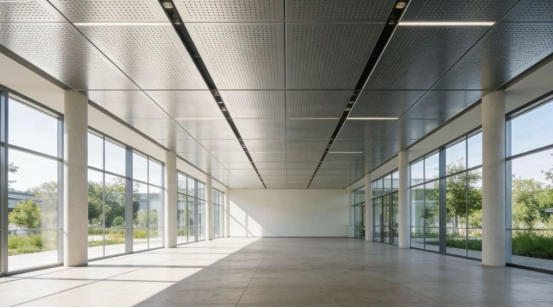
Against the backdrop of intensifying global energy conservation and environmental protection trends, the eco-friendly performance of building materials has become a key indicator determining project quality and green ratings. Aluminum ceilings, with their outstanding recyclability, durability, and low-carbon production advantages, are emerging as the mainstream choice for commercial buildings, public spaces, and even high-standard green buildings. This article will conduct an in-depth analysis from core dimensions including the environmental attributes of aluminum ceilings, recycling processes, and low-carbon production workflows.
Why Environmental Trends Make Aluminum Ceilings a Popular Choice
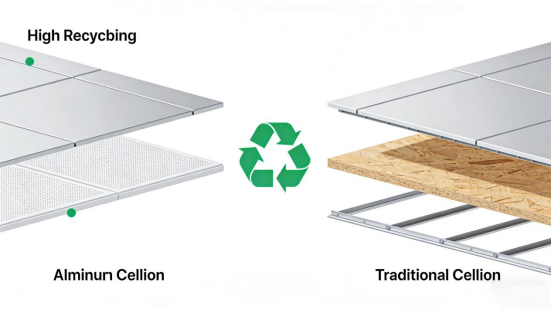
The global construction industry is advancing toward higher environmental standards. From green building rating systems in Europe and America (such as LEED and BREEAM) to China's upcoming “dual carbon goals,” assessing the environmental performance of building materials has become a critical market requirement.
Aluminum ceilings offer multiple green advantages:
·High recyclability: Used aluminum can be reused
·Exceptional durability: Reduces replacement frequency and extends lifecycle
·Significant low-carbon production potential: Emissions can be reduced through process optimization
·Supports green building ratings: Enhances energy and material credits
Recyclability Analysis of Aluminum Ceilings: From Scrap to Renewal
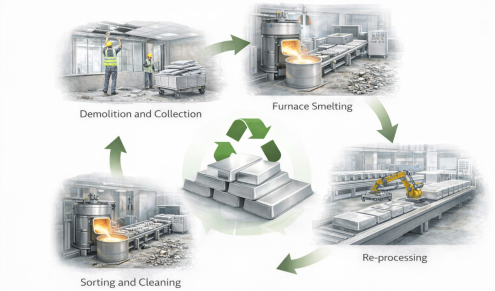
Aluminum is widely recognized as one of the most recyclable metals in construction. Compared to other metals, aluminum retains nearly all its original properties after recycling.
♻ Basic Process for Recycling Aluminum Ceilings:
1. Demolition and Collection: Collect aluminum ceiling panels during building renovations or demolition.
2. Sorting and Cleaning: Remove debris and non-aluminum materials.
3. Furnace Smelting: Melt and recycle using low-energy processes.
4. Re-processing: Cast into aluminum ingots for new panel production
Since aluminum recycling consumes approximately 95% less energy than primary aluminum production, it offers significant advantages in controlling lifecycle carbon emissions.
Low-Carbon Production: The Green Path from Raw Materials to Finished Products
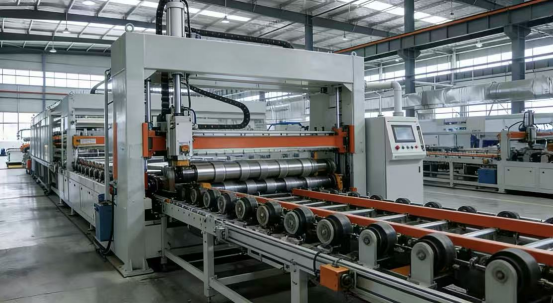
Unlike many traditional building materials, modern aluminum ceiling production processes have progressively advanced toward “low-carbon, energy-efficient, and high-efficiency” practices.
Key low-carbon production stages:
·Use of recycled materials in pre-treatment: Prioritizing recycled aluminum
·Application of energy-efficient equipment: Utilizing high-efficiency rolling mills and smart manufacturing systems
·Coating process optimization: Employing low-VOC (volatile organic compounds) eco-friendly coatings
·Wastewater and exhaust gas treatment: Implementing a comprehensive pollution control system
These process improvements not only reduce carbon emissions per unit of product but also enhance overall resource utilization efficiency.
Environmental Performance Metrics: Real Evaluation Trumps Slogans
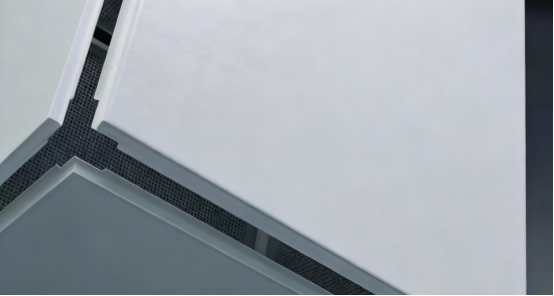
When evaluating the environmental friendliness of a material, one cannot rely solely on the term “environmentally friendly” but must also examine actual metrics. For example:
Performance Metrics |
Aluminum Ceiling Performance |
Recyclability Rate |
≈ 99% |
Energy Consumption for Recycling |
5% of primary aluminum |
VOC Emissions |
Below national environmental standards |
Lifecycle Carbon Emissions |
Significantly lower than composite panels and gypsum boards |
This data endorsement makes aluminum ceilings a genuine “green choice” rather than a marketing gimmick.
Application Cases of Aluminum Ceilings in Green Buildings
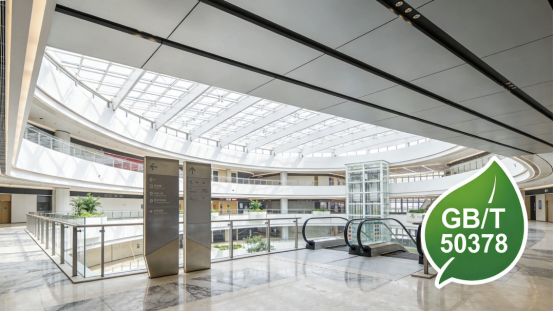
Many green building projects utilize aluminum ceilings as the primary decorative suspended ceiling material, complemented by:
√ Energy-efficient lighting systems
√ Optimized HVAC and ventilation design
√ Indoor air quality management
√ Sustainable material configuration solutions
From office building lobbies to high-end retail spaces, aluminum ceilings fulfill dual roles of aesthetics and environmental sustainability.
Summary: Aluminum ceilings play a vital role in realizing the value of green buildings.
When selecting building materials under environmental trends, consider:
· Whether they are recyclable
· Whether they involve low-carbon production processes
· Whether they can reduce emissions throughout the building's lifecycle
· Whether they contribute to green building rating metrics
Aluminum ceilings meet these criteria, making them an indispensable material in the future of eco-friendly construction.
Contact us
If you have any questions regarding the environmental performance, recyclability, or low-carbon production processes of our aluminum ceiling panels, or if you wish to obtain additional technical documentation and quotations, please feel free to contact us. Our team will provide professional advice and the highest quality products to help you select the optimal eco-friendly building material solution
Name: Ivy
WhatsApp: +86 181 2218 7543
Email: [email protected]
Company: Guangzhou Dingchengzun Building Materials Co., Ltd.
Website: https://dingchengzunjiancai.en.alibaba.com
Regd Office: No. 126 Zhangbian Huan Village Street, Nan Village Town, Panyu District, Guangzhou
Corp Office: No. 126 Zhangbian Huan Village Street, Nan Village Town, Panyu District, Guangzhou
We look forward to collaborating with you to advance eco-friendly and sustainable construction projects!