 EN
EN


A commercial ceiling is more than a surface that hides mechanical systems. It influences acoustic comfort, lighting performance, interior aesthetics, maintenance costs, and the long-term value of a building.
Whether designing an office, airport terminal, healthcare facility, retail store, hotel, or educational space, the right ceiling system must balance performance, appearance, budget, and lifecycle requirements.
Metal Ceiling Systems
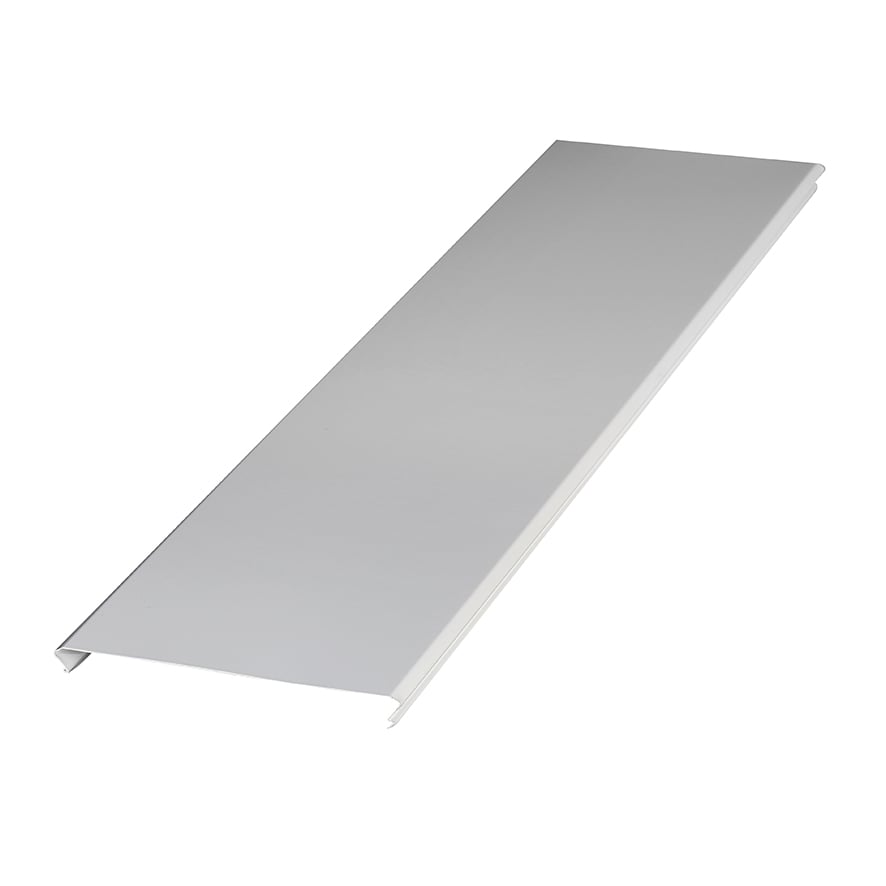
Metal ceilings, including aluminum and steel systems, are increasingly used in high-performance commercial environments.
Available formats include:
- Perforated panels
- Linear ceilings
- Baffles
- Open-cell systems
- Curved architectural ceilings
Advantages
- Excellent durability
- Strong moisture resistance
- High design flexibility
- Long service life
- Suitable for demanding environments
Limitations
- Higher upfront investment
- Requires experienced installation
- Custom designs increase project cost
Best Applications
- Airports
- Transportation facilities
- Premium offices
- Retail environments
- Corporate headquarters
- High-humidity spaces
Wood and Wood Fiber Ceiling Systems
Wood ceilings create warmth and natural visual appeal while supporting acoustic design goals.
Modern wood systems can include:
- Perforated wood panels
- Linear wood ceilings
- Wood wool acoustic panels
Advantages
- Premium appearance
- Strong architectural character
- Supports biophilic design
- Good acoustic potential
Limitations
- Higher cost
- Requires humidity considerations
- More structural planning may be needed
Best Applications
- Hotels
- Restaurants
- Cultural buildings
- Luxury retail
- Premium interiors
Gypsum and Drywall Ceilings
Gypsum ceilings create a seamless architectural appearance.
Advantages
- Clean monolithic finish
- Supports curves and custom shapes
- Ideal for feature ceilings
- Compatible with integrated lighting
Limitations
- Limited above-ceiling access
- Requires more labor for modifications
- Acoustic performance depends on additional engineering
Best Applications
- Reception areas
- Boardrooms
- Executive offices
- Feature spaces
PET Felt and Acoustic Specialty Systems
PET acoustic systems have become popular for open-plan environments where sound control is a major concern.
Advantages
- Made from recycled materials
- Lightweight
- Strong acoustic absorption
- Flexible design options
Limitations
- Not always a complete ceiling replacement
- Lower structural strength than metal systems
Best Applications
- Open offices
- Co-working spaces
- Libraries
- Classrooms
- Acoustic retrofit projects
Commercial Ceiling Material Comparison
| Material | Acoustic Performance | Durability | Accessibility | Design Flexibility | Typical Application |
|---|---|---|---|---|---|
| Mineral Fiber | High | Moderate | Excellent | Moderate | Offices, schools, healthcare |
| Metal | Tunable | Excellent | Good | Excellent | Airports, retail, premium spaces |
| Wood/Wood Fiber | Moderate–High | High | Moderate | High | Hotels, cultural projects |
| Gypsum | Low–Moderate | Moderate | Low | Excellent | Feature ceilings |
| PET Acoustic | High | Moderate | Good | Moderate | Open offices, acoustic upgrades |
How to Choose the Right Commercial Ceiling Material
Step 1: Define the Project Requirement
Ask:
- Is acoustic performance the priority?
- Is frequent ceiling access required?
- Is moisture resistance important?
- Is the ceiling functional or architectural?
Step 2: Consider Lifecycle Cost
Do not evaluate only the initial installation price.
Consider:
- Replacement frequency
- Cleaning requirements
- Maintenance labor
- Future renovation flexibility
A higher-quality ceiling system may reduce operating costs over the building lifecycle.
Step 3: Match Material to Building Type
Office Buildings
Recommended:
- Mineral fiber
- PET acoustic systems
- Metal feature ceilings
Focus:
- Noise control
- Productivity
- Maintenance access
Airports and Transportation Facilities
Recommended:
- Metal ceilings
Focus:
- Durability
- Cleaning
- Long service life
Hotels and Hospitality Spaces
Recommended:
- Wood
- Wood fiber
- Custom metal systems
Focus:
- Experience
- Design identity
- Acoustic comfort
Healthcare Facilities
Recommended:
- Hygienic metal systems
- Mineral fiber solutions
Focus:
- Cleanability
- Acoustic privacy
- Compliance
Questions to Ask Before Choosing a Ceiling Supplier
Before selecting a ceiling manufacturer, evaluate:
- Does the supplier provide fire and acoustic test documentation?
- Can they support custom designs?
- Do they have experience with similar projects?
- Are materials supported by sustainability documentation such as EPDs or HPDs?
- Can they provide installation guidance?
Final Thoughts
There is no single best ceiling material for every commercial project.
Mineral fiber remains a practical choice for cost-effective commercial interiors. Metal systems provide outstanding durability and architectural flexibility. Wood creates warmth and premium character. Gypsum delivers seamless visual continuity. PET acoustic systems solve sound challenges in modern open environments.
The best ceiling solution is the one that matches the building’s function, maintenance requirements, design goals, and long-term performance expectations.
Choosing the right ceiling material is not only about what looks good on opening day — it is about creating a system that performs for years to come.
Frequently Asked Questions
What is the best ceiling material for commercial buildings?
The best material depends on project requirements. Mineral fiber is commonly used for offices and schools, metal is preferred for durable and architectural applications, while wood and acoustic systems are often selected for premium interiors.
Are metal ceilings worth the higher cost?
Metal ceilings can provide strong long-term value because of their durability, moisture resistance, and design flexibility, especially in high-traffic commercial environments.
Which commercial ceiling material provides the best acoustics?
Mineral fiber and PET acoustic systems generally provide strong sound absorption. Metal ceilings can also achieve high acoustic performance when combined with perforation and acoustic backing.
What ceiling system is easiest to maintain?
Suspended systems such as mineral fiber and some metal ceiling systems generally provide easier access for maintenance compared with fixed drywall ceilings.
Table of Contents
- Metal Ceiling Systems
- Wood and Wood Fiber Ceiling Systems
- Gypsum and Drywall Ceilings
- PET Felt and Acoustic Specialty Systems
- Commercial Ceiling Material Comparison
- How to Choose the Right Commercial Ceiling Material
- Step 1: Define the Project Requirement
- Step 2: Consider Lifecycle Cost
- Step 3: Match Material to Building Type
- Questions to Ask Before Choosing a Ceiling Supplier
- Final Thoughts
- Frequently Asked Questions