 EN
EN


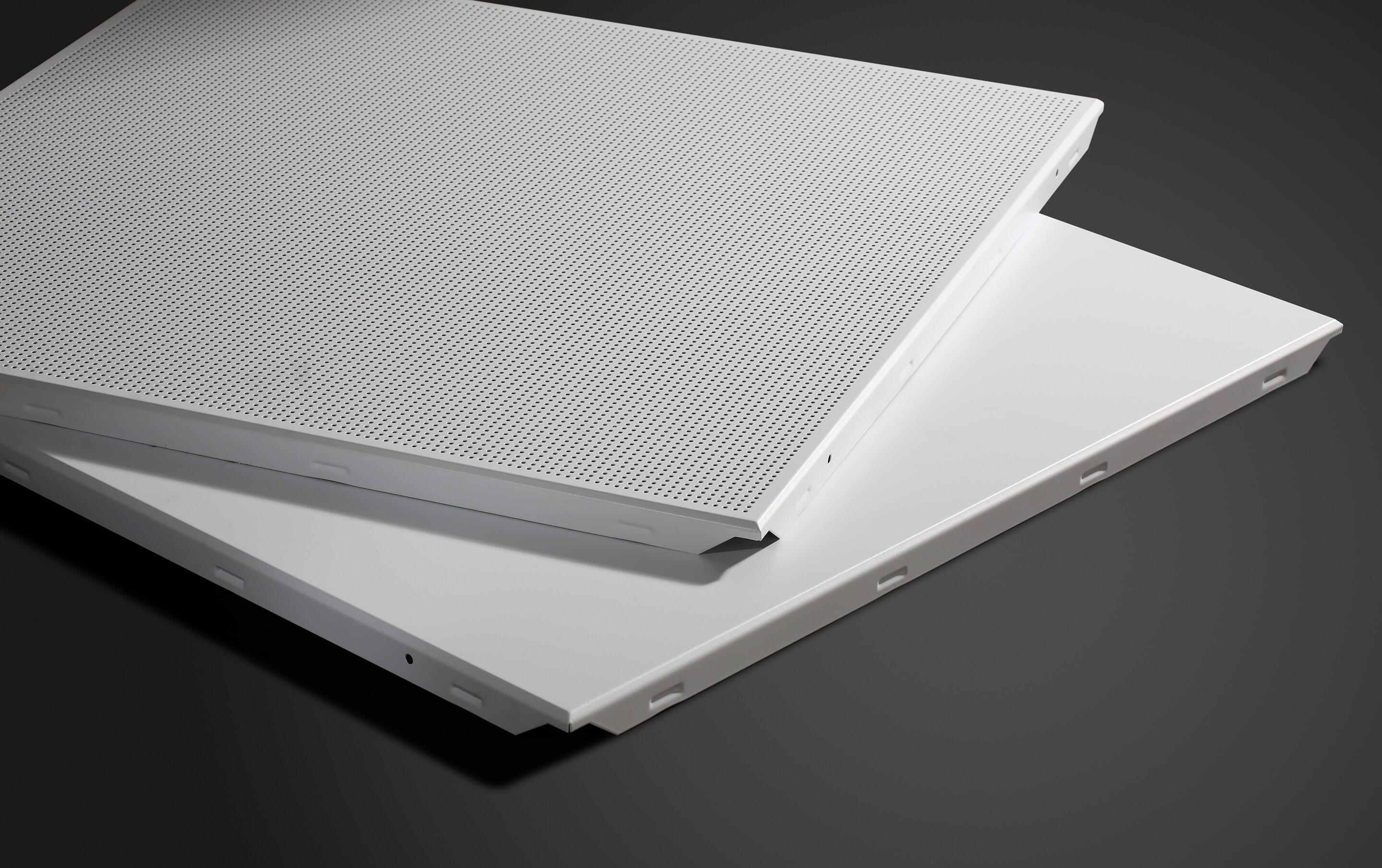
When selecting exterior cladding materials for modern buildings, architects and contractors often face a critical decision between aluminum composite panel systems and pure aluminum panels. This choice significantly impacts project budgets, installation timelines, and long-term performance. Understanding the fundamental differences between these materials ensures informed decision-making that aligns with specific project requirements and performance expectations.
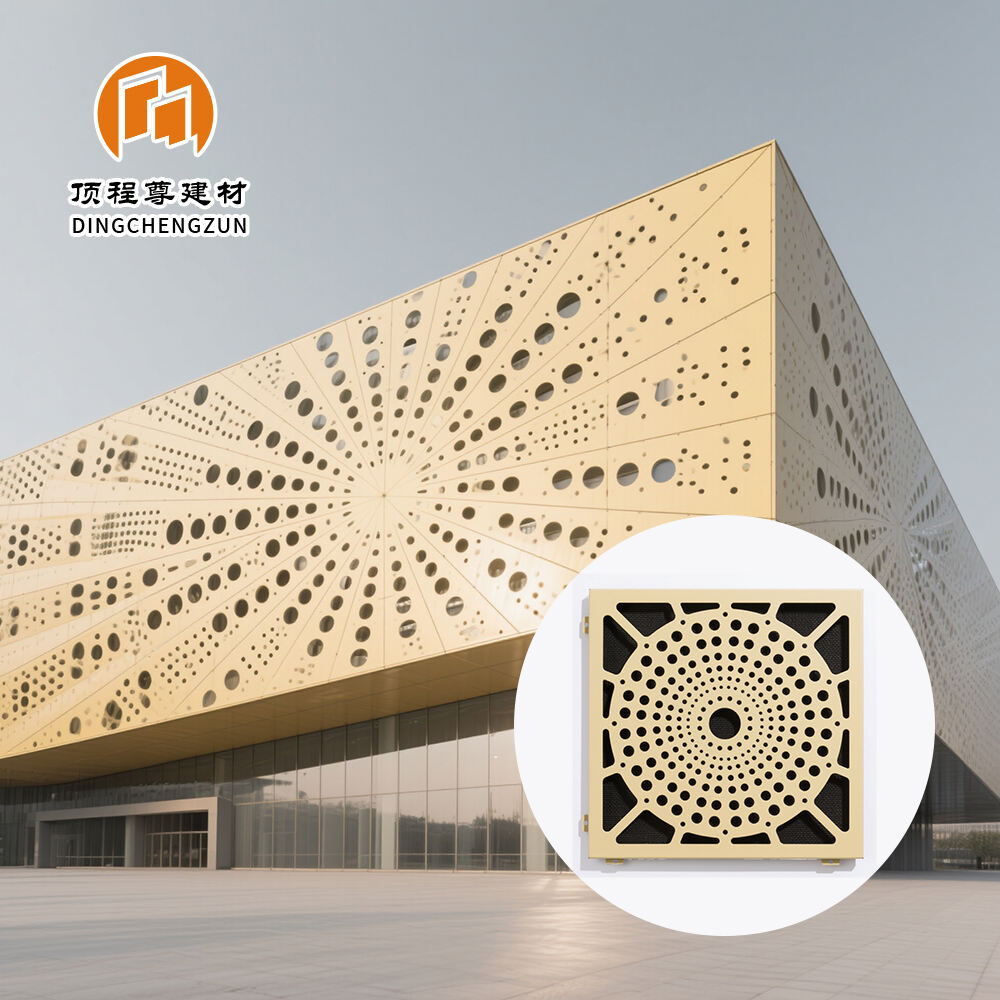
Material Composition and Structure
Understanding Aluminum Composite Panel Construction
An aluminum composite panel features a sophisticated three-layer sandwich construction consisting of two aluminum sheets bonded to a non-aluminum core material. The outer aluminum skins typically measure between 0.21mm to 0.50mm thickness, while the core material can be polyethylene, fire-retardant mineral cores, or honeycomb structures. This engineered design creates a lightweight yet rigid panel that offers exceptional flatness and dimensional stability across large surface areas.
The bonding process between aluminum skins and core materials utilizes advanced adhesive technologies that ensure permanent lamination under various environmental conditions. Modern aluminum composite panel manufacturing incorporates continuous lamination processes that eliminate air pockets and create uniform bonding strength throughout the panel dimensions. This construction method results in panels that maintain structural integrity while weighing significantly less than solid aluminum alternatives.
Pure Aluminum Panel Characteristics
Pure aluminum panels consist of solid aluminum alloy sheets, typically ranging from 1.5mm to 6mm thickness depending on structural requirements and span capabilities. These panels utilize aluminum alloys such as 1100, 3003, or 5005 series that provide varying degrees of strength, corrosion resistance, and formability. The homogeneous material composition ensures consistent thermal expansion properties and predictable structural behavior under load conditions.
Manufacturing processes for pure aluminum panels include rolling, stretching, and forming operations that create flat sheets with controlled surface finishes. The material density remains constant throughout the panel thickness, resulting in higher weight per square meter compared to composite alternatives. This solid construction provides inherent fire resistance and recyclability advantages that appeal to environmentally conscious design teams.
Performance Characteristics and Durability
Weather Resistance and Longevity
Weather resistance performance varies significantly between aluminum composite panel and pure aluminum panel systems. Aluminum composite panels with PVDF or powder coating finishes demonstrate exceptional resistance to UV degradation, color fading, and chalking over extended exposure periods. The protective coatings maintain gloss retention and color stability for decades when properly applied and maintained according to manufacturer specifications.
Pure aluminum panels offer superior corrosion resistance due to their solid aluminum construction and natural oxide layer formation. The absence of core materials eliminates potential delamination concerns that can occur in composite systems under extreme thermal cycling or moisture intrusion. However, surface coating performance remains critical for maintaining aesthetic appearance and preventing localized corrosion in marine or industrial environments.
Thermal Performance and Expansion
Thermal expansion characteristics differ substantially between these panel types, affecting installation details and long-term performance. An aluminum composite panel typically exhibits lower thermal expansion coefficients due to the constraining effect of the core material on aluminum skin movement. This reduced expansion simplifies joint design and minimizes thermal stress on attachment systems during temperature fluctuations.
Pure aluminum panels experience greater thermal movement that requires careful consideration in joint spacing and attachment design. The solid aluminum construction conducts heat more effectively, potentially creating hot spots on building surfaces during peak solar exposure. Proper thermal break design becomes essential when specifying pure aluminum panels for energy-efficient building envelopes.
Installation Considerations and Methods
Fabrication and Processing Requirements
Fabrication processes for aluminum composite panel systems require specialized equipment and techniques to achieve precise cuts and edge treatments. Router cutting, scoring, and folding operations must maintain the integrity of the aluminum-to-core bond while creating clean, weatherproof edges. Proper edge sealing prevents moisture infiltration that could compromise the core material or adhesive systems over time.
The lightweight nature of aluminum composite panel systems reduces handling requirements and enables larger panel sizes without exceeding crane capacity limitations. Standard panel dimensions can reach 1500mm x 4000mm or larger, reducing the number of joints and installation time compared to smaller pure aluminum panels that require more frequent support points.
Attachment Systems and Structural Support
Attachment methods vary considerably between panel types due to differences in material thickness, weight, and structural properties. Aluminum composite panel systems typically utilize mechanical fixing systems that clamp the panel edges without penetrating the face material. This approach maintains weather seal integrity while accommodating thermal movement through sliding connections at support points.
Pure aluminum panels often require direct mechanical fastening through the panel face or structural glazing attachment methods. The increased material thickness provides better bearing strength for fastener connections but may require additional sealing measures to prevent water infiltration at penetration points. Structural calculations must account for higher dead loads and increased wind loading due to the solid panel construction.
Cost Analysis and Economic Factors
Material and Manufacturing Costs
Initial material costs favor aluminum composite panel systems due to reduced aluminum content per square meter of coverage. The composite construction utilizes approximately 60-70% less aluminum compared to equivalent pure aluminum panels, resulting in lower raw material costs. Manufacturing efficiencies in aluminum composite panel production also contribute to competitive pricing in standard colors and finishes.
Pure aluminum panel costs reflect current aluminum commodity pricing and additional processing requirements for achieving specified thicknesses and surface finishes. Premium alloys and specialized forming processes can significantly increase material costs, particularly for complex geometries or non-standard dimensions. However, the recyclable value of pure aluminum provides long-term economic benefits at building end-of-life.
Installation and Labor Costs
Installation labor costs typically favor aluminum composite panel systems due to reduced material weight and simplified handling procedures. Installers can manage larger panels with standard equipment, reducing crane time and improving installation productivity. The pre-finished nature of most aluminum composite panel systems eliminates field coating operations that add time and cost to pure aluminum installations.
Specialized fabrication requirements for aluminum composite panel edge treatments may increase shop labor costs compared to simple cutting operations required for pure aluminum panels. However, these costs are often offset by reduced field installation time and lower structural support requirements due to the lighter panel weights and improved stiffness characteristics.
Applications and Project Suitability
Commercial and Institutional Buildings
Commercial building applications often favor aluminum composite panel systems for their design flexibility and cost-effectiveness. The wide range of available colors, textures, and finishes enables architects to achieve specific aesthetic goals while maintaining budget constraints. Large format panels create clean, modern appearances that align with contemporary architectural trends in office, retail, and hospitality projects.
Institutional buildings with stringent fire safety requirements may specify aluminum composite panel systems with mineral-filled cores that provide enhanced fire performance. These specialized core materials maintain the lightweight advantages of composite construction while meeting building code requirements for non-combustible materials. Educational facilities and healthcare buildings particularly benefit from these fire-resistant aluminum composite panel options.
Industrial and High-Performance Applications
Industrial facilities operating in corrosive environments often specify pure aluminum panels for their superior chemical resistance and long-term durability. The solid aluminum construction withstands aggressive atmospheric conditions without risk of core material degradation or delamination. Manufacturing plants, chemical processing facilities, and marine applications benefit from the proven performance of pure aluminum panel systems.
High-performance building envelopes may incorporate pure aluminum panels where maximum durability justifies the additional cost and weight. Research facilities, data centers, and mission-critical installations often specify solid aluminum construction to minimize maintenance requirements and ensure reliable long-term performance under demanding operating conditions.
Maintenance and Lifecycle Considerations
Cleaning and Surface Care
Maintenance requirements differ between aluminum composite panel and pure aluminum panel systems based on surface characteristics and environmental exposure. Aluminum composite panel surfaces with factory-applied coatings typically require routine cleaning with mild detergents and soft brush techniques. The smooth, non-porous finish resists dirt accumulation and facilitates effective cleaning with standard building maintenance procedures.
Pure aluminum panels may develop surface oxidation that requires periodic restoration depending on alloy selection and coating systems. Mill finish aluminum panels can be restored through mechanical polishing or chemical treatments that remove surface contamination and restore original appearance. Anodized finishes provide excellent durability but may require specialized cleaning products to maintain optimal appearance over extended service life.
Replacement and Repair Procedures
Panel replacement procedures favor aluminum composite panel systems due to their modular installation methods and standardized dimensions. Individual panels can typically be removed and replaced without disturbing adjacent panels, minimizing disruption to building operations. The availability of matching panels from stock inventory reduces replacement lead times compared to custom-fabricated pure aluminum alternatives.
Pure aluminum panels may require custom fabrication for replacement applications, particularly when original manufacturing sources are no longer available. However, the standardized alloy compositions and forming processes enable reproduction of panels to match existing installations. Field repairs through welding or mechanical patching provide options for addressing localized damage without complete panel replacement.
FAQ
What is the typical lifespan difference between aluminum composite panels and pure aluminum panels
Both aluminum composite panel and pure aluminum panel systems can achieve 25-30 year service lives when properly specified and maintained. Aluminum composite panels with quality PVDF coatings maintain appearance and performance for decades, while pure aluminum panels offer potentially longer structural life due to their solid construction. The choice often depends on specific environmental conditions and maintenance programs rather than inherent material limitations.
How do fire safety ratings compare between these panel types
Fire safety performance varies significantly based on core material selection in aluminum composite panel systems. Standard polyethylene cores are combustible, while mineral-filled cores achieve non-combustible classifications similar to pure aluminum panels. Pure aluminum panels inherently meet non-combustible requirements, making them suitable for high-rise applications with strict fire safety codes. Project-specific fire testing may be required to verify compliance with local building codes.
Which panel type offers better design flexibility for complex geometries
Aluminum composite panel systems generally provide superior design flexibility due to their ability to be formed into complex curves and shapes without compromising structural integrity. The composite construction allows tight radius bending and compound curves that would be difficult or impossible with pure aluminum panels of equivalent stiffness. However, pure aluminum panels offer advantages for applications requiring welded connections or field modifications during installation.
What are the environmental sustainability differences between these materials
Pure aluminum panels offer superior recyclability at building end-of-life since they consist entirely of aluminum alloy that can be reprocessed indefinitely. Aluminum composite panel recycling requires separation of aluminum skins from core materials, which may limit recycling options depending on core composition. However, the reduced aluminum content in aluminum composite panel systems provides resource conservation benefits during initial manufacturing phases.
Table of Contents
- Material Composition and Structure
- Performance Characteristics and Durability
- Installation Considerations and Methods
- Cost Analysis and Economic Factors
- Applications and Project Suitability
- Maintenance and Lifecycle Considerations
-
FAQ
- What is the typical lifespan difference between aluminum composite panels and pure aluminum panels
- How do fire safety ratings compare between these panel types
- Which panel type offers better design flexibility for complex geometries
- What are the environmental sustainability differences between these materials