 EN
EN


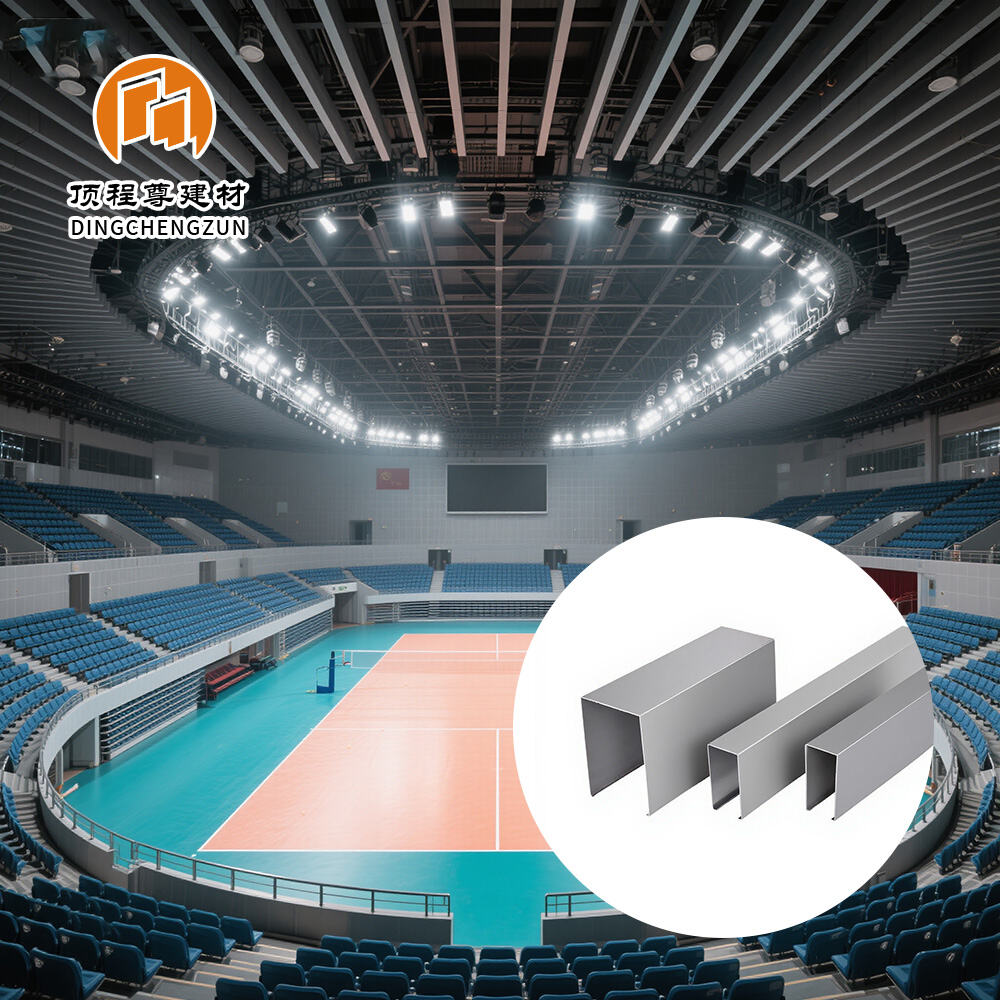
Các hệ thống trần sân vận động hiện đại đại diện cho điểm giao thoa quan trọng giữa kỹ thuật âm học, an toàn cháy nổ và độ bền kết cấu—những yếu tố trực tiếp ảnh hưởng đến trải nghiệm của khán giả cũng như hoạt động vận hành cơ sở.
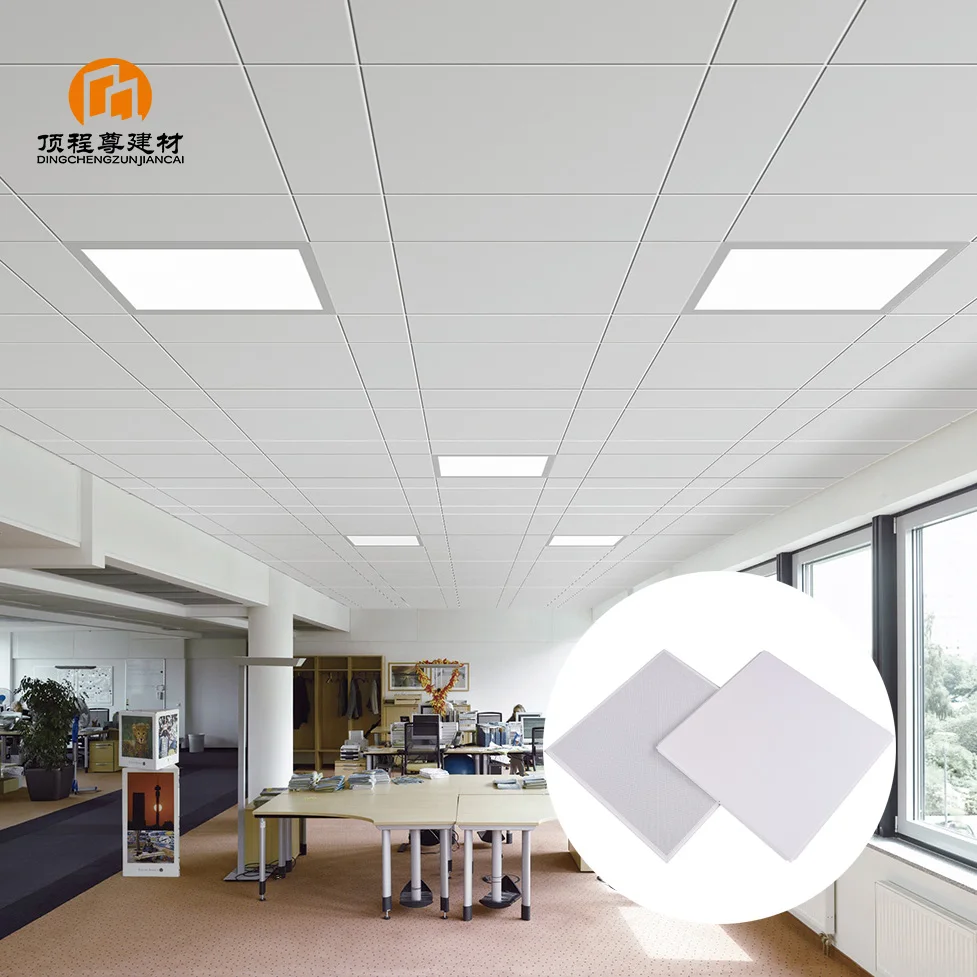
Sự phát triển của các hệ thống trần sân vận động đã biến những địa điểm này từ những nơi che chắn đơn thuần thành các môi trường tinh vi, nâng cao độ rõ ràng âm thanh, đảm bảo an toàn cho người sử dụng và chịu được hàng chục năm sử dụng cường độ cao. Việc hiểu rõ cách tích hợp hiệu năng âm học, vật liệu chống cháy và các nguyên tắc xây dựng bền vững giúp các nhà quản lý cơ sở và kiến trúc sư đưa ra quyết định sáng suốt, cân bằng giữa chức năng tức thời và thành công vận hành lâu dài.
Kỹ thuật âm học trong hệ thống trần sân vận động
Kiểm soát Âm thanh và Quản lý Độ Vang
Các hệ thống trần sân vận động đóng vai trò nền tảng trong việc quản lý môi trường âm học bên trong các địa điểm quy mô lớn, nơi độ rõ nét của âm thanh ảnh hưởng trực tiếp đến trải nghiệm khán giả cũng như hiệu quả của các hệ thống truyền thông. Thiết kế âm học của những hệ thống này phải giải quyết các vấn đề về kiểm soát độ vang, hấp thụ âm thanh và khả năng hiểu lời nói trên toàn bộ không gian nội thất rộng lớn, có thể chứa tới hàng chục nghìn người.
Các hệ thống trần sân vận động tiên tiến tích hợp các tấm kim loại đục lỗ, vật liệu nền cách âm và các yếu tố hấp thụ âm thanh được bố trí chiến lược, phối hợp với nhau nhằm giảm thời gian vang dư quá mức. Các thành phần này được thiết kế để đạt được giá trị RT60 tối ưu, thường dao động từ 2,0 đến 4,0 giây, tùy thuộc vào kích thước địa điểm và mục đích sử dụng.
Hiệu suất âm học của các hệ thống trần sân vận động hiện đại không chỉ dừng lại ở khả năng hấp thụ âm cơ bản mà còn bao gồm cả khả năng kiểm soát hướng phát âm và cách ly tiếng ồn. Các hệ thống này giúp ngăn chặn hiện tượng lan truyền âm thanh giữa các khu vực khác nhau trong địa điểm, đồng thời đảm bảo rằng các thông báo qua hệ thống loa công cộng, thông tin khẩn cấp và mức độ âm thanh nền đều duy trì trong giới hạn chấp nhận được trên toàn bộ cơ sở.
Việc lựa chọn vật liệu âm học cho hệ thống trần sân vận động
Việc lựa chọn vật liệu âm học trong hệ thống trần sân vận động đòi hỏi sự cân nhắc kỹ lưỡng cả về đặc tính hiệu suất lẫn các yếu tố độ bền trong môi trường. Các tấm nhôm đục lỗ với các mẫu lỗ và vật liệu lót phía sau khác nhau cung cấp các đặc tính âm học có thể tùy chỉnh, đồng thời vẫn giữ được độ bền cấu trúc cần thiết cho các ứng dụng có nhịp lớn.
Các hệ thống lớp lót bằng sợi khoáng, các cụm mút cách âm và các vật liệu màng chuyên dụng góp phần nâng cao hiệu suất cách âm tổng thể của hệ thống trần sân vận động. Những vật liệu này phải duy trì được đặc tính cách âm của chúng trong điều kiện nhiệt độ thay đổi, mức độ độ ẩm khác nhau và ứng suất cơ học đặc trưng cho môi trường sân vận động trong suốt các sự kiện cũng như trong quá trình thay đổi theo mùa.
Việc tích hợp các vật liệu cách âm bên trong hệ thống trần sân vận động cũng đòi hỏi xem xét khả năng tiếp cận để bảo trì và độ ổn định về hiệu suất trong thời gian dài. Các vật liệu phải có khả năng chống suy giảm do tiếp xúc với tia UV, thẩm thấu độ ẩm và rung động cơ học, đồng thời duy trì đặc tính cách âm nhất quán trong suốt tuổi thọ sử dụng.
Thiết kế chống cháy và tích hợp an toàn
Yêu cầu và tiêu chuẩn về khả năng chống cháy
Các hệ thống trần sân vận động phải tuân thủ các tiêu chuẩn an toàn phòng cháy chữa cháy nghiêm ngặt, bao gồm cả khả năng chống cháy của vật liệu và hiệu suất phòng cháy của kết cấu trong các tình huống khẩn cấp. Các yêu cầu này thường quy định vật liệu trần lộ ra phải đạt xếp hạng cháy loại A và có thể yêu cầu thêm các hệ thống lớp lót chống cháy tùy thuộc vào quy định xây dựng địa phương và phân loại mục đích sử dụng công trình.
Hiệu suất phòng cháy của các hệ thống trần sân vận động không chỉ giới hạn ở tính dễ cháy của vật liệu mà còn bao gồm đặc tính phát khói, tốc độ lan truyền ngọn lửa và độ bền kết cấu khi chịu tác động của lửa. Các hệ thống này phải duy trì chức năng kết cấu trong suốt thời gian sơ tán, đồng thời giảm thiểu tối đa việc góp phần làm gia tăng đám cháy và sinh khói—những yếu tố có thể cản trở việc thoát nạn khẩn cấp.
Các hệ thống trần sân vận động hiện đại thường tích hợp kết cấu nhôm chống cháy, vật liệu lót khoáng không cháy và các chi tiết lắp ráp đạt tiêu chuẩn chống cháy, từ đó cùng nhau đạt được xếp hạng hiệu suất chống cháy vượt trội. Những đặc điểm thiết kế này phối hợp với nhau nhằm cung cấp giải pháp bảo vệ thụ động trước cháy, hỗ trợ chiến lược an toàn phòng cháy chữa cháy tổng thể của tòa nhà cũng như các quy trình ứng phó khẩn cấp.
Tích hợp với Hệ thống Phòng cháy chữa cháy
Thiết kế hệ thống trần sân vận động phải đáp ứng yêu cầu lắp đặt nhiều thành phần của hệ thống phòng cháy chữa cháy, bao gồm hệ thống phun nước chữa cháy (sprinkler), thiết bị phát hiện khói và hệ thống chiếu sáng khẩn cấp. Việc tích hợp các thành phần này đòi hỏi sự phối hợp cẩn trọng để đảm bảo cả hiệu quả của hệ thống phòng cháy chữa cháy lẫn các đặc tính hiệu năng của hệ thống trần.
Các yếu tố cần xem xét khi thiết kế hệ thống trần bao gồm vị trí các tấm che tiếp cận để bảo trì hệ thống phòng cháy chữa cháy, yêu cầu khoảng cách thông thoáng cho hoạt động của đầu phun nước chữa cháy và phối hợp với các hệ thống thoát khói. Hệ thống trần sân vận động phải đảm bảo khả năng tiếp cận cần thiết đồng thời duy trì hiệu suất âm học và tính liên tục về mặt thị giác trên các khu vực trần có diện tích lớn.
Việc tích hợp an toàn phòng cháy chữa cháy vào hệ thống trần sân vận động cũng đòi hỏi xem xét các tác động do giãn nở và co ngót nhiệt, vốn có thể ảnh hưởng đến độ chính xác lắp đặt và hoạt động của hệ thống phòng cháy chữa cháy. Các chi tiết thiết kế phải thích ứng được với chuyển động của công trình trong khi vẫn đảm bảo chức năng của hệ thống phòng cháy chữa cháy cũng như độ nguyên vẹn của hệ thống trần trong cả điều kiện bình thường lẫn tình huống khẩn cấp.
Độ bền và hiệu suất cấu trúc
Độ bền vật liệu trong môi trường sân vận động
Các hệ thống trần sân vận động phải chịu được các điều kiện môi trường bao gồm sự biến đổi nhiệt độ, dao động độ ẩm, rung động cơ học do hoạt động của khán giả gây ra và khả năng bị va chạm trong quá trình bảo trì. Yêu cầu về độ bền đối với các hệ thống này thường cao hơn so với các ứng dụng trần thương mại thông thường do quy mô và cường độ hoạt động của sân vận động.
Kết cấu nhôm mang lại khả năng chống ăn mòn xuất sắc và độ ổn định về kích thước, khiến vật liệu này đặc biệt phù hợp cho các ứng dụng hệ thống trần sân vận động. Độ bền vốn có của vật liệu, kết hợp với các xử lý bề mặt và lớp phủ bảo vệ thích hợp, đảm bảo hiệu suất hoạt động lâu dài trong các điều kiện môi trường khắc nghiệt đồng thời giảm thiểu nhu cầu bảo trì.
Độ bền cấu trúc của các hệ thống trần sân vận động cũng bao gồm khả năng chịu tải gió, lực động đất và các tác động do giãn nở nhiệt có thể xảy ra ở các kết cấu mái nhịp lớn. Các hệ thống này phải duy trì được các đặc tính hiệu suất thiết kế trong suốt tuổi thọ sử dụng, đồng thời thích ứng được với các chuyển vị của công trình và các ứng suất môi trường.
Khả năng tiếp cận để bảo trì và hiệu suất dài hạn
Các hệ thống trần sân vận động phải đảm bảo khả năng tiếp cận thực tế cho các hoạt động bảo trì định kỳ, bao gồm làm sạch, kiểm tra và thay thế linh kiện, mà không làm ảnh hưởng đến độ nguyên vẹn của hệ thống hay yêu cầu lắp đặt các hệ thống chống đỡ tạm thời quy mô lớn. Yếu tố khả năng tiếp cận này ảnh hưởng trực tiếp đến chi phí vận hành dài hạn và độ tin cậy của hệ thống.
Đặc điểm thiết kế mô-đun của các hệ thống trần sân vận động hiện đại giúp dễ dàng thay thế từng tấm riêng lẻ và điều chỉnh hệ thống mà không ảnh hưởng đến các khu vực liền kề. Cách tiếp cận thiết kế này làm giảm gián đoạn trong bảo trì và cho phép thực hiện các sửa chữa có mục tiêu nhằm duy trì hiệu suất tổng thể của hệ thống đồng thời giải quyết các vấn đề cục bộ.
Giám sát hiệu năng dài hạn đối với các hệ thống trần sân vận động bao gồm đánh giá các đặc tính âm học, độ bền cấu trúc và vẻ ngoài thị giác trong suốt thời gian sử dụng kéo dài. Các quy trình đánh giá này giúp xác định nhu cầu bảo trì cũng như các xu hướng hiệu năng, từ đó cung cấp cơ sở để xây dựng đặc tả kỹ thuật hệ thống và chiến lược vận hành trong tương lai.
Các yếu tố cần xem xét về lắp đặt và thiết kế
Tích hợp cấu trúc và phân bố tải
Việc lắp đặt hệ thống trần sân vận động đòi hỏi sự phối hợp cẩn thận với các hệ thống kết cấu chính nhằm đảm bảo phân bố tải trọng đúng cách và duy trì tính liên tục của hệ thống đỡ trên các diện tích trần lớn. Các công tác lắp đặt này phải tính đến tải trọng bản thân, tải trọng tạm thời và tải trọng môi trường, đồng thời vẫn đảm bảo hiệu quả kết cấu cũng như tính kinh tế trong thi công.
Thiết kế hệ thống treo cho trần sân vận động cần xem xét khoảng cách các móc treo, đường truyền tải trọng và chi tiết liên kết sao cho phù hợp với quy mô và độ phức tạp của các ứng dụng tại các địa điểm lớn. Những hệ thống này phải cung cấp khả năng đỡ đầy đủ đồng thời cho phép điều chỉnh cần thiết trong quá trình lắp đặt cũng như trong các hoạt động bảo trì sau này.
Việc tích hợp các hệ thống trần sân vận động với các hệ thống cơ khí, điện và cấp thoát nước đòi hỏi sự phối hợp toàn diện nhằm đảm bảo tất cả các hệ thống công trình hoạt động hiệu quả đồng thời duy trì hiệu suất của hệ thống trần. Sự phối hợp này bao gồm việc quy hoạch không gian, bố trí lối tiếp cận và xem xét các yếu tố tải trọng ảnh hưởng đến cả trình tự lắp đặt lẫn vận hành lâu dài.
Kiểm soát chất lượng và xác minh hiệu suất
Kiểm soát chất lượng trong quá trình lắp đặt hệ thống trần sân vận động bao gồm việc xác minh hiệu suất âm thanh, tuân thủ yêu cầu chống cháy và độ đủ về mặt kết cấu thông qua các quy trình kiểm tra và thử nghiệm. Các biện pháp đảm bảo chất lượng này giúp đảm bảo rằng các hệ thống đã lắp đặt đáp ứng đúng các đặc tả thiết kế cũng như các yêu cầu về hiệu năng.
Các quy trình xác minh hiệu năng đối với hệ thống trần sân vận động có thể bao gồm kiểm tra âm học, xác nhận khả năng chống cháy và kiểm tra tải trọng kết cấu, tùy thuộc vào yêu cầu dự án và các quy định của mã xây dựng địa phương. Các hoạt động xác minh này cung cấp tài liệu chứng minh sự tuân thủ và khả năng hiệu năng của hệ thống.
Quá trình vận hành thử nghiệm (commissioning) đối với hệ thống trần sân vận động bao gồm việc kiểm tra toàn diện tất cả các thành phần tích hợp, bao gồm đo lường hiệu năng âm học, xác minh sự phối hợp của hệ thống phòng cháy chữa cháy và xác nhận hiệu năng kết cấu. Quá trình vận hành thử nghiệm này đảm bảo rằng tất cả các thành phần của hệ thống đều hoạt động đúng như thiết kế và đáp ứng các tiêu chí hiệu năng đã được thiết lập.
Câu hỏi thường gặp
Các yêu cầu âm học chính đối với hệ thống trần sân vận động là gì?
Các hệ thống trần sân vận động phải đạt được thời gian vang vọng trong khoảng từ 2,0 đến 4,0 giây, cung cấp khả năng hấp thụ âm thanh hiệu quả trên dải tần số nói và duy trì độ rõ tiếng nói trên toàn bộ khu vực tổ hợp. Các hệ thống này thường yêu cầu chỉ số NRC từ 0,70 trở lên và phải đảm bảo khả năng tích hợp với hệ thống phát thanh công cộng đồng thời kiểm soát mức độ ồn do đám đông gây ra.
Các hệ thống trần sân vận động chống cháy duy trì việc tuân thủ các yêu cầu an toàn như thế nào?
Các hệ thống trần sân vận động chống cháy đáp ứng yêu cầu an toàn thông qua việc sử dụng vật liệu đạt tiêu chuẩn chống cháy cấp A, kết cấu không cháy và tích hợp với hệ thống phun nước chữa cháy cũng như hệ thống phát hiện khói. Những hệ thống này phải đáp ứng các yêu cầu về tốc độ lan truyền ngọn lửa và mức độ sinh khói, đồng thời đảm bảo khả năng tiếp cận cho thiết bị phòng cháy chữa cháy và duy trì độ bền cấu trúc trong các tình huống khẩn cấp.
Những yếu tố nào quyết định độ bền của các hệ thống trần sân vận động?
Độ bền của các hệ thống trần sân vận động phụ thuộc vào việc lựa chọn vật liệu, khả năng chống chịu môi trường, thiết kế kết cấu và khả năng tiếp cận để bảo trì. Kết cấu nhôm mang lại khả năng chống ăn mòn xuất sắc, trong khi các hệ thống treo phù hợp giúp thích ứng với chuyển động của công trình và các ứng suất môi trường. Việc dễ dàng tiếp cận để bảo trì định kỳ cùng các tính năng thiết kế mô-đun góp phần nâng cao độ tin cậy về hiệu suất trong thời gian dài.
Các hệ thống trần sân vận động tích hợp với các hệ thống khác của tòa nhà như thế nào?
Các hệ thống trần sân vận động được tích hợp với các hệ thống cơ khí, điện, phòng cháy chữa cháy và kết cấu thông qua quy trình thiết kế và lập kế hoạch lắp đặt phối hợp. Việc tích hợp này bao gồm việc bố trí thiết bị HVAC, hệ thống chiếu sáng, đầu phun sprinkler và các hệ thống khẩn cấp, đồng thời vẫn đảm bảo hiệu suất âm học và tính liên tục về mặt thị giác trên toàn bộ diện tích trần lớn.
Mục lục
- Kỹ thuật âm học trong hệ thống trần sân vận động
- Thiết kế chống cháy và tích hợp an toàn
- Độ bền và hiệu suất cấu trúc
- Các yếu tố cần xem xét về lắp đặt và thiết kế
-
Câu hỏi thường gặp
- Các yêu cầu âm học chính đối với hệ thống trần sân vận động là gì?
- Các hệ thống trần sân vận động chống cháy duy trì việc tuân thủ các yêu cầu an toàn như thế nào?
- Những yếu tố nào quyết định độ bền của các hệ thống trần sân vận động?
- Các hệ thống trần sân vận động tích hợp với các hệ thống khác của tòa nhà như thế nào?