 EN
EN


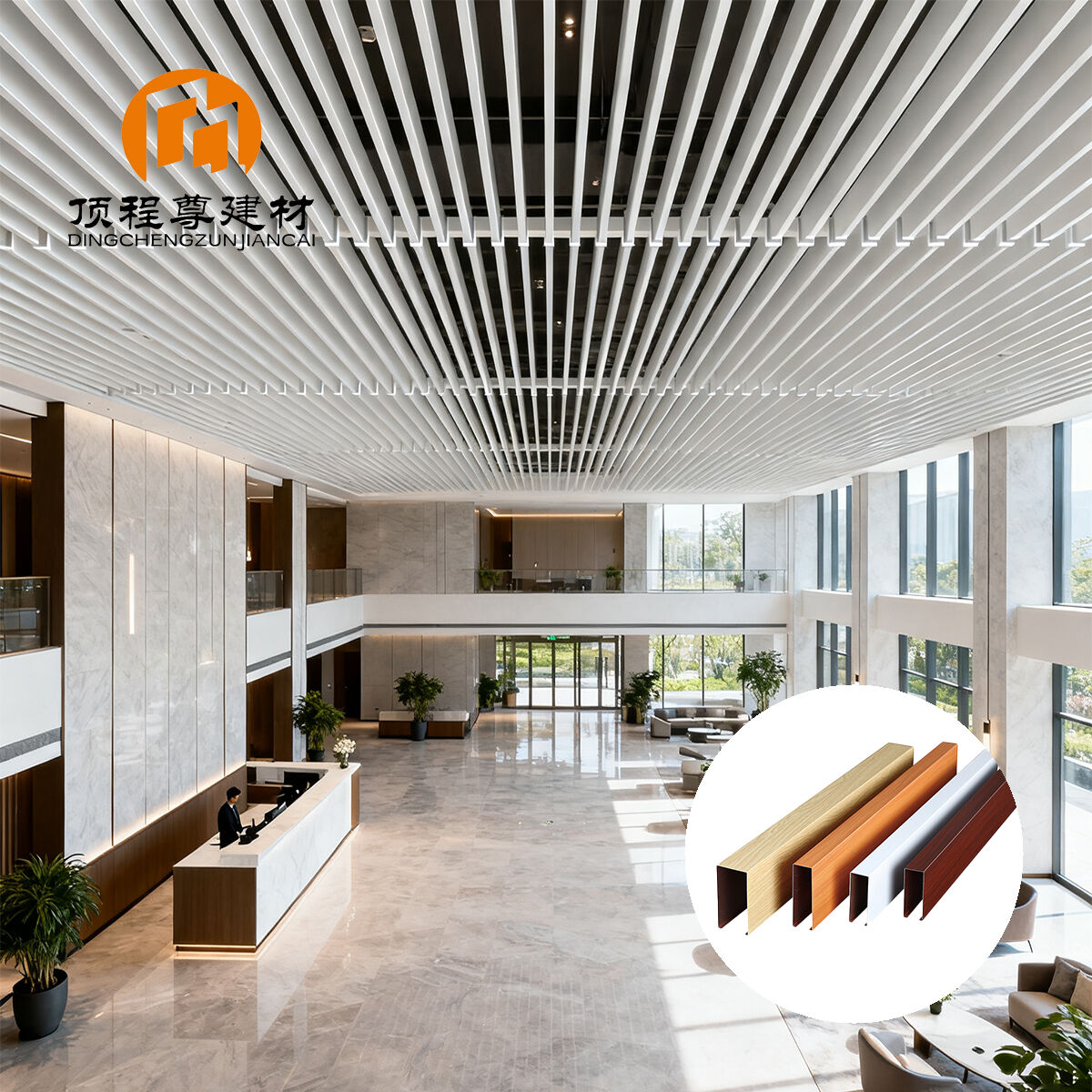
Osma tavan nima?
Osma tavan — bu strukturali plitadan pastda o'rnatiladigan ikkinchi tavan tizimi bo'lib, uni tushirilgan tavan yoki soxta tavan deb ham atashadi. Tijorat va jamoat binolarida u faqatgina bezakli qoplam emas. Bu yuqori qismdagi xizmatlarni tartibga solish, ichki muhitning ishlashini yaxshilash va tozaroq, boshqariladigan tavan tekisligini yaratish uchun ishlatiladigan amaliy binolash tizimidir.
Odatda osma tavan uchta asosiy elementdan iborat: yuqoridagi inshootdan osilgan osish tizimi, joylashuvni qo'llab-quvvatlaydigan panjara yoki ramka tizimi va ko'rinadigan sirt sifatida xizmat qiladigan tavan panelari. Loyihaga qarab, bu panelar osongina kirish mumkin bo'lishi, silliq ko'rinishi, akustik yutish, gigienik xususiyatlari yoki arxitektura ta'siri uchun mo'ljallangan bo'lishi mumkin.
Osma to'qilarning keng qo'llanilishining biri asosiy sabablari shundaki, ular shamollatish tizimlari, quvurlar, simlar va yoritish infratuzilmasini ko'rinmas qilib beradi va shu bilan birga, to'qilni vizual jihatdan tartibsiz qilmaydi. Shu bilan birga, ular joyning umumiy ko'rinishini yaxshilashi, tovushni boshqarishni yaxshilashi va kelajakda tekshirish yoki texnik xizmat ko'rsatishni soddalashtirishi mumkin. Ko'plab loyihalarda to'qil tizimi o'tga chidamli xavfsizlik, tozalik va uzoq muddatli operatsion samaradorlikka ham hissa qo'shadi.
Shu sababli osma to'qillar odatda ish joylari, kasalxonalar, maktablar, savdo do'konlari, transport markazlari va boshqa yuqori foydalaniladigan ichki joylarda, ya'ni ham ishlash sifati, ham ko'rinish ahamiyatli bo'lgan joylarda qo'llaniladi.
To'qil turlarini tushunish nima uchun muhim?
Barcha osma to'qilarning bir xil maqsadi yo'q. Ba'zi to'qil tizimlari tozalik va uzluksiz vizual ta'sir yaratish uchun mo'ljallangan, boshqalari esa texnik xizmat ko'rsatish uchun tezroq kirish imkonini berish uchun qurilgan. Ba'zilari akustik nazoratda yaxshiroq ishlaydi, boshqalari esa gigienik muhit, yuqori o'tish oqimli jamoat joylari yoki qattiq olovga chidamlilik va doimiylik talablari bilan belgilangan loyihalarga mos keladi.
Shuning uchun to'qil turlarini tushunish muhim. Tanlangan osma to'qil turi fazoning qanday ko'rinishini, binoning kommunikatsiyalariga qanday qulay kirish mumkinligini, xonadagi tovushning qanday tarqalishini, sirtning qanchalik oson tozalanishini va tizimning vaqt o'tishi bilan qanday ishlashini ta'sirlashi mumkin. Shuningdek, bu o'rnatish murakkabligini, almashtirish samaradorligini va umumiy loyiha narxini ham ta'sirlashi mumkin.
Tijorat va jamoat binolari loyihalarida shiftning tanlovi ko'pincha dizayn maqsadi va texnik ko'rsatkichlar o'rtasidagi muvozanatdir. Kasalxona gigiyena va oson tozalashni afzal ko'rishishi mumkin. Ofis esa akustik qulaylik va texnik xizmat ko'rsatishga kirish imkoniyatiga e'tibor qaratishi mumkin. Transport markazida esa chidamlilik, ochiqlik va kuchli vizual yo'nalish talab qilinishi mumkin. Loyiha talablari shunchalik turli xil bo'lgani uchun, mos osma shift turini tanlash faqatgina dizayn qarorini emas, balki funktsional va operatsion qarorni ham o'z ichiga oladi.
Ushbu farqlarni tushunish arxitektorlar, quruvchilar va xaridorlarga fazoning haqiqiy foydalanishiga mos keladigan shift tizimini tanlashda, faqatgina ko'rinishga tayanmasdan yordam beradi.
Osma shiftlarning asosiy turlari
Osma to'qilarni turli xil usullarda guruhlash mumkin: yashirin tizimlar, ochiq panjarali tizimlar, ochiq to'qil va maxsus arxitektura to'qil yechimlari. Har bir turi ko'rinish, texnik xizmat ko'rsatishga kirish imkoniyati, akustik xususiyatlari va loyiha mosligi o'rtasida turli xil muvozanatni yaratadi. Tijorat va jamoat ichki joylari uchun to'g'ri tizimni tanlash odatda faqatgina uslubga bog'liq emas. Bu to'qilning kundalik foydalanishda qanday ishlashi haqida gap ketadi.
Qo'shimcha osma to'qil
Qo'shimcha osma to'qil yashirin biriktirish tizimidan foydalanadi, shu sababli panelar o'rnatilgandan keyin tayanch tuzilma yashiriladi. Bu to'qilga tozalik, bir xil va uzluksizroq ko'rinish beradi, shuning uchun qo'shimcha osma tizimlari ko'pincha zamonaviy ichki joylarda, arxitektura jihatdan tartibli yakuniy natija talab qilinadigan joylarda tanlanadi.
Amaliy foydalanishda qo‘shimcha osma to'qilarning ishonchli o'rnatilishi, takomillashtirilgan ko'rinish effekti hamda shovqinni yutuvchi teshikli dizaynlar yoki gigienik metall yuzalar bilan mosligi uchun ularga yuqori baholash beriladi. Ular ko'pincha ko'rinishi hamda boshqariladigan ishlashi muhim ahamiyatga ega bo'lgan ofislar, kasalxonalarda, tijorat interyerlarida va jamoat binolarida qo'llaniladi. Ular dizaynerlar osma to'qilning integratsiyalangan ko'rinishini, ya'ni ochiq panjara emas, balki bir butunlik sifatida qilmoqchi bo'lganda ayniqsa mos keladi.
Biroq, ancha qulayroq tizimlarga nisbatan qo‘shimcha osma to'qilarni to'qil ustidagi maydonlarga juda tez-tez kirish talab qilinadigan joylarda foydalanish qulay emas. Ular ko'rinish sifati, tozalik va tizim barqarorligi panelni tezda olib tashlashdan yuqori ahamiyatga ega bo'lganda umumiy holda yaxshiroq tanlovdir.
Qo'yib o'rnatiladigan to'qil
Lay-in (panellarga o'rnatiladigan) shiftlar — ochiq tarmoqli tizimda to'g'ridan-to'g'ri yotqiziladigan panellardan qurilgan. Ularning asosiy afzalligi — amaliylikdir. Panellarni o'rnatish, olib tashlash qulay va shuningdek, shift ustidagi kanallar, quvurlar, simlar yoki mexanik tizimlarga muntazam ravishda kirish talab qilinadigan texnik xizmat ko'rsatish guruhlariga qulaylik yaratadi.
Shu sababli lay-in shiftlar ofislar, darsxonalarda, xizmat ko'rsatish maydonlarida va boshqa texnik xizmat ko'rsatish samaradorligi muhim ahamiyatga ega bo'lgan ichki joylarda keng qo'llaniladi. Ular odatda arzon narxli shift yechimini, shuningdek, oddiy almashtirish va tekshirish imkoniyatini ta'minlaydigan loyihalarda tanlanadi.
Biroq, lay-in shiftlar odatda yashirin tizimlarga nisbatan aniqroq tarmoq naqshini va kamroq biriktirilgan ko'rinishni hosil qiladi. Shu sababli ular ko'pincha funktsional jihatdan qurilgan ichki joylarda, ya'ni yuqori sifatli va sof ko'rinishdagi shift yakuni asosiy maqsad bo'lmagan loyihalarda afzal ko'riladi.
Baffle shiftlari
Baffle tavanlari — yuqoridagi inshootdan osilgan vertikal chiziqli elementlardan iborat. Yopiq tavan tizimlaridan farqli o'laroq, ular ko'proq ochiq vizual ta'sir yaratadi va yuqori maydonni yengilroq va balandroq his qilishga imkon beradi. Bu ularni dizaynerlar tavan aniqligini hamda fazoviy ochiqlikni bir vaqtda talab qiladigan zamonaviy arxitekturada mashhur qiladi.
Baffle tavanlar shuningdek akustikni yaxshilash uchun keng qo'llaniladi, ayniqsa ular perforatsiyali yoki tovushni yutuvchi orqa qismga ega bo'lganda. Ular tovushni nazorat qilish va arxitektonik ifoda ikkalasi ham muhim bo'lgan aeroportlar, savdo do'konlari, maktab binolari, ko'rgazma maydonlari va boshqa katta jamoat ichki joylarida yaxshi ishlaydi.
Ular ritm, chuqurlik va havo oqimi foydali bo'ladigan ochiq maydonlarda eng samarali ishlaydi. Aksincha, ular to'liq yopiq tavan tekisligi yoki juda qat'iy nazorat qilinadigan gigienik yakuni talab qiladigan loyihalarga kamroq mos keladi.
Ichki potitsiya
Tarmoqli pishloqlar — bu ochiq yacheykali yoki panjarali usulda osiladigan pishloq tizimlari. Ularning tuzilishi zamonaviy va keng ko'rinishni yaratadi, shu bilan birga pishloqni vizual ravishda ochiq qolishini ta'minlaydi. Bu ochiqlik ularni chiroqlantirish, ventilyatsiya, suv sepish (sprinkler) tizimlari va boshqa binolarning xizmat ko'rsatish tizimlari bilan yuqori darajada moslashtirish imkonini beradi; shu tizimlarni umumiy pishloq dizayniga tabiiy tarzda integratsiya qilish mumkin.
Tarmoqli pishloqlar odatda dizaynerlar osma zonani to'liq qoplamasdan zamonaviy pishloq tilini qo'llamoqchi bo'lgan tijorat binolari, transport yo'nalishlari, savdo do'konlari va boshqa jamoat ichki joylarida ishlatiladi. Ular ayniqsa, vizual ochiqlik va xizmat tizimlarini muvofiqlashtirish muhim bo'lgan keng maydonlarda juda foydali.
Yopiq panel tizimlariga nisbatan tarmoqli pishloqlar kamroq yashirish imkoniyatini beradi. Ular silliq, germetik yoki yuqori darajada yakunlangan pishloq sirtini talab qiladigan joylarga nisbatan ochiq arxitektura muhitlariga mos keladi.
Qatorli yuqori qismlarda
Strip (polosali) potojlar chiziqli panelardan tashkil topgan va ular parallel tartibda joylashtirilgan. Ularning asosiy vizual xususiyati — yo'nalishli xususiyatdir. Chunki ular ko'zni fazo uzunligi bo'ylab yo'naltiradi, shu sababli ular koridorlar, o'tish yo'llari, transport ichki joylari va boshqa uzun planli joylarga ayniqsa mos keladi.
Tozalangan chiziqli ko'rinishidan tashqari, strip potojlar o'lchami, oraliqlari va yuzasi jihatidan moslashuvchanliklari bilan ham qadrlanadi. Ular ko'pincha koridorlar, metro stansiyalari, savdo maydonlari, ofis o'tish yo'llari va dizaynerlar tartibli, zamonaviy va vizual jihatdan uzluksiz ko'rinishli potoj tizimi istagan transport loyihalarida ishlatiladi.
Loyiha chiziqli arxitektura effekti talab qilganda strip potojlar ko'pincha kuchli tanlov hisoblanadi. Biroq, agar fazo ochiq-hujayrali ko'rinishni talab qilsa yoki kirish moslashuvchanligi uzluksiz vizual tartibdan muhimroq bo'lsa, ular kamroq mos keladi.
Maxsus metall potoj panelari
Maxsus metall shifta panelari standart bo'lmagan o'lchamlar, shakllar, perforatsiya naqshlari, egri chiziqlar yoki maxsus yuzalar talab qilinadigan loyihalarga mo'ljallangan. Bu shiftalar loyihani standart tizimga moslashtirish o'rniga arxitektura maqsadlariga aniqroq mos kelish uchun loyihalangan.
Ular asosan dizayn moslashuvchanligida kuchli. Ular ajralib turadigan shiftalar, egri shaklli konstruksiyalar, noyob ichki dizaynlar va boshqa murakkab muhandislik talablari uchun qo'llanilishi mumkin. Shu sababli, ular ko'pincha savdo ob'ektlari, jamoat arxitekturasi, transport loyihalari, madaniy binolar va boshqa standart shifta tizimlari yetarli bo'lmaydigan maxsus loyihalarda qo'llaniladi. mahsulotlar standart bo'lmagan bo'lishi mumkin.
Custom tizimlar shifta loyiha arxitektura identifikatsiyasining bir qismi bo'lganda ayniqsa qimmatli. Ular odatda dizayn ifodasi va loyihaga xos detallar qo'shimcha murakkablikni o'qlashga imkon beradigan yuqori ko'rinadigan qo'llanishlar uchun eng yaxshi mos keladi.
Osma shiftalarda ishlatiladigan oddiy materiallar
Osma shiftning materiali faqat ko'rinishdan ko'ra ancha ko'proq narsalarga ta'sir qiladi. U mustahkamlik, texnik xizmat ko'rsatish, akustik xususiyatlari, yong'in xavfi, namlikga chidamlilik va uzoq muddatli ishlash xarajatlariga ta'sir qiladi. Shu sababli, materialni tanlash faqat ko'rinishga emas, balki haqiqiy loyiha shartlariga asoslanishi kerak.
Alyuminiy
Aluminiy osma shift tizimlarida, ayniqsa, tijorat va jamoat binolarida eng keng qo'llaniladigan materiallardan biridir. U yengil, korroziyaga chidamli, mustahkam va tozalash oson. Bundan tashqari, u qo'shiladigan panel, o'rnatiladigan panel, baffl, panjara, strip va maxsus arxitektura shakllarida ishlab chiqarilishi mumkin.
Bu moslashuvchanlik tufayli aluminiy ko'pincha ofislar, kasalxonalar, maktablar, savdo markazlari va transport loyihalari uchun afzal ko'riladi. U ayniqsa, loyiha ko'rinishi, chidamliligi, olovga chidamliligi, gigienasi va uzoq xizmat muddati o'rtasida muvozanat talab qilganda juda mos keladi. Ko'plab jamoatchilikka mo'ljallangan muhitlarda aluminiy arzonroq materiallarga nisbatan uzoq muddatli yechim sifatida kuchliroq hisoblanadi, chunki bu materiallar tezroq eskirishi yoki ularga parvarish qilish qiyin bo'lishi mumkin.
Minal fibra
Mineral tolali paxtalar oddiy ichki loyihalarda, xususan, xarajatlarni nazorat qilish va tovushni yutish muhim ahamiyatga ega bo'lganda keng qo'llaniladi. Ular akustik samaradorlik va arzonlik o'rtasida amaliy muvozanat ta'minlaydi, shu sababli ofislar, darsxonalarning va institutsional joylarning tanlovi sifatida ko'pincha tanlanadi.
Ular asosan arzonligi bilan ajralib turadi. Ular umumiy to'qilish va asosiy tovushni nazorat qilishni talab qiladigan, lekin ancha moslashtirilgan metall tizimdan arzonroq bo'lgan joylarga keng tarqalgan yechimdir. Biroq, ular yuqori gigiena talablari, tez-tez tozalash yoki yuqori durustlik talablari qo'yiladigan muhitda metall tovoqlarga nisbatan kamroq mos keladi.
Gipsum
Gips odatda dizayn silliq, uzluksiz va yopiq tovoq ko'rinishini talab qilganda tanlanadi. U ko'pincha vizual soddalik overhead xizmatlarga tez-tez kirishdan muhimroq bo'lgan bezakli interyerlarda ishlatiladi.
Bu gipsni tovoq bitta birlashgan arxitektura sirti sifatida qabul qilinishi kerak bo'lgan joylar uchun yaxshi variant qiladi. Bir vaqtda, u overhead xizmatlarga oson kirish, muntazam tekshiruv yoki panellarni alohida-alohida almashtirish talab qilinadigan loyihalarda modulli osma tovoq tizimlariga nisbatan kamroq amaliydir.
Maxsus bezak materiallari
Ba'zi osma to'qilardan mehmondo'stlik, maxsus tijorat interyerlari, madaniy joylar yoki kuchli dizayn yo'nalishiga ega loyihalarda issiqroq yoki yuqori sifatli ichki muhit yaratish uchun maxsus yakuniy qoplamalar yoki bezak materiallari, masalan, yog'och ko'rinishidagi sirtlar yoki boshqa maxsus vizual effektlar sifatida foydalaniladi.
Ular asosan universal amaliylikka qaraganda ko'rinadigan xususiyatga ega bo'lishda ahamiyatga ega. Ko'p hollarda holatlar ular loyiha arxitektura identifikatsiyasi, tekstura yoki brend ifodasiga yuqori ahamiyat berilganda tanlanadi. Biroq, ular odatda narx, texnik xizmat ko'rsatish va uzoq muddatli ishlash kutishlari jihatidan ehtiyotkorlik bilan koordinatsiya qilishni talab qiladi.
To'g'ri osma to'qil turini tanlash usullari
To'g'ri osma shiftning tanlanishi, joyning qanday foydalanilishiga, qanday ishlashini talab qilishiga va shiftga qanchalik tez-tez kirish kerakligiga bog'liq. Tijorat va jamoat loyihalarida eng yaxshi variant doim ham eng bezakli bo'lmaydi. Bu — ko'rinish, funksiya va uzoq muddatli texnik xizmat ko'rsatishni muvozanatlashga qodir tizimdir.
Loyiha turiga qarab tanlang
Turli loyihalar turli shift yechimlarini talab qiladi. Ofislar uchun tozalangan ko'rinish beruvchi qo'llaniladigan (clip-in) shiftlar yaxshi ishlaydi, shu bilan birga, xizmat ko'rsatish tizimlariga doimiy kirish kerak bo'lganda yotqiziladigan (lay-in) shiftlar afzalroqdir. Strip shiftlar ko'pincha koridorlar va harakatlanish maydonlarida ishlatiladi, chunki ular kuchli chiziqli ta'sir yaratadi.
Kasallikxonalarda gigienik metall shiftlar va teshilgan qo'llaniladigan (clip-in) shiftlar odatda yaxshiroq tanlovdir, chunki ular tozalashga qulayroq va nazorat qilinadigan ichki muhitlarga mosroq. Maktablar uchun akustik yotqiziladigan (lay-in) shiftlar va baffel shiftlar ko'pincha afzal ko'riladi, chunki ular tovushni boshqarish, amaliylik va narxni muvozanatlashga yordam beradi.
Do'konlar do'koni, chiziqli, to'siq va panjarali tavanlar ko'proq ochiq va zamonaviy tavan dizayni yaratish uchun keng qo'llaniladi. Transport markazlarida chiziqli tavanlar, to'siq tavanlar va maxsus metall tizimlari ko'pincha mustahkamroq, yaxshiroq vizual tartibga ega va yoritish hamda ventilyatsiya bilan moslashtirish oson bo'lgani uchun mos keladi.
Funktsional ehtiyojlarga qarab tanlang
Agar texnik xizmat ko'rsatishga kirish muhim bo'lsa, panjara tavanlar ko'pincha eng amaliy variantdir, chunki panellarni tezda olib tashlash mumkin. Agar akustik samaradorlik muhim bo'lsa, shaklli metall tavanlar, akustik panjara tavanlar va to'siq tavanlar odatda yaxshiroq variantlardir.
Gigiyena talablari yuqori va tez-tez tozalash talab qilinadigan joylar uchun metall tavanlar standart porli materiallarga qaraganda ko'proq mos keladi. Qo'rqituvchi qarshilik muhim bo'lgan joylarda material ham, tavan tizimi ham loyiha xavfsizlik talablariga mos kelishi kerak.
Agar dizayn ta'siri ustuvor bo'lsa, baffle, gрид, strip va maxsus metall tavolari odatda kuchliroq arxitektonik ifodaga ega. Agar byudjet samaradorligi asosiy muammo bo'lsa, dastlabki narxni emas, balki barqarorlik, tozalash talablari va vaqt o'tishi bilan almashtirish chastotasini ham solishtirish muhim.
O'rnatish va texnik xizmat ko'rsatish talablariga qarab tanlang
Asosiy qarorlardan biri — yashirin tizim yoki ochiq tizimni tanlashdir. Clip-in tavolari kabi yashirin tizimlar tozaroq va uzluksizroq ko'rinish beradi, lekin ular odatda tavola ostiga tez-tez kirish kerak bo'lganda kamroq qulaydir. Lay-in tavolari kabi ochiq tizimlarni o'rnatish, olib tashlash va texnik xizmat ko'rsatish osonroq, lekin ular gridni namoyon qiladi va kamroq takomillashgan vizual natija beradi.
Bu, tanlovni ko'pincha osongina kirish imkoniyati bilan vizual uzluksizlik o'rtasida qilish kerakligini anglatadi. Tavov ustidagi maydonlarga tez-tez tekshiruv o'tkazish talab qilinadigan loyihalar odatda ochiq tizimlardan foydalanadi. Arxitektura jihatidan integratsiyalangan yakuniy ko'rinishga e'tibor beradigan loyihalar esa ko'pincha yashirin tizimlardan foydalanadi.
Shuningdek, dastlabki o'rnatish narxini uzoq muddatli texnik xizmat ko'rsatish qulayligi bilan solishtirish ham muhimdir. Arzonroq tizim boshlang'ichda pul tejash imkonini beradi, lekin barqarorroq yoki texnik xizmat ko'rsatish qulayroq tizim loyiha umrining davomida yaxshiroq qiymat taklif qilishi mumkin.
Tijorat loyihalari uchun eng yaxshi osma to'pog' turi qaysi?
Har bir tijorat loyihasi uchun eng yaxshi osma to'pog' turini belgilash mumkin bo'lgan bitta universal tizim yo'q. To'g'ri tanlov fazo qanday foydalanilishi, tavov ustidagi maydonga qanchalik tez-tez kirish talab qilinishi va loyiha qanday vizual ta'sir yaratmoqchi ekanligiga bog'liq. Amaliyotda eng yaxshi tizim — bu ishlash, texnik xizmat ko'rsatish va dizayn o'rtasida muvozanat o'rnatadigan tizim.
Ofislar uchun odatda yotqiziladigan va qo‘rqitib o‘rnatiladigan (clip-in) shiftlar eng mos variantlardir. Xizmatlarga doimiy kirish muhim bo‘lganda yotqiziladigan shiftlar amaliy tanlovdir, shu bilan birga qo‘rqitib o‘rnatiladigan shiftlar esa tozaroq va bir xil ko‘rinadigan yakuniy natija talab qilinadigan loyihalar uchun yaxshiroqdir. Qaror ko‘pincha kirish imkoniyati yoki ko‘rinishni tanlashga bog‘liq.
Kasalxonalar uchun gigienik perforatsiyalangan metall shiftlar odatda yaxshiroq yechimdir. Ular tozalashga qulayroq, chidamliligi yuqori va faqat bezak effekti emas, balki gigiena, ishonchlilik hamda nazorat qilinadigan yakuniy ko‘rinish muhim bo‘lgan ichki joylarga mos keladi.
Xarid do‘konlari, ko‘rgazma zalari va ochiq tijorat interyerlari kabi keng jamoat joylari uchun baffel va panjarali shiftlar ko‘pincha afzal ko‘riladi. Bu tizimlar arxitekturaviy jihatdan ochroq ko‘rinish yaratadi va yoritish, ventilyatsiya hamda fazoviy masshtabni muvofiqlashtirish talab qilinadigan joylarda yaxshi ishlaydi. Biroq ular to‘liq yopiq shift sirti talab qilinadigan joylarda kamroq mos keladi.
Koridorlar va transport maydonlari uchun strip (polosali) shiftlar ko'pincha eng yaxshi tanlovlaridan biridir. Ularning chiziqli dizayni vizual tartib va yo'nalish yaratishga yordam beradi, bu ayniqsa uzun o'tish joylari, metro stansiyalari va harakatlanish zonalari uchun foydali.
Oxir oqibatda, tijorat loyihasi uchun eng yaxshi osma shift turini tanlash ham ishlash talablari, ham dizayn maqsadlariga bog'liq. Yaxshi shift tizimi faqatgina berilgan joyga mos kelishi kerak emas, balki binoning qanday foydalanilishi va vaqt o'tishi bilan qanday ta'mirlanishi hamda saqlanishi hamni qo'llab-quvvatlashi kerak.
Nima uchun Alyuminiy Osma Shiftlar Mashhur Tanlovdir
Alyuminiy osma shiftlar doimiylik, xavfsizlik, tozalash qulayligi va dizayn moslashuvchanligi jihatidan kuchli muvozanat taklif etgani uchun tijorat va jamoat binolarida keng qo'llaniladi. Ko'p hollarda ular nafaqat zamonaviy ko'rinishi tufayli, balki tozalash qiyin, doimiylikka ega bo'lmagan yoki maxsus dizayn talablarga moslasha olmaydigan boshqa materiallarga nisbatan vaqt o'tishi bilan ishlashda ishonchliroq natijalar berishi sababli afzal ko'riladi.
Aluminiy pishoqlarning mashhur bo'lishining boshqa sabablaridan biri — ularning uzoq xizmat muddati. Aluminiy korroziyaga, deformatsiyaga va kundalik ishlatish ta'siriga chidamli bo'lib, shu sababli yuqori darajada foydalaniladigan interyerlar uchun amaliy tanlov hisoblanadi. Pishoqning ko'p yillar davomida ham tashqi ko'rinishi va ishlashi saqlanishi talab qilinadigan loyihalarda aluminiy ko'pincha tezroq eskiradigan yoki tez-tez almashtirishni talab qiladigan arzonroq materiallarga nisbatan uzun muddatli qiymat taklif etadi.
Aluminiy pishoqlar shuningdek, yuqori darajadagi o'tga va namlikka chidamlilikni ta'minlaydi. Bu ularni xavfsizlik va atrof-muhit barqarorligi muhim ahamiyat kasb etadigan ofislar, kasalxonalar, maktablar, savdo markazlari va transport inshootlari uchun ayniqsa mos qiladi. Tez-tez tozalanadigan, namlik darajasi doim o'zgarib turadigan yoki kundalik intensiv foydalanishga uchrab turadigan joylarda metall pishoq tizimlari ko'pincha poroz yoki kamroq chidamli materiallarga nisbatan ishonchliroq tanlovdir.
Boshqa muhim afzallik — oson tozalash va kam xarajatli texnik xizmat ko'rsatish. Yotqizilgan metall yuzalarini tozalash osonroq va umuman olganda nazorat qilinadigan yoki yuqori aylanishli interyerlarga mos keladi. Bu — aluminium shiftlar sog'liqni saqlash, ta'lim, savdo va transport loyihalarida ko'pincha afzal ko'rilishining bir sababi bo'lib, bu yerda texnik xizmat ko'rsatish samaradorligi ko'rinish qanchalik muhim bo'lsa, shunchalik muhim.
Aluminium shuningdek, ko'plab an'anaviy shift materiallariga nisbatan kengroq dizayn moslashuvchanligini taklif etadi. U rang, yuzaki qoplamasi, o'lchami, teshilish naqshlari va tizim turi — jumladan, qo'llab-quvvatlanadigan (clip-in), o'rnatiladigan (lay-in), baffle, panjarali (grid), chiziqli (strip) va maxsus arxitektura panelari — bo'yicha moslashtirilishi mumkin. Bu arxitektorlar va loyiha jamoalariga texnik ko'rsatkichlarni fazo vizual maqsadlariga aniq moslashtirish imkonini beradi.
Shu sababli, aluminum osma to'qilari zamonaviy arxitektura va tijorat loyihalarida barcha davrlarga qaraganda ko'proq afzal ko'rilmoqda. Ular dastlab doim ham eng arzon variant bo'lmasa ham, loyiha muddati davomida chidamlilik, tozalash qulayligi, xavfsizlik va dizayn erkinligi jihatidan umumiy jihatdan yaxshiroq muvozanatni ta'minlaydi.
Mundarija
- Osma tavan nima?
- To'qil turlarini tushunish nima uchun muhim?
- Osma shiftlarning asosiy turlari
- Osma shiftalarda ishlatiladigan oddiy materiallar
- To'g'ri osma to'qil turini tanlash usullari
- Tijorat loyihalari uchun eng yaxshi osma to'pog' turi qaysi?
- Nima uchun Alyuminiy Osma Shiftlar Mashhur Tanlovdir