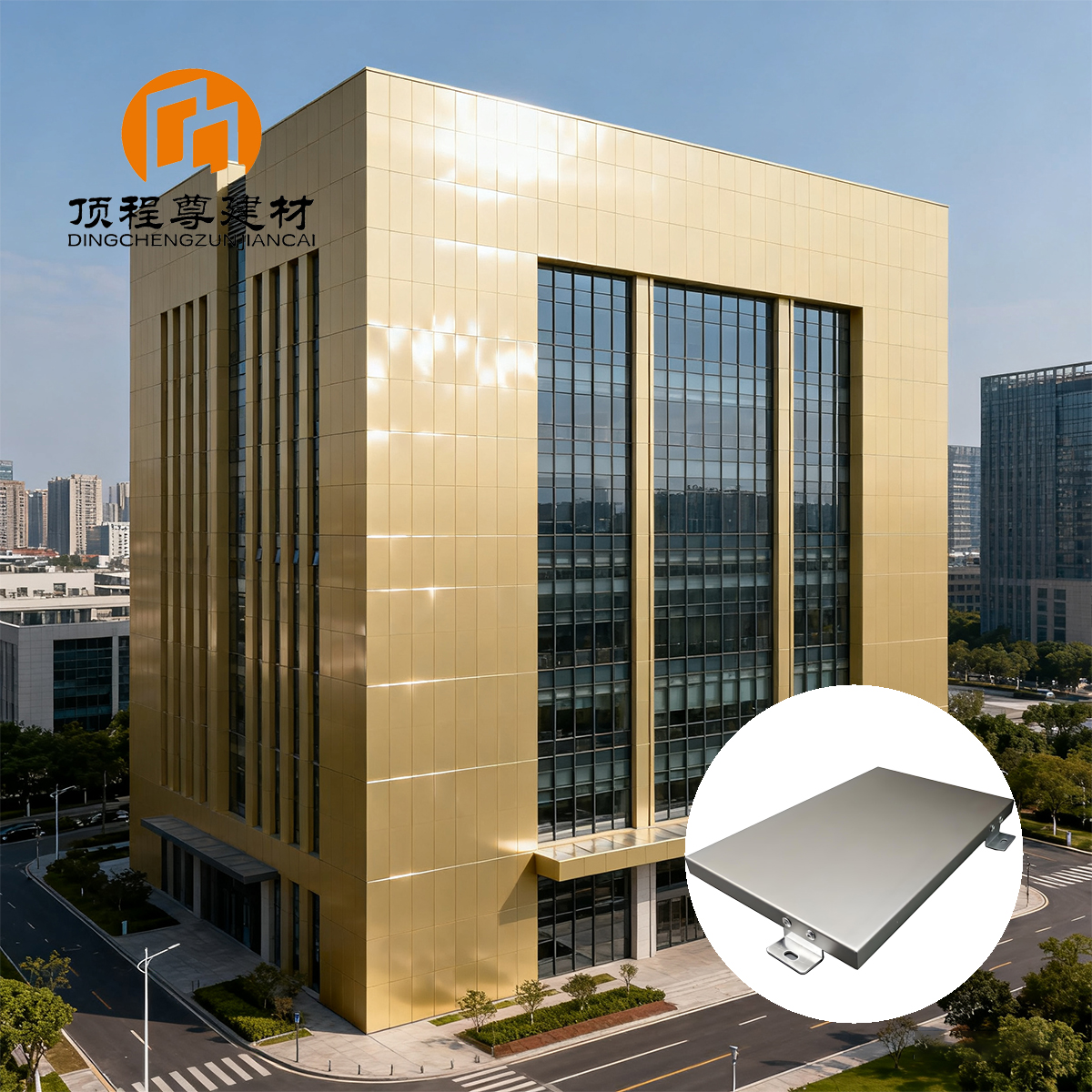
PVDF coated aluminum veneer panels for curtain wall systems, engineered for high-rise exteriors, public buildings, commercial facades, and long-term outdoor architectural performance.
PVDF Coated Aluminum Veneer Panels for Curtain Walls are designed for exterior architectural projects where long-term weather resistance, stable facade appearance, and fabrication flexibility are all essential. Manufactured from aluminum alloy and finished with a PVDF coating, these panels are widely used in office towers, hotels, hospitals, transportation buildings, commercial complexes, and facade renovation projects.
For curtain wall applications, the coating system is not a minor detail. It directly affects how well the facade maintains its color, gloss, and surface appearance after years of exposure to sunlight, rain, dust, and polluted urban air. This is why PVDF coated aluminum veneer panels are commonly selected for projects that require a more reliable exterior finish than standard decorative panel systems.
These panels can be custom fabricated into flat, curved, folded, perforated, and special-shaped forms based on project drawings. They are suitable for both large-scale facade elevations and smaller architectural feature zones, providing a practical balance of light weight, clean appearance, fabrication accuracy, and long-term exterior suitability.
For project buyers, architects, and contractors, the real value of PVDF coated aluminum veneer panels lies in both appearance and lifecycle performance. A well-selected panel system can help create a modern curtain wall image while reducing the risk of early color instability, surface aging, and unnecessary facade maintenance concerns.
Curtain wall facades are exposed to strong sunlight, rainwater, dust, temperature changes, and environmental pollutants over many years. PVDF coating is widely chosen for these projects because it is commonly regarded as a more suitable finish for long-term exterior architectural use.
Large building facades need visual consistency. On high-rise towers, hospitals, hotels, and premium commercial buildings, uneven aging or visible color change across the elevation can affect the entire architectural image. PVDF coated panels are often selected where better long-term color and gloss stability is expected.
Many facade projects are located in dense urban areas, transportation corridors, coastal regions, or highly exposed commercial districts. These environments place higher demands on surface finish performance. For that reason, PVDF is commonly preferred in projects where exterior durability is a key consideration.
Curtain wall materials are usually expected to remain visually acceptable for many years after installation. PVDF coated aluminum veneer panels are often chosen when the project team wants a finish system that aligns better with long-term building use rather than short-cycle decorative needs.
In modern curtain wall design, smooth visual control matters. PVDF coating helps support a refined facade finish, making these panels suitable for projects that require a professional, consistent, and high-quality exterior image.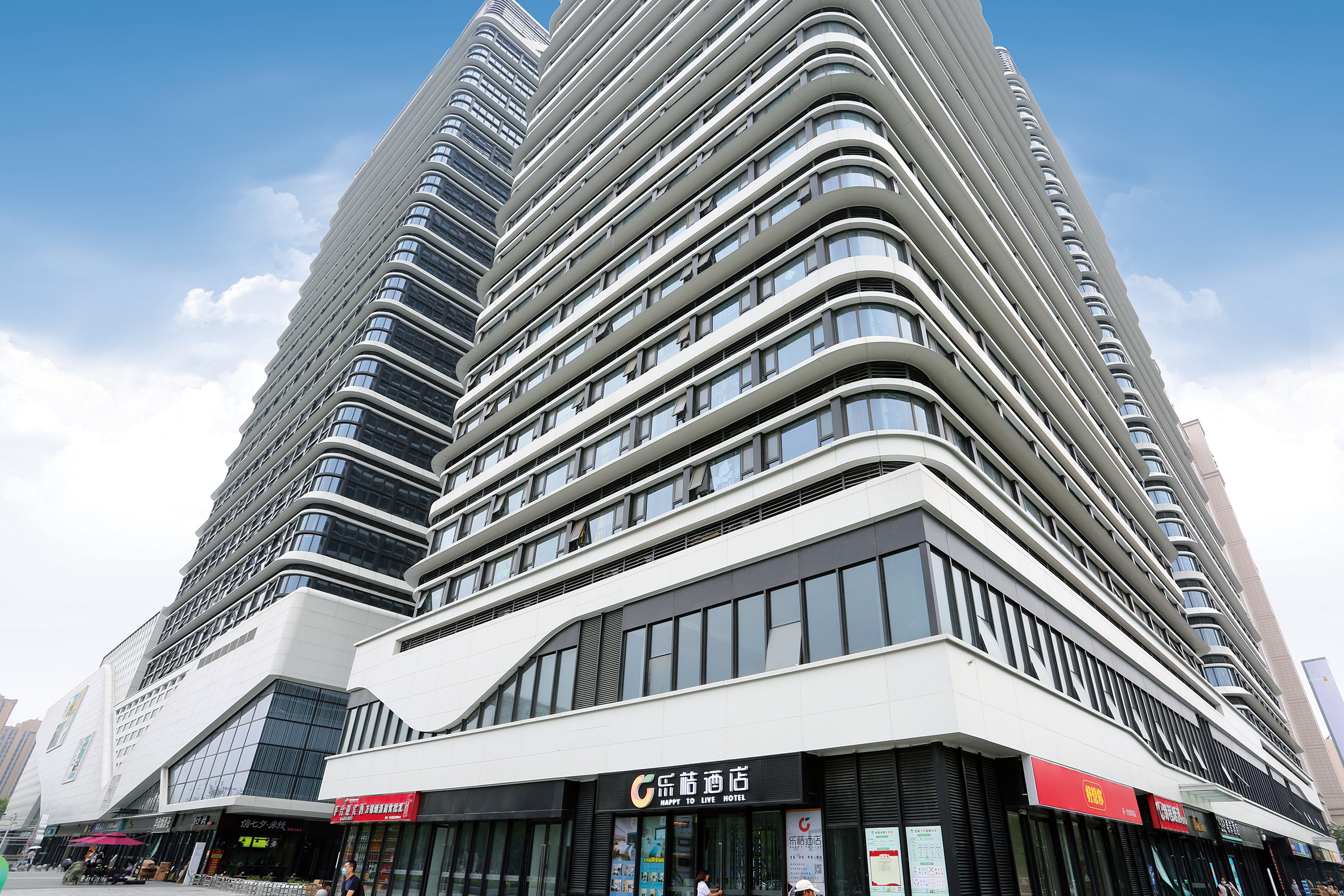
Aluminum veneer panels remain popular in curtain wall projects because they are lighter than many traditional cladding materials. This can help reduce structural burden, improve handling efficiency, and make facade installation more manageable in both new construction and renovation work.
Unlike general decorative metal panels, this product is positioned specifically for exterior curtain wall applications. The combination of aluminum alloy fabrication and PVDF coating makes it more suitable for projects where environmental exposure and facade longevity matter.
PVDF coated aluminum veneer panels can be produced in a wide range of sizes, thicknesses, shapes, and layouts. This makes them suitable for straight elevations, curved forms, folded edges, decorative zones, and special architectural details.
These panels are commonly discussed for high-rise commercial buildings, office towers, hospitals, civic architecture, transit projects, and other buildings where the exterior envelope must balance appearance, performance, and maintainability.
For many building owners, the long-term visual condition of the facade matters as much as the initial installation. A more durable coating system can help reduce concerns related to premature surface fading, uneven appearance, or early finish deterioration.
Panels can be produced according to project requirements, facade layouts, and approved drawings. In many exterior projects, 2.0mm, 2.5mm, and 3.0mm are common starting points, but the final thickness should be reviewed according to panel dimensions, building height, wind load, and support conditions.
Curtain wall projects often require more than standard flat panels. We support curved units, folded panels, corner panels, return-edge panels, and other custom-shaped components to match project-specific facade geometry.
Solid PVDF coated veneer panels are commonly used where the project requires a clean and continuous facade surface. Perforated options may also be arranged for projects that require screening, visual layering, or decorative architectural effects.
Panel edge return, stiffening details, fabrication tolerance, and fixing-related features can be coordinated according to project needs. These details are especially important for larger-format panels and high-visibility elevations.
For custom curtain wall panels, confirmed drawings are strongly recommended before production. This helps reduce dimensional mismatch, improves panel layout accuracy, and supports more efficient site installation.
Product Name: PVDF Coated Aluminum Veneer Panels for Curtain Walls
Material: Aluminum alloy
Common Alloy Options: 3003 / 5005
Typical Thickness: 2.0mm / 2.5mm / 3.0mm
Panel Type: Flat / curved / folded / perforated / custom-shaped
Surface Finish: PVDF coating
Color Options: White, black, silver gray, champagne, bronze, custom RAL colors
Fabrication Process: Cutting, bending, rolling, perforating, welding, edge forming
Applications: Curtain wall facades, tower exteriors, hospital facades, transport buildings, facade renovation, architectural feature walls
Packaging: Protective film, corner protection, carton packing, wooden crate packing for export shipment
If your project has specific requirements for fire-related standards, gloss level, coating system, facade joint layout, or substructure coordination, those details should be confirmed before bulk production.
For exterior curtain wall projects, PVDF is often more commonly preferred when the facade will face long-term sunlight exposure, rain, urban pollution, and higher appearance standards over time.
Powder coating may still be used in selected projects, especially where budget, environment, or project scope differs. However, for many curtain wall exteriors with stronger durability expectations, project teams more often evaluate PVDF as the safer long-term option.
The difference is not only about initial appearance. It also affects how the facade may perform after years of service. For this reason, buyers comparing curtain wall finish systems should consider lifecycle suitability, not just short-term material cost.
High-rise buildings and large commercial facades often require close review of panel size, thickness, joint layout, and support method. In these projects, thicker specifications and stricter fabrication control are more commonly discussed.
Hospitals, schools, and civic buildings usually place strong emphasis on a clean appearance, stable finish, and manageable long-term maintenance. PVDF coated panels are often suitable for these environments because they support a more controlled exterior image over time.
Projects near the coast, in industrial districts, or in dense traffic corridors may place greater stress on the building exterior. In these environments, finish selection becomes especially important, and PVDF is commonly evaluated for its better alignment with exposed facade conditions.
Older building upgrades often require a lighter cladding system that can modernize the exterior without creating excessive structural burden. PVDF coated aluminum veneer panels are a practical option when the goal is to improve building image and durability at the same time.
Larger panels can create a cleaner and more contemporary facade effect, but they also require closer attention to stiffness, transport protection, fixing details, and installation handling. These points should be confirmed before fabrication starts.
PVDF coated aluminum veneer panels are widely used on high-rise office buildings where the exterior facade must present a modern, stable, and professional architectural image.
Hotels and hospitality projects often use these panels for main elevations, podium facades, entrance zones, and architectural feature walls where finish consistency and visual quality are important.
Hospitals and healthcare buildings usually require materials that offer a clean appearance, dependable exterior performance, and easier long-term facade management. PVDF coated aluminum panels are well suited to this type of environment.
Airports, railway stations, terminals, museums, and public buildings often use PVDF coated facade panels on large exterior surfaces where exposure conditions and public-facing appearance standards are both high.
For older commercial buildings, PVDF coated aluminum veneer panels can help refresh the exterior image, improve visual consistency, and create a more modern architectural identity.
These panels can be integrated into different curtain wall and cladding systems depending on project design. They may function as primary exterior cladding, decorative facade skin, or part of a broader architectural envelope composition.
Curtain wall appearance depends heavily on joint lines, panel spacing, edge return, and alignment. These details should be coordinated early in the design and fabrication stage to avoid visual inconsistency after installation.
Exterior metal panels are affected by temperature fluctuation and climate conditions. Thermal expansion and contraction should be considered during design, especially for darker colors, long panel runs, and highly exposed elevations.
If a panel is damaged later in the building lifecycle, localized replacement is generally more manageable than replacing a large facade section. This makes aluminum veneer panel systems practical from a maintenance standpoint.
For PVDF coated aluminum veneer panels, product quality depends not only on the base aluminum material, but also on fabrication precision, coating consistency, edge quality, panel flatness, and batch-to-batch appearance control.
Our production process focuses on:
Raw material inspection
Drawing confirmation
CNC cutting and bending accuracy
Coating appearance inspection
Color consistency checking
Final quality review before shipment
For large curtain wall projects, even small differences in color tone, gloss, or panel geometry can become visible after installation. For that reason, batch consistency is especially important for facade orders.
To reduce the risk of scratches, corner damage, and transport-related deformation, panels can be packed with protective film, corner protection, cartons, and wooden crates according to shipment requirements.
Samples may be arranged for finish review, color confirmation, and general facade appearance evaluation before full production begins. This is especially useful for large exterior projects and custom colors.
For more accurate quotation and project coordination, buyers are encouraged to provide:
Panel dimensions or layout
Thickness requirement
Color and finish requirement
Quantity or total area
Project type
Drawings if available
The clearer the information, the easier it is to recommend a suitable PVDF coated curtain wall panel solution.
For curtain wall buyers, efficient communication matters. Coordinated support in finish confirmation, drawing review, sample approval, and production planning can help reduce delays and improve order control.
For many exterior curtain wall projects, PVDF is more commonly preferred when long-term weather resistance, color stability, and facade appearance retention are important.
Commonly discussed thicknesses include 2.0mm, 2.5mm, and 3.0mm. The final selection depends on panel size, support structure, building height, and wind load requirements.
They are commonly considered for projects in higher-exposure environments because finish performance is especially important in those conditions.
Yes. Drawing-based production is strongly recommended for curtain wall projects to improve fabrication accuracy and reduce installation issues.
Yes. Custom colors can be arranged based on project requirements. For large facade orders, color confirmation before mass production is recommended.
3003 and 5005 are commonly discussed alloy options for exterior veneer panel fabrication, depending on project specification and design needs.
Packaging may include protective film, corner protection, carton packing, and wooden crate packing depending on the product and shipping arrangement.
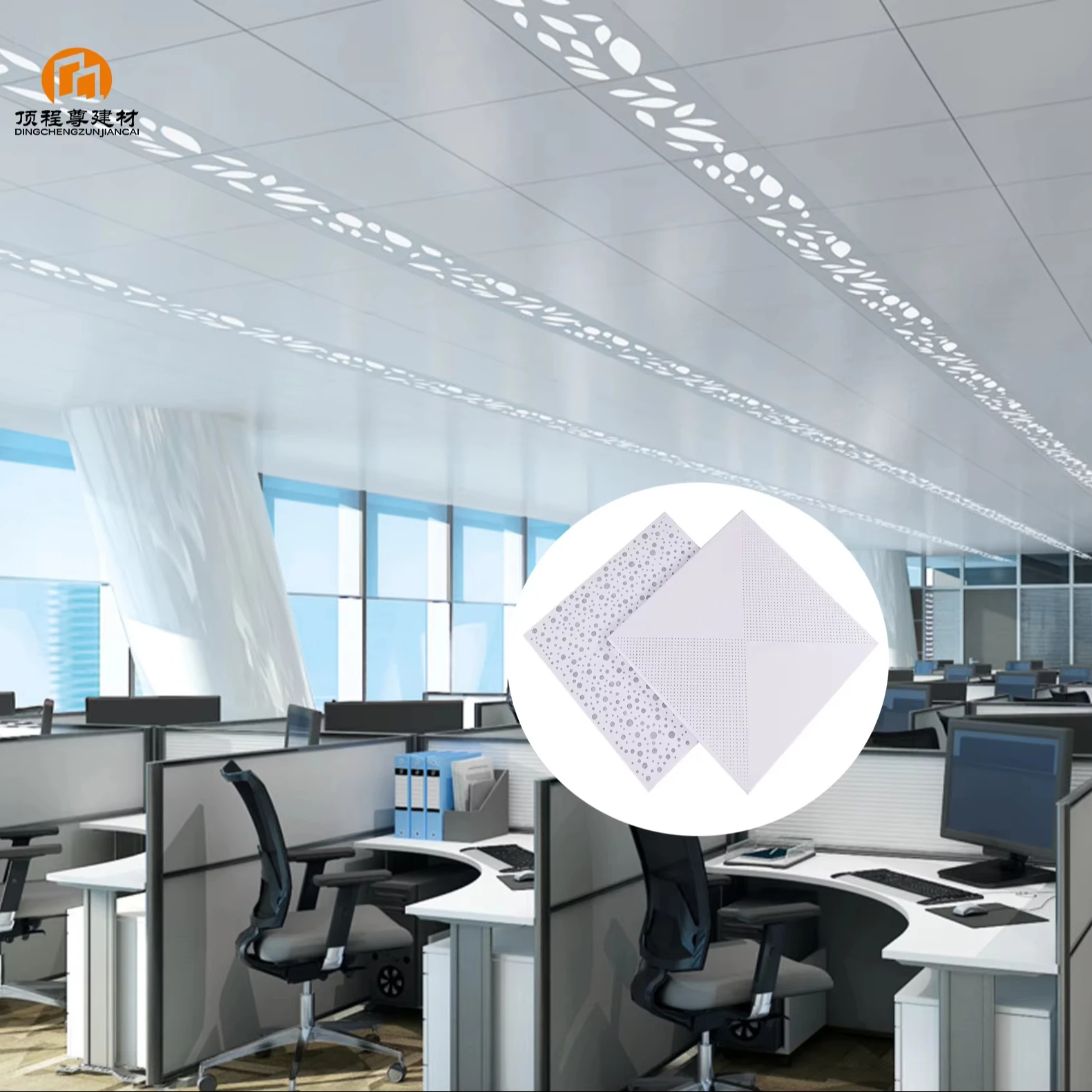
300x300 600x600 600x1200 Office/hospital/factory Ceiling Metal Ceiling Panel Suspended Aluminum Ceiling Tiles
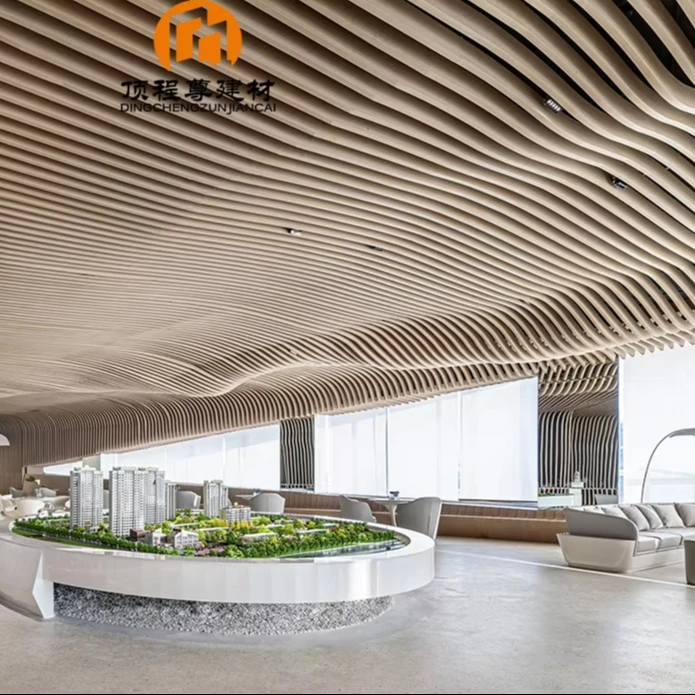
Interior Decoration Materials Curved Metal Aluminium Art Ceiling Panel Suspended Aluminium Baffle Stretch Ceiling Tiles
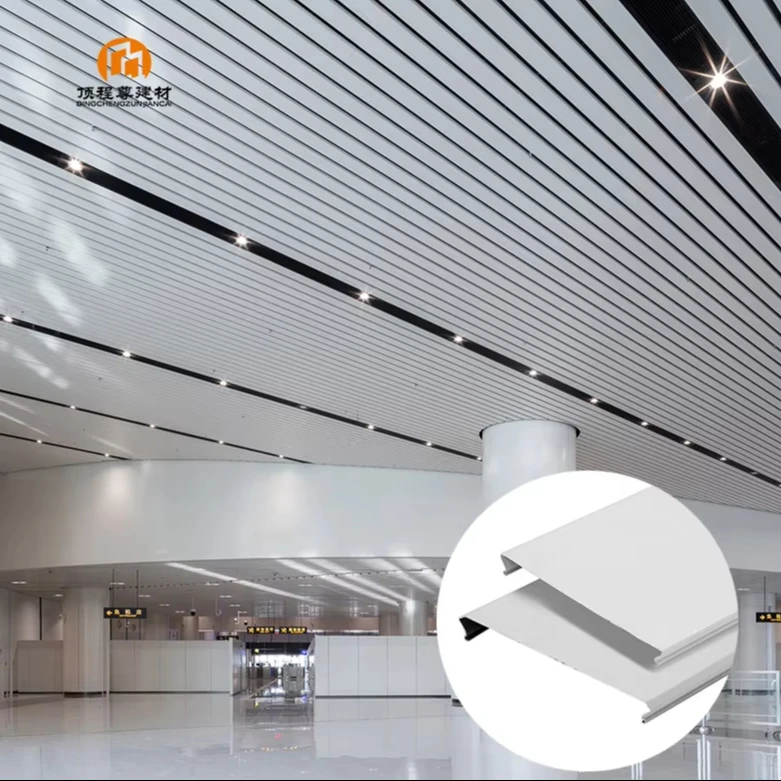
Shopping Mall Hanging System Aluminum Strip Metal Ceiling Aluminum Linear Ceiling
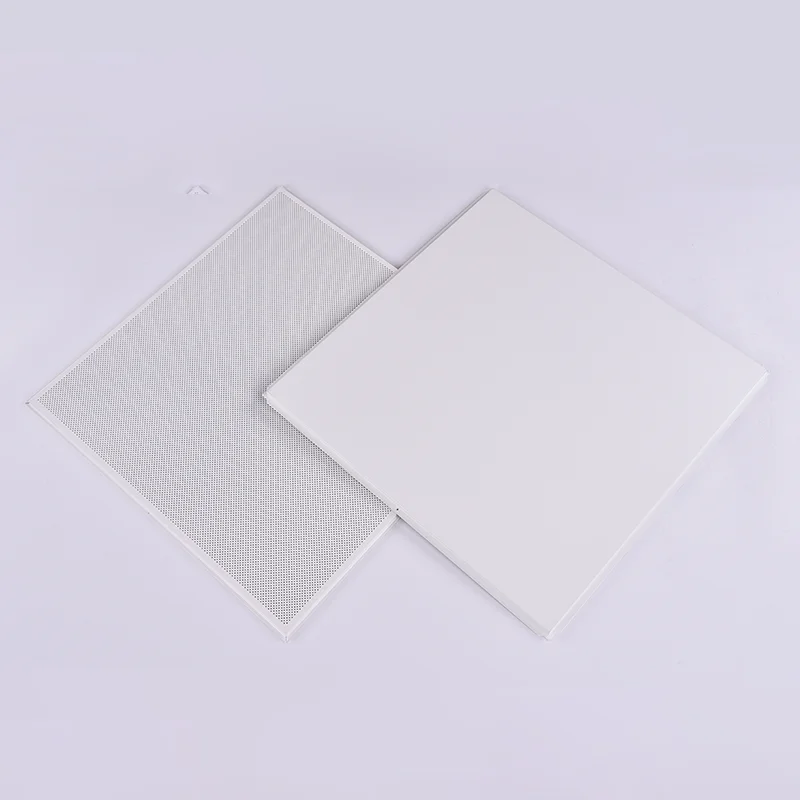
Wholesale China Modern Metal Ceiling Panel square Lay in Alumumin Ceiling Tile
 EN
EN