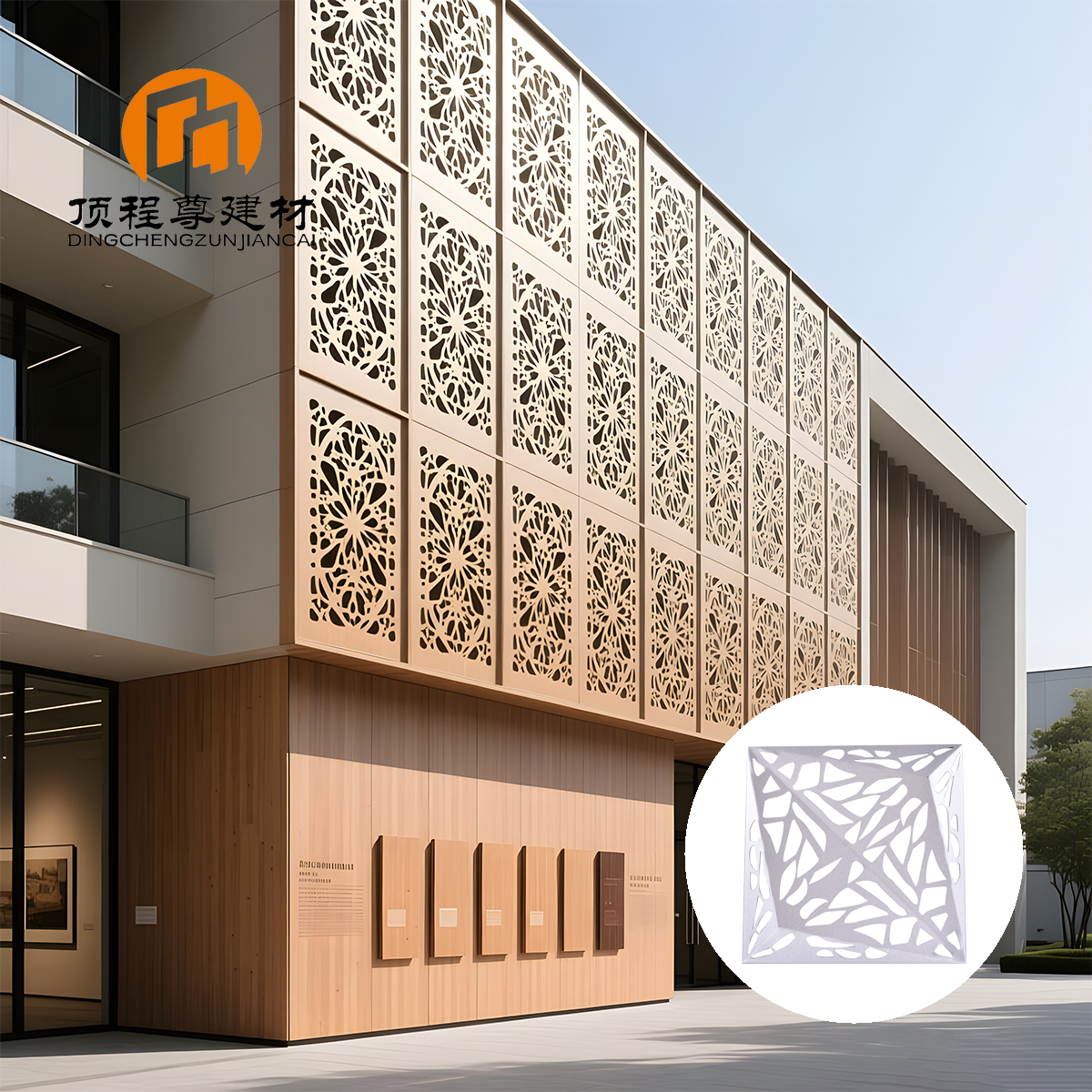
Custom perforated aluminum facade panels for modern buildings, designed to combine architectural identity, airflow performance, controlled visibility, and durable exterior cladding protection.
Perforated Aluminum Facade Panels for Modern Buildings are widely used in contemporary architectural projects where the facade is expected to do more than simply cover the building exterior. In many modern commercial, public, and mixed-use developments, perforated aluminum panels are selected not only for their lightweight and durable nature, but also for their ability to create a stronger architectural image through pattern, depth, light filtering, and visual rhythm.
Compared with solid aluminum facade panels, perforated panels provide additional design flexibility. They can be used to create decorative skins, partial screening layers, ventilated facade zones, parking facade covers, entrance feature walls, podium cladding, and branded architectural surfaces. Their open pattern structure allows designers to balance appearance and function, especially in projects where airflow, shading expression, or partial concealment is needed.
Our perforated aluminum facade panels can be custom fabricated according to project drawings, including hole pattern, hole size, open area ratio, panel shape, thickness, edge return, and surface finish. Whether the project requires a clean minimalist perforation layout or a more decorative laser-cut visual effect, we support production for modern facade systems with project-based customization.
Modern buildings often require a facade that helps define the project image. Perforated aluminum panels can turn a plain exterior surface into a recognizable architectural element through custom patterns, layered skins, and shadow effects. This makes them especially suitable for retail buildings, hotels, office towers, transportation facilities, and civic projects.
Aluminum remains one of the most practical facade materials because it provides a strong balance of light weight, fabrication flexibility, and durability. For large building elevations and renovation projects, a lighter facade solution can help reduce structural burden and improve handling efficiency during installation.
One of the key design values of perforated facade panels is their interaction with daylight and lighting systems. During the day, the perforation pattern can create subtle visual texture and shadow movement. At night, perforated panels may work with backlighting or interior lighting to strengthen the architectural presence of the building.
Perforated aluminum panels are often used where the design requires both visual enclosure and a degree of openness. Depending on the perforation ratio, these panels can help support airflow and visual screening in selected facade zones such as parking structures, equipment concealment areas, podium elevations, and semi-open architectural skins.
When the correct alloy, thickness, and surface finish are selected, perforated aluminum facade panels can perform reliably in exterior architectural environments. For many projects, they provide a modern facade solution with relatively manageable maintenance requirements.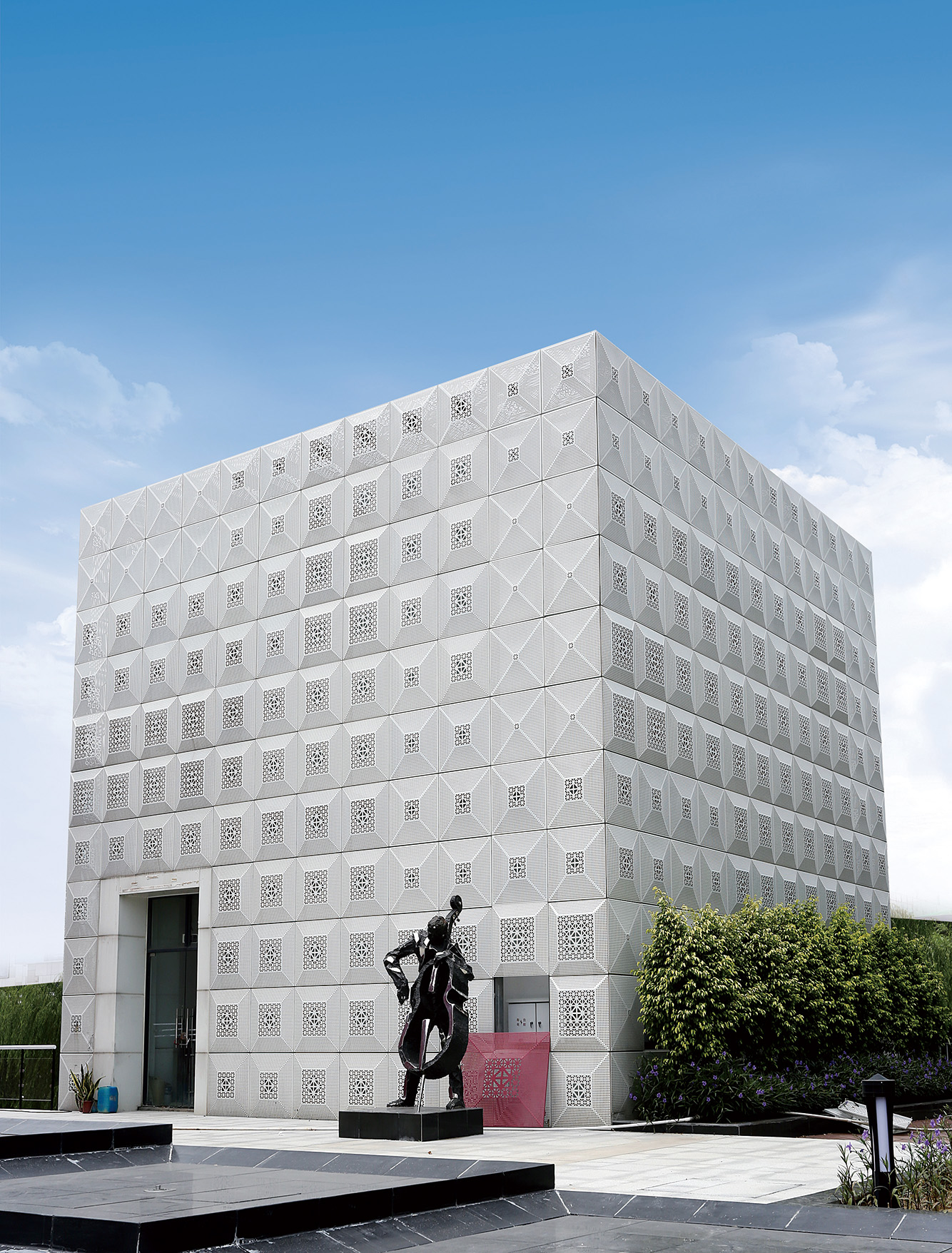
We support a wide range of perforation styles, including round holes, square holes, slotted holes, staggered patterns, linear arrangements, and custom decorative motifs. Pattern development can be based on architectural drawings, concept references, or project-specific visual requirements.
Hole diameter, hole spacing, and open area ratio can all be adjusted according to the project target. A smaller open area may create a denser and more private facade appearance, while a larger open area may create a lighter visual expression and stronger screening effect. In practical projects, the right balance depends on design intent, viewing distance, lighting conditions, and functional needs.
In addition to standard flat panels, we can fabricate curved units, folded panels, return-edge panels, corner panels, and other custom-shaped perforated facade components. This is especially useful for modern buildings that use clean geometry, curved forms, or layered facade transitions.
For projects that need a stronger artistic or branded effect, laser cutting can be used to produce more complex graphic patterns, logo-inspired designs, or decorative architectural skins that go beyond standard perforation layouts.
Custom facade production should be based on confirmed drawings whenever possible. We support project communication based on panel schedules, facade drawings, and fabrication details to improve dimensional accuracy and reduce avoidable on-site adjustment issues.
Product Name: Perforated Aluminum Facade Panels for Modern Buildings
Material: Aluminum alloy
Common Alloy Options: 3003 / 5005
Typical Thickness: 2.0mm / 2.5mm / 3.0mm
Panel Type: Flat / curved / folded / perforated / custom-shaped
Perforation Type: Round, square, slotted, decorative custom pattern
Hole Size: Customized according to design requirements
Open Area Ratio: Customized according to facade appearance and functional purpose
Surface Finish: PVDF coating, powder coating, anodized finish, wood grain finish
Color Options: White, black, silver gray, champagne, bronze, custom RAL colors
Fabrication Process: Cutting, CNC perforating, laser cutting, bending, rolling, welding, edge forming
Application: Exterior facade cladding, architectural screen, decorative curtain wall, podium skin, parking facade, feature wall
Packaging: Protective film, corner protection, carton packing, wooden crate packing for export
For many exterior perforated facade projects, 2.0mm, 2.5mm, and 3.0mm are commonly discussed thicknesses. Smaller and less demanding facade zones may use lighter specifications, while larger panel sizes, higher elevations, or projects with stricter rigidity expectations often require a thicker option. Final thickness should be reviewed according to panel size, perforation ratio, support structure, and wind load conditions.
The perforation ratio affects both appearance and performance. A denser panel can create a stronger visual screen and a more solid facade image. A more open pattern can increase visual lightness, improve airflow, and strengthen the transparency effect. In many projects, higher open area also means panel rigidity and support details should be reviewed more carefully.
Round-hole perforation is often used for clean, consistent, and highly repeatable modern facade designs. Slotted or linear perforation may suit projects with a more directional or technical architectural language. Decorative custom patterns are more suitable for branded buildings, feature walls, cultural projects, and projects that want stronger facade identity.
For many long-term exterior applications, PVDF coating is commonly preferred because of its weather resistance and color stability. Finish selection should also take project location, facade exposure, expected maintenance level, and design appearance into account.
For perforated facade projects, pattern effect can change significantly depending on scale, viewing distance, lighting, and installation context. For this reason, design confirmation, sample review, or pattern approval before mass production is strongly recommended, especially for feature elevations and landmark projects.
PVDF coating is widely used in architectural exteriors where long-term weather resistance and stable appearance are important. It is often the preferred choice for commercial buildings, office towers, transport facilities, and other demanding facade environments.
Powder coating provides a broad range of colors and a uniform decorative finish. Depending on project requirements and service conditions, it can be used for selected facade and screen applications.
Anodized aluminum is often chosen for projects that prefer a clean metallic appearance and a more contemporary architectural expression.
Wood grain finish and other decorative coatings can be used where the design calls for a warmer or more specialized visual effect while retaining the fabrication benefits of aluminum.
We support custom color matching to help projects maintain facade consistency, meet branding requirements, or align with overall architectural color schemes.
Perforated aluminum panels are widely used in retail and shopping center exteriors because they help create a stronger visual identity while remaining lightweight and customizable.
Hotels and office towers often use perforated panels for podium facades, architectural screening areas, entrance statements, and feature elevations that require a clean and modern design language.
Perforated aluminum panels are a practical choice for parking structures and semi-open facade areas because they can provide partial concealment, airflow support, and a cleaner exterior appearance.
Airports, railway stations, museums, schools, and civic buildings often benefit from perforated facade systems because they combine durability, design flexibility, and large-scale visual impact.
Perforated aluminum panels are also effective in renovation work, especially when an existing building needs a more modern architectural image without adding excessive facade weight.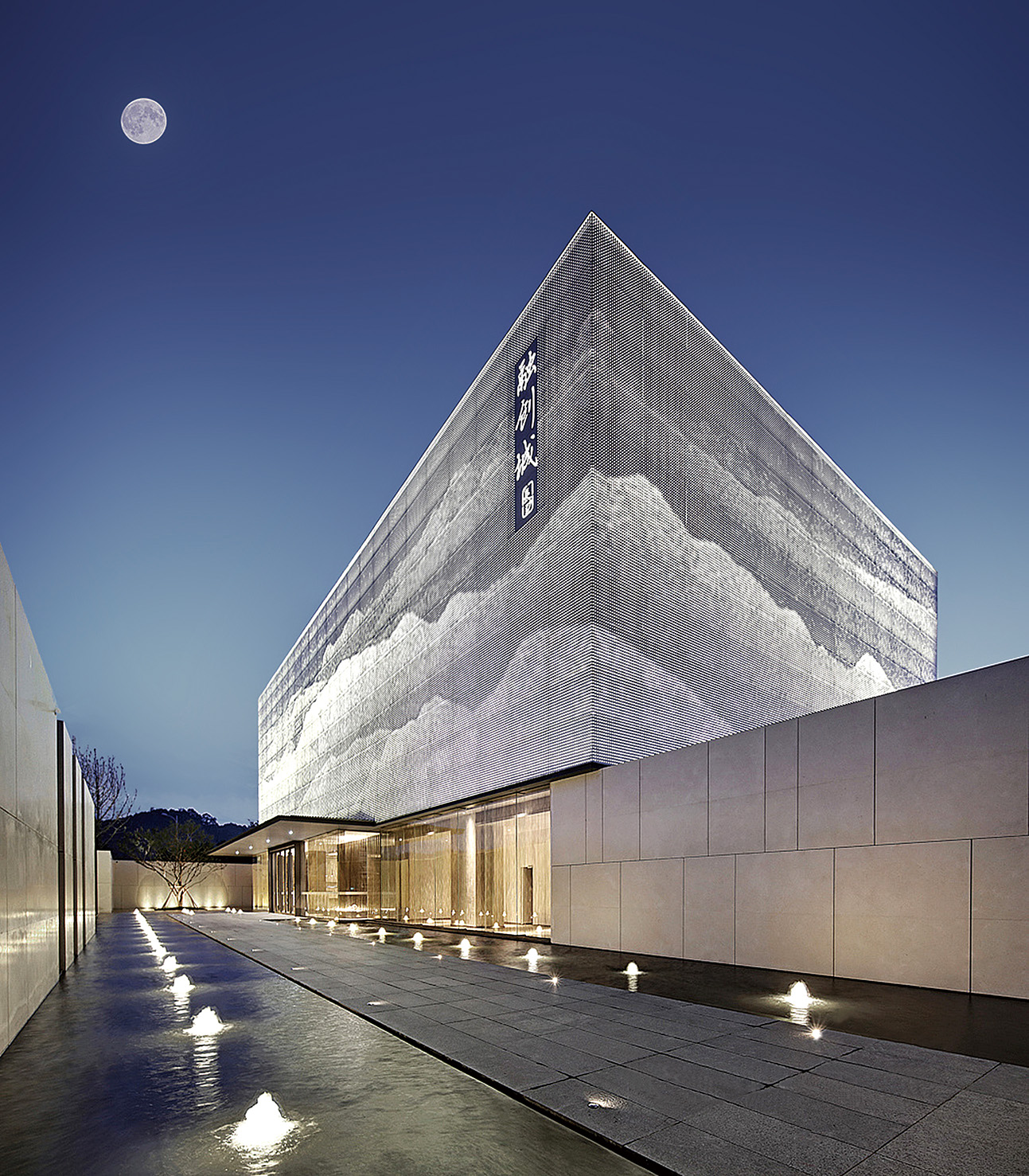
Perforated aluminum panels can be integrated into different facade systems as decorative cladding, outer screening skin, or part of a larger curtain wall composition depending on project requirements.
Panel edge return, stiffening details, fixing methods, and support structure should be coordinated according to panel size, perforation density, and installation method. This is especially important for larger panels and high-visibility exterior applications.
Exterior metal panels are affected by temperature changes. For this reason, thermal expansion and contraction should be considered during design and installation, especially for long panels, darker finishes, or projects in climates with greater temperature variation.
Because aluminum is relatively lightweight and fabrication can be standardized according to drawings, perforated aluminum facade panels can help improve handling and site installation efficiency when the panel schedule and support system are properly planned.
For perforated facade projects, quality is not only about raw material. It also depends on perforation accuracy, hole alignment, edge quality, panel flatness, finish consistency, and packaging protection. Even small inconsistencies may become visible when panels are installed across a large modern facade.
Our production process focuses on raw material inspection, drawing confirmation, CNC perforation or laser cutting accuracy, forming precision, finish inspection, and final appearance checking before shipment. For larger projects, maintaining consistency across all production batches is especially important.
To reduce the risk of scratches, corner damage, and transportation-related deformation, panels can be packed with protective film, corner protection, carton packaging, and wooden crates according to shipment requirements.
Samples can be arranged for finish review, color confirmation, material evaluation, or perforation effect checking before bulk production.
For faster and more accurate quotation, buyers are encouraged to provide panel size, thickness, perforation requirements, finish type, quantity, and project drawings if available. The clearer the information, the more efficient the evaluation and production planning process will be.
Common thicknesses often discussed for exterior perforated facade applications include 2.0mm, 2.5mm, and 3.0mm. The final specification depends on panel size, perforation ratio, support system, and project conditions.
Yes. A higher open area may affect visual density and structural behavior, so panel rigidity and support details should be reviewed carefully when the perforation ratio becomes larger.
For many exterior facade projects, PVDF coating is commonly preferred because of its weather resistance and color stability.
Yes. We support custom perforation patterns, laser-cut decorative designs, curved panels, folded panels, and other special-shaped facade units based on project requirements.
Yes. They are commonly used for parking structures and semi-open facade areas because they combine screening effect, airflow support, and modern appearance.
Please provide panel dimensions, thickness, hole pattern or open area requirement, finish type, quantity, and drawings if available. Approximate project information is also useful at the early inquiry stage.
Export packaging may include protective film, corner protection, cartons, and wooden crates depending on the product type and shipping arrangement.
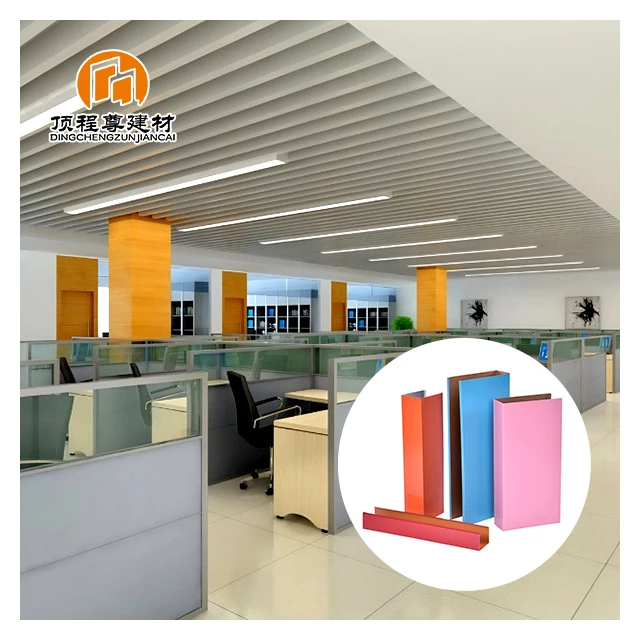
Aluminum Baffle Ceiling Tiles Metal Suspended Ceiling

Aluminum Open Cell Drop Ceiling Metal Suspended Grid Ceiling Tiles for Supermarket Shopping Mall
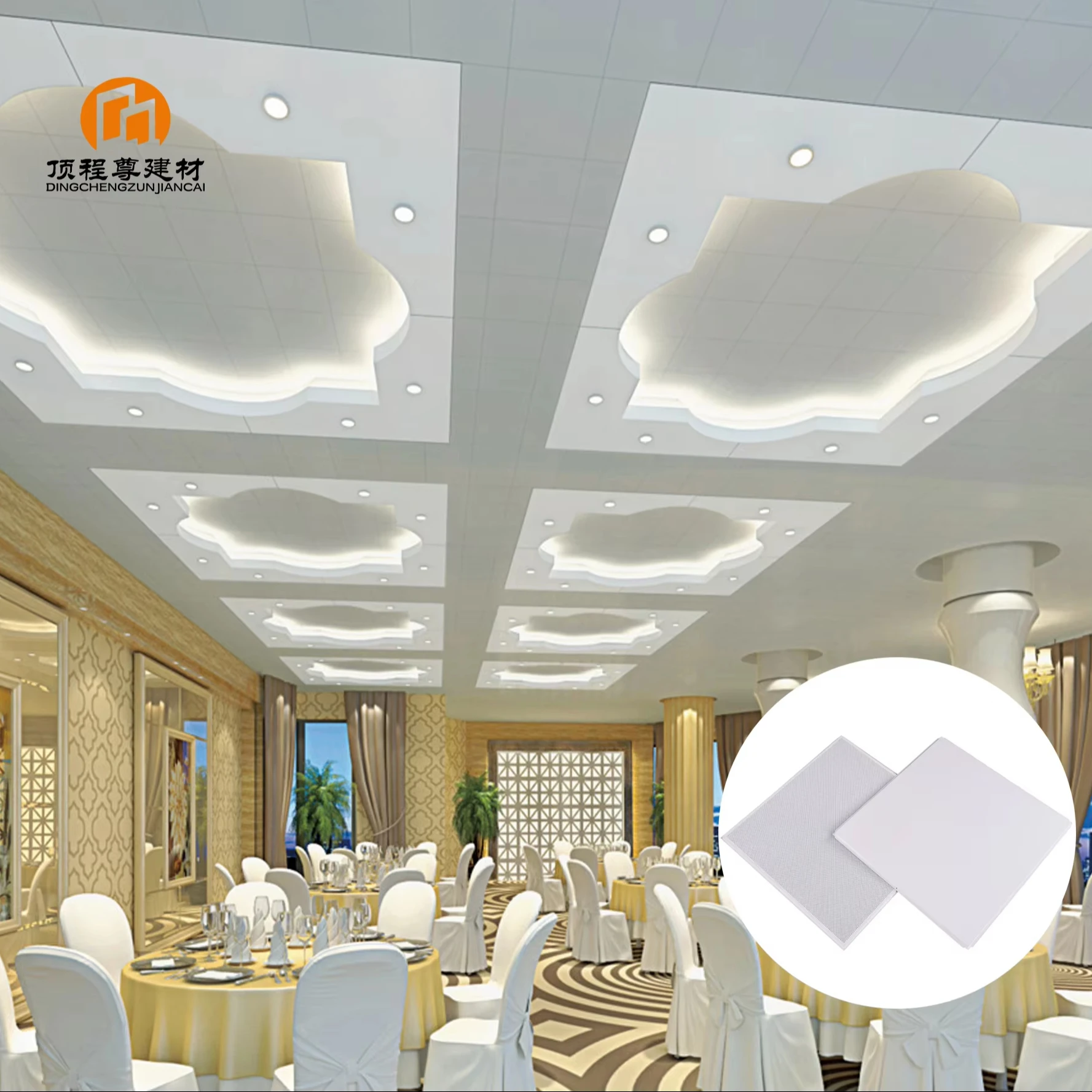
Free Design Fireproof Metal Clip-in Ceiling Panel Aluminum Ceiling Tile for Hotel Restaurant
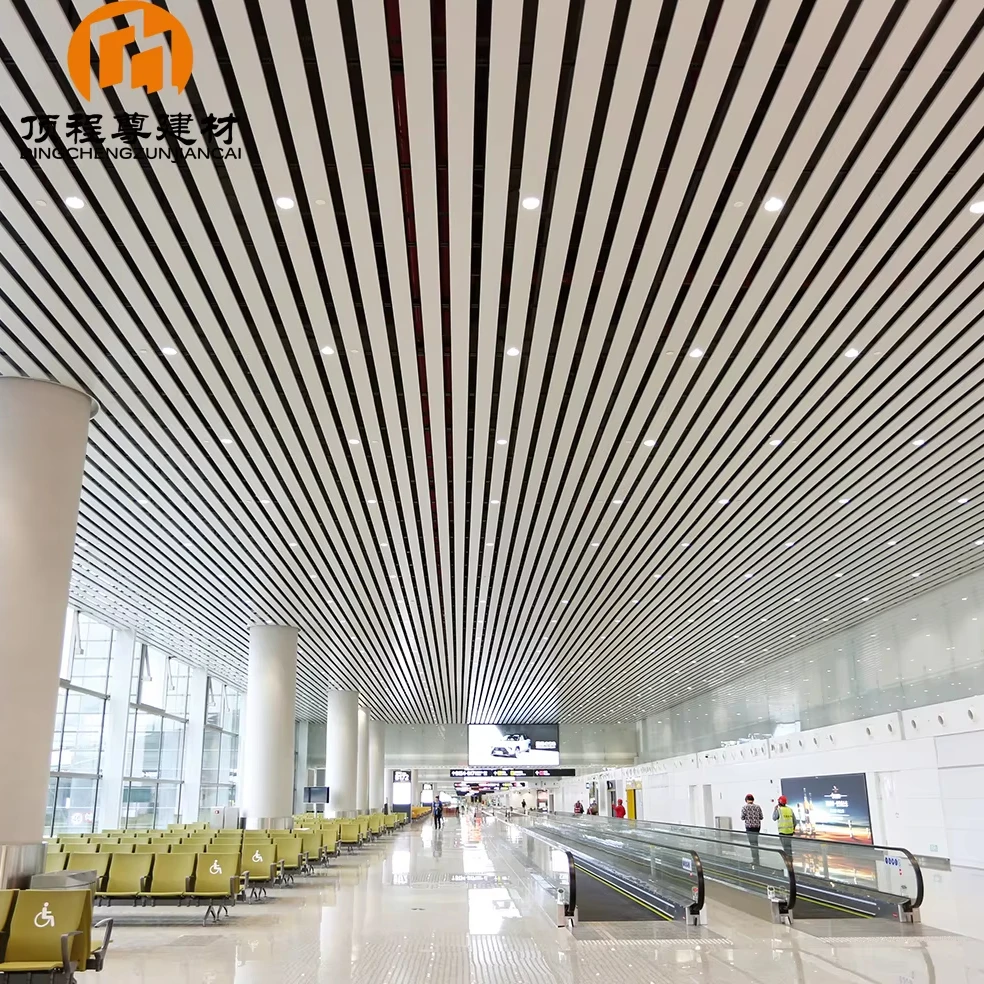
Customized Shopping Mall Interior Decoration Metal Strip Ceiling Aluminum Baffle Ceiling Tiles
 EN
EN