 EN
EN


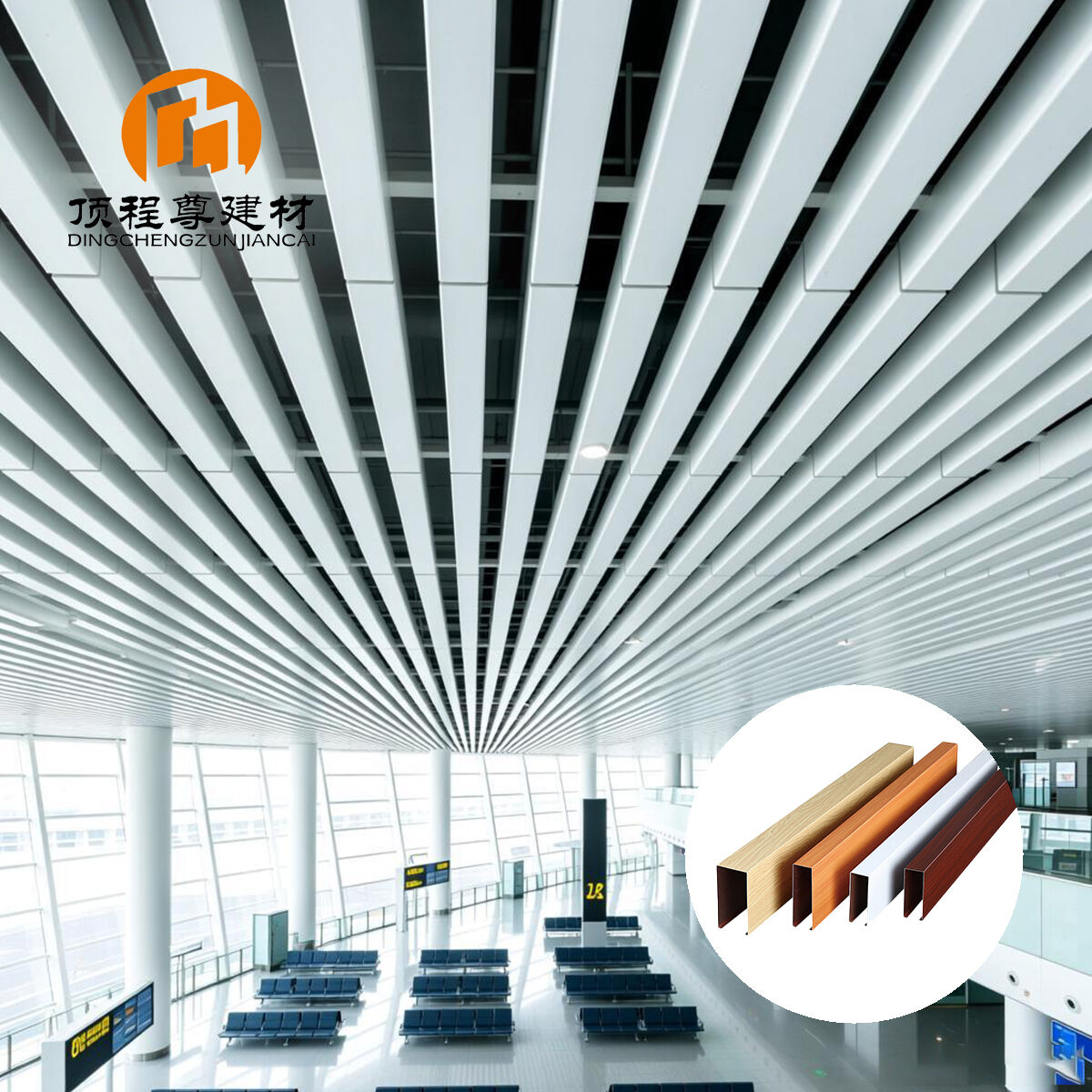
ដុំផ្ទាំងមេដែលប្រើអាលុយមីញ៉ូមសម្រាប់តំឡើងលើពិរោះមានភាពចម្រុះ និងជាប់គ្រប់គ្រាន់ ហើយត្រូវបានប្រើយ៉ាងទូទៅក្នុងគម្រោងពាណិជ្ជកម្ម និងគម្រោងផ្ទះសម្បែង។ ដុំទាំងនេះត្រូវបានដំឡើងដោយប្រើប្រាស់ប្រព័ន្ធក្រឡា ហើយត្រូវបានគ្រប់គ្រងឱ្យស្ថិតនៅក្រោមពិរោះរចនាសម្ព័ន្ធ។ ដោយផ្តល់ទាំងភាពស្អាត និងប្រយោជន៍ប្រកបដោយប្រសិទ្ធភាព ផ្ទាំងមេអាលុយមីញ៉ូមកំពុងក្លាយជាដំណោះស្រាយដែលកាន់តែពេញនិយម ដោយសារតែសមត្ថភាពរបស់វាក្នុងការធ្វើឱ្យប្រសើរឡើងនូវគុណភាពសំឡេង សុវត្ថិភាពទើបឆេះ និងភាពបត់បែននៃការរចនាជារួម។
ប្រភេទផ្ទាំងមេអាលុយមីញ៉ូមសម្រាប់តំឡើងលើពិរោះ
មានប្រភេទផ្ទាំងមេអាលុយមីញ៉ូមជាច្រើនប្រភេទ ដើម្បីសមស្របនឹងតម្រូវការផ្សេងៗគ្នា៖
- ផ្ទាំងមេអាលុយមីញ៉ូមដែលមានរន្ធសម្រាប់សំឡេង : សាកសមបំផុតសម្រាប់ការស្រូបសំឡេង និងល្អឥតខ្ចះខ្ចាយសម្រាប់ការិយាល័យ មជ្ឈមណ្ឌលទិញឥវ៉ាន់ និងសាលសិល្បៈ។
- ផ្ទាំងមេអាលុយមីញ៉ូមរឹង : ផ្ទាំងដែលគ្មានរន្ធសម្រាប់សំឡេង ដែលប្រើសម្រាប់បង្កើតរូបរាងទាន់សម័យ និងរលោង នៅក្នុងបរិវេណដូចជាបរិវេណចូល ឬបន្ទប់ប្រជុំ។
- ប្រព័ន្ធផ្ទាំងមេបែបម៉ូឌុល : ផ្ទាំងដែលមានទំហំស្តង់ដារ ដើម្បីដំឡើងបានលឿន ហើយត្រូវបានប្រើក្នុងគម្រោងធំៗដូចជាសាកល្បាយអាកាស និងមន្ទីរពេទ្យ។
- ផ្ទាំងអាលុយមីញ៉ូមប្រភេទប្រែប្រួល ការរចនាដែលបានធ្វើឡើងជាពិសេសសម្រាប់គម្រោងដែលមានលក្ខណៈពិសេស ដើម្បីធានាបាននូវការសមស្របប៉ះគ្រប់ទំហំនៃផ្ទះឬអាគារ។
កម្មវិធីទូទៅ
ដុំផ្ទាំងមេតាល់អាលុយមីញ៉ូមសម្រាប់ដាក់លើម៉ាស៊ីនប៉ះ (ceiling) ត្រូវបានប្រើប្រាស់ក្នុងបរិស្ថានជាច្រើនប្រភេទ៖
- ទីតាំងពាណិជ្ជកម្ម ការិយាល័យ ហាងលក់រាយ និងអាកាសយានដ្ឋាន ដែលការរចនា ភាពធន់ទ្រាំ និងការថែទាំយ៉ាងងាយស្រួលគឺជារឿងចាំបាច់។
- ឧស្សាហកម្ម រោងចក្រ ការាស៊ីន និងមន្ទីរពេទ្យ ដែលលក្ខណៈធន់ទ្រាំភ្លើង ភាពធន់ទ្រាំ និងភាពស្អាតស្អំគឺជារឿងសំខាន់។
- គម្រោងអចលនទ្រព្យ ផ្ទះទំនើប ជាពិសេសនៅក្នុងបន្ទប់បាយ និងបន្ទប់រស់នៅ ដែលតម្រូវឱ្យមានទម្ងន់ស្រាល និងការដំឡើងយ៉ាងងាយស្រួល។
គុណសម្បត្តិនៃដុំផ្ទាំងមេតាល់អាលុយមីញ៉ូមសម្រាប់ដាក់លើម៉ាស៊ីនប៉ះ
ដុំផ្ទាំងមេតាល់អាលុយមីញ៉ូមសម្រាប់ដាក់លើម៉ាស៊ីនប៉ះ ផ្តល់នូវគុណសម្បត្តិជាច្រើន ដែលធ្វើឱ្យវាក្លាយជាជម្រើសល្អសម្រាប់ការប្រើប្រាស់ទាំងក្នុងវិស័យពាណិជ្ជកម្ម និងផ្ទះសម្បែង។ ដុំទាំងនេះល្បីៗដោយសារភាពធន់ទ្រាំ ភាពចម្រុះនៃរចនា និងលក្ខណៈសំឡេងរបស់វា ជាដើម។ ខាងក្រោមនេះគឺជាគុណសម្បត្តិសំខាន់ៗនៃដុំផ្ទាំងមេតាល់អាលុយមីញ៉ូមសម្រាប់ដាក់លើម៉ាស៊ីនប៉ះ៖
ភាពរួបរួមនិងមេត្តា
ដុំផ្ទាំងមេដាយធ្វើពីអាលុយមីញ៉ូមត្រូវបានគេស្គាល់ច្បាស់លាស់ដោយសារតែភាពរឹងមាំខ្ពស់របស់វា។ វាមានស្ថេរភាពទៅនឹងការឆ្លាក់ ការប៉ះទង្គិច និងការស្តាប់បង់ ដែលធ្វើឱ្យវាសាកសមប៉ុណ្ណោះសម្រាប់ប្រើប្រាស់នៅក្នុងបរិវេណដែលមានចរាចរណ៍ខ្ពស់ ដូចជាបរិវេណអាកាសយានដ្ឋាន មជ្ឈមណ្ឌលទិញឥវ៉ាន់ និងមន្ទីរពេទ្យ។ ផ្ទុយពីសម្ភារៈដូចជា កាបូនអ៊ីស្តេត (gypsum) ឬ PVC ដុំផ្ទាំងអាលុយមីញ៉ូមអាចទប់ទល់នឹងការសាកល្បងនៃពេលវេលាបានយូរ ទោះបីជាក្នុងលក្ខខណ្ឌអាក្រក់ក៏ដោយ។
- សម្រាប់ការដំណើរការនិងអត្ថបទ ដុំផ្ទាំងអាលុយមីញ៉ូមគឺសាកសមប៉ុណ្ណោះសម្រាប់តំបន់ដែលមានការប៉ះទង្គិចនឹងសំណើមខ្ពស់ ដូចជាបន្ទប់បរិភោគ ឬបន្ទប់ទឹក។ ផ្ទុយពីកាបូនអ៊ីស្តេត (gypsum) ឬ PVC ដែលរលាយយ៉ាងឆាប់រហ័សនៅក្នុងបរិវេណដែលមានសំណើមខ្ពស់ ដុំផ្ទាំងអាលុយមីញ៉ូមនៅតែរក្សាស្ថេរភាពរបស់វាបានយូរ។
- ស្ថេរភាពទៅនឹងការប៉ះទង្គិច និងការស្តាប់បង់ ដុំផ្ទាំងអាលុយមីញ៉ូមក៏មានស្ថេរភាពទៅនឹងការប៉ះទង្គិច និងការស្នាមបាក់ផងដែរ ដែលធ្វើឱ្យវាមានភាពរឹងមាំ ទោះបីជាក្នុងបរិវេណដែលមានឧបករណ៍ធ្ងន់ៗ ឬចរាចរណ៍ដែលមានអ្នកដើរច្រើនក៏ដោយ។
ឧទាហរណ៍ពិតប្រាកដ ការិយាល័យពាណិជ្ជកម្មមួយនៅទីក្រុងញ៉ូវយ៉ក បានប្រើប្រាស់ដុំផ្ទាំងមេដាយធ្វើពីអាលុយមីញ៉ូម ហើយរាយការណ៍ថា ការថែទាំបានថយចុះយ៉ាងខ្លាំង ដោយដុំផ្ទាំងទាំងនេះអាចប្រើបានយូរជាង ២០ ឆ្នាំ ដោយគ្មានតម្រូវឱ្យជំនួសឡើងវិញ។
ការធ្វើប្រភេទជាមួយសំណល់ផ្សេងៗ :
- ដុំផ្ទាំងមេដាយធ្វើពីកាបូនអ៊ីស្តេត មាននៅក្រោមគ្រោះថ្នាក់នៃការខូចខាតដោយសារសំណើម ហើយអាចធ្លាក់ចុះតាមពេលវេលា ដែលទាមទារឱ្យផ្លាស់ប្តូរញឹកញាប់។
- គ្រឿងតុបតែងម៉ាស៊ីនភ្លើង PVC ទោះបីជាមានស្ថេរភាព ក៏វាមិនមានសមត្ថភាពទប់ទល់នឹងភ្លើងបានល្អដូចគ្រឿងតុបតែងម៉ាស៊ីនភ្លើងអាលុយមីញ៉ូមទេ ដែលធ្វើឱ្យវាមិនសមស្របសម្រាប់បរិយាកាសដែលមានគ្រោះថ្នាក់ខ្ពស់។
ភាព សម្រួល គ្នា
គ្រឿងតុបតែងម៉ាស៊ីនភ្លើងអាលុយមីញ៉ូមផ្តល់នូវសមត្ថភាពស្រស់ស្អាតយ៉ាងអស្ចារ្យ ដោយផ្តល់ជម្រើសគ្រប់ប្រភេទនៃរចនាប័ទ្ម ពណ៌ និងផ្ទៃសម្រាប់សម្របតាមស្ទីលរចនាក្នុងផ្ទះណាមួយ។ ទោះបើជាការិយាល័យទំនើប កន្លែងឧស្សាហកម្ម ឬសណ្ឋាគារប៉ារីស គ្រឿងតុបតែងម៉ាស៊ីនភ្លើងអាលុយមីញ៉ូមអាចប្តូរប្រែបានតាមតម្រូវការស្រស់ស្អាតជាក់លាក់របស់កន្លែងនោះ។
- ការរចនាតាមការកំណត់ រចនាប័ទ្ម៖ គ្រឿងតុបតែងទាំងនេះមានជាប់គ្នានៅក្នុងគ្រប់ប្រភេទនៃគំរូ ដូចជា ផ្ទៃរាបស្មើ ផ្ទៃប៉ោះ ផ្ទៃមានរន្ធស្រូប និងផ្ទៃមានគ្រាប់។ នេះអនុញ្ញាតឱ្យមានការប្តូរប្រែយ៉ាងខ្លាំងដើម្បីសម្របតាមតម្រូវការរចនាណាមួយ។
- ពណ៌ និងផ្ទៃ ៖ គ្រឿងតុបតែងទាំងនេះអាចបានគ្របដណ្តប់ដោយប្រើប្រាស់បាយស៊ីម៉ងត៍ (powder-coated) ជាមួយនឹងពណ៌ណាមួយ ដែលផ្តល់នូវភាពបត់បែនក្នុងការរចនា ហើយអនុញ្ញាតឱ្យវាសមស្របជាមួយនឹងគ្រឿងតុបតែងក្នុងផ្ទះទំនើប ឬក៏ប៉ះពាល់ដោយផ្ទាល់ជាមួយលក្ខណៈពិសេសដែលមានលក្ខណៈប្លែក។
ការបញ្ចូលចូលក្នុងប្រធានបទស្ថាបត្យកម្ម :
- សាមញ្ញ ៖ ដុំអាលុយមីញ៉ូមដែលមានរាងស្រាល និងរាបស្មើ សមស្របប៉ុណ្ណោះសម្រាប់ការតុបតែងផ្ទះបែបមីនីម៉ាលីស្ត (minimalist)។
- ឧស្សាហកម្ម ៖ ដុំអាលុយមីញ៉ូមដែលមានរន្ធឬមានគ្រាប់ (ribbed) គឺសមស្របប៉ុណ្ណោះសម្រាប់បង្កើតអារម្មណ៍បែបឧស្សាហកម្ម នៅក្នុងផ្ទះបែបឡូហ្វ (loft) ឬកន្លែងពាណិជ្ជកម្ម។
- សម័យទំនើប ៖ ផ្ទៃខាងលើដែលមានភាពថ្លាដូចស្លាប់ (glossy finishes) ឬគំរូប្ដូរប្រែបានតាមតម្រូវការ (custom patterns) នៅលើដុំអាលុយមីញ៉ូម គឺសមស្របប៉ុណ្ណោះសម្រាប់សណ្ឋាគារ ការិយាល័យ និងទីធ្លាបែបផ្សេងៗដែលមានភាពអស្ចារ្យ។
ស្រាល និងដំឡើងបានងាយស្រួល
មួយក្នុងចំណោមលក្ខណៈពិសេសបំផុតនៃដុំអាលុយមីញ៉ូមសម្រាប់ជញ្ជាំង គឺភាពស្រាលរបស់វា ដែលធ្វើឱ្យវាស្រួលក្នុងការចាប់កាន់ និងដំឡើង ប្រៀបធៀបទៅនឹងវត្ថុធាតុដែលធ្ងន់ជាង ដូចជាប៉ាន់ក្តារ (plasterboard)។ លក្ខណៈនេះជួយឱ្យដំឡើងបានលឿនជាងមុន និងថ្លៃដើមការងារទាបជាង។
- ការដំឡើងយ៉ាងឆាប់រហ័ស ៖ ដុំអាលុយមីញ៉ូមត្រូវបានរចនាឡើងសម្រាប់ដំឡើងបានយ៉ាងងាយស្រួល ដោយប្រើប្រាស់ប្រព័ន្ធបណ្តាញ (grid system) ដែលអនុញ្ញាតឱ្យអ្នកទទួលអាជីវកម្មអាចបញ្ចប់ការដំឡើងបានលឿន និងមានប្រសិទ្ធិភាពជាង។
- ការកាត់បន្ថយចំណាយកម្លាំងការងារ ៖ ភាពស្រាលរបស់ដុំអាលុយមីញ៉ូម បន្ថយការខិតខំប្រឹងប្រែងក្នុងការដំឡើង ដែលបណ្តាលឱ្យថ្លៃដើមការងារទាប និងការរំខានតិចជាងក្នុងដំណាក់កាលដំឡើង។
សមស្របសម្រាប់ការកែលម្អឡើងវិញ (Retrofitting) ក្តារអាលុយមីញ៉ូមគឺល្អឥតខ្ចះខ្ចាយសម្រាប់ធ្វើអាគារចាស់ឱ្យទាន់សម័យ ដោយសារតែទម្ងន់ស្រាលរបស់វា អនុញ្ញាតឱ្យដំឡើងបានយ៉ាងឆាប់រហ័ស ដោយគ្មានតម្រូវការផ្លាស់ប្តូររចនាសម្ព័ន្ធរបស់អាគារ ដែលធ្វើឱ្យវាក្លាយជាជម្រើសល្អសម្រាប់ការដំឡើងបន្ថែម។
លក្ខណៈសម្លេង
ក្តារអាលុយមីញ៉ូមសម្រាប់ជណ្ដើរ ជាពិសេសក្តារអាលុយមីញ៉ូមដែលមានរន្ធគឺមានលក្ខណៈសម្បត្តិផ្នែកសំឡេងល្អណាស់។ ក្តារទាំងនេះគឺសាកសមបំផុតសម្រាប់តំបន់ដែលត្រូវការការគ្រប់គ្រងសំឡេង ដូចជាការិយាល័យ បន្ទប់ប្រជុំ និងផ្សារទំនើប ដែលការកាត់បន្ថយសំឡេងគឺចាំបាច់។
- ការពង្រឹងការស្រូបយកសំឡេង ក្តារអាលុយមីញ៉ូមដែលមានរន្ធជួយកាត់បន្ថយសំឡេងឆ្លុះ និងធ្វើឱ្យបរិស្ថានសំឡេងក្នុងទីកន្លែងធំៗកាន់តែប្រសើរឡើង។ ក្តារទាំងនេះស្រូបយកកម្លាំងសំឡេង ដែលជួយកាត់បន្ថយកម្រិតសំឡេងក្នុងទីកន្លែងបើកចំហ និងតំបន់សាធារណៈ។
- លក្ខណៈសម្បត្តិផ្នែកសំឡេងដែលបានពង្រឹង ក្តារអាលុយមីញ៉ូមមួយចំនួនត្រូវបានរចនាឡើងជាពិសេសដោយមានការពង្រឹងផ្នែកសំឡេង ដើម្បីធ្វើឱ្យការគ្រប់គ្រងសំឡេងកាន់តែប្រសើរឡើង ដែលធ្វើឱ្យវាក្លាយជាជម្រើសល្អសម្រាប់ទីកន្លែងដូចជា សាលប្រជុំ បណ្ណាល័យ និងការិយាល័យដែលមានរចនាសម្ព័ន្ធបើកចំហ។
ឧទាហរណ៍ពិតប្រាកដ នៅការិយាល័យមួយក្នុងទីក្រុងឡុណ្ឌែន ដែលប្រើសំបកម៉ាស៊ីនអាលុយមីញ៉ូមដែលមានរន្ធតូចៗ បានជួយកាត់បន្ថយកម្រិតសំលេងបាន ៣០% ដែលបង្កើតបរិយាកាសធ្វើការដែលស្ងៀមជាងមុន និងផ្តល់ប្រសិទ្ធភាពកាន់តែខ្ពស់។
ភាពធន់នឹងភ្លើង និងសុវត្ថិភាព
សំបកម៉ាស៊ីនអាលុយមីញ៉ូមមានលក្ខណៈធម្មជាតិដែលធន់នឹងភ្លើង ដែលធ្វើឱ្យវាជាជម្រើសល្អសម្រាប់បរិយាកាសដែលមានហានិភ័យខ្ពស់ ដែលសុវត្ថិភាពពីភ្លើងគឺជាបញ្ហាសំខាន់ ដូចជាបណ្ណាល័យ មន្ទីរពេទ្យ អាកាសយានដ្ឋាន និងអាគារពាណិជ្ជកម្ម។
- សុវត្ថិភាពប្រឆាំងអគ្គិភ័យ សំបកម៉ាស៊ីនអាលុយមីញ៉ូមមិនឆេះ ដែលធ្វើឱ្យវាជាប្រភេទសម្ភារៈដែលមិនឆេះបាន ហេតុនេះវាគឺជាសម្ភារៈសំខាន់សម្រាប់ធានាសុវត្ថិភាពពីភ្លើងនៅក្នុងអាគារសាធារណៈ ឬតំបន់ដែលមានហានិភ័យខ្ពស់។
- ការគោរពតាមលេខានុញ្ញាតសាងសង់ សំបកម៉ាស៊ីនអាលុយមីញ៉ូមបំពេញតាមស្តង់ដារសុវត្ថិភាពពីភ្លើង ហើយត្រូវបានប្រើយ៉ាងទូទៅដើម្បីបំពេញតាមច្បាប់សាងសង់នៅក្នុងទីកន្លែងសាធារណៈ។
អត្ថប្រយោជន៍សុវត្ថិភាពនៅក្នុងបរិយាកាសដែលមានហានិភ័យខ្ពស់ :
- នៅក្នុងបរិយាកាសសុខាភិបាល ដែលសុវត្ថិភាពពីភ្លើងគឺជាបញ្ហាសំខាន់ សំបកម៉ាស៊ីនអាលុយមីញ៉ូមផ្តល់ការការពារបន្ថែម ដែលធានាថាវាមិនរួមចំណែកដល់ការរាតតាយនៃភ្លើង។
អាកាសយានដ្ឋាន និងមជ្ឈមណ្ឌលដឹកជញ្ជូនសាធារណៈត្រូវការសម្ភារៈដែលមានភាពធន់ទៅនឹងភ្លើងខ្ពស់បំផុត ដើម្បីបំពេញតាមច្បាប់ និងបទប្បញ្ញត្តិសុវត្ថិភាព ដែលធ្វើឱ្យគ្រាប់អាលុយមីញ៉ូមជាជម្រើសដ៏ល្អបំផុត។
គុណវិបត្តិនៃគ្រាប់អាលុយមីញ៉ូមដែលត្រូវបានដាក់ប្រកប់
ទោះបីជាគ្រាប់អាលុយមីញ៉ូមដែលត្រូវបានដាក់ប្រកប់ផ្តល់នូវអត្ថប្រយោជន៍ជាច្រើនក៏ដោយ ក៏នៅតែមានគុណវិបត្តិមួយចំនួនដែលត្រូវពិចារណាដែលត្រូវបានជ្រើសរើសសម្រាប់គម្រោងរបស់អ្នក។ ទាំងនេះរួមមានការងាយរងរបួសដោយសារតែការប៉ះទង្គិច និងការឆ្លាក់ ថ្លៃដើមដំបូងខ្ពស់ ការការពារកំដៅមានកំណត់ និងតម្រូវការថែទាំ។ តោះយើងសិក្សាជ្រៅទៅទៀតអំពីបញ្ហាទាំងនេះ និងស្វែងយល់ពីរបៀបដែលអាចបន្ថយផលប៉ះពាល់របស់វាបាន។
ការងាយរងរបួសដោយសារតែការប៉ះទង្គិច និងការឆ្លាក់
គុណវិបត្តិមួយនៃគ្រាប់អាលុយមីញ៉ូមសម្រាប់ផ្ទាំងសេះគឺការងាយរងរបួសដោយសារតែការប៉ះទង្គិច និងការឆ្លាក់។ ទោះបីជាអាលុយមីញ៉ូមជាសម្ភារៈដែលមានភាពធន់ទ្រាំខ្ពស់ក៏ដោយ ក៏វាអាចងាយរងរបួសនៅតាមតំបន់ដែលមានចរាចរណ៍ច្រើន ឬកន្លែងដែលមានការប៉ះទង្គិចផ្ទាល់ជាប្រចាំ ដូចជាបណ្ណាល័យ ការិយាល័យ និងអាកាសយានដ្ឋាន។ ជាពិសេស គ្រាប់អាលុយមីញ៉ូមដែលមានរន្ធតូចៗ (Perforated aluminum tiles) អាចមានភាពងាយរងរបួសជាង ដោយសារតែរន្ធតូចៗទាំងនេះនៅលើផ្ទៃរបស់វា។
- គ្រះថ្នាក់នៃការខូចខាត : នៅក្នុងបរិស្ថានពាណិជ្ជកម្ម ឬឧស្សាហកម្មដែលមានភាពរវល់ គ្រឿងម៉ាស៊ីនធ្ងន់ ឬវត្ថុធាតុដែលមានទម្ងន់អាចប៉ះទង្គិលនឹងផ្ទះលើ ហើយបណ្តាលឱ្យមានការស្លាប់ ឬការខូចខាតលើគ្រឿងផ្ទះលើ។
- ការបន្ថយគ្រះថ្នាក់ : ដើម្បីបន្ថយគ្រះថ្នាក់នៃការខូចខាត ការដំឡើងឱ្យបានត្រឹមត្រូវគឺជារឿងចាំបាច់។ ការរឹតបន្តិចគ្រឿងផ្ទះលើឱ្យបានមាំ នៅក្នុងប្រព័ន្ធបណ្តាញដែលមានស្ថេរភាព និងធានាថាគ្រឿងផ្ទះលើត្រូវបានដាក់ឱ្យជាប់ជាប់ អាចជួយការពារការផ្លាស់ទីដែលបណ្តាលឱ្យមានការប៉ះទង្គិល។ បន្ថែមទៀត ការថែទាំជាប្រចាំ និងការជំនួសគ្រឿងផ្ទះលើដែលខូចខាតភ្លាមៗ អាចជួយរក្សាបាននូវស្ថេរភាព និងរូបរាងដែលល្អរបស់ផ្ទះលើតាមពេលវេលា។
ឧទាហរណ៍ពិតប្រាកដ : នៅក្នុងការិយាល័យក្រុមហ៊ុនដែលមានអ្នកចូល-ចេញច្រើន ការថែទាំជាប្រចាំបានជួយការពារការខូចខាតលើគ្រឿងផ្ទះលើដែលធ្វើពីអាលុយមីញ៉ូម ហើយការខូចខាតតូចៗត្រូវបានជំនួសភ្លាមៗ ដែលជួយរក្សាផ្ទះលើឱ្យនៅក្នុងស្ថានភាពល្អបំផុត។
ការគិតគូរអំពីតម្លៃ
ទោះបីជាគ្រឿងផ្ទះលើដែលធ្វើពីអាលុយមីញ៉ូមផ្តល់នូវអត្ថប្រយោជន៍ជាច្រើនក៏ដោយ ក៏វាមានតម្លៃដំបូងខ្ពស់ជាងវត្ថុផ្សេងៗដូចជា គ្រឿងផ្ទះលើដែលធ្វើពីជាតិកាល់ស្យូម (gypsum) ឬសូត្រ (mineral fiber)។ ភាពធន់ សោភ័ណភាព និងលក្ខណៈពិសេសទំនើបរបស់គ្រឿងផ្ទះលើអាលុយមីញ៉ូម បានចូលរួមចំណែកដល់តម្លៃថ្លៃរបស់វា។
- ថ្លៃដើមខ្ពស់ជាង : ដុំប៉ែតអាលុយមីញ៉ូមជាទូទៅថ្លៃជាងដុំប៉ែតផ្សេងៗដូចជា កាវប៉ែត ឬ ដុំប៉ែតសារធាតុរាវ។ ឧទាហរណ៍ ដុំប៉ែតកាវប៉ែតជាញឹកញាប់មានតម្លៃសមរម្យជាង ប៉ុន្តែអាចមិនផ្តល់នូវស្ថេរភាពទុកចិត្តទៅនឹងភ្លើង ឬ ភាពធន់នឹងការខូចខាតដូចគ្នាទេ។
- ការអอมយ៉ាងជាប់ចំណេះដឹង : ទោះបីជាដុំប៉ែតអាលុយមីញ៉ូមមានតម្លៃថ្លៃជាងក៏ដោយ ក៏ភាពធន់នឹងការខូចខាត និងតម្រូវការថែទាំទាបរបស់វាធ្វើឱ្យវាក្លាយជាការវិនិយោគដែលមានប្រសិទ្ធភាពខាងថ្លៃដើមក្នុងរយៈពេលវែង។ ដុំប៉ែតអាលុយមីញ៉ូមជាទូទៅត្រូវការការជួសជុល និងផ្លាស់ប្តូរតិចជាង ដែលជួយកាត់បន្ថយថ្លៃដើមសរុបក្នុងរយៈពេលអាយុកាលរបស់វា។
ឧទាហរណ៍ពិតប្រាកដ : នៅក្នុងអាគារពាណិជ្ជកម្មធំមួយ ទោះបីជាថ្លៃដើមដំបូងនៃដុំប៉ែតអាលុយមីញ៉ូមខ្ពស់ជាងដុំប៉ែតកាវប៉ែត 25% ក៏ដោយ ក៏ការកាត់បន្ថយថ្លៃថែទាំ និងអាយុកាលវែងជាងបានធ្វើឱ្យវាក្លាយជាជម្រើសដែលមានប្រសិទ្ធភាពខាងថ្លៃដើមជាងក្នុងរយៈពេល ១០ ឆ្នាំ។
ការការពារកំដៅមានកំណត់
: គុណវិបត្តិមួយទៀតនៃដុំប៉ែតអាលុយមីញ៉ូមគឺការការពារកំដៅមានកំណត់។ ផ្ទុយពីសម្ភារៈផ្សេងៗដូចជា សារធាតុរាវ ឬ សំណាញ់ការពារកំដៅ អាលុយមីញ៉ូមមិនមានសមត្ថភាពធម្មជាតិក្នុងការគ្រប់គ្រងសីតុណ្ហភាពនៅក្នុងបរិវេណ ដែលអាចបង្កបញ្ហាក្នុងតំបន់ដែលមានអាកាសធាតុខ្លាំងៗ។
- ការខ្វះសមត្ថភាពការពារកំដៅធម្មជាតិ : ផ្ទៃមេដែលធ្វើពីអាលុយមីញ៉ូមមានសមត្ថភាពទប់ទល់នឹងកំដៅទាប ដែលមានន័យថា វាមិនប៉ះពាល់យ៉ាងច្បាស់លាស់ដល់សីតុណ្ហភាពនៅក្នុងបន្ទប់ទេ។ នៅក្នុងបរិវេណដែលការគ្រប់គ្រងសីតុណ្ហភាពគឺសំខាន់ណាស់ ដូចជាក្នុងតំបន់ដែលមានអាកាសធាតុត្រជាក់ ឬអាគារដែលមានប្រសិទ្ធិភាពខ្ពស់ក្នុងការសន្សំថាមពល អាចត្រូវការសម្ភារៈការពារកំដៅបន្ថែម។
- ការប្រៀបធៀបជាមួយផ្ទៃមេដែលផ្សេងៗ : ឧទាហរណ៍ ផ្ទៃមេដែលធ្វើពីសូត្ររាវ (mineral fiber tiles) ផ្តល់សមត្ថភាពការពារកំដៅបានល្អជាង ហើយអាចជាជម្រើសដែលសមស្របជាងសម្រាប់អាគារដែលចង់កាត់បន្ថយការចំណាយថាមពល។ ផ្ទៃមេទាំងនេះជួយរក្សាកំដៅនៅរដូវត្រជាក់ និងរក្សាអាកាសត្រជាក់នៅក្នុងបន្ទប់ក្នុងរដូវក្តៅ។
ឧទាហរណ៍ពិតប្រាកដ : នៅក្នុងតំបន់អាកាសធាតុត្រជាក់ អាគារពាណិជ្ជកម្មមួយដែលប្រើផ្ទៃមេដែលធ្វើពីអាលុយមីញ៉ូម ត្រូវបានបង្កើនសម្ភារៈការពារកំដៅបន្ថែមដើម្បីរក្សាប្រសិទ្ធិភាពថាមពល ដែលបណ្តាលឱ្យការកើនឡើងនូវថ្លៃដើមការដំឡើង និងថ្លៃថាមពលក្នុងរយៈពេលវែង។
ការថែទាំ និងសម្អាត
ទោះបីជាប៉ាន់លើកម្រាលអាលុយមីញ៉ូមមានការថែទាំតិចតួចក៏ដោយ ក៏វាមានតម្រូវការសម្អាតជាប្រចាំដើម្បីរក្សាបាននូវភាពស្អាតរបស់វា។ កម្រាលអាលុយមីញ៉ូមដែលមានរន្ធតូចៗគឺមានសាក្សីខ្ពស់ជាពិសេសក្នុងការប្រមូលធូលីនៅក្នុងរន្ធតូចៗទាំងនោះ ដែលអាចប៉ះពាល់ដល់រូបរាងសរុបនៃកម្រាលក្នុងរយៈពេលវែង។
- ការប្រមូលធូលី និងសំណល់ : ផ្ទៃដែលមានរន្ធតូចៗនៅលើកម្រាលអាលុយមីញ៉ូមមាននៅក្នុងការប្រមូលធូលី និងសំណល់ ជាពិសេសនៅតំបន់ដែលមានចរន្តខ្យល់មិនល្អ ឬមានកម្រិតធូលីខ្ពស់។ ក្នុងរយៈពេលវែង នេះអាចធ្វើឱ្យកម្រាលមើលទៅមិនទាក់ទាញ។
- គន្លឹះសម្រាប់សម្អាត : ការសម្អាតជាប្រចាំដោយប្រើក្រណាត់ទន់ និងដំណោះស្រាយសម្អាតស្រាល អាចជួយដកធូលីដែលបានប្រមូលបាន និងរក្សាបាននូវផ្ទៃរបស់កម្រាល។ នៅក្នុងតំបន់ដែលមានធូលីច្រើន ដូចជាបរិវេណផ្ទុក ឬរោងចក្រ វិធីសម្អាតបន្ថែម ដូចជាប្រើខ្យល់ប៉ាំង ឬម៉ាស៊ីនសូត្រធូលី ប្រហែលជាចាំបាច់ដើម្បីសម្អាតកម្រាលដែលមានរន្ធបានយ៉ាងមានប្រសិទ្ធិភាព។
ការប្រើប្រាស់ដែលសាកសមបំផុតសម្រាប់កម្រាលអាលុយមីញ៉ូមដែលគ្រប់គ្រងដោយប្រព័ន្ធគ្រប់គ្រង
ដុំផ្ទាំងមេដែលប្រើអាលុយមីញ៉ូមសម្រាប់តំឡើងលើអាកាស គឺមានភាពច្រើនប្រការណាស់ ហើយផ្តល់នូវដំណោះស្រាយដែលល្អឥតខ្ចះខ្ចាយនៅក្នុងបរិបទជាច្រើនប្រការ។ ទោះបីជាអ្នកកំពុងរចនាបរិវេណពាណិជ្ជកម្ម បរិវេណឧស្សាហកម្ម តំបន់ស៊ីវិល ឬបរិវេណពិសេសក៏ដោយ ផ្ទាំងមេដែលប្រើអាលុយមីញ៉ូមសម្រាប់តំឡើងលើអាកាស ក៏ផ្តល់នូវភាពស្អាត ភាពធន់ និងសុវត្ថិភាពផងដែរ។ ខាងក្រោមនេះ យើងនឹងស្វែងយល់ពីការប្រើប្រាស់ដែលសមស្របបំផុតសម្រាប់ផ្ទាំងមេដែលប្រើអាលុយមីញ៉ូមសម្រាប់តំឡើងលើអាកាស នៅក្នុងបរិបទផ្សេងៗគ្នា។
ទីតាំងពាណិជ្ជកម្ម
ផ្ទាំងមេដែលប្រើអាលុយមីញ៉ូមសម្រាប់តំឡើងលើអាកាស គឺជាជម្រើសល្អបំផុតសម្រាប់បរិវេណពាណិជ្ជកម្ម ដូចជា ការិយាល័យ ហាងលក់រាយ និងមជ្ឈមណ្ឌលទិញទំនិញ។ ភាពច្រើនប្រការនៃរចនាប័ទ្ម ប្រយោជន៍ផ្នែកសំលេង និងសមត្ថភាពទប់ទល់នឹងភ្លើង ធ្វើឱ្យវាក្លាយជាដំណោះស្រាយដ៏ល្អបំផុតសម្រាប់បរិវេណទាំងនេះ។
- សម្លេកសុน្ទរឈ្មោះ ផ្ទាំងដែលប្រើអាលុយមីញ៉ូម បង្កើតបាននូវរចនាប័ទ្មទំនើប និងរលោង ដែលបំពេញនូវទេសភាពនៃបរិវេណពាណិជ្ជកម្ម ហើយផ្តល់នូវអាកាសធាតុមួយដែលមានលក្ខណៈវិជ្ជាជីវៈ និងទាក់ទាញសម្រាប់អតិថិជន និងបុគ្គលិក។
- ប្រយោជន៍ផ្នែកសំលេង ការប្រើប្រាស់ដុំអាលុយមីញ៉ូមដែលមានរន្ធតូចៗគឺសាកសមបំផុតសម្រាប់កាត់បន្ថយកម្រិតសំឡេងនៅក្នុងការិយាល័យបើកចំហ ឬតំបន់លក់រាយដែលមានសកម្មភាពច្រើន។ លក្ខណៈសម្បត្តិរបស់វាក្នុងការស្រូបយកសំឡេងមានប្រសិទ្ធិភាពជាពិសេសនៅក្នុងបរិស្ថានដែលមានសំឡេងរំខានខ្លាំង។
- សុវត្ថិភាពប្រឆាំងអគ្គិភ័យ ដុំអាលុយមីញ៉ូមសម្រាប់ជញ្ជាំងមានលក្ខណៈធម្មជាតិដែលទប់ទល់នឹងភ្លើង ដែលផ្តល់នូវការបំពេញតាមច្បាប់សុវត្ថិភាពភ្លើងដែលតឹងរ៉ឹង ដែលត្រូវការនៅក្នុងអាគារពាណិជ្ជកម្មដូចជាមជ្ឈមណ្ឌលទិញឥវ៉ាន់ និងអាគារការិយាល័យ។
ឧទាហរណ៍ពិតប្រាកដ :
នៅក្នុងការិយាល័យរបស់ក្រុមហ៊ុនមួយនៅទីក្រុងញ៉ូវយ៉ក ដុំអាលុយមីញ៉ូមសម្រាប់ជញ្ជាំងត្រូវបានដំឡើងដើម្បីធ្វើឱ្យប្រសើរឡើងនូវគុណភាពសំឡេង និងផ្តល់រូបរាងទំនើប។ ការដំឡើងនេះបានជោគជ័យក្នុងការកាត់បន្ថយកម្រិតសំឡេងបាន ៣០% ដែលធ្វើឱ្យបរិវេណការិយាល័យកាន់តែមានផលិតភាព និងស្ងៀមស្ងាត់ជាងមុន។
នៅក្នុងមជ្ឈមណ្ឌលទិញឥវ៉ាន់ ដុំអាលុយមីញ៉ូមត្រូវបានប្រើញឹកញាប់ដើម្បីរក្សាទុកនូវរូបរាងស្អាត និងទាន់សម័យ ខណៈពេលដែលអាចទប់ទល់នឹងចំនួនអ្នកដើរច្រើន។ វាក៏បំពេញតាមលក្ខខណ្ឌសុវត្ថិភាពភ្លើងផងដែរ ដែលជារឿងសំខាន់ណាស់នៅក្នុងទីកន្លែងសាធារណៈ។
តំបន់ឧស្សាហកម្ម និងតំបន់ដែលមានចំនួនអ្នកចូលច្រើន
ដុំផ្ទាំងមេដែលធ្វើពីអាលុយមីញ៉ូម គឺមានប្រសិទ្ធភាពជាពិសេសនៅតាមតំបន់ឧស្សាហកម្ម និងតំបន់ដែលមានចរាចរណ៍ខ្ពស់ ដែលភាពធន់ ការទប់ទល់នឹងភ្លើង និងការថែទាំទាប គឺជាកត្តាសំខាន់។ កន្លែងទាំងនេះត្រូវការដំណោះស្រាយសម្រាប់ផ្ទាំងមេ ដែលអាចទប់ទល់នឹងលក្ខខណ្ឌអាក្រក់ ដោយធានាបាននូវសុវត្ថិភាព និងប្រសិទ្ធភាព។
- ភាពរឹងមាំ ដុំផ្ទាំងអាលុយមីញ៉ូម មានភាពធន់ខ្ពស់ចំពោះការប៉ះទង្គិច និងការស្តាយ ដែលធ្វើឱ្យវាក្លាយជាជម្រើសល្អបំផុតសម្រាប់បរិយាកាសដូចជា រោងចក្រ អាកាសយានដ្ឋាន និងមន្ទីរពេទ្យ ដែលមានចរាចរណ៍អ្នកដើរច្រើន និងការប៉ះទង្គិចផ្នែកមេកានិកជារឿយៗ។
- ភាពតទៅនឹងភ្លើង ដុំផ្ទាំងមេអាលុយមីញ៉ូម ផ្តល់នូវការការពារភ្លើង និងបំពេញតាមបទប្បញ្ញត្តិសុវត្ថិភាពភ្លើង ដែលជាកត្តាសំខាន់នៅក្នុងបរិយាកាសដែលសុវត្ថិភាពភ្លើងគឺជាបញ្ហាដែលត្រូវបានផ្តល់អាទិភាព។
- CUSTOMIZATION ដុំផ្ទាំងមេអាលុយមីញ៉ូម អាចប្តូរប្រែបានតាមតម្រូវការសម្រាប់សំណង់ធំៗ ដូចជារោងចក្រ ឬសារពើភ័ណ្ឌ។ ជម្រើសប្តូរប្រែទាំងនេះធានាថា ដុំផ្ទាំងមេនឹងបំពេញតាមតម្រូវការជាក់លាក់សម្រាប់ភាពធន់ និងសុវត្ថិភាព។
ឧទាហរណ៍ពិតប្រាកដ :
នៅក្នុងមន្ទីរពេទ្យ គេបានជ្រើសរើសផ្ទាំងដែលគ្របដណ្តប់លើអាកាសដែលធ្វើពីអាលុយមីញ៉ូម ដោយសារតែលក្ខណៈទប់ទល់នឹងភ្លើង ដែលធានាបាននូវការគោរពតាមច្បាប់ស្តីពីសុវត្ថិភាពទប់ទល់នឹងភ្លើង។ ផ្ទាំងទាំងនេះក៏ជួយកាត់បន្ថយសំឡេងក្នុងបន្ទប់អ្នកជំងឺ ដែលផ្តល់បរិយាកាសដែលស្ងៀមស្ងាត់ និងស្រស់ស្រាយជាងមុន។
នៅក្នុងអាកាសយានដ្ឋាន គេបានដំឡើងផ្ទាំងដែលគ្របដណ្តប់លើអាកាសដែលធ្វើពីអាលុយមីញ៉ូម ដើម្បីបំពេញតាមស្តង់ដារសុវត្ថិភាពទប់ទល់នឹងភ្លើង ខណៈពេលដែលធានាបាននូវភាពជាប់គ្រងយូរអង្វែននៅតំបន់ដែលមានចរាចរណ៍ខ្ពស់។
ការប្រើប្រាស់ក្នុងផ្ទះ
ផ្ទាំងដែលគ្របដណ្តប់លើអាកាសដែលធ្វើពីអាលុយមីញ៉ូម មិនមែនសម្រាប់តែកន្លែងពាណិជ្ជកម្ម ឬឧស្សាហកម្មប៉ុណ្ណោះទេ។ វាក៏ផ្តល់ប្រយោជន៍ល្អឥតខ្ចះខ្ចាយសម្រាប់ផ្ទះសម័យទំនើបផងដែរ។ ភាពស្រស់ស្អាត និងសមត្ថភាពប្រើប្រាស់បានច្រើនបែបរបស់វា ធ្វើឱ្យវាក្លាយជាជម្រើសល្អសម្រាប់បន្ទប់បរិភោគ បន្ទប់រស់នៅ និងតំបន់បើកចំហនៅក្នុងបរិវេណផ្ទះ។
- សម្លេកសុน្ទរឈ្មោះ ផ្ទាំងដែលគ្របដណ្តប់លើអាកាសដែលធ្វើពីអាលុយមីញ៉ូម បាននាំមកនូវរូបរាងទាន់សម័យ និងស្រស់ស្អាតសម្រាប់ផ្ទះ ដែលបំពេញនូវការរចនាបែបទំនើបនៅក្នុងបរិវេណរស់នៅ។ វាមានជាប់គ្រប់ប្រភេទសំបក ដូចជា ប្រភេទថ្លា ប្រភេទម៉ាត់ ឬប្រភេទមានរន្ធដែលបានរចនាជាពិសេស ដែលអនុញ្ញាតឱ្យម្ចាស់ផ្ទះបង្កើតបាននូវរូបរាងដែលល្អបំផុត។
- ភាពยុ่តយន្តក្នុងការiết ផ្ទៃមុខដែលធ្វើពីអាលុយមីញ៉ូម ផ្តល់នូវភាពបត់បែនក្នុងការរចនា ដែលធ្វើឱ្យវាសាកសមសម្រាប់ស្ទីលផ្ទះខាងក្នុងជាច្រើនប្រភេទ។ ទោះបីជាអ្នកកំពុងស្វែងរករចនាប័ទ្មសាមញ្ញ ឬរចនាប័ទ្មឧស្សាហកម្មក៏ដោយ ផ្ទៃមុខទាំងនេះអាចបំពេញតាមតម្រូវការរបស់អ្នកបាន។
- ការចំណាយប្រសើរ ទោះបីជាផ្ទៃមុខដែលធ្វើពីអាលុយមីញ៉ូមមានថ្លៃដើមដំបូងខ្ពស់ជាងសម្ភារៈប្រពៃណីដូចជាប៉ូប៉ា (gypsum) ក៏ដោយ ការរឹងមាំរបស់វា និងថ្លៃសេវាកម្មថែទាំទាប បានធ្វើឱ្យវាក្លាយជាការវិនិយោគដែលមានប្រសិទ្ធភាពខាងថ្លៃដើម និងអាចរក្សាបានយូរ សម្រាប់ម្ចាស់ផ្ទះ។
ឧទាហរណ៍ពិតប្រាកដ :
នៅក្នុងផ្ទះទំនើបមួយនៅកាលីហ្វ័រញ៉ា ផ្ទៃមុខដែលធ្វើពីអាលុយមីញ៉ូមត្រូវបានដំឡើងទាំងនៅក្នុងបន្ទប់បរិភោគ និងបន្ទប់ទទួលភ្ញៀវ។ ផ្ទៃមុខទាំងនេះមិនត្រឹមតែបំពេញស្ទីលសិល្បៈប៉ុណ្ណោះទេ ប៉ុន្តែថែមទាំងផ្តល់នូវភាពងាយស្រួលក្នុងការថែទាំ ដែលជាកត្តាសំខាន់ណាស់សម្រាប់តំបន់ដែលប្រើប្រាស់ច្រើនដូចជាបន្ទប់បរិភោគ។
បរិស្ថានពិសេស
ផ្ទៃមុខដែលធ្វើពីអាលុយមីញ៉ូមក៏សាកសមសម្រាប់បរិស្ថានពិសេសផងដែរ ដូចជាប៉ារ៉ាប៉ូតេស្យូរី បន្ទប់បរិភោគ និងបន្ទប់ស្អាត (clean rooms)។ តំបន់ទាំងនេះត្រូវការប្រព័ន្ធផ្ទៃមុខដែលផ្តល់នូវសមត្ថភាពទប់ទល់នឹងភ្លើងបានប្រសើរ ការគ្រប់គ្រងសុខភាព និងភាពងាយស្រួលក្នុងការថែទាំ។
- សមត្ថភាពទប់ទល់នឹងភ្លើងបានប្រសើរ នៅក្នុងបរិស្ថានដូចជាប៉ារ៉ាឡាប់ និងបាយផ្ទះ សុវត្ថិភាពទើបបាក់ភ្លើងគឺជាបញ្ហាសំខាន់ណាស់។ ក្ដារម៉ាស៊ីនអាលុយមីញ៉ូមផ្តល់នូវដំណោះស្រាយដែលមិនឆេះ ដែលធានាបាននូវការគោរពតាមច្បាប់សុវត្ថិភាពនៅក្នុងបរិស្ថានដែលមានហានិភ័យខ្ពស់ទាំងនេះ។
- សម្អាតបានងាយ ក្ដារម៉ាស៊ីនអាលុយមីញ៉ូមងាយស្រួលសម្អាត និងថែទាំ ដែលធ្វើឱ្យវាសាកសមបំផុតសម្រាប់បរិស្ថានដែលសុវត្ថិភាព និងភាពស្អាតគឺសំខាន់បំផុត។ ផ្ទៃរាបស្មើរបស់ក្ដារម៉ាស៊ីនអាលុយមីញ៉ូមបង្ការការប្រមូលផ្តុំនៃធូលី និងសារធាតុប៉ុនប៉ង ដែលជាការចាំបាច់ណាស់នៅក្នុងបន្ទប់ស្អាត ឬប៉ារ៉ាឡាប់។
- ការគ្រប់គ្រងសុខាភិបាល នៅក្នុងបាយផ្ទះ និងបរិស្ថានពិសេសផ្សេងៗទៀត ក្ដារម៉ាស៊ីនអាលុយមីញ៉ូមមានភាពធន់ទ្រាំគ្រប់គ្រាន់ដើម្បីទប់ទល់នឹងការសម្អាតញឹកញាប់ និងការប៉ះទង្គិលជាមួយជាតិខ្លាញ់ ប្រេង និងសារធាតុផ្សេងៗទៀត។
ឧទាហរណ៍ពិតប្រាកដ :
នៅក្នុងប៉ារ៉ាឡាប់ ក្ដារម៉ាស៊ីនអាលុយមីញ៉ូមត្រូវបានដំឡើងដោយសារលក្ខណៈទប់ទល់នឹងភ្លើង និងភាពងាយស្រួលក្នុងការសម្អាត ដែលបង្កើតបរិយាកាសមួយដែលមានសុវត្ថិភាព និងសុខាភិបាលសម្រាប់ការស្រាវជ្រាវដែលមានភាពប្រណីត។ នៅក្នុងបាយផ្ទះពាណិជ្ជកម្ម ក្ដារម៉ាស៊ីនអាលុយមីញ៉ូមជួយរក្សាបរិយាកាសមួយឱ្យស្អាត និងមានសុវត្ថិភាព ដោយទប់ទល់នឹងជាតិខ្លាញ់ និងសារធាតុប៉ុនប៉ងដែលមានប្រភពពីអាហារ។
សំណួរដែលចោទញឹកញាប់ (FAQs)
ដុំផ្ទាំងមេដែលប្រើអាលុយមីញ៉ូមសម្រាប់ជាប់នៅលើពិភពលើ (suspended ceiling) គឺជាជម្រើសដែលពេញនិយមសម្រាប់គម្រោងជាច្រើន ប៉ុន្តែអតិថិជនជាច្រើនមានសំណួរទាក់ទងនឹងសមត្ថភាព ការដំឡើង និងការប្រៀបធៀបជាមួយវត្ថុផ្សេងៗសម្រាប់ធ្វើជាប៉ាន់លើ។ ខាងក្រោមនេះគឺជាសំណួរដែលគេសួរញឹកញាប់ (FAQs) ដែលនឹងជួយអ្នកឱ្យធ្វើការសម្រេចចិត្តដោយមានចំណេះដឹង។
តើអាចប្រើផ្ទាំងមេដែលប្រើអាលុយមីញ៉ូមសម្រាប់ជាប់នៅលើពិភពលើ (Aluminum Suspended Ceiling Tiles) នៅតំបន់ដែលមានសំណើមខ្ពស់បានឬទេ?
បាទ/ចាស ផ្ទាំងមេដែលប្រើអាលុយមីញ៉ូមសម្រាប់ជាប់នៅលើពិភពលើគឺសាកសមប៉ុណ្ណោះសម្រាប់តំបន់ដែលមានសំណើមខ្ពស់ ដូចជាបន្ទប់ទឹក បន្ទប់បាយ និងទីកន្លែងផ្សេងៗទៀតដែលបានប៉ះទង្គិលនឹងសំណើម។ ផ្ទុយពីវត្ថុផ្សេងៗដូចជា កាប៊ូនឬ PVC ផ្ទាំងមេដែលប្រើអាលុយមីញ៉ូមមានសមត្ថភាពធម្មជាតិក្នុងការទប់ស្កាត់ការឆ្លាក់ ហើយមិនស្រូបយកសំណើមទេ ដែលធ្វើឱ្យវាក្លាយជាជម្រើសល្អបំផុតសម្រាប់តំបន់ដែលមានសំណើមខ្ពស់។
- សមត្ថភាពនៅក្នុងបរិយាកាសដែលមានសំណើម : ផ្ទាំងមេដែលប្រើអាលុយមីញ៉ូមសម្រាប់ជាប់នៅលើពិភពលើមានសមត្ថភាពល្អឥតខ្ចះខ្ចាយនៅក្នុងបរិយាកាសដែលមានកម្រិតសំណើមខ្ពស់។ វាបន្តរក្សាស្ថេរភាពរបស់ខ្លួន ដោយទប់ស្កាត់ការប៉ះពាល់ដូចជាការប៉ះពាល់ដែលកើតឡើងជាមួយវត្ថុផ្សេងៗ ដូចជាកាប៊ូន ដែលអាចស្រូបយកទឹក ហើយធ្វើឱ្យខ្សះខាតជាមួយពេលវេលា។
- ការប្រើប្រាស់ណែនាំ ដុំអាលុយមីញ៉ូមគឺល្អឥតខ្ចះខ្ចាយសម្រាប់បន្ទប់ទឹក បន្ទប់បាយ និងបន្ទប់លាងសំលៀកប៉ាក់ ដែលការហែលចេញនៃសំណើមអាចបង្កបញ្ហា។ វាជួយរក្សាបាននូវរូបរាងស្អាត និងទាន់សម័យ ខណៈពេលដែលទប់ទល់នឹងការឆ្លាក់ និងការរលួយ។
ឧទាហរណ៍ពិតប្រាកដ :
នៅក្នុងបន្ទប់បាយពាណិជ្ជកម្មដែលមានសំណើមខ្ពស់ ដុំអាលុយមីញ៉ូមត្រូវបានដំឡើងដើម្បីទប់ទល់នឹងប្រេង និងសំណើម។ ដុំទាំងនេះបានរក្សាបាននូវភាពទាក់ទាញផ្នែកសិល្បៈ និងស្ថ័បត្យភាពរបស់វាដែលមិនបាក់បែក ទោះបីជាបានប៉ះទង្វាត់ដោយស្ទឹម និងទឹកជាច្រើនឆ្នាំក៏ដោយ។
តើដុំអាលុយមីញ៉ូមសម្រាប់ម៉ាស៊ីនលើកម៉ាស៊ីន (ceiling) ប្រៀបធៀបនឹងប្រភេទវត្ថុផ្សេងៗសម្រាប់ម៉ាស៊ីនលើកម៉ាស៊ីនយ៉ាងដូចម្តេច?
នៅពេលប្រៀបធៀបដុំអាលុយមីញ៉ូមសម្រាប់ម៉ាស៊ីនលើកម៉ាស៊ីនទៅនឹងវត្ថុផ្សេងៗទៀតដែលគេប្រើញឹកញាប់ ដូចជា ថ្មកាល់ស្យូម (gypsum) ឬសូត្រសារធាតុ (mineral fiber) ដុំអាលុយមីញ៉ូមជាទូទៅល្អជាងក្នុងផ្នែកភាពធន់ ការទប់ទល់នឹងភ្លើង និងសម្ថានភាពប្រើប្រាស់យូរអង្វែង។ ទោះយ៉ាងណា វាមានតម្លៃដំបូងខ្ពស់ជាង។
-
តម្លៃ :
- ដុំអាលុយមីញ៉ូមមានតម្លៃដំបូងខ្ពស់ជាងដុំថ្មកាល់ស្យូម ឬដុំសូត្រសារធាតុ ដែលមានតម្លៃសមរម្យជាង។ ទោះយ៉ាងណា ដុំអាលុយមីញ៉ូមមានអាយុកាលយូរជាង និងថ្លៃថែទាំទាបជាង ដែលធ្វើឱ្យវាក្លាយជាជម្រើសដែលសមស្របផ្នែកថ្លៃដើមក្នុងរយៈពេលវែង។
- ដុំប្លុកយីបស៊ូមមានតម្លៃថោកជាងនៅដំបគរ ប៉ុន្តែជាញឹកញាប់ត្រូវការជួសជុល និងផ្លាស់ប្តូរញឹកៗ ជាពិសេសនៅក្នុងបរិយាកាសដែលមានសំណើមខ្ពស់ ឬចរាចរណ៍ខ្ពស់។
-
ភាពរឹងមាំ :
- ដុំប្លុកអាលុយមីញ៉ូមសម្រាប់ពិពរណ៍មានសារធាតុទប់ទល់នឹងការឆ្លាក់ ទប់ទល់នឹងការប៉ះទង្គិល និងមានភាពធន់ទ្រាំខ្ពស់ ដែលធ្វើឱ្យវាសាកសមសម្រាប់តំបន់ដែលមានចរាចរណ៍ខ្ពស់ និងបរិយាកាសដែលមានសភាពអាក្រក់ ដូចជាបាក់កាស មន្ទីរពេទ្យ និងផ្សារទំនើប។
- ដុំប្លុកយីបស៊ូម ទោះបីជាមានតម្លៃសមរម្យក៏ដោយ ក៏វាមានភាពងាយរងគ្រោះដោយសារសំណើម និងការប៉ះទង្គិលដែលបណ្តាលឱ្យបាក់ ហើយត្រូវការការថែទាំច្រើនជាងនៅពេលវេលាបន្ត ជាពិសេសនៅក្នុងបរិយាកាសដែលសើម។
-
ភាពតទៅនឹងភ្លើង :
- ដុំប្លុកអាលុយមីញ៉ូមសម្រាប់ពិពរណ៍ផ្តល់នូវសមត្ថភាពទប់ទល់នឹងភ្លើងបានល្អជាងដុំប្លុកយីបស៊ូម ឬដុំប្លុកសូត្រ ដែលធ្វើឱ្យវាជាជម្រើសដែលមានសុវត្ថិភាពជាងសម្រាប់ទីកន្លែងសាធារណៈ និងទីកន្លែងពាណិជ្ជកម្ម។
- ដុំប្លុកសូត្រផ្តល់នូវសមត្ថភាពទប់ទល់នឹងភ្លើងខ្លះ ប៉ុន្តែវានៅតែមានប្រសិទ្ធភាពទាបជាងអាលុយមីញ៉ូមនៅក្នុងបរិយាកាសដែលមានហានិភ័យខ្ពស់។
អាយុកាលនៃដុំប្លុកអាលុយមីញ៉ូមសម្រាប់ពិពរណ៍គឺប៉ុន្មាន?
អាយុកាលនៃដុំប្លុកអាលុយមីញ៉ូមសម្រាប់ពិពរណ៍ជាទូទៅមានចន្លោះពី ២០ ទៅ ៣០ ឆ្នាំ អាស្រ័យលើលក្ខខណ្ឌបរិស្ថាន និងកម្រិតការថែទាំ។
- កត្តាផ្នែកបរិស្ថាន នៅតំបន់ដែលមានសំណើមខ្ពស់ ឬសីតុណ្ហភាពខ្លាំង ក្តារអាលុយមីញ៉ូមមានស្ថេរភាពខ្ពស់ប្រឆាំងនឹងការខូចខាត ដែលជួយឱ្យវាមានអាយុកាលយូរជាងសម្ភារៈផ្សេងៗដូចជា ក្តារហ្គ្យប៉ូស៊ុម ឬ PVC។
- ការរក្សាសំណើ ការសម្អាត និងថែទាំជាប្រចាំអាចជួយពន្យារអាយុកាលនៃក្តារអាលុយមីញ៉ូម។ ក្តារទាំងនេះងាយស្រួលថែទាំ ដោយគ្រាន់តែត្រូវសម្អាតជាប្រចាំដើម្បីការពារការប្រមុះធូលី ជាពិសេសនៅលើក្តារដែលមានរន្ធស្រាយ។
ឧទាហរណ៍ពិតប្រាកដ :
នៅការិយាល័យពាណិជ្ជកម្មមួយ ក្តារអាលុយមីញ៉ូមសម្រាប់ម៉ាស៊ីនបើកបរ (ceiling) ត្រូវបានដំឡើងនៅពេល ១០ ឆ្នាំមុន ហើយទោះបីជាមានការចូល-ចេញច្រើន និងការប៉ះទង្គិចជាប្រចាំនឹងសំណើមក៏ដោយ ក្តារទាំងនេះនៅតែស្ថិតក្នុងស្ថានភាពល្អឥតខ្ជះខ្ជាយ ហើយត្រូវការការថែទាំអប្បបរមា។
តើខ្ញុំអាចដំឡើងក្តារអាលុយមីញ៉ូមសម្រាប់ម៉ាស៊ីនបើកបរដោយខ្លួនឯងបានយ៉ាងដូចម្តេច?
ការដំឡើងក្តារអាលុយមីញ៉ូមសម្រាប់ម៉ាស៊ីនបើកបរគឺសាមញ្ញ ហើយអាចធ្វើបានដោយអ្នកដំឡើងដោយខ្លួនឯង (DIYers) ដែលមានឧបករណ៍ត្រឹមត្រូវ។ ខាងក្រោមនេះគឺជាគោលណែនដែលងាយស្រួលសម្រាប់ជួយអ្នកដំឡើងក្តារអាលុយមីញ៉ូមសម្រាប់ម៉ាស៊ីនបើកបរដោយខ្លួនឯង៖
-
រៀបចំតំបន់ :
- វាស់ទំហំផ្ទៃដើម្បីកំណត់ចំនួនក្តារដែលអ្នកត្រូវការ។
- ធានាថាម៉ាស៊ីនបើកបរមានភាពស្មើ និងគ្មានរបស់រារាំងណាមួយ។
-
ដំឡើងប្រព័ន្ធក្រុមប្រជុំម៉ាស៊ីនបើកបរ (Ceiling Grid System) :
- ចាប់ផ្តើមដោយដំឡើងរបារសំខាន់ៗតាមបណ្តោយឆ្ពាល់។
- ភ្ជាប់របារកាត់ឆ្លង (cross tees) ដែលកែងនឹងរបារសំខាន់ៗ ដើម្បីបង្កើតរចនាសម្ព័ន្ធអណ្តាត (grid structure)។
-
កាត់ និងដាក់ដុំថ្ម :
- ប្រើឧបករណ៍កាត់ដុំថ្ម ឬម៉ាស៊ីនកាត់ដើម្បីកាត់ដុំអាលុយមីញ៉ូមឱ្យសមស្របនឹងអណ្តាត ប្រសិនបើចាំបាច់។
- ដាក់ដុំថ្មទៅក្នុងប្រព័ន្ធអណ្តាត ដោយធានាថាដុំនីមួយៗមានស្ថេរភាព។
-
ការបញ្ចប់ចុងក្រោយ :
- ដំឡើងគែមប៉ះ (edge trims) ដើម្បីបានផ្ទៃបញ្ចប់ដែលមានរូបរាងស្អាត និងវិជ្ជាជីវៈ។
គន្លឹះប្រកបដោយប្រសិទ្ធភាព ប្រសិនបើអ្នកមិនប្រាកដ ឬការដំឡើងមានភាពស្មុគស្មាញ អ្នកគួរពិគ្រោះជាមួយអ្នកជំនាញ ដើម្បីធានាបាននូវការតម្រីតដែលត្រឹមត្រូវ និងសុវត្ថិភាព ជាពិសេសសម្រាប់ការដំឡើងដែលមានទំហំធំ។