 EN
EN


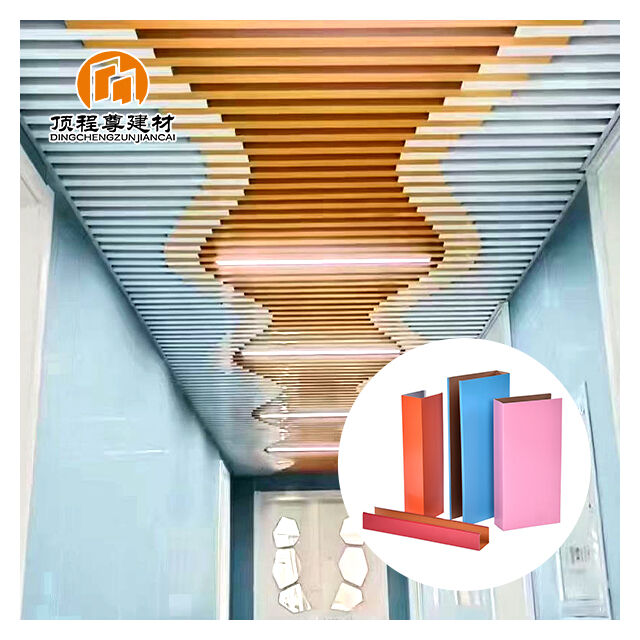
कन्वेंशन केंद्र कुछ ऐसे सबसे मांग वाले स्थापत्य वातावरणों का प्रतिनिधित्व करते हैं, जहाँ छत प्रणालियों को एक साथ कई महत्वपूर्ण कार्यों का निष्पादन करना आवश्यक होता है। ये बड़े पैमाने के क्षेत्र ध्वनिक प्रदर्शन, संरचनात्मक अखंडता, सौंदर्यात्मक आकर्षण और संचालनात्मक कार्यक्षमता को संबोधित करने के लिए उन्नत इंजीनियरिंग समाधानों की आवश्यकता रखते हैं, जो अक्सर हज़ारों वर्ग फुट के विस्तृत क्षेत्रों में बिना किसी व्यवधान के फैले होते हैं। कन्वेंशन केंद्र की छत प्रणालियों की जटिलता पारंपरिक वाणिज्यिक स्थापनाओं से कहीं अधिक है, जिसमें विशाल स्पैन, भारी उपकरणों के भार, जटिल HVAC एकीकरण और कठोर अग्नि सुरक्षा आवश्यकताओं जैसी विशिष्ट चुनौतियों को संभालने के लिए विशेषज्ञता आधारित दृष्टिकोणों की आवश्यकता होती है।
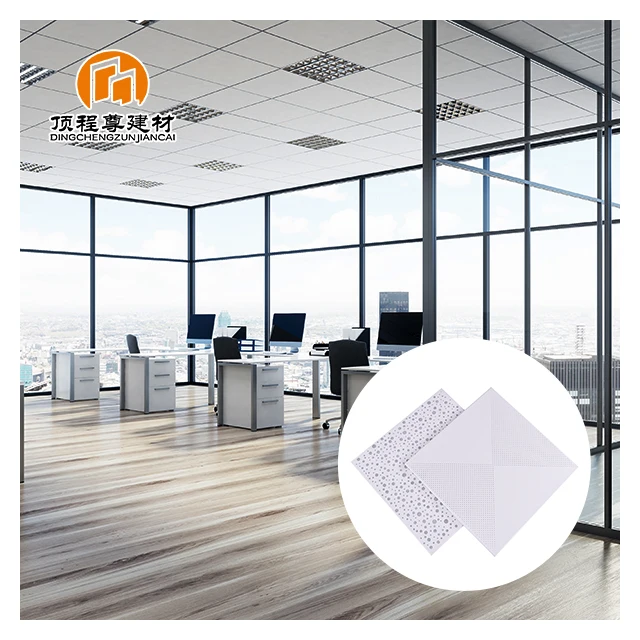
कन्वेंशन सेंटर की छत प्रणालियों का वास्तुशिल्प इंजीनियरिंग इन बहुउद्देश्यीय स्थलों की विविध कार्यात्मक आवश्यकताओं को पूरा करने के लिए संरचनात्मक इंजीनियरों, ध्वनि परामर्शदाताओं, एमईपी विशेषज्ञों और वास्तुशिल्प डिज़ाइनरों के बीच जटिल समन्वय के अंतर्गत एकीकृत समाधानों का निर्माण करता है। मानक कार्यालय या खुदरा छत स्थापनाओं के विपरीत, कन्वेंशन सेंटर की छत प्रणालियों को परिवर्तनशील विन्यासों को समायोजित करना होता है, व्यापक प्रकाश और ऑडियो-विज़ुअल उपकरणों का समर्थन करना होता है, विभिन्न प्रकार के कार्यक्रमों के लिए उत्कृष्ट ध्वनिक नियंत्रण प्रदान करना होता है, और दृश्यमान सहारा संरचनाओं के बिना अद्भुत दूरियों को ओवरलैप करते समय रखरखाव के लिए पहुँच बनाए रखनी होती है।
बड़े पैमाने के कन्वेंशन सेंटर की छतों के लिए संरचनात्मक इंजीनियरिंग विचार
भार वहन क्षमता और स्पैन आवश्यकताएँ
कन्वेंशन केंद्र की छत की प्रणालियों को आम वाणिज्यिक छत स्थापनाओं की तुलना में काफी अधिक भार को सहन करने के लिए डिज़ाइन किया जाना चाहिए, क्योंकि इन पर व्यापक उपकरण स्थापित किए जाते हैं। ये प्रणालियाँ नियमित रूप से भारी प्रकाश व्यवस्था, बड़े प्रारूप के प्रदर्शन उपकरण, ऑडियो उपकरण, सजावटी तत्व और विशिष्ट स्थान-विशिष्ट उपकरणों का समर्थन करती हैं, जो छत की संरचना पर हज़ारों पाउंड के वितरित और बिंदु भार लगा सकते हैं। इंजीनियरिंग गणनाओं में स्थायी रूप से स्थापित उपकरणों से उत्पन्न स्थैतिक भारों के साथ-साथ गतिशील भारों को भी ध्यान में रखा जाना चाहिए, जो विभिन्न कार्यक्रमों के लिए पुनर्व्यवस्थित किए जा सकने वाले चलित तत्वों से उत्पन्न होते हैं।
कन्वेंशन सेंटर की छत की प्रणालियों के लिए स्पैन आवश्यकताएँ अक्सर मध्यवर्ती सहारा स्तंभों के बिना 200 फुट से अधिक होती हैं, जिससे महत्वपूर्ण संरचनात्मक चुनौतियाँ उत्पन्न होती हैं जिनके लिए उन्नत इंजीनियरिंग तकनीकों की आवश्यकता होती है। लंबे स्पैन वाली छत की प्रणालियों को पूर्ण भारण स्थितियों के तहत संरचनात्मक अखंडता बनाए रखते हुए दृश्यमान झुकाव को रोकने के लिए उचित विक्षेप सीमाओं के साथ डिज़ाइन किया जाना चाहिए। संरचनात्मक फ्रेमवर्क में आमतौर पर भारी ग्रिड प्रणालियों का उपयोग किया जाता है, जिनमें मजबूत कनेक्शन बिंदु होते हैं, और विशेष रूप से चुनौतीपूर्ण स्पैन या भारण परिदृश्यों के लिए अनुकूलित इंजीनियरिंग समाधानों की आवश्यकता हो सकती है।
भूकंपीय और पवन भार विचार
कन्वेंशन सेंटर आमतौर पर बड़ी, एक-मंजिला संरचनाएँ होती हैं जिनमें विस्तृत छत क्षेत्र होते हैं, जिससे वे पवन भार और भूकंपीय बलों के प्रति विशेष रूप से संवेदनशील हो जाती हैं। इनकी कन्वेंशन सेंटर की छत की प्रणालियाँ इन पार्श्विक बलों का प्रतिरोध करने के लिए, जबकि उनके ध्वनिक और सौंदर्यपूर्ण प्रदर्शन को बनाए रखा जाए, इन्हें उचित संयोजनों और आधार संरचना के साथ डिज़ाइन किया जाना चाहिए। यह अक्सर मानक सीलिंग प्रणाली विनिर्देशों से परे विशिष्ट संयोजन हार्डवेयर और संरचनात्मक विवरण की आवश्यकता होती है।
इंजीनियरिंग दृष्टिकोण को भूकंपीय घटनाओं के दौरान सीलिंग प्रणाली और भवन की प्राथमिक संरचनात्मक प्रणाली के बीच होने वाली अंतःक्रिया को भी ध्यान में रखना चाहिए। सीलिंग प्रणालियों को विफलता के बिना भवन की गति को समायोजित करने के लिए पर्याप्त लचीलापन आवश्यक होता है, जबकि संरचना से उनका संयोजन बना रहे। यह आमतौर पर विशिष्ट भूकंपीय अलगाव जोड़ों और लचीले संयोजनों की आवश्यकता होती है, जो विभिन्न भवन तत्वों के बीच सापेक्ष गति की अनुमति देते हैं, जबकि सीलिंग के ढहने को रोकते हैं।
बहुउद्देश्यीय सम्मेलन स्थानों के लिए ध्वनिक इंजीनियरिंग
प्रतिध्वनि नियंत्रण और वाक् स्पष्टता
कन्वेंशन सेंटर की छत प्रणालियों का ध्वनिक प्रदर्शन विभिन्न प्रकार के कार्यक्रमों—जैसे निजी प्रस्तुतियों से लेकर बड़े प्रदर्शनों तक—के दौरान प्रभावी संचार सुनिश्चित करने के लिए अत्यंत महत्वपूर्ण है। कन्वेंशन सेंटरों में आमतौर पर ऊँची छतें और बड़े आयतन होते हैं, जिनसे उचित ध्वनिक उपचार के बिना अत्यधिक प्रतिध्वनि समय उत्पन्न हो सकता है। छत प्रणाली में ऐसी ध्वनिक सामग्रियाँ और विन्यास शामिल होने चाहिए जो प्रतिध्वनि को नियंत्रित करें, साथ ही इन प्रतिष्ठित स्थलों के लिए आवश्यक दृश्य सौंदर्य को भी बनाए रखें।
भाषण की स्पष्टता विशेष रूप से कन्वेंशन केंद्रों में चुनौतीपूर्ण होती है, क्योंकि इनका आकार बड़ा होता है और इन्हें विभिन्न प्रकार के ध्वनिक वातावरणों को समायोजित करने की आवश्यकता होती है। कन्वेंशन केंद्रों के छत प्रणाली को उचित ध्वनि अवशोषण गुणांकों और वितरण पैटर्न के साथ डिज़ाइन किया जाना चाहिए, ताकि संपूर्ण स्थान में स्पष्ट संचार सुनिश्चित किया जा सके। इसके लिए अक्सर छिद्रित पैनलों, ध्वनि अवशोषक पृष्ठभूमि सामग्रियों और छत प्रणाली के भीतर ध्वनि-अवशोषक तत्वों की रणनीतिक व्यवस्था का संयोजन आवश्यक होता है।
शोर नियंत्रण और ध्वनि विलगन
कन्वेंशन केंद्र अक्सर कई एक साथ आयोजनों की मेजबानी करते हैं, जिसके लिए विभिन्न क्षेत्रों के बीच प्रभावी ध्वनि विलगन प्रदान करने वाली छत प्रणालियों की आवश्यकता होती है। ध्वनिक इंजीनियरिंग को छत प्रणाली के माध्यम से वायु-संचारित ध्वनि संचरण और उन फ्लैंकिंग पथों दोनों को संबोधित करना चाहिए जो ध्वनिक अलगाव को समाप्त कर सकते हैं। इसके लिए आमतौर पर छत के ऊपर निरंतर ध्वनिक अवरोधकों की आवश्यकता होती है तथा प्रकाश व्यवस्था, एचवीएसी (HVAC) और अन्य भवन प्रणालियों के लिए छेदों पर सावधानीपूर्ण ध्यान देने की आवश्यकता होती है।
यांत्रिक प्रणालियों का एकीकरण कन्वेंशन केंद्र की छत प्रणालियों में ध्वनि प्रदर्शन के लिए विशेष चुनौतियाँ प्रस्तुत करता है। इन स्थानों के लिए आवश्यक बड़ी HVAC प्रणालियाँ काफी शोर उत्पन्न कर सकती हैं, जिसे छत के डिज़ाइन के माध्यम से नियंत्रित किया जाना चाहिए। इसके लिए अक्सर डक्टवर्क प्रवेश बिंदुओं के चारों ओर ध्वनिक उपचार की आवश्यकता होती है और छत प्रणाली के डिज़ाइन में कस्टम ध्वनिक एनक्लोज़र या साइलेंसर को शामिल करने की आवश्यकता हो सकती है।
वास्तुकला एकीकरण और सौंदर्य इंजीनियरिंग
दृश्य निरंतरता और डिज़ाइन लचीलापन
कन्वेंशन सेंटर की छत प्रणालियों को बड़े क्षेत्रों में दृश्य निरंतरता प्रदान करनी चाहिए, जबकि विभिन्न क्षेत्रों की कार्यात्मक आवश्यकताओं को भी पूरा करना चाहिए। वास्तुशिल्प इंजीनियरिंग को एकरूप उपस्थिति की आवश्यकता को उपकरण तक पहुँच, ध्वनिक प्रदर्शन में भिन्नताओं और संरचनात्मक समर्थन जैसी व्यावहारिक आवश्यकताओं के साथ संतुलित करना आवश्यक है। इसके लिए अक्सर ऐसे अनुकूलित समाधानों की आवश्यकता होती है जो दृश्यमान छत सतह के पीछे कार्यात्मक भिन्नताओं को स्वीकार करते हुए भी सुसंगत दृश्य तत्वों को बनाए रखें।
कन्वेंशन सेंटर की छत प्रणालियों के लिए डिज़ाइन लचीलापन एक महत्वपूर्ण आवश्यकता है, क्योंकि इन स्थलों को विभिन्न प्रकार के आयोजनों के लिए पुनः कॉन्फ़िगर किया जाना चाहिए। छत प्रणाली को अस्थायी स्थापनाओं, चल संरचनाओं (मूवेबल पार्टिशन) और परिवर्तनशील प्रकाश व्यवस्थाओं को समायोजित करने में सक्षम होना चाहिए, बिना अपनी संरचनात्मक अखंडता या ध्वनिक प्रदर्शन को समाप्त किए। इसके लिए आमतौर पर मॉड्यूलर डिज़ाइन दृष्टिकोण और मानकीकृत संयोजन बिंदुओं की आवश्यकता होती है, जो भविष्य के संशोधनों की अनुमति देते हैं।
भवन प्रणालियों के साथ एकीकरण
कन्वेंशन केंद्रों के लिए आवश्यक जटिल भवन प्रणालियों को छत के डिज़ाइन में बिना प्रदर्शन या सौंदर्य को समझौते के बिना सुचारू रूप से एकीकृत किया जाना चाहिए। कन्वेंशन केंद्र की छत प्रणालियों को व्यापक HVAC प्रणालियों, उन्नत प्रकाश नियंत्रण प्रणालियों, ऑडियो-विज़ुअल अवसंरचना, अग्नि सुरक्षा प्रणालियों और आपातकालीन संचार प्रणालियों को समायोजित करने की आवश्यकता होती है। इस एकीकरण के लिए आवश्यक इंजीनियरिंग समन्वय, सामान्य वाणिज्यिक छत स्थापनाओं की तुलना में काफी अधिक जटिल है।
भवन प्रणालियों के रखरखाव के लिए पहुँच की आवश्यकताएँ कन्वेंशन केंद्रों की छत प्रणालियों में उनकी ऊँचाई और स्पैन के कारण विशेष चुनौतियाँ प्रस्तुत करती हैं। छत के डिज़ाइन में रखरखाव के लिए पर्याप्त पहुँच बिंदु प्रदान करने चाहिए, जबकि संरचनात्मक अखंडता और सौंदर्यिक निरंतरता बनाए रखी जानी चाहिए। यह अक्सर विशिष्ट पहुँच पैनलों, हटाने योग्य खंडों और दक्ष रखरखाव संचालन सुनिश्चित करने के लिए भवन प्रबंधन प्रणालियों के साथ समन्वय की आवश्यकता होती है।
स्थापना और निर्माण इंजीनियरिंग की चुनौतियाँ
क्रमबद्धता और समन्वय आवश्यकताएँ
परिसर केंद्र की छत प्रणालियों की स्थापना के लिए इन परियोजनाओं की जटिलता और विशालता के कारण अन्य निर्माण गतिविधियों के साथ सावधानीपूर्ण क्रमबद्धता की आवश्यकता होती है। छत की स्थापना को संरचनात्मक कार्य, यांत्रिक प्रणालियों की स्थापना, विद्युत प्रणालियों और स्थापत्य समापन के साथ समन्वित किया जाना चाहिए। परिसर केंद्रों में यह समन्वय विशेष रूप से चुनौतीपूर्ण होता है, क्योंकि निर्माण के समयसीमा बहुत कड़ी होती है और भवन के संरचनात्मक कार्यों में व्यवधान को न्यूनतम करने की आवश्यकता होती है।
परिसर केंद्र की छत प्रणालियों के लिए स्थापना के दौरान गुणवत्ता नियंत्रण उनकी दृश्यता और प्रदर्शन आवश्यकताओं के कारण महत्वपूर्ण है। इन स्थापनाओं के विशाल आकार के कारण पूरी छत सतह पर सुसंगत गुणवत्ता सुनिश्चित करने के लिए प्रणालीगत दृष्टिकोण की आवश्यकता होती है। इसमें आमतौर पर चरणबद्ध निरीक्षण, प्रदर्शन परीक्षण और सभी प्रणालियों के सही ढंग से एक साथ कार्य करने के लिए कई व्यवसायों के साथ समन्वय शामिल होता है।
सुरक्षा और पहुँच विचार
ऊंचाई पर काम करना, विशेष रूप से बड़े पैमाने पर छत स्थापनाओं के दौरान, महत्वपूर्ण सुरक्षा चुनौतियाँ प्रस्तुत करता है, जिनके लिए विशेषीकृत उपकरण और प्रक्रियाओं की आवश्यकता होती है। सम्मेलन केंद्र की छत प्रणालियों की स्थापना आमतौर पर कार्यकर्ताओं के लिए सुरक्षित पहुँच प्रदान करने के लिए व्यापक सीढ़ियाँ (स्कैफोल्डिंग) या विशेषीकृत लिफ्ट उपकरणों की आवश्यकता होती है। सुरक्षा योजना में अन्य निर्माण गतिविधियों के साथ होने वाले अंतःक्रिया और विस्तारित स्थापना अवधि के दौरान सुरक्षित कार्य परिस्थितियों को बनाए रखने की आवश्यकता को भी ध्यान में रखा जाना चाहिए।
भविष्य में रखरखाव के लिए अभिगम्यता आवश्यकताओं को छत प्रणाली के प्रारंभिक डिज़ाइन चरण से ही इंजीनियरिंग के माध्यम से शामिल किया जाना चाहिए। सम्मेलन केंद्र की छत प्रणालियाँ भवन के पूरे संचालन जीवनकाल के दौरान नियमित रखरखाव, उपकरण प्रतिस्थापन और प्रणाली संशोधनों के लिए सुरक्षित पहुँच प्रदान करने में सक्षम होनी चाहिए। इसके लिए छत के डिज़ाइन और भवन की स्थायी पहुँच प्रणालियों, जिनमें कैटवॉक, रखरखाव प्लेटफॉर्म और विशेषीकृत लिफ्ट बिंदु शामिल हैं, के बीच समन्वय आवश्यक है।
अक्सर पूछे जाने वाले प्रश्न
कन्वेंशन सेंटर की छत की प्रणालियाँ मानक वाणिज्यिक छत स्थापनाओं से क्यों भिन्न होती हैं?
कन्वेंशन सेंटर की छत की प्रणालियाँ अपने विशाल आकार, जटिल भार आवश्यकताओं और बहु-कार्यात्मक प्रदर्शन आवश्यकताओं के कारण मानक वाणिज्यिक स्थापनाओं से काफी भिन्न होती हैं। इन प्रणालियों को सहारा दिए बिना काफी अधिक दूरी तक फैलना आवश्यक होता है, उन्हें काफी भारी उपकरणों के भार को सहन करना होता है, विभिन्न प्रकार के कार्यक्रमों के लिए उत्कृष्ट ध्वनि नियंत्रण प्रदान करना आवश्यक होता है, और बार-बार पुनर्व्यवस्थापन के लिए अनुकूल होना आवश्यक होता है। इनकी इंजीनियरिंग आवश्यकताएँ अधिक जटिल होती हैं, जिनमें विशिष्ट संरचनात्मक विश्लेषण, उन्नत ध्वनि मॉडलिंग और ऐसी जटिल भवन प्रणालियों के साथ समन्वय शामिल होता है, जो सामान्य वाणिज्यिक छत परियोजनाओं से काफी अधिक होती हैं।
ध्वनि आवश्यकताएँ कन्वेंशन सेंटर की छत की प्रणालियों के इंजीनियरिंग को किस प्रकार प्रभावित करती हैं?
ध्वनिक आवश्यकताएँ मूल रूप से कन्वेंशन सेंटर की छत प्रणालियों के डिज़ाइन को आकार देती हैं, क्योंकि इन सुविधाओं को शामिल करने के लिए विविध ध्वनि वातावरण—चुप्पी वाले प्रस्तुतियों से लेकर ऊँचे शोर वाले प्रदर्शनों तक—को संभालना आवश्यक होता है। इंजीनियरिंग का उद्देश्य प्रतिध्वनि नियंत्रण को सामान्य करना होता है, जिसमें ध्वनिक सामग्रियों की रणनीतिक व्यवस्था, विभिन्न क्षेत्रों के बीच ध्वनि अलगाव और शोर संचरण को रोकने के लिए यांत्रिक प्रणालियों के साथ एकीकरण शामिल होता है। इसके लिए आमतौर पर विशिष्ट ध्वनिक परीक्षण, विशेषीकृत सामग्रियों का चयन और संपूर्ण स्थान में वाक्य-बोधगम्यता और ध्वनि गुणवत्ता सुनिश्चित करने के लिए ऑडियो-विज़ुअल प्रणालियों के साथ समन्वय आवश्यक होता है।
बड़े-स्पैन कन्वेंशन सेंटर छत प्रणालियों के डिज़ाइन में प्रमुख संरचनात्मक चुनौतियाँ क्या हैं?
प्राथमिक संरचनात्मक चुनौतियों में 200 फीट से अधिक के विस्तार के दौरान मध्यवर्ती स्तंभों के बिना भारी उपकरणों के भार का समर्थन करना, दृश्यमान झुकाव को रोकने के लिए विक्षेपण का प्रबंधन करना, और भूकंपीय तथा पवन बलों के प्रति पर्याप्त प्रतिरोध प्रदान करना शामिल है। इंजीनियरिंग को स्थायी स्थापनाओं से आने वाले स्थैतिक भारों के साथ-साथ चलायमान उपकरणों से उत्पन्न गतिशील भारों दोनों को ध्यान में रखना आवश्यक है, जबकि यह सुनिश्चित करना भी आवश्यक है कि प्रणाली भूकंपीय घटनाओं के दौरान भवन की गति को समायोजित कर सके। इसके लिए आमतौर पर भारी प्रकार की ग्रिड प्रणालियों, मजबूत कनेक्शन बिंदुओं और मानक सीलिंग प्रणाली विनिर्देशों से आगे की विशेषीकृत ब्रेसिंग तकनीकों की आवश्यकता होती है।
भवन प्रणालियों के एकीकरण की आवश्यकताएँ कन्वेंशन सेंटर की सीलिंग प्रणाली के डिज़ाइन को किस प्रकार प्रभावित करती हैं?
भवन प्रणाली समाकलन केंद्रीय सम्मेलन केंद्र की छत प्रणाली के डिज़ाइन को काफी जटिल बना देता है, क्योंकि ऐसे केंद्रों में व्यापक HVAC, प्रकाश व्यवस्था, ऑडियो-विजुअल, अग्नि सुरक्षा और संचार प्रणालियों की आवश्यकता होती है, जिन्हें सभी को छत के अंतरिक्ष के भीतर समन्वित किया जाना आवश्यक है। इंजीनियरिंग को बड़े वायु वितरण चैनलों (डक्टवर्क) के लिए पर्याप्त स्थान प्रदान करना, संरचनात्मक अखंडता को समझौता किए बिना अनेक प्रवेश बिंदुओं (पेनिट्रेशन्स) को समायोजित करना, प्रणाली प्रवेश बिंदुओं के आसपास ध्वनिक प्रदर्शन को बनाए रखना और रखरोट के लिए पर्याप्त पहुँच सुनिश्चित करना आवश्यक है। यह समाकलन कई इंजीनियरिंग विषयों के बीच विस्तृत समन्वय की आवश्यकता रखता है और अक्सर जटिल प्रणाली प्रतिच्छेदनों के लिए विशिष्ट (कस्टम) समाधानों की आवश्यकता होती है।
विषय-सूची
- बड़े पैमाने के कन्वेंशन सेंटर की छतों के लिए संरचनात्मक इंजीनियरिंग विचार
- बहुउद्देश्यीय सम्मेलन स्थानों के लिए ध्वनिक इंजीनियरिंग
- वास्तुकला एकीकरण और सौंदर्य इंजीनियरिंग
- स्थापना और निर्माण इंजीनियरिंग की चुनौतियाँ
-
अक्सर पूछे जाने वाले प्रश्न
- कन्वेंशन सेंटर की छत की प्रणालियाँ मानक वाणिज्यिक छत स्थापनाओं से क्यों भिन्न होती हैं?
- ध्वनि आवश्यकताएँ कन्वेंशन सेंटर की छत की प्रणालियों के इंजीनियरिंग को किस प्रकार प्रभावित करती हैं?
- बड़े-स्पैन कन्वेंशन सेंटर छत प्रणालियों के डिज़ाइन में प्रमुख संरचनात्मक चुनौतियाँ क्या हैं?
- भवन प्रणालियों के एकीकरण की आवश्यकताएँ कन्वेंशन सेंटर की सीलिंग प्रणाली के डिज़ाइन को किस प्रकार प्रभावित करती हैं?