 EN
EN


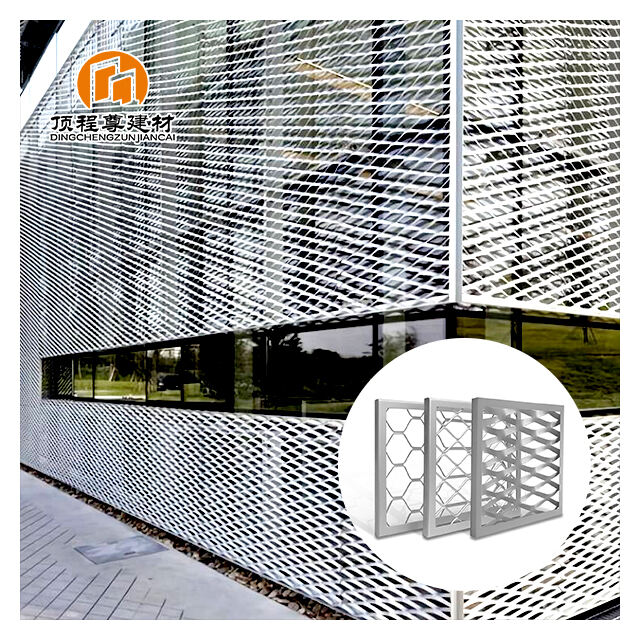
হাসপাতাল ও চিকিৎসা সুবিধা সমূহের ছাদগুলি শুধুমাত্র উপরের পৃষ্ঠতল নয়—এগুলি রোগীদের নিরাপত্তা, কর্মীদের কার্যকারিতা এবং পরিচালনাগত সফলতাকে সরাসরি প্রভাবিত করে এমন অত্যাবশ্যকীয় অবকাঠামো উপাদান হিসেবে কাজ করে। আধুনিক স্বাস্থ্যসেবা পরিবেশগুলি এমন ছাদ ব্যবস্থা চায় যা কঠোর স্বাস্থ্যবিধির প্রয়োজনীয়তা, শব্দ নিয়ন্ত্রণের মানদণ্ড এবং দীর্ঘমেয়াদী রক্ষণাবেক্ষণের বিষয়গুলির সমান্তরালে অত্যাবশ্যকীয় চিকিৎসা সরঞ্জাম ও সেবাগুলিকে সমর্থন করে।
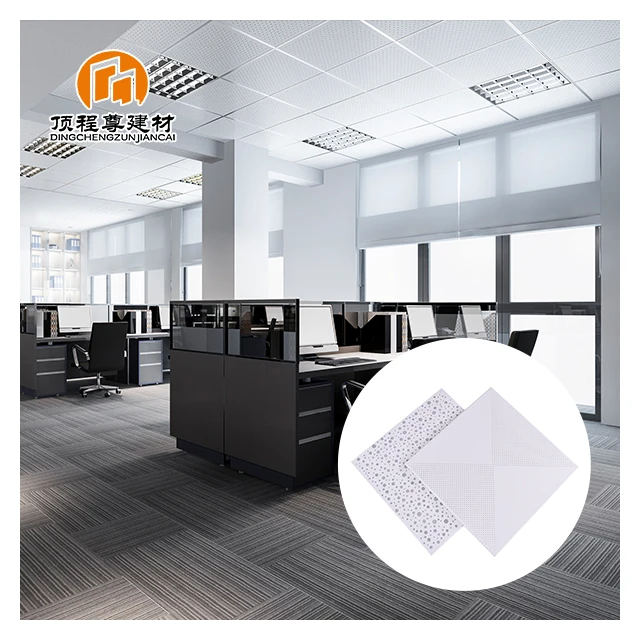
স্বাস্থ্যসেবা প্রতিষ্ঠানের ডিজাইনের জটিলতা শুধুমাত্র সৌন্দর্যবোধের বিবেচনা অতিক্রম করে সংক্রমণ নিয়ন্ত্রণ প্রোটোকল, নিয়ন্ত্রক অনুসরণ এবং কার্যকরী কার্যকারিতা পর্যন্ত বিস্তৃত। হাসপাতালগুলিতে সিলিং সিস্টেমগুলির এইচভিএসি সিস্টেম, আলোক ব্যবস্থা, অগ্নিনির্বাপক সরঞ্জাম এবং চিকিৎসা গ্যাস সরবরাহ নেটওয়ার্কের সাথে সুষ্ঠুভাবে একীভূত হওয়া আবশ্যিক, একইসাথে ব্যাকটেরিয়া বৃদ্ধির বিরুদ্ধে প্রতিরোধী এবং গভীর পরিষ্কার প্রক্রিয়াকে সহজতর করে এমন পৃষ্ঠ বজায় রাখতে হবে। এই বহুমুখী প্রয়োজনীয়তাগুলি বুঝতে পারলে প্রতিষ্ঠান পরিচালক এবং ডিজাইনাররা এমন হাসপাতাল সিলিং সমাধান নির্বাচন করতে পারেন যা তাত্ক্ষণিক কার্যকারিতা এবং দীর্ঘমেয়াদী মূল্য উভয়কেই অপ্টিমাইজ করে।
স্বাস্থ্যসম্মত মানদণ্ড এবং সংক্রমণ নিয়ন্ত্রণের প্রয়োজনীয়তা
চিকিৎসা পরিবেশের জন্য পৃষ্ঠ উপাদানের বিশেষকরণ
স্বাস্থ্যসেবা-মানের ছাদের উপকরণগুলির অবশ্যই সংক্রমণ প্রতিরোধের প্রোটোকলগুলিকে সমর্থন করা এবং জীবাণুমুক্ত পরিবেশ বজায় রাখার জন্য নির্দিষ্ট বৈশিষ্ট্য প্রদর্শন করতে হবে। ছিদ্রহীন পৃষ্ঠ এবং মসৃণ ফিনিশযুক্ত উপকরণগুলি ব্যাকটেরিয়ার বসতি প্রতিরোধ করে এবং হাসপাতাল-অনুমোদিত পরিষ্কারক এজেন্ট ব্যবহার করে কার্যকর কীটাণুমুক্তকরণ পদ্ধতি সম্ভব করে। এই হাসপাতালের ছাদ সমাধানগুলি সাধারণত অ্যান্টিমাইক্রোবিয়াল কোটিং বা আন্তঃস্থ উপাদানগুলির বৈশিষ্ট্য বৈশিষ্ট্য বহন করে যা সক্রিয়ভাবে জীবাণুর বৃদ্ধিকে প্রতিরোধ করে এবং রাসায়নিক কীটাণুমুক্তকারকের পুনরাবৃত্তি সংস্পর্শের প্রতি সহনশীল হয়।
উপকরণ নির্বাচনের মাপদণ্ডগুলির মধ্যে রয়েছে আর্দ্রতা প্রবেশের বিরুদ্ধে প্রতিরোধ ক্ষমতা, জীবাণুনাশক দ্রবণের সাথে রাসায়নিক সামঞ্জস্যতা এবং পুনরাবৃত্ত পরিষ্কার চক্রের অধীনে পৃষ্ঠের অখণ্ডতা। ছাদের প্যানেলগুলির কোয়াটারনারি অ্যামোনিয়াম যৌগ, হাইড্রোজেন পারঅক্সাইড দ্রবণ এবং অন্যান্য স্বাস্থ্যসেবা-সংক্রান্ত পরিষ্কারক রাসায়নিকের সংস্পর্শে এসেও তাদের গাঠনিক বৈশিষ্ট্য ও চেহারা বজায় রাখতে হবে। পৃষ্ঠের টেক্সচারটি কণা ধারণের পরিমাণ কমিয়ে আনতে হবে, যাতে একইসাথে এটি সংহত সরঞ্জামগুলি সমর্থন করার জন্য যথেষ্ট যান্ত্রিক শক্তি প্রদান করতে পারে এবং এইচভিএসি (HVAC) সিস্টেম থেকে উদ্ভূত বায়ুচাপের পরিবর্তন সহ্য করতে পারে।
নিয়ন্ত্রক সংস্থাগুলি স্বাস্থ্যসেবা পরিবেশের জন্য নির্দিষ্ট উপকরণ কার্যকারিতা মানদণ্ড প্রতিষ্ঠা করে, যার মধ্যে শিখা প্রসারণ রেটিং, ধোঁয়া উৎপাদন সূচক এবং গ্যাস নির্গমনের সীমাবদ্ধতা অন্তর্ভুক্ত। এই প্রয়োজনীয়তাগুলি নিশ্চিত করে যে সিলিং সিস্টেমগুলি অধিকৃত স্বাস্থ্যসেবা প্রতিষ্ঠানগুলির জন্য নির্দিষ্ট অগ্নি নিরাপত্তা কোডগুলি পূরণ করার পাশাপাশি সামগ্রিক বায়ু গুণমান ব্যবস্থাপনায় অবদান রাখে। হাসপাতালের সিলিং সমাধানের জন্য বিশেষীকরণ প্রক্রিয়ায় অনুমোদন সংক্রান্ত দলিল এবং উপকরণ সার্টিফিকেশনগুলি অপরিহার্য উপাদান হয়ে ওঠে।
পরিষ্কার করা যায় এবং রক্ষণাবেক্ষণ প্রোটোকল
হাসপাতালের সিলিংগুলির জন্য কার্যকরী পরিষ্কার প্রোটোকলের জন্য প্রবেশযোগ্য পৃষ্ঠ ডিজাইন এবং নিয়মিত রক্ষণাবেক্ষণকে সমর্থন করে এমন উপযুক্ত উপকরণ বৈশিষ্ট্য প্রয়োজন, যাতে স্বাস্থ্যসম্মত মানদণ্ড ক্ষুণ্ন না হয়। সিলিং সিস্টেমগুলি পরিষ্কার করার সরঞ্জামগুলির প্রবেশাধিকার সহজতর করতে হবে, একইসাথে রোগীদের যত্নের কার্যক্রমে ব্যাঘাত কমিয়ে রাখতে হবে এবং রক্ষণাবেক্ষণ প্রক্রিয়ার সময় বায়ুবorne দূষণকারী পদার্থগুলির ধরে রাখার ব্যবস্থা বজায় রাখতে হবে।
পৃষ্ঠের জ্যামিতি পরিষ্কার করা যাওয়ার ক্ষমতার উপর গুরুত্বপূর্ণ প্রভাব ফেলে, যেখানে মসৃণ সংক্রমণ এবং ন্যূনতম ফাটলগুলি দূষণকারী পদার্থগুলি জমা হওয়ার সম্ভাব্য স্থানগুলিকে কমিয়ে দেয়। যোগাযোগস্থলের সীলিং এবং প্যানেলের প্রান্ত চিকিত্সা আর্দ্রতা প্রবেশের পথ রোধ করতে হবে, যাতে তাপীয় প্রসারণ এবং ভবনের গতির জন্য পর্যাপ্ত স্থান থাকে। বিভিন্ন স্বাস্থ্যসেবা অঞ্চলে পরিষ্কার করার পরিধি এবং তীব্রতা উপাদান নির্বাচন এবং ইনস্টলেশন পদ্ধতিকে প্রভাবিত করে, যাতে দীর্ঘমেয়াদী অপারেশনের জন্য অপটিমাল কার্যকারিতা নিশ্চিত করা যায়।
পরিষ্কার করার পদ্ধতি এবং উপাদানের সামঞ্জস্যতা সম্পর্কিত ডকুমেন্টেশন সুবিধার সমস্ত অপারেশনে ধারাবাহিক রক্ষণাবেক্ষণ অনুশীলন নিশ্চিত করে। সঠিক পরিষ্কার করার কৌশল এবং নিরাপত্তা প্রোটোকল সম্পর্কে কর্মীদের প্রশিক্ষণ নিয়মিত রক্ষণাবেক্ষণের সময় ছাদ সিস্টেমের অখণ্ডতা এবং কর্মীদের স্বাস্থ্য উভয়কেই রক্ষা করে। এই বিবেচনাগুলি হাসপাতালের ছাদ সমাধানগুলির সম্পূর্ণ মালিকানা খরচকে তাদের অপারেশনাল আয়ুকাল জুড়ে সরাসরি প্রভাবিত করে।
স্বাস্থ্যসেবা পরিবেশে ধ্বনি নিয়ন্ত্রণের কার্যকারিতা
ধ্বনি নিয়ন্ত্রণ এবং রোগীদের আরামদায়ক অবস্থার বিবেচনা
স্বাস্থ্যসেবা পরিবেশে শব্দ ব্যবস্থাপনা রোগীদের সুস্থতা লাভের ফলাফল, কর্মীদের যোগাযোগের কার্যকারিতা এবং সামগ্রিক সুবিধার কার্যকারিতাকে উল্লেখযোগ্যভাবে প্রভাবিত করে। হাসপাতালের সিলিং সমাধানগুলির মধ্যে বিভিন্ন ধরনের ধ্বনি-সংক্রান্ত চ্যালেঞ্জ সমাধান করতে হবে, যেমন— ঘরগুলির মধ্যে বায়ুমাধ্যমে শব্দ সঞ্চারণ, যন্ত্রপাতি ও পদচারণার কারণে উদ্ভূত আঘাতজনিত শব্দ এবং চিকিৎসা কক্ষগুলিতে প্রতিধ্বনি নিয়ন্ত্রণ।
ধ্বনি-শোষক সিলিং উপকরণগুলি শব্দ শক্তি শোষণ এবং চিকিৎসা সুবিধাগুলিতে শব্দ সঞ্চারণ হ্রাস করার জন্য বিভিন্ন প্রযুক্তি ব্যবহার করে। ছিদ্রযুক্ত ধাতব প্যানেল, খনিজ তন্তুর টাইল এবং বিশেষায়িত সংমিশ্রণ উপকরণগুলি প্রত্যেকেই বিভিন্ন স্বাস্থ্যসেবা প্রয়োগের জন্য উপযুক্ত ধ্বনি-সংক্রান্ত কার্যকারিতা প্রদর্শন করে। শব্দ হ্রাস সহগ (NRC) এবং সিলিং অ্যাটেনুয়েশন ক্লাস (CAC) রেটিং বিভিন্ন সিলিং সিস্টেমের ধ্বনি-সংক্রান্ত কার্যকারিতা তুলনা করার জন্য পরিমাণগত পরিমাপ প্রদান করে।
রোগী কক্ষের ধ্বনি বিজ্ঞান সরাসরি ঘুমের গুণগত মান, চাপের মাত্রা এবং সেরে ওঠার প্রক্রিয়াকে প্রভাবিত করে, ফলে হাসপাতালের ছাদ সমাধানের ক্ষেত্রে ধ্বনি নিয়ন্ত্রণ একটি অত্যন্ত গুরুত্বপূর্ণ ডিজাইন বিবেচনা হয়ে ওঠে। পরামর্শদান এলাকা এবং পরীক্ষা কক্ষগুলিতে কথা বলার গোপনীয়তা বজায় রাখার প্রয়োজনীয়তা এমন ছাদ সিস্টেমের প্রয়োজন হয় যা কথোপকথনের সংক্রমণ রোধ করে, কিন্তু চিকিৎসা যোগাযোগ এবং সরঞ্জাম মনিটরিং-এর জন্য যথেষ্ট ধ্বনি স্পষ্টতা বজায় রাখে।
কথা বলার গোপনীয়তা এবং গোপনীয়তা সংক্রান্ত প্রয়োজনীয়তা
স্বাস্থ্যসেবা প্রতিষ্ঠানগুলির রোগী এলাকা এবং সার্বজনিক স্থানগুলির মধ্যে ধ্বনি বিজ্ঞানগত পৃথকীকরণ নিশ্চিত করার জন্য গোপনীয়তা সংক্রান্ত বিধিমালা মেনে চলা আবশ্যিক। ছাদ সিস্টেমগুলি উপযুক্ত উপকরণ নির্বাচন এবং ইনস্টলেশন পদ্ধতির মাধ্যমে ধ্বনি আবদ্ধকরণ (সাউন্ড মাস্কিং) এবং ধ্বনি সংক্রমণ হ্রাসে অবদান রাখে, যা অন্যান্য কার্যকারিতা প্রয়োজনীয়তা ক্ষুণ্ণ না করেই কার্যকর ধ্বনি বাধা তৈরি করে।
শব্দ গোপনীয়তা ব্যবস্থার সিলিং ক্যাভিটিতে একীভূতকরণের জন্য অন্যান্য বিল্ডিং সিস্টেমগুলির সাথে সামঞ্জস্য বজায় রাখতে হবে, যাতে রক্ষণাবেক্ষণ ও পরিবর্তনের জন্য প্রবেশাধিকার বজায় থাকে। ধ্বনিক ডিজাইনের বিবেচনা শুধুমাত্র পৃথক পৃথক ঘরের মধ্যেই সীমাবদ্ধ নয়, বরং করিডর স্পেস, অপেক্ষা করার এলাকা এবং কর্মীদের কাজের অঞ্চলও অন্তর্ভুক্ত করে, যেখানে বিভিন্ন ধরনের শব্দ ব্যবস্থাপনা কৌশল প্রযোজ্য হতে পারে। হাসপাতালের সিলিং সমাধান .
কার্যকরী পরীক্ষা ও যাচাইকরণ নিশ্চিত করে যে স্থাপিত সিলিং সিস্টেমগুলি আসল কার্যকরী অবস্থায় নির্দিষ্ট ধ্বনিক মানদণ্ড পূরণ করে। ব্যবহারের পরবর্তী মূল্যায়নগুলি সেইসব এলাকা চিহ্নিত করতে পারে যেখানে ধ্বনিক কার্যকারিতা অপ্টিমাল রোগী ও কর্মী আরামের মাত্রা বজায় রাখতে সামঞ্জস্য বা উন্নয়নের প্রয়োজন হতে পারে।
কম-রক্ষণাবেক্ষণ ডিজাইন বৈশিষ্ট্য
দীর্ঘায়ু এবং স্থায়িত্বের কারকগুলি
হাসপাতালের ছাদ সমাধানগুলি কঠোর পরিচালন অবস্থার মধ্যে দিয়ে যাওয়ার সময় দীর্ঘ সেবা সময়কালের মধ্যে কার্যকারিতার বৈশিষ্ট্যগুলি বজায় রাখতে হবে। উপকরণের ক্লান্তি প্রতিরোধ ক্ষমতা, মাত্রিক স্থিতিশীলতা এবং পৃষ্ঠ সমাপ্তির টিকে থাকার ক্ষমতা সরাসরি স্বাস্থ্যসেবা পরিবেশে রক্ষণাবেক্ষণের প্রয়োজনীয়তা এবং প্রতিস্থাপনের সময়সূচীকে প্রভাবিত করে।
ঝুলন প্রতিরোধ, আঘাত সহনশীলতা এবং প্রান্ত শক্তির মতো যান্ত্রিক বৈশিষ্ট্যগুলি ছাদ ইনস্টলেশনের দীর্ঘমেয়াদী অখণ্ডতাকে প্রভাবিত করে। তাপমাত্রা পরিবর্তন, আর্দ্রতা পরিবর্তন এবং এইচভিএসি সিস্টেম থেকে বায়ুচাপ পরিবর্তনের মতো পরিবেশগত ফ্যাক্টরগুলি চলমান চাপের অবস্থা সৃষ্টি করে যা গুণগত ছাদ উপকরণগুলির কাছে কোনো ক্ষয় ছাড়াই সামলানো আবশ্যক।
ওয়ারেন্টি কভারেজ এবং পারফরম্যান্স গ্যারান্টি হাসপাতালের সিলিং সমাধানগুলির প্রত্যাশিত সেবা জীবন এবং রক্ষণাবেক্ষণের প্রয়োজনীয়তা সম্পর্কে নিশ্চয়তা প্রদান করে। প্রস্তুতকারকের প্রতিস্থাপনযোগ্য উপাদান এবং প্রযুক্তিগত সহায়তা সম্পর্কিত সমর্থন সিলিং সিস্টেম ইনস্টলেশনের অপারেশনাল সময়কাল জুড়ে সরবরাহ এবং বিশেষজ্ঞ জ্ঞানের অব্যাহতি নিশ্চিত করে।
ইনস্টলেশন এবং প্রতিস্থাপনের দক্ষতা
মডুলার সিলিং ডিজাইনগুলি দক্ষ ইনস্টলেশন পদ্ধতিকে সুবিধাজনক করে এবং সম্পূর্ণ সিলিং অঞ্চলগুলিতে ব্যাঘাত না ঘটিয়ে ক্ষতিগ্রস্ত বা ক্ষয়যুক্ত উপাদানগুলির লক্ষ্যযুক্ত প্রতিস্থাপন সক্ষম করে। এই ক্ষমতা স্বাস্থ্যসেবা পরিবেশে বিশেষভাবে মূল্যবান, যেখানে নির্মাণ কার্যক্রম ন্যূনতম রাখা এবং অপারেশনাল অব্যাহতি বজায় রাখা অত্যাবশ্যক বিবেচনা।
মানকৃত উপাদানের মাত্রা এবং সংযোগ পদ্ধতিগুলি ইনভেন্টরি ব্যবস্থাপনাকে সহজ করে এবং সুবিধা রক্ষণাবেক্ষণ কর্মীদের জন্য ইনস্টলেশনের জটিলতা কমায়। নিয়মিত রক্ষণাবেক্ষণ এবং উপাদান প্রতিস্থাপনের জন্য প্রয়োজনীয় টুল এবং দক্ষতা স্তরগুলি হাসপাতালের ছাদ সমাধানগুলির সম্পূর্ণ মালিকানা খরচকে তাদের কার্যকরী আয়ুকাল জুড়ে প্রভাবিত করে।
ইনস্টলেশন এবং রক্ষণাবেক্ষণের সময় অন্যান্য ভবন সিস্টেমগুলির সাথে সমন্বয় সাধন করতে গুরুতর স্বাস্থ্যসেবা কার্যক্রমগুলির সাথে হস্তক্ষেপ এড়াতে সাবধানতাপূর্ণ পরিকল্পনা প্রয়োজন। সময়সূচী নির্ধারণ এবং নিয়ন্ত্রণ প্রোটোকলগুলি নিশ্চিত করে যে ছাদের কাজগুলি নিরাপদে সম্পন্ন হয়, যাতে রোগীদের যত্নের মান কমে না যায় এবং নির্জীব পরিবেশে দূষণের ঝুঁকি সৃষ্টি না হয়।
স্বাস্থ্যসেবা অবকাঠামোর সাথে একীভূতকরণ
HVAC এবং বায়ু গুণগত ব্যবস্থাপনা
স্বাস্থ্যসেবা প্রতিষ্ঠানগুলিতে ছাদ সিস্টেমগুলির অবশ্যই রোগীদের নিরাপত্তা ও আরামের জন্য পরিবেশগত অবস্থার নির্ভুল নিয়ন্ত্রণ বজায় রাখার জন্য উন্নত বায়ু পরিচালনা সরঞ্জামগুলির সাথে সহজেই একীভূত হতে হবে। হাসপাতালের ছাদ সমাধানগুলি বায়ু বিতরণ উপাদান, ফিল্ট্রেশন সিস্টেম এবং পর্যবেক্ষণ সরঞ্জামগুলির জন্য অপরিহার্য সমর্থন প্রদান করে, যার মধ্যে নিয়মিত রক্ষণাবেক্ষণ এবং জরুরি মেরামতের জন্য সহজ প্রবেশযোগ্যতা বজায় রাখা হয়।
এইচভিএসি (HVAC) সিস্টেমগুলি দ্বারা সৃষ্ট বায়ু গতিপথ এবং চাপের পার্থক্যগুলি ছাদ ডিজাইনের প্রয়োজনীয়তাকে প্রভাবিত করে, বিশেষ করে কাঠামোগত সমর্থন এবং বায়ু ক্ষরণ প্রতিরোধের ক্ষেত্রে। উপযুক্ত একীকরণ অপটিমাল বায়ু গুণগত ব্যবস্থাপনা নিশ্চিত করে এবং স্টেরাইল পরিবেশ বা রোগী নিরাপত্তা প্রোটোকলকে ক্ষতিগ্রস্ত করতে পারে এমন দূষণ পথগুলি প্রতিরোধ করে।
শক্তি দক্ষতা বিবেচনা স্বাস্থ্যসেবা প্রতিষ্ঠানগুলিতে তাপীয় সেতুবন্ধন ও বায়ু ক্ষরণ কমানোর জন্য এবং সমগ্র প্রতিষ্ঠান জুড়ে কার্যকরী তাপমাত্রা ও আর্দ্রতা নিয়ন্ত্রণকে সমর্থন করার জন্য একীকরণ কৌশলগুলি প্রভাবিত করে। এই বিষয়গুলি আধুনিক চিকিৎসা প্রতিষ্ঠানের কার্যক্রমের পরিচালন খরচ এবং পরিবেশগত টেকসইতার লক্ষ্যগুলিকে সরাসরি প্রভাবিত করে।
আলোকবৈদ্যুতিক ব্যবস্থা সমর্থন
স্বাস্থ্যসেবা আলোকবৈদ্যুতিক প্রয়োজনীয়তাগুলির মধ্যে চিকিৎসা প্রক্রিয়ার জন্য কাজ-ভিত্তিক আলোকীকরণ, রোগীর আরামের জন্য পরিবেশগত আলোকীকরণ এবং নিরাপত্তা অনুযায়ী জরুরি আলোকীকরণ অন্তর্ভুক্ত। হাসপাতালের ছাদ সমাধানগুলি বিভিন্ন আলোকীকরণ প্রযুক্তি সমর্থন করতে হবে, একইসাথে ইনস্টলেশন ও রক্ষণাবেক্ষণ কার্যক্রমের জন্য গঠনগত সমর্থন এবং বৈদ্যুতিক অ্যাক্সেস প্রদান করতে হবে।
LED আলোকসজ্জা সিস্টেম, সার্জিক্যাল টাস্ক লাইটিং এবং বিশেষায়িত পরীক্ষা সরঞ্জামগুলির জন্য একীভূতকরণ ক্ষমতা প্রয়োজন যা গঠনগত প্রয়োজনীয়তা এবং প্রবেশযোগ্যতার প্রয়োজনীয়তার মধ্যে সামঞ্জস্য বজায় রাখে। ছাদের ফাঁকগুলিতে বৈদ্যুতিক বিতরণ ও নিয়ন্ত্রণ সিস্টেমগুলি অন্যান্য ভবন সিস্টেম থেকে পৃথক থাকতে হবে, যাতে দক্ষ রক্ষণাবেক্ষণ ও পরিবর্তন পদ্ধতি সম্ভব হয়।
ভবিষ্যতের প্রযুক্তি একীভূতকরণ ক্ষমতা নিশ্চিত করে যে ছাদ সিস্টেমগুলি সম্পূর্ণ প্রতিস্থাপন ছাড়াই বিকশিত আলোকসজ্জা প্রযুক্তি এবং নিয়ন্ত্রণ সিস্টেমগুলি গ্রহণ করতে পারবে। এই অভিযোজ্যতা হাসপাতাল ছাদ সমাধান এবং সমর্থনকারী অবকাঠামোতে স্বাস্থ্যসেবা প্রতিষ্ঠানের বিনিয়োগের দীর্ঘমেয়াদী মূল্য প্রদান করে।
প্রায়শই জিজ্ঞাসিত প্রশ্ন
সংক্রমণ নিয়ন্ত্রণের জন্য হাসপাতালের ছাদগুলির কোন নির্দিষ্ট স্বাস্থ্য মানদণ্ড পূরণ করা আবশ্যিক?
হাসপাতালের ছাদে অবশ্যই অপরূপ (নন-পোরাস), পরিষ্কার করা যায় এমন পৃষ্ঠ থাকতে হবে যা ব্যাকটেরিয়ার বৃদ্ধির বিরুদ্ধে প্রতিরোধী এবং স্বাস্থ্যসেবা-মানের পরিষ্কারক এজেন্ট দিয়ে পুনঃপুনঃ ডিসইনফেকশনের মুখোমুখি হতে পারে। উপকরণগুলি স্বাস্থ্যসেবা প্রতিষ্ঠানের কোডগুলি মেনে চলতে হবে, অ্যান্টিমাইক্রোবিয়াল বৈশিষ্ট্য প্রদর্শন করতে হবে এবং পুনরাবৃত্ত পরিষ্কারের চক্রের অধীনে গঠনগত অখণ্ডতা বজায় রাখতে হবে, যাতে কণা আটকে যাওয়া এবং দূষণ জমা হওয়া রোধ করা যায়।
রোগীর ঘর এবং অন্যান্য হাসপাতাল এলাকার মধ্যে ধ্বনিতাত্ত্বিক প্রয়োজনীয়তা কীভাবে ভিন্ন?
রোগীর ঘরগুলিতে ঘুমের গুণগত মান এবং গোপনীয়তা নিশ্চিত করতে শব্দ সঞ্চালন কমানোর জন্য ছাদ সিস্টেমের প্রয়োজন হয়, অন্যদিকে প্রক্রিয়া এলাকাগুলিতে চিকিৎসা যোগাযোগের জন্য বক্তৃতা স্পষ্টতা প্রয়োজন। করিডর এবং অপেক্ষা করার এলাকাগুলিতে প্রতিধ্বনি নিয়ন্ত্রণ এবং ধ্বনি মাস্কিং-এর উপর জোর দেওয়া হয়, যেখানে প্রতিটি অঞ্চলের জন্য তার কাজের উপযুক্ত নির্দিষ্ট শব্দ হ্রাস সহগ এবং ধ্বনিতাত্ত্বিক কার্যকারিতা রেটিং প্রয়োজন হয় যা স্বাস্থ্যসেবা প্রতিষ্ঠানের মধ্যে তার কার্যক্রমের উপযুক্ত।
স্বাস্থ্যসেবা পরিবেশে মডুলার ছাদ সিস্টেমগুলি কী ধরনের রক্ষণাবেক্ষণ সুবিধা প্রদান করে?
মডিউলার হাসপাতাল সিলিং সমাধানগুলি সম্পূর্ণ সিলিং এলাকা বিঘ্নিত না করেই লক্ষ্যযুক্ত উপাদান প্রতিস্থাপন করতে সক্ষম করে, যার ফলে রক্ষণাবেক্ষণের সময় এবং সুবিধার কার্যক্রমের উপর প্রভাব কমে। মানকৃত উপাদানগুলি ইনভেন্টরি ব্যবস্থাপনা এবং ইনস্টলেশন পদ্ধতিকে সরলীকৃত করে এবং নিয়মিত রক্ষণাবেক্ষণ ও জরুরি মেরামতের জন্য ভবনের সিস্টেমগুলিতে প্রবেশের সুযোগ প্রদান করে, যাতে সংলগ্ন এলাকাগুলির কার্যকারিতা অক্ষুণ্ণ থাকে।
হাসপাতালের সিলিংগুলি কীভাবে এইচভিএসি (HVAC) এবং বৈদ্যুতিক সিস্টেমের মতো গুরুত্বপূর্ণ ভবন সিস্টেমের সাথে একীভূত হয়?
হাসপাতালের সিলিং সমাধানগুলি বায়ু বিতরণ সরঞ্জাম, আলোক ব্যবস্থা এবং চিকিৎসা গ্যাস নেটওয়ার্কের জন্য কাঠামোগত সমর্থন প্রদান করে, যার সাথে রক্ষণাবেক্ষণ ও পরিবর্তনের জন্য প্রবেশযোগ্যতা বজায় রাখে। এই একীভূতকরণের জন্য এইচভিএসি-এর চাপ প্রয়োজনীয়তা, বৈদ্যুতিক বিতরণের প্রয়োজনীয়তা এবং অগ্নি নিরাপত্তা সিস্টেমের সাথে সমন্বয় আবশ্যক, যাতে সিলিংয়ের কার্যকারিতা স্বাস্থ্যসেবা প্রতিষ্ঠান জুড়ে অপ্টিমাল বায়ু গুণগত মান এবং পরিবেশগত নিয়ন্ত্রণকে সমর্থন করে।
সূচিপত্র
- স্বাস্থ্যসম্মত মানদণ্ড এবং সংক্রমণ নিয়ন্ত্রণের প্রয়োজনীয়তা
- স্বাস্থ্যসেবা পরিবেশে ধ্বনি নিয়ন্ত্রণের কার্যকারিতা
- কম-রক্ষণাবেক্ষণ ডিজাইন বৈশিষ্ট্য
- স্বাস্থ্যসেবা অবকাঠামোর সাথে একীভূতকরণ
-
প্রায়শই জিজ্ঞাসিত প্রশ্ন
- সংক্রমণ নিয়ন্ত্রণের জন্য হাসপাতালের ছাদগুলির কোন নির্দিষ্ট স্বাস্থ্য মানদণ্ড পূরণ করা আবশ্যিক?
- রোগীর ঘর এবং অন্যান্য হাসপাতাল এলাকার মধ্যে ধ্বনিতাত্ত্বিক প্রয়োজনীয়তা কীভাবে ভিন্ন?
- স্বাস্থ্যসেবা পরিবেশে মডুলার ছাদ সিস্টেমগুলি কী ধরনের রক্ষণাবেক্ষণ সুবিধা প্রদান করে?
- হাসপাতালের সিলিংগুলি কীভাবে এইচভিএসি (HVAC) এবং বৈদ্যুতিক সিস্টেমের মতো গুরুত্বপূর্ণ ভবন সিস্টেমের সাথে একীভূত হয়?