 EN
EN


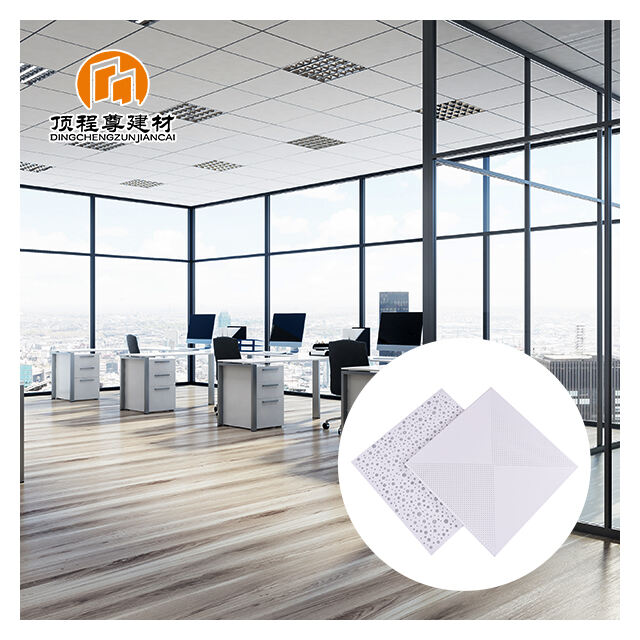
The architectural landscape of 2025 is witnessing unprecedented innovation in suspended ceiling design, with aluminum baffle ceiling systems leading the charge in transforming commercial and residential spaces. Modern designers are increasingly recognizing the potential of these versatile ceiling solutions to create dramatic visual impact while maintaining practical functionality. The evolution from traditional drop ceilings to sophisticated aluminum baffle ceiling configurations reflects broader trends toward minimalism, sustainability, and acoustic optimization. This transformation is particularly evident in contemporary office buildings, retail environments, and hospitality venues where ceiling design serves as both a functional necessity and an aesthetic statement. The integration of advanced materials and manufacturing techniques has elevated aluminum baffle ceiling systems from purely utilitarian installations to design focal points that complement modern architectural philosophies.
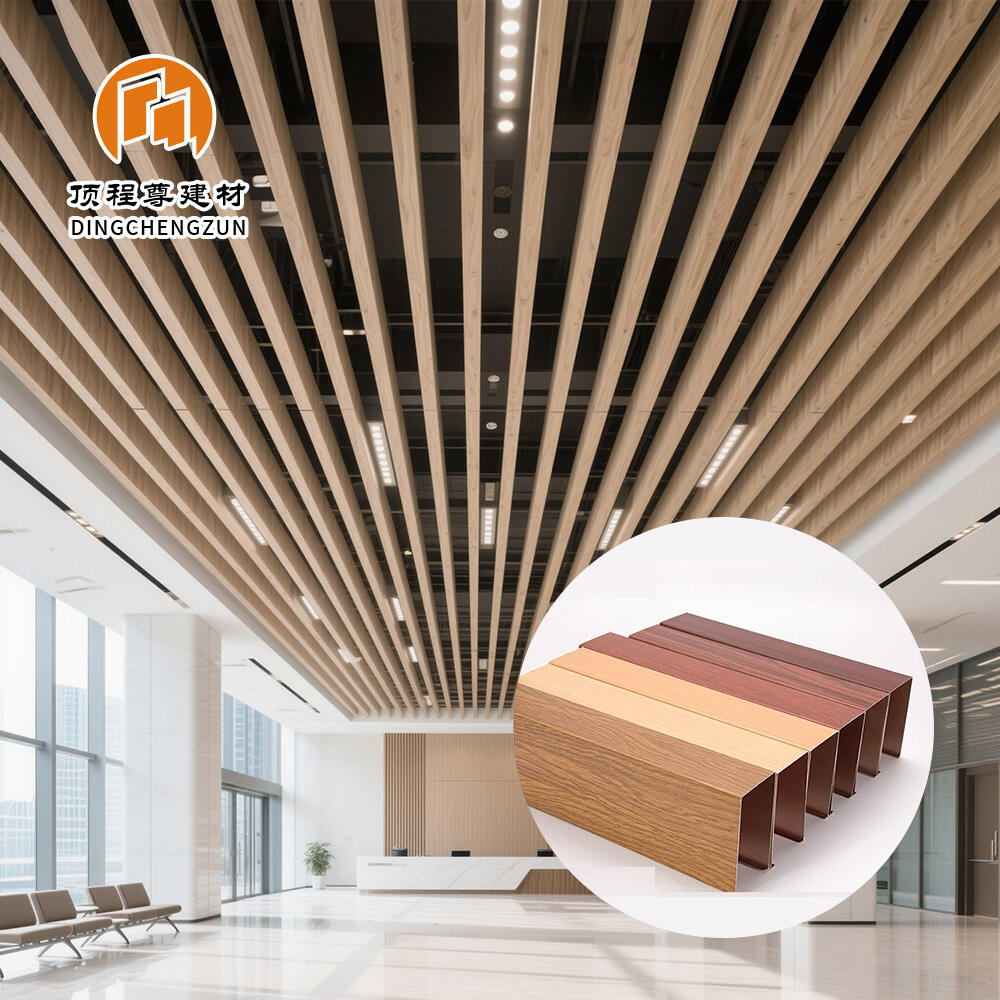
Minimalist Linear Aesthetics
Clean Geometric Patterns
Contemporary design sensibilities heavily favor clean, linear patterns that create visual continuity across expansive ceiling areas. Aluminum baffle ceiling installations are increasingly featuring uniform spacing and consistent blade depths to achieve seamless geometric harmony. This approach eliminates visual clutter while maintaining the practical benefits of improved airflow and accessibility to plenum spaces. Designers are strategically positioning baffle runs to complement architectural elements such as columns, beams, and lighting fixtures, creating cohesive design narratives that extend from floor to ceiling. The precision manufacturing capabilities of modern aluminum baffle ceiling systems enable architects to specify exact dimensions and spacing requirements that align perfectly with their geometric design intentions.
The trend toward geometric precision extends beyond simple parallel arrangements to include more sophisticated patterns such as alternating blade heights and strategic directional changes. These design variations create subtle visual interest without compromising the overall minimalist aesthetic that defines contemporary commercial architecture. Advanced installation techniques allow for seamless transitions between different baffle orientations, enabling designers to create dynamic ceiling planes that respond to specific spatial requirements while maintaining design coherence.
Monochromatic Color Schemes
The minimalist movement in ceiling design strongly emphasizes monochromatic color palettes that enhance rather than compete with other architectural elements. White and various gray tones dominate aluminum baffle ceiling specifications, providing neutral backdrops that allow lighting design and furniture selections to take center stage. This color restraint creates opportunities for designers to introduce accent colors through strategic lighting or decorative elements while maintaining overall visual harmony. The powder coating options available for aluminum baffle ceiling systems have expanded significantly, offering designers access to sophisticated color matching capabilities that ensure perfect coordination with existing design schemes.
Recent innovations in surface treatments have introduced subtle texture variations that add depth to monochromatic schemes without introducing color complexity. These refined surface options allow aluminum baffle ceiling installations to contribute tactile interest while maintaining the visual simplicity that characterizes contemporary minimalist design approaches. The interplay between light and these textured surfaces creates dynamic visual effects that change throughout the day as natural lighting conditions shift.
Sustainable Material Integration
Recycled Content Requirements
Environmental consciousness is driving significant changes in material specifications for suspended ceiling systems, with aluminum baffle ceiling products increasingly featuring high percentages of recycled aluminum content. Leading manufacturers are responding to green building certification requirements by developing products that contain 70% or more post-consumer recycled aluminum without compromising structural integrity or aesthetic quality. This sustainability focus aligns with broader industry trends toward circular economy principles and reduced environmental impact throughout building lifecycles. The durability characteristics of aluminum make it an ideal material for sustainable ceiling applications, as properly installed systems can function effectively for decades while maintaining their appearance and performance characteristics.
Certification programs such as LEED and BREEAM are placing increased emphasis on material sustainability metrics, creating market demand for aluminum baffle ceiling systems that contribute to overall building sustainability scores. Manufacturers are investing in supply chain transparency initiatives that allow designers to trace material sources and verify recycled content claims. This traceability becomes increasingly important as clients seek to demonstrate their environmental commitments through documented sustainable design choices.
Energy Efficiency Optimization
The integration of aluminum baffle ceiling systems with building energy management strategies represents a growing trend that combines aesthetic appeal with functional performance. Strategic baffle placement can significantly impact HVAC efficiency by directing airflow patterns and reducing energy consumption required for climate control. The thermal properties of aluminum enable these ceiling systems to contribute to overall building thermal management while providing the visual benefits that make them attractive to designers and clients alike. Advanced modeling software allows engineers to optimize baffle spacing and orientation for maximum energy efficiency while maintaining desired aesthetic outcomes.
Smart building integration capabilities are becoming standard features in premium aluminum baffle ceiling installations, with embedded sensors monitoring temperature, humidity, and air quality parameters. This data integration enables building management systems to make real-time adjustments to HVAC operations based on actual conditions detected at the ceiling level. The combination of functional performance monitoring with attractive design creates compelling value propositions for clients investing in modern building infrastructure.
Acoustic Performance Enhancement
Sound Absorption Technologies
Modern work environments demand sophisticated acoustic solutions that address noise control without sacrificing design flexibility, making acoustic performance a critical consideration in aluminum baffle ceiling specifications. Advanced manufacturing techniques now enable the integration of sound-absorbing materials directly into baffle profiles, creating systems that provide excellent acoustic performance while maintaining the clean aesthetic lines that characterize contemporary design. These integrated solutions eliminate the need for separate acoustic treatments, simplifying installation while achieving superior noise reduction results. The perforated patterns available in aluminum baffle ceiling products can be optimized for specific acoustic requirements while maintaining visual appeal.
Computational acoustic modeling allows designers to predict and optimize the sound performance of different baffle configurations before installation, ensuring that specified systems will achieve desired acoustic outcomes. The ability to customize perforation patterns, blade spacing, and backing materials creates opportunities for fine-tuning acoustic performance to match specific application requirements. This precision approach to acoustic design represents a significant advancement over traditional suspended ceiling systems that offered limited acoustic customization options.
Multi-Zone Acoustic Control
Contemporary open-plan office designs require sophisticated acoustic zoning strategies that aluminum baffle ceiling systems can effectively support through strategic design variations. Different areas within large commercial spaces often have distinct acoustic requirements, from collaborative zones that benefit from moderate sound reflection to quiet work areas that require maximum sound absorption. Variable baffle configurations enable designers to create acoustic transitions between different functional zones while maintaining visual continuity across the entire ceiling plane. This approach provides both functional performance benefits and cost efficiencies compared to installing multiple separate ceiling systems.
The modular nature of aluminum baffle ceiling systems facilitates future acoustic modifications as workplace requirements evolve, providing long-term value and adaptability. Organizations can modify acoustic characteristics by changing individual baffle elements or adding supplementary acoustic treatments without requiring complete ceiling replacement. This flexibility makes aluminum baffle ceiling installations attractive investments for clients who anticipate changing space utilization patterns over time.
Lighting Integration Innovations
LED Strip Integration
The convergence of LED lighting technology with aluminum baffle ceiling design is creating new possibilities for integrated lighting solutions that eliminate the visual clutter of separate fixture installations. Linear LED strips can be precisely positioned within baffle profiles to provide uniform illumination while maintaining the clean aesthetic lines that define modern ceiling design. This integration approach reduces installation complexity while achieving superior lighting performance compared to traditional suspended ceiling and separate fixture combinations. Advanced LED drivers and controls enable sophisticated lighting effects including color temperature adjustment and dynamic dimming capabilities.
Thermal management considerations for integrated LED systems benefit significantly from the heat dissipation properties of aluminum baffle ceiling structures, extending LED lifespan while maintaining consistent light output. The structural characteristics of aluminum baffles provide excellent platforms for heat sinking applications that keep LED components within optimal operating temperature ranges. This thermal synergy between aluminum baffle ceiling systems and LED technology creates reliable, long-lasting integrated lighting solutions that reduce maintenance requirements compared to conventional approaches.
Smart Lighting Controls
Building automation integration capabilities built into aluminum baffle ceiling systems enable sophisticated lighting control strategies that respond to occupancy patterns, daylight availability, and energy management objectives. Embedded sensors within baffle structures can detect motion, ambient light levels, and even air quality parameters to optimize lighting performance automatically. These smart capabilities transform static ceiling installations into dynamic building systems that contribute actively to occupant comfort and energy efficiency. The distributed nature of baffle ceiling installations provides ideal platforms for deploying sensor networks that create detailed environmental monitoring capabilities.
Wireless communication protocols integrated into aluminum baffle ceiling lighting systems enable seamless integration with broader building management platforms while eliminating the wiring complexity associated with traditional lighting control installations. This connectivity enables remote monitoring and adjustment capabilities that support predictive maintenance strategies and optimize energy consumption patterns. The combination of integrated lighting and communication capabilities positions aluminum baffle ceiling systems as key components in intelligent building infrastructure.
Customization and Personalization
Modular Design Flexibility
The modular architecture of contemporary aluminum baffle ceiling systems provides unprecedented opportunities for customization that allows designers to create unique ceiling treatments tailored to specific project requirements. Individual baffle elements can be manufactured in virtually any length, with custom profiles and finishes that align perfectly with design intentions. This customization capability extends beyond basic dimensional variations to include complex geometric forms, specialized mounting systems, and integrated functional elements such as HVAC diffusers or speaker grilles. The manufacturing flexibility available in aluminum baffle ceiling production enables architects to realize ambitious design concepts that would be impossible with standard ceiling products.
Advanced parametric design tools allow architects to visualize and modify aluminum baffle ceiling configurations throughout the design development process, ensuring that final specifications perfectly match intended outcomes. These digital design workflows enable rapid iteration and optimization of ceiling designs while maintaining coordination with other building systems. The ability to produce accurate renderings and technical drawings directly from parametric models streamlines the specification and approval process while reducing the potential for coordination errors during construction.
Brand Identity Integration
Corporate clients are increasingly seeking opportunities to integrate brand identity elements into their built environments, creating demand for aluminum baffle ceiling systems that can incorporate custom colors, patterns, or even subtle branding elements. Powder coating capabilities enable precise color matching to corporate brand standards, while advanced manufacturing techniques allow for the creation of custom perforation patterns or surface textures that reflect brand characteristics. This personalization capability transforms functional ceiling systems into branded architectural elements that reinforce corporate identity throughout commercial spaces.
The durability characteristics of aluminum baffle ceiling systems ensure that branded design elements maintain their appearance throughout extended service lives, protecting brand investment while providing long-term functional performance. Custom design elements integrated into ceiling systems create memorable spatial experiences that differentiate corporate environments while demonstrating commitment to design quality and attention to detail. This approach to brand integration through architectural elements represents a sophisticated evolution beyond traditional signage or graphic applications.
Installation and Maintenance Efficiency
Rapid Installation Systems
Modern construction schedules demand ceiling systems that install quickly without compromising quality or long-term performance, driving innovation in aluminum baffle ceiling mounting and support systems. Pre-engineered suspension systems eliminate field measurement and cutting requirements, enabling installation teams to achieve consistent results efficiently. Standardized connection methods and precisely manufactured components reduce installation time while ensuring proper alignment and secure attachment. These efficiency improvements benefit both contractors and building owners by reducing labor costs and accelerating project completion schedules.
Quality control measures integrated into aluminum baffle ceiling manufacturing processes ensure that components arrive at job sites ready for immediate installation without additional preparation or modification. Packaging systems protect individual baffle elements during transportation while organizing components for efficient installation sequencing. The combination of manufacturing precision and installation efficiency makes aluminum baffle ceiling systems attractive choices for projects with aggressive completion schedules or complex coordination requirements.
Long-Term Durability
The inherent corrosion resistance of aluminum combined with advanced surface treatments creates aluminum baffle ceiling systems that maintain their appearance and functionality for decades with minimal maintenance requirements. Unlike steel-based ceiling systems that may require periodic repainting or replacement due to corrosion, aluminum installations preserve their original finish quality throughout extended service periods. This durability characteristic provides significant lifecycle cost advantages while ensuring consistent aesthetic appeal over time. The dimensional stability of aluminum prevents the warping or sagging that can affect other ceiling materials in varying environmental conditions.
Maintenance procedures for aluminum baffle ceiling systems typically involve only periodic cleaning with standard commercial cleaning products, eliminating the specialized maintenance requirements associated with more complex ceiling systems. Individual baffle elements can be easily removed and reinstalled for access to plenum spaces without affecting adjacent components, facilitating building system maintenance while preserving ceiling appearance. This maintenance accessibility makes aluminum baffle ceiling installations practical choices for buildings with extensive mechanical, electrical, or data infrastructure located above finished ceilings.
FAQ
What makes aluminum baffle ceilings suitable for modern commercial spaces
Aluminum baffle ceiling systems excel in commercial applications due to their combination of aesthetic versatility, functional performance, and long-term durability. The clean linear appearance complements contemporary architectural styles while providing practical benefits including acoustic control, lighting integration capabilities, and easy access to above-ceiling building systems. The corrosion resistance and dimensional stability of aluminum ensure consistent performance and appearance throughout extended service periods, making these systems cost-effective investments for commercial property owners. Advanced manufacturing capabilities enable customization options that allow designers to create unique ceiling treatments that align with specific brand or design requirements.
How do aluminum baffle ceilings contribute to sustainable building design
Sustainability benefits of aluminum baffle ceiling systems include high recycled content, recyclability at end of service life, and energy efficiency contributions through optimized airflow management and integrated lighting capabilities. Many aluminum baffle ceiling products contain 70% or more recycled aluminum content while maintaining full structural and aesthetic performance, supporting green building certification requirements. The durability characteristics of aluminum eliminate the need for periodic replacement or refinishing, reducing lifecycle environmental impact compared to ceiling systems requiring regular maintenance or replacement. Integration capabilities with smart building systems enable energy optimization strategies that contribute to overall building efficiency performance.
What customization options are available for aluminum baffle ceiling systems
Customization possibilities for aluminum baffle ceiling installations include dimensional variations, custom profiles, specialized finishes, integrated functional elements, and unique geometric arrangements. Baffle lengths, widths, and depths can be specified to match exact project requirements, while custom extrusion capabilities enable unique profile shapes that create distinctive visual effects. Powder coating options provide unlimited color matching possibilities, including metallic finishes, textured surfaces, and even custom perforation patterns. Advanced manufacturing techniques allow integration of HVAC elements, lighting systems, acoustic treatments, and even subtle branding elements directly into baffle structures.
How do aluminum baffle ceilings compare to traditional suspended ceiling systems
Aluminum baffle ceiling systems offer superior aesthetic appeal, greater design flexibility, and enhanced durability compared to traditional suspended ceiling tiles or grid systems. The linear design creates more sophisticated visual effects while providing equivalent or superior acoustic performance through integrated sound-absorbing materials and optimized geometric configurations. Installation and maintenance advantages include easier access to plenum spaces, reduced susceptibility to damage, and elimination of periodic tile replacement requirements. While initial costs may be higher than basic suspended ceiling systems, the combination of improved appearance, reduced maintenance, and longer service life typically provides favorable lifecycle cost comparisons for quality-conscious projects.
Table of Contents
- Minimalist Linear Aesthetics
- Sustainable Material Integration
- Acoustic Performance Enhancement
- Lighting Integration Innovations
- Customization and Personalization
- Installation and Maintenance Efficiency
-
FAQ
- What makes aluminum baffle ceilings suitable for modern commercial spaces
- How do aluminum baffle ceilings contribute to sustainable building design
- What customization options are available for aluminum baffle ceiling systems
- How do aluminum baffle ceilings compare to traditional suspended ceiling systems