 EN
EN


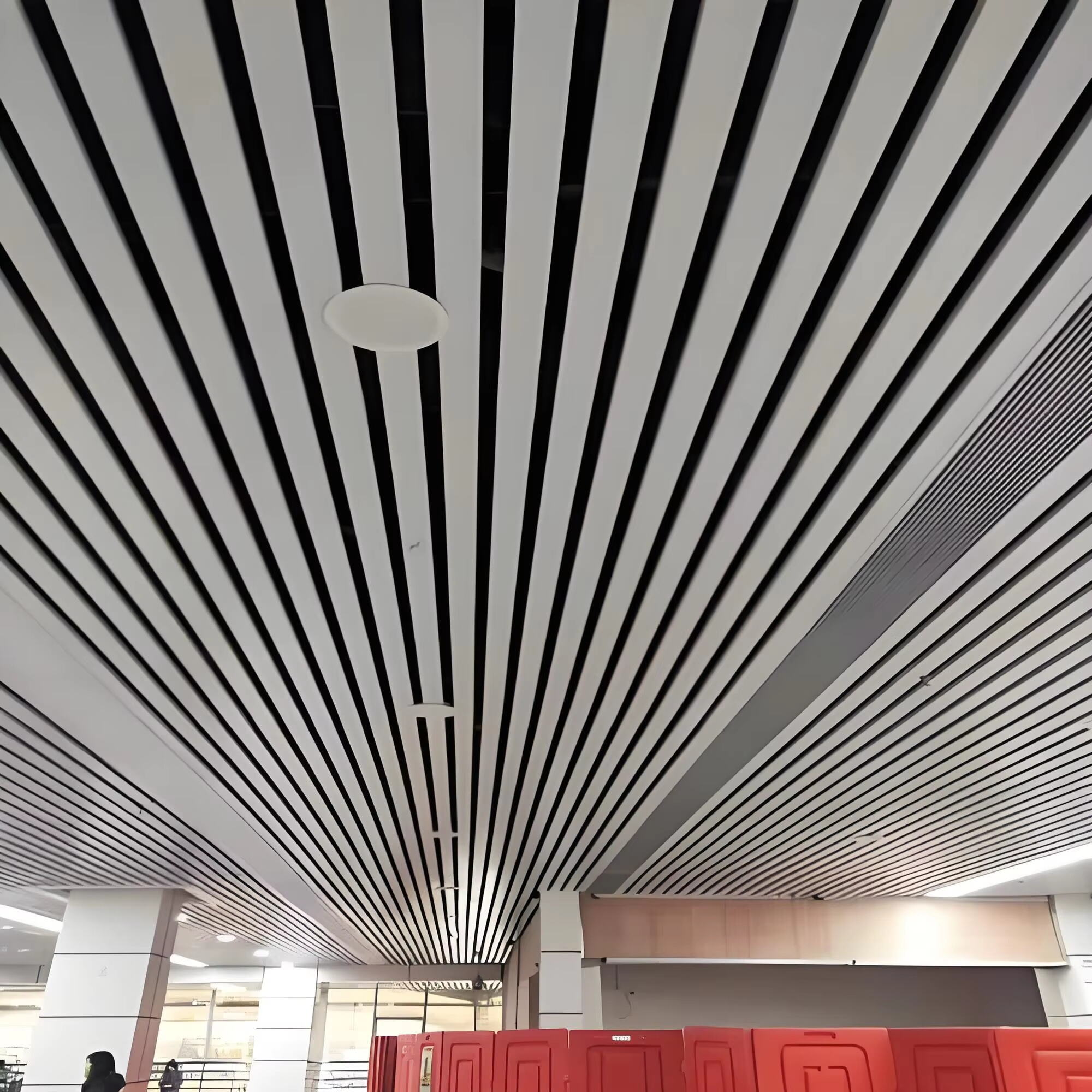
Modern architectural design increasingly prioritizes both aesthetic appeal and functional performance, particularly when it comes to air circulation and ventilation systems. The metal open grid ceiling has emerged as a revolutionary solution that seamlessly combines visual sophistication with superior airflow management capabilities. This innovative ceiling system represents a significant advancement in commercial and industrial space design, offering unparalleled benefits for air circulation while maintaining structural integrity and design flexibility. Understanding how these systems work and their impact on indoor air quality can help architects, contractors, and building owners make informed decisions about their ceiling installations.
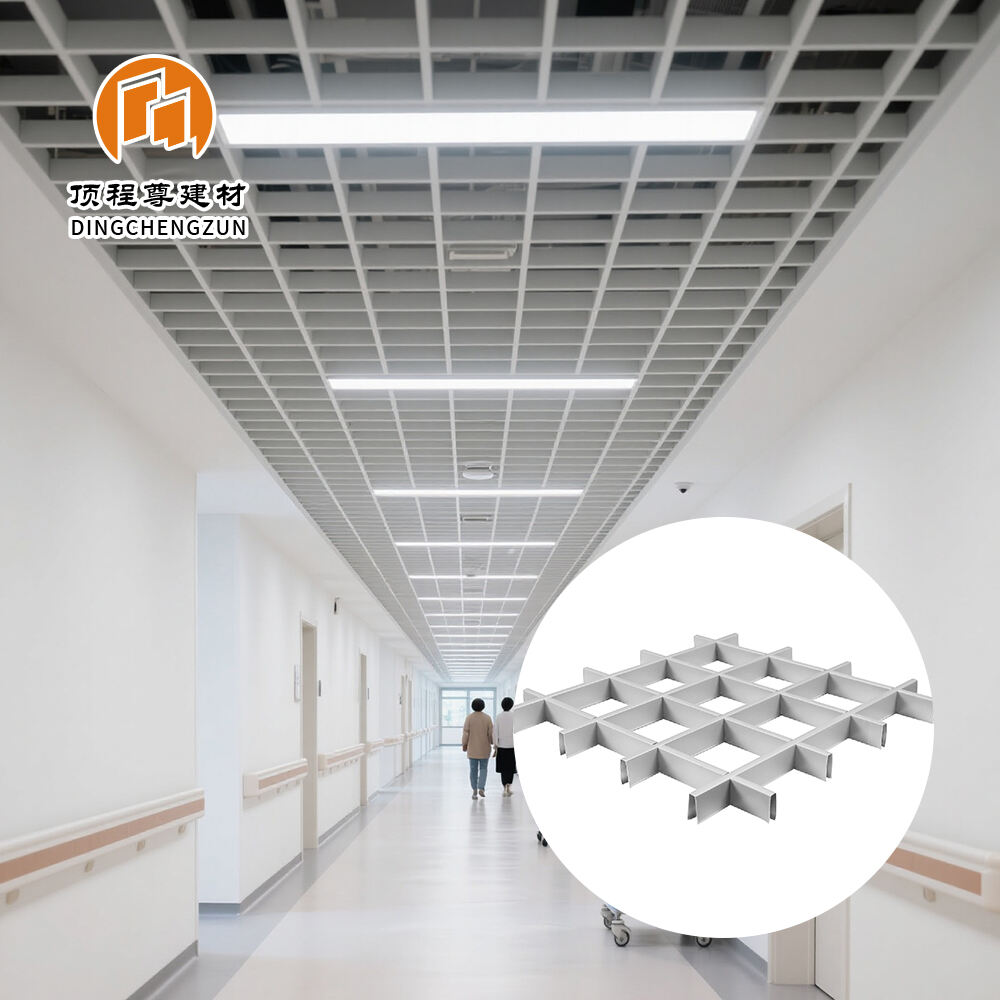
Understanding Metal Open Grid Ceiling Systems
Construction and Material Composition
The metal open grid ceiling consists of precisely engineered aluminum or steel components arranged in a geometric pattern that creates numerous openings throughout the ceiling surface. These openings are strategically designed to maximize air circulation while providing structural support for the ceiling system. The grid pattern typically features square, rectangular, or diamond-shaped apertures that allow unrestricted airflow between the ceiling plenum and the occupied space below. High-quality aluminum alloys are commonly used due to their corrosion resistance, lightweight properties, and excellent thermal conductivity characteristics.
Manufacturing processes for metal open grid ceiling systems involve precision cutting, forming, and finishing techniques that ensure consistent dimensions and smooth edges. The grid components are typically powder-coated or anodized to provide long-lasting protection against environmental factors while maintaining their aesthetic appeal. This construction method results in a durable ceiling system that can withstand temperature fluctuations, humidity changes, and mechanical stress without compromising its air circulation capabilities.
Geometric Design Principles
The geometric configuration of a metal open grid ceiling directly influences its air circulation performance and visual impact. Engineers calculate the optimal opening sizes and spacing to achieve maximum airflow efficiency while ensuring adequate structural support. The open area ratio, which represents the percentage of open space relative to solid material, typically ranges from 40% to 70% depending on the specific application requirements. This high open area percentage allows for exceptional air movement throughout the space.
Design flexibility enables customization of grid patterns to accommodate specific architectural requirements and HVAC system configurations. The modular nature of metal open grid ceiling systems allows for easy integration with lighting fixtures, sprinkler systems, and other building services without compromising air circulation performance. This adaptability makes these ceiling systems suitable for various commercial, industrial, and institutional applications where air quality and ventilation are critical considerations.
Air Circulation Enhancement Mechanisms
Natural Convection Optimization
Metal open grid ceiling systems excel at facilitating natural convection currents that promote continuous air circulation throughout interior spaces. The open grid configuration eliminates barriers that typically impede vertical air movement, allowing warm air to rise naturally through the ceiling openings into the plenum space above. This natural thermal buoyancy effect creates a continuous circulation pattern that helps maintain consistent temperature distribution and air quality throughout the occupied zone.
The thermal mass of the metal open grid ceiling also contributes to temperature regulation by absorbing and releasing heat energy as ambient conditions change. This thermal buffering effect helps stabilize indoor temperatures and reduces the workload on mechanical HVAC systems. The result is improved energy efficiency and enhanced occupant comfort through more consistent environmental conditions.
Mechanical Ventilation Integration
When combined with mechanical ventilation systems, metal open grid ceiling installations provide superior air distribution compared to traditional solid ceiling configurations. The numerous openings throughout the ceiling surface create multiple pathways for conditioned air to enter the occupied space, resulting in more uniform temperature and humidity control. This enhanced distribution capability reduces the formation of stagnant air pockets and hot spots that commonly occur with conventional ceiling systems.
The integration of supply and return air systems with metal open grid ceiling designs enables more efficient air handling and filtration. Fresh air can be introduced through the ceiling plenum and distributed evenly through the grid openings, while contaminated air is simultaneously extracted through the same pathways. This balanced air exchange mechanism significantly improves indoor air quality and helps maintain compliance with building ventilation standards and regulations.
Performance Benefits and Applications
Energy Efficiency Advantages
The superior air circulation capabilities of metal open grid ceiling systems translate directly into significant energy savings for building operations. Enhanced natural ventilation reduces the reliance on mechanical heating and cooling systems, particularly during moderate weather conditions when outdoor air temperatures are suitable for passive climate control. The improved air mixing achieved through the open grid design also allows HVAC systems to operate more efficiently by eliminating temperature stratification and dead air zones.
Studies have demonstrated that buildings equipped with metal open grid ceiling systems can achieve energy consumption reductions of 15% to 25% compared to facilities using traditional solid ceiling configurations. These savings result from reduced fan energy requirements, lower heating and cooling loads, and improved heat transfer efficiency. The long-term operational cost benefits often justify the initial investment in high-quality metal open grid ceiling installations.
Indoor Air Quality Improvements
The enhanced air circulation provided by metal open grid ceiling systems significantly improves indoor air quality by promoting better ventilation and contaminant removal. The continuous air movement prevents the accumulation of airborne pollutants, allergens, and moisture that can lead to indoor air quality problems and occupant health issues. The open ceiling design facilitates rapid air exchange rates that help dilute and remove contaminants before they can reach problematic concentration levels.
Industrial facilities, laboratories, and healthcare environments particularly benefit from the superior air circulation characteristics of metal open grid ceiling systems. These applications require stringent air quality control to ensure worker safety, process reliability, and infection control. The ability to integrate specialized filtration systems and maintain consistent air movement patterns makes metal open grid ceiling installations ideal for critical environments where air quality cannot be compromised.
Installation and Maintenance Considerations
Installation Best Practices
Proper installation of metal open grid ceiling systems requires careful attention to structural support, alignment, and integration with building services. Professional contractors must ensure that the supporting framework can accommodate the distributed loads while maintaining the precise geometric relationships necessary for optimal air circulation performance. The installation process typically involves mounting perimeter supports, installing primary and secondary grid members, and coordinating with HVAC, electrical, and fire protection system installations.
Quality installation practices include verifying dimensional accuracy, ensuring proper joint connections, and conducting comprehensive testing of air circulation patterns upon completion. The modular design of metal open grid ceiling systems facilitates relatively straightforward installation procedures, but attention to detail remains critical for achieving the intended performance benefits. Proper installation documentation and system commissioning help ensure long-term reliability and performance optimization.
Maintenance Requirements and Longevity
Metal open grid ceiling systems require minimal maintenance due to their robust construction and corrosion-resistant finishes. Regular cleaning of the grid surfaces helps maintain optimal air circulation by preventing the accumulation of dust and debris that could partially obstruct the openings. The accessible design of these ceiling systems facilitates easy inspection and cleaning of both the visible surfaces and the plenum space above.
The durability of high-quality metal open grid ceiling installations ensures decades of reliable performance with minimal intervention. Periodic inspections should focus on verifying structural integrity, checking for any damage or corrosion, and ensuring that building services integrated with the ceiling system continue to function properly. The long service life and low maintenance requirements contribute to the overall economic value proposition of metal open grid ceiling systems.
Comparative Analysis with Traditional Ceiling Systems
Performance Metrics Comparison
When evaluating metal open grid ceiling systems against traditional solid ceiling configurations, several key performance metrics demonstrate clear advantages for air circulation applications. Airflow resistance measurements show that metal open grid ceiling systems provide significantly lower pressure drops compared to solid ceilings with discrete air diffusers. This reduced resistance allows for more efficient air movement and enables HVAC systems to achieve desired ventilation rates with lower energy consumption.
Temperature uniformity assessments consistently show that spaces equipped with metal open grid ceiling systems maintain more consistent temperature distributions both horizontally and vertically. The elimination of air circulation barriers allows for better thermal mixing and reduces the temperature gradients that commonly occur with conventional ceiling systems. These performance improvements translate into enhanced occupant comfort and reduced energy consumption for space conditioning.
Cost-Benefit Analysis
While the initial cost of metal open grid ceiling systems may be higher than basic suspended ceiling configurations, the long-term benefits justify the investment through energy savings, reduced maintenance requirements, and improved building performance. The enhanced air circulation capabilities can reduce HVAC system sizing requirements, leading to capital cost savings for mechanical equipment. Additionally, the improved energy efficiency provides ongoing operational cost reductions throughout the building's service life.
The aesthetic appeal and design flexibility of metal open grid ceiling systems also contribute to property value enhancement and tenant satisfaction in commercial applications. The modern, industrial appearance of these ceiling systems has become increasingly popular in contemporary architectural design, making them an attractive option for renovation and new construction projects. The combination of functional performance and visual appeal provides compelling value proposition for property owners and developers.
FAQ
What types of spaces benefit most from metal open grid ceiling systems?
Metal open grid ceiling systems are particularly beneficial in spaces that require superior air circulation, such as manufacturing facilities, warehouses, retail stores, restaurants, and office buildings with high occupancy densities. These systems excel in environments where air quality, temperature control, and energy efficiency are priorities. Industrial applications, laboratories, and healthcare facilities also benefit significantly from the enhanced ventilation capabilities that metal open grid ceiling systems provide.
How do metal open grid ceiling systems compare to traditional HVAC diffuser arrangements?
Metal open grid ceiling systems provide more uniform air distribution compared to traditional point-source diffusers by creating numerous pathways for air movement throughout the ceiling surface. This distributed approach eliminates the hot and cold spots commonly associated with discrete diffuser locations while reducing the pressure requirements for air delivery. The result is more consistent comfort conditions and improved energy efficiency compared to conventional HVAC distribution methods.
Are there any limitations or drawbacks to using metal open grid ceiling systems?
The primary considerations when selecting metal open grid ceiling systems include acoustic performance, as the open design may not provide the same sound absorption as traditional ceiling tiles. Additionally, the exposed plenum space requires careful attention to the appearance of mechanical systems and ductwork above the ceiling. In some applications, the industrial aesthetic may not align with desired design themes, and dust accumulation in the plenum space may require more frequent cleaning attention.
What maintenance is required to ensure optimal air circulation performance?
Maintaining optimal air circulation performance in metal open grid ceiling systems primarily involves regular cleaning to prevent dust and debris accumulation that could obstruct the grid openings. Quarterly visual inspections should check for any damaged or displaced grid components, while annual comprehensive assessments should verify structural integrity and air circulation patterns. The low-maintenance design of quality metal open grid ceiling systems typically requires minimal intervention to maintain peak performance levels throughout their service life.
Table of Contents
- Understanding Metal Open Grid Ceiling Systems
- Air Circulation Enhancement Mechanisms
- Performance Benefits and Applications
- Installation and Maintenance Considerations
- Comparative Analysis with Traditional Ceiling Systems
-
FAQ
- What types of spaces benefit most from metal open grid ceiling systems?
- How do metal open grid ceiling systems compare to traditional HVAC diffuser arrangements?
- Are there any limitations or drawbacks to using metal open grid ceiling systems?
- What maintenance is required to ensure optimal air circulation performance?