 EN
EN


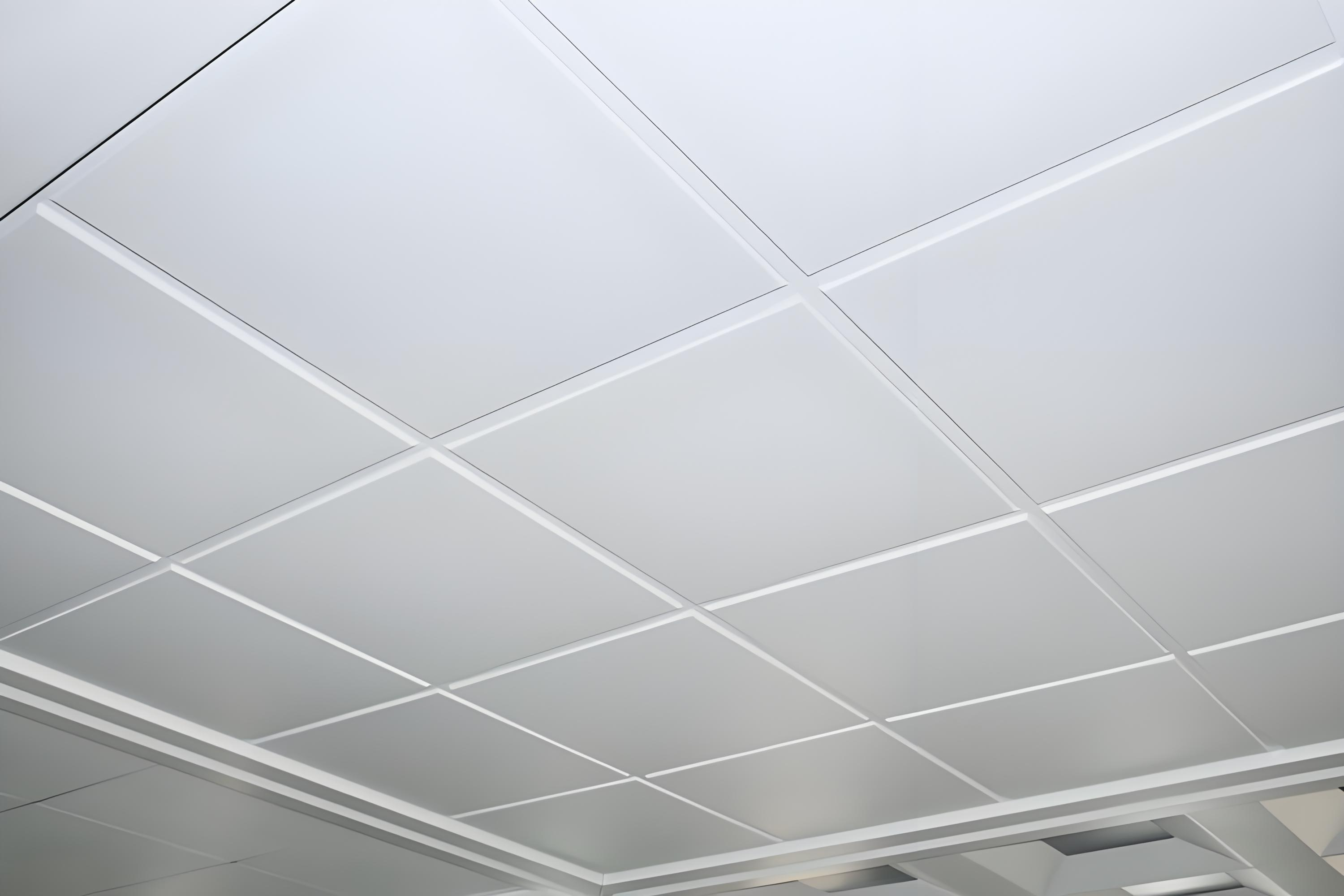
What are Drop Ceiling Tile?
Drop ceiling tiles, also known as suspended ceiling tiles, are installed below the original ceiling, supported by a grid system. Commonly used in both residential and commercial spaces, they offer easy access to wiring, plumbing, and ductwork while also enhancing the room's aesthetic.
While various materials are available,aluminum drop ceiling tiles stand out for their durability, aesthetics, and ease of maintenance, making them a superior choice for many applications.
Why Choose Aluminum Drop Ceiling Tiles?
Aesthetics:
Aluminum tiles offer a sleek, modern look with finishes like polished, matte, and metallic, fitting various interior styles. Their reflective surface enhances lighting in a room by diffusing light.
Durability:
Aluminum tiles are resistant to moisture, mold, and corrosion, making them ideal for high-humidity areas such as kitchens and bathrooms. They last longer than other materials, maintaining their structural integrity even in high-traffic environments.
Low Maintenance:
These tiles are easy to clean with minimal upkeep required. Their smooth surface resists stains and odors, and they are less prone to mold growth, making them perfect for long-term use.
Eco-Friendly:
Aluminum is fully recyclable and has a low environmental impact, making it an eco-conscious choice for sustainable building practices.
Advantages of Aluminum Drop Ceiling Tiles
Durability and Strength
Aluminum drop ceiling tiles stand out for their exceptional durability and strength, particularly when compared to traditional materials like mineral fiber or PVC. Unlike mineral fiber tiles, which are prone to absorbing moisture and deteriorating over time, aluminum tiles are naturally resistant to moisture,mold, and corrosion, making them ideal for high-humidity environments like kitchens, bathrooms, and basements.
In terms of longevity, aluminum tiles hold up significantly better in high-traffic areas or harsh conditions. Whether installed in a busy office or a public building, aluminum tiles maintain their structural integrity and appearance for years, unlike other materials that may warp, crack, or discolor over time. This long-lasting nature makes aluminum tiles a cost-effective choice for both commercial and residential applications.
Aesthetic Appeal
One of the standout features of aluminum drop ceiling tiles is their aesthetic versatility. They come in a variety of finishes, including matte,glossy, and metallic, which means they can complement any design style, from modern and industrial to more traditional looks.
The ability to customize these tiles further adds to their appeal, offering options for perforated designs that can enhance acoustics or embossed patterns for visual interest. Aluminum tiles are ideal for both commercial spaces—like offices, retail stores, and hospitals—and residential settings, such as living rooms or kitchens, where both form and function are important. Their reflective surfaces also help in improving lighting in the room by diffusing natural or artificial light, which adds a sophisticated, bright touch to any space.
Lightweight and Easy to Handle
Another reason why aluminum tiles are preferred for both DIY projects and professional installations is their lightweight nature. Compared to heavier options like mineral fiber or gypsum, aluminum tiles are much easier to handle and install. This translates to a faster and more efficient installation process, saving both time and labor costs.
Their lightweight construction also minimizes the risk of damage during handling and transportation, ensuring that the tiles arrive at your site in excellent condition, without cracking or breaking. For contractors or DIY enthusiasts, this makes aluminum tiles a practical and hassle-free choice for ceiling installation.
Low Maintenance and Easy Cleaning
Aluminum ceiling tiles are designed for low maintenance and easy cleaning. Their scratch-resistant surfaces ensure that they will maintain their appearance over time, even in high-traffic commercial environments or active home spaces. Unlike other materials, aluminum tiles do not absorb stains or odors, which helps maintain their clean, pristine look for years.
Cleaning these tiles is straightforward—simply wipe them with a damp cloth to remove dust, dirt, or grime. There is no need for expensive cleaning solutions or harsh chemicals, making maintenance as easy as it gets. Additionally, aluminum’s natural resistance to discoloration and staining means these tiles will keep their aesthetic appeal intact, even in areas exposed to smoke, heat, or grease.
Ideal Applications for Aluminum Drop Ceiling Tiles
Commercial Spaces
Aluminum drop ceiling tiles are an excellent choice for commercial spaces, including offices,conference rooms,retail stores, and restaurants. Their aesthetic appeal and functional benefits make them a versatile option for a wide variety of environments.
In offices and conference rooms, aluminum tiles create a professional and modern look that enhances the brand image of businesses. The sleek, reflective surface of aluminum also contributes to improved lighting, making these spaces appear brighter and more open. Furthermore, aluminum tiles’ acoustic properties help reduce ambient noise, making them ideal for environments where clear communication is essential.
For retail stores and restaurants, aluminum tiles offer a high-end finish that can complement various interior designs, from contemporary to industrial. The reflective surface of the tiles also helps improve the lighting within the space, creating a more welcoming environment for customers. Additionally, the moisture resistance and ease of maintenance of aluminum tiles make them a practical choice for spaces that require regular cleaning and upkeep.
Industrial and High-Humidity Environments
Aluminum ceiling tiles are particularly well-suited for industrial environments and areas with high humidity, such asfactories,kitchens,bathrooms, and basements. One of the biggest advantages of aluminum tiles is their resistance to moisture, mold, and corrosion, which can be significant concerns in industrial and humid environments.
In factories, aluminum tiles stand up to the rigors of high traffic and potential exposure to chemicals, heat, and other industrial conditions. In kitchens and bathrooms, the moisture resistance of aluminum tiles ensures that they will not degrade or harbor mold and mildew, unlike other materials like mineral fiber. This long-term durability makes aluminum tiles a reliable option for areas prone to dampness, ensuring that the ceiling remains intact and clean over time.
Residential Use
Aluminum drop ceiling tiles are also highly effective in residential applications. They can enhance living spaces in areas such as kitchens,living rooms, and basements. Aluminum's clean and modern look adds a touch of elegance to homes, while its reflective surface helps distribute light evenly, making rooms feel brighter and more spacious.
In kitchens, where moisture and grease can quickly damage other ceiling materials, aluminum tiles are easy to cleanand maintain, offering a practical and stylish solution. In living rooms and basements, aluminum tiles not only provide aesthetic appeal but also help with acoustic performance, reducing noise and improving overall comfort.
Furthermore, aluminum tiles are durable and easy to maintain, making them an ideal choice for homeowners looking for a long-lasting, low-maintenance ceiling solution. Unlike traditional ceiling materials, aluminum does not absorb odors or stains, which makes it a practical and hygienic choice for residential use.
Large-Scale Projects
Aluminum ceiling tiles are well-suited for large-scale projects such as airports,hospitals, and shopping malls, where durability,aesthetics, and performanceare critical.
In airports, aluminum tiles offer a modern, professional look while also withstanding the heavy traffic and wear-and-tear of a high-volume environment. Aluminum’s resistance to moisture and corrosion makes it an ideal material for these high-traffic spaces, ensuring that the tiles maintain their appearance over time without degrading.
For hospitals, aluminum tiles contribute to a hygienicenvironment by being resistant to mold and bacteria, ensuring a clean and sterile atmosphere. The easy-to-clean surfaces of aluminum tiles make them perfect for healthcare facilities where sanitation is a top priority.
In shopping malls, aluminum tiles not only provide a visually appealing ceiling but also help improve acoustic performance, reducing the noise from large crowds. This makes the shopping experience more comfortable for customers, while the durability of aluminum ensures that the tiles can withstand the high demands of commercial spaces.
Acoustic Performance of Aluminum Drop Ceiling Tiles
Sound Control Benefits
One of the most significant advantages of aluminum drop ceiling tiles is their superior sound control capabilities, making them an excellent choice for spaces where managing ambient noise is a priority. These tiles contribute to creating a quieter, more comfortable environment by reducing echoes and absorbing unwanted sound.
Noise Reduction Coefficient (NRC) and Ceiling Attenuation Class (CAC) are key indicators used to evaluate the acoustic performance of ceiling tiles. Understanding these ratings helps customers assess how well a material will manage sound in their space:
- NRC (Noise Reduction Coefficient) measures the sound absorption capability of the material. Aluminum ceiling tiles typically have moderate to high NRC ratings, meaning they effectively absorb sound within a room, reducing echoes and improving speech clarity.
- CAC (Ceiling Attenuation Class) indicates the ability of a ceiling to block sound from traveling through to other spaces. Aluminum tiles, depending on the specific product, can achieve high CAC ratings, which is essential for environments where sound separation is important, such as multi-floor buildings or shared spaces.
For customers, these ratings translate to significant improvements in acoustic comfort, minimizing distractions from background noise. Whether it's a conference room, a hospital, or an office, aluminum tiles enhance sound quality, ensuring a better listening and working experience.
Perfect for High-Traffic Areas
Aluminum ceiling tiles excel in high-traffic areas where controlling noise is particularly challenging. In commercial settings such as offices,retail environments, and public spaces, managing sound is crucial for both productivity and comfort.
In open-plan offices, aluminum tiles help reduce the noise created by phone calls, conversations, and office equipment, creating a quieter and more focused working environment. With the ability to manage sound transmission and reverberation, aluminum tiles make meetings more effective and reduce distractions, improving overall workplace productivity.
In retail stores and restaurants, aluminum ceiling tiles contribute to a more pleasant and comfortable atmosphere for customers. The tiles absorb noise from customers, staff, and equipment, preventing the space from becoming too loud or overwhelming. By improving acoustic performance, they help customers communicate more easily and enjoy a more peaceful shopping or dining experience.
Aluminum tiles’ ability to absorb and control sound makes them a highly effective solution for busy commercial settings, ensuring that acoustic conditions are optimized for both work and leisure. Their durability, combined with acoustic benefits, makes them an ideal choice for high-traffic spaces.
Environmental and Sustainability Benefits
Eco-Friendly Features of Aluminum
Aluminum is one of the most eco-friendly building materials available today. Its recyclability is one of its standout features, as it can be recycled indefinitely without losing its quality. This means that instead of relying on new raw materials, aluminum can be continually reused, helping to reduce waste and lower environmental impact.
Compared to other common materials used in ceiling systems, such as PVCormineral fiber, aluminum has a much lower environmental footprint. For example,PVCis challenging to recycle and can release harmful chemicals when disposed of, while aluminum is easily recycled and can be used again in new products.Recycling aluminum saves significant energy and reduces carbon emissions, making it a more sustainable option for the environment.
Additionally, aluminum is lightweight yet durable, requiring less energy for transportation and reducing the overall environmental cost. As a building material, aluminum’s long-term sustainability is evident, as it does not degrade over time, unlike other materials that may require frequent replacement.
Low Carbon Footprint
When compared to other ceiling materials like mineral fiber or gypsum, aluminum has a relatively low carbon footprint during production. Producing aluminum from raw materials, while energy-intensive, still results in lower emissions than other common ceiling materials, especially when recycling aluminum is considered.
A key benefit of using recycled aluminum is that it uses up to 95% less energy than producing new aluminum from bauxite. This massive reduction in energy usage results in a significant decrease in carbon emissions. This makes aluminum not only an environmentally friendly choice for ceiling tiles but also an energy-efficient one in the long run.
Furthermore, using sustainable, recycled aluminum contributes to a circular economy. Instead of extracting new raw materials, aluminum is continuously reused, significantly reducing the demand for mining and lowering the environmental impact of material production. This process helps reduce waste and resource depletion, supporting a more sustainable future.
Choosing the Right Aluminum Ceiling Tile for Your Space
Material Options for Aluminum Ceiling Tiles
When selecting the right aluminum ceiling tiles for your space, it's important to understand the various material options and finishes available. Aluminum tiles come in a range of finishes, each offering different aesthetic qualities and functional benefits.
- Anodized Finishes:
Anodizing is an electrochemical process that creates a durable, corrosion-resistant layer on the surface of aluminum. Anodized aluminum tiles are available in a variety ofmetallic colorsand have a sleek, modern look. This finish enhances both the durability and aesthetic appeal of aluminum, making it ideal for high-end commercial or residential spaces. - Powder-Coated Finishes:
Powder coating involves applying a dry powder to the surface of aluminum and then curing it under heat. This finish offers a wide range of colors, a smooth texture, and enhanced resistance to scratches and chemical exposure. It is an excellent option for spaces that require a more durable, long-lasting finish while still providing aesthetic versatility. - Embossed Finishes:
Aluminum tiles with embossed patterns add texture and visual interest to the ceiling. These tiles are available in various patterns that can complement the design style of any space, from contemporary to traditional. The embossed texture can also help with sound absorption in certain environments, adding both a functional and decorative element to the room.
In addition to these finishes, aluminum ceiling tiles are highly customizable. Customers can choose from a variety of colors,sizes, and designs, allowing you to tailor the tiles to fit the unique requirements of your space. Customization is particularly useful for creating a cohesive interior design or fulfilling specific functional needs.
Factors to Consider for Different Environments
Choosing the right aluminum ceiling tile also depends on the specific needs of your environment. Here are some key factors to consider:
-
Matching the Tile Finish with Interior Design:
The ceiling can be a key design element in any room, so it's important to match the tile finish with your overall interior design. For example, in modern office spaces or restaurants,anodized aluminum tiles with a glossy finish can provide a sleek, contemporary look. In more rustic or traditional settings,powder-coated or embossed tilesmay be a better fit, adding texture and character to the ceiling while still offering the durability of aluminum. -
Acoustic Needs:
If noise reduction is a priority in your space, such as in conference rooms,classrooms, or open-plan offices, you’ll want to choose aluminum tiles with good acoustic properties. Aluminum tiles with perforated or embossed finishes often have higher sound absorption rates, which help reduce echo and improve the overall acoustic environment. -
Fire Resistance:
For environments where fire resistance is crucial, such as hospitals,schools, or commercial kitchens, it’s important to select aluminum ceiling tiles that meet fire safety regulations. Many aluminum tiles are naturally fire-resistant or can be treated to meet certain fire safety standards (such as ASTM or ULcertifications). Always check the product specifications to ensure they meet the necessary fire resistance ratings. -
Aesthetic Needs:
Aesthetics play a significant role in spaces like retail stores,lobbies, or restaurants, where creating an appealing atmosphere is essential. Aluminum tiles can be customized to fit various themes or interior designs, from minimalist to extravagant, making them a versatile option for any aesthetic preference.
Cost and Budget Considerations
While aluminum ceiling tiles offer long-term value, it’s important to consider the cost in relation to other drop ceiling materials. Here’s a breakdown of cost considerations:
- Price Comparison with Other Materials:
In comparison to materials like mineral fiberorPVC, aluminum ceiling tiles tend to have a higher upfront cost. However, this initial investment is often offset by the tiles'long lifespanandlow maintenance requirements. For example, while PVC tiles might be cheaper initially, they may require more frequent replacement or cleaning, whereas aluminum tiles can maintain their appearance and functionality for many years. - Long-Term Cost-Effectiveness:
Aluminum tiles are a cost-effective solution in the long run due to their durability and low maintenance. Unlike other materials that may need repairs, cleaning, or replacement, aluminum tiles are highly resistant to damage and require minimal upkeep. They don’t stain, discolor, or degrade over time, which means you can save on maintenance and replacement costs in the future.
Installation and Support
Aluminum ceiling tiles are relatively easy to install, especially when compared to heavier materials like gypsum board. However, there are a few factors to consider when it comes to installation and support:
-
Ease of Installation:
Aluminum tiles are lightweight and come in standardized sizes, making them easier to handle and install. Whether you choose a suspended grid system or direct mount, aluminum tiles can be fitted with minimal effort. Their ease of installation also reduces labor costs and installation time, making them a great option for both DIY projects and professional installations. -
Support for Contractors:
If you’re hiring a contractor for installation, it’s important to ensure they are familiar with installing aluminum ceiling tiles. Many suppliers offer technical support,installation guides, and even training for contractors, ensuring that the installation is done efficiently and correctly. Contractors can also advise on the best layout, grid system, and tile finish based on your specific space requirements. -
Professional Installation Services or DIY Options:
While professional installation ensures the highest quality and precision,DIY installation is an option for those with the right tools and experience. Many homeowners and small business owners choose to install aluminum tiles themselves, as the process is relatively straightforward. However, for larger or more complex projects, it’s recommended to seek professional help to ensure optimal results.
Installation of Aluminum Drop Ceiling Tiles
Step-by-Step Installation Process
Installing aluminum drop ceiling tiles is a straightforward process if you follow the proper steps. Here’s a detailed breakdown of the typical installation process:
-
Prepare the Area:
- Begin by clearing the room and measuring the ceiling. This ensures the correct grid system and number of tiles are ordered for the space. Use a laser level or measuring tape to mark the desired height of the grid system on the walls.
-
Install the Grid System:
- Start by securing the main runners (horizontal beams) along the marked line on the ceiling, ensuring they are level and evenly spaced.
- Attach the cross tees (vertical beams) to the main runners, creating a grid layout that will hold the aluminum tiles. The grid system should form a square or rectangular pattern, depending on the tile size.
-
Check Alignment and Stability:
- Double-check that the grid system is level and stable. Misalignment can lead to uneven tiles, which could affect both the aesthetic and the functionality of the ceiling.
-
Place the Aluminum Ceiling Tiles:
- Carefully place the aluminum ceiling tiles into the grid system. Start at one corner and gently slot each tile into place, ensuring that they fit snugly into the grid system. If necessary, use a utility knife or tile cutter to trim the edges of the tiles for a perfect fit.
-
Adjust and Finish:
- Once all tiles are installed, step back and check for alignment. Ensure the tiles are flush with the grid and that the entire ceiling is even. Make any final adjustments if necessary, and secure any loose tiles or grid components.
Professional vs. DIY Installation
When considering installation, you have two main options: professional installation or DIY. Here’s a breakdown of the pros and cons of each:
Professional Installation:
-
Pros:
- Expertise: Professional installers bring years of experience and knowledge to the project, ensuring that the grid system and tiles are installed correctly, reducing the risk of errors.
- Time-Efficient: Professionals can complete the installation quickly and efficiently, saving you time.
- Warranty: Many professional installers offer a warranty on their work, providing peace of mind in case of installation-related issues.
-
Cons:
- Higher Costs: Hiring a professional comes with additional labor costs, which may increase the overall price of the project.
- Less Personal Involvement: You may have less control over the design and the finer details of the installation process.
DIY Installation:
-
Pros:
- Cost Savings: The most significant advantage of DIY installation is the reduction in labor costs, allowing you to save money on the project.
- Personal Satisfaction: Completing the installation yourself can be a fulfilling experience, especially if you enjoy hands-on projects.
- Flexibility: You can take your time with the installation and make adjustments as needed.
-
Cons:
- Time-Consuming: DIY installation can take longer, especially if you are not familiar with the process.
- Skill and Tools Required: While the process is relatively simple, it requires basic knowledge of ceiling grid systems and the proper tools to cut and place the tiles. Without the right skills and equipment, the project may not meet your expectations.
- No Warranty: Unlike professional services, DIY installations do not come with a warranty, so any issues will be your responsibility to fix.
Maintenance After Installation
Aluminum ceiling tiles are low-maintenance and designed to last, but there are a few simple steps you can take to ensure they stay looking great over time:
-
Regular Cleaning:
- Aluminum tiles are easy to clean with just a damp cloth. Regularly wipe the tiles to remove dust, dirt, and grime. Avoid using harsh chemicals or abrasives that can damage the finish. For stubborn stains, use a mild detergent solution and gently scrub the surface.
-
Inspect for Damage:
- Periodically check the tiles for any scratches, dents, or corrosion. Aluminum is highly durable, but checking for damage ensures that you catch any issues early.
-
Prevent Moisture Build-Up:
- Although aluminum tiles are resistant to moisture, it’s essential to maintain proper ventilation in the space to prevent excess humidity. Excess moisture in the ceiling space can lead to long-term damage, especially in high-humidity areas.
-
Long-Term Performance:
- One of the greatest advantages of aluminum tiles is their longevity. They are resistant to staining, fading, and mold, meaning they will maintain their aesthetic appeal for many years with minimal upkeep. Unlike other materials that require frequent cleaning, aluminum tiles retain their appearance and functionality for a long time.