 EN
EN


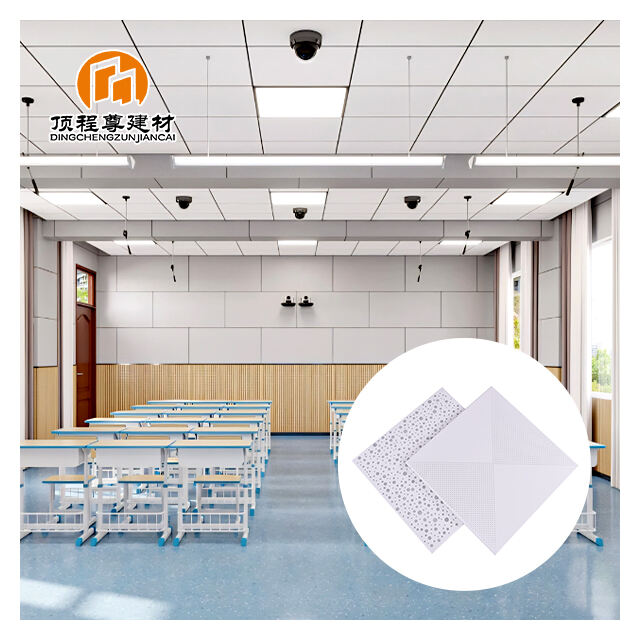
Large-scale interior projects demand ceiling solutions that balance aesthetics, functionality, and performance across expansive spaces. Perforated metal ceiling systems have emerged as a premier choice for architects and designers working on commercial buildings, healthcare facilities, educational institutions, and industrial complexes. These sophisticated ceiling systems offer unparalleled design flexibility while delivering superior acoustic control, fire resistance, and long-term durability that traditional ceiling materials simply cannot match.
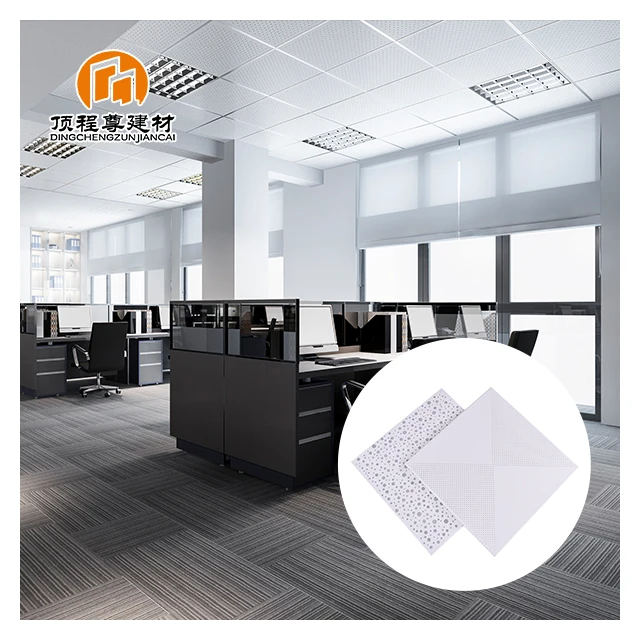
The architectural landscape has witnessed a significant shift toward open-plan designs and multi-functional spaces that require intelligent ceiling solutions. Modern perforated metal ceiling installations provide the perfect answer to contemporary design challenges, offering seamless integration of lighting systems, HVAC components, and acoustic treatments. Understanding the various pattern options, material specifications, and installation considerations becomes crucial for project success and long-term satisfaction.
Understanding Perforated Metal Ceiling Systems
Core Components and Manufacturing Excellence
Perforated metal ceiling panels are precision-engineered products manufactured through advanced perforation techniques that create consistent hole patterns across aluminum, steel, or specialized alloy substrates. The manufacturing process involves computer-controlled machinery that ensures uniform hole spacing, diameter consistency, and edge quality that meets stringent architectural standards. These panels typically feature powder-coated finishes that provide exceptional durability and color retention in demanding interior environments.
The structural integrity of each perforated metal ceiling panel relies on carefully calculated perforation ratios that maintain strength while maximizing acoustic performance. Premium manufacturers utilize high-grade aluminum alloys that resist corrosion, maintain dimensional stability, and support integrated mounting systems designed for large-scale installations. Quality control processes ensure that every panel meets exact specifications for flatness, edge straightness, and surface finish consistency.
Installation Framework and Support Systems
Professional installation of perforated metal ceiling systems requires robust suspension frameworks engineered to distribute loads evenly across the entire ceiling plane. These systems incorporate adjustable hanging components that accommodate building movement, thermal expansion, and precise leveling requirements essential for large-scale applications. The framework design allows for easy access to plenum spaces while maintaining the aesthetic continuity that architects demand.
Modern suspension systems feature quick-connect mechanisms that significantly reduce installation time while ensuring secure panel retention throughout the building's lifespan. The integration capabilities extend to lighting fixtures, sprinkler systems, air diffusers, and other ceiling-mounted equipment without compromising the overall design integrity. This systematic approach to installation makes perforated metal ceiling solutions ideal for complex projects with tight construction schedules.
Pattern Selection and Design Considerations
Acoustic Performance Patterns
The selection of appropriate perforation patterns directly impacts the acoustic performance characteristics of any perforated metal ceiling installation. Round hole patterns with varying diameters and spacing ratios provide different levels of sound absorption and noise reduction coefficients essential for specific interior environments. Large-scale projects often require detailed acoustic modeling to determine optimal pattern specifications that meet both performance requirements and aesthetic preferences.
Square and rectangular perforation patterns offer alternative acoustic properties while creating distinctive visual textures that complement modern architectural themes. The relationship between hole size, spacing, and open area percentage determines the ceiling's ability to control reverberation, reduce ambient noise levels, and improve speech intelligibility in occupied spaces. Professional acoustic consultants work closely with design teams to specify perforated metal ceiling patterns that achieve target acoustic performance metrics.
Visual Impact and Architectural Integration
Contemporary perforated metal ceiling designs embrace both subtle and bold pattern approaches that enhance interior spaces without overwhelming other architectural elements. Micro-perforation patterns create smooth, continuous ceiling planes with minimal visual interruption, making them ideal for spaces where ceiling systems should recede into the background. These fine patterns maintain excellent acoustic properties while providing clean, modern aesthetics that work well with minimalist design philosophies.
Larger perforation patterns make bold design statements that can serve as focal points within interior spaces, creating dynamic visual textures that change with lighting conditions and viewing angles. The interplay between light and shadow through perforated metal ceiling surfaces adds depth and interest to otherwise flat ceiling planes. Strategic pattern selection can guide visual flow, define functional zones, and reinforce overall design concepts throughout large-scale interior projects.
Material Specifications and Performance Characteristics
Aluminum Alloy Advantages
Aluminum-based perforated metal ceiling panels offer superior performance characteristics that make them particularly well-suited for demanding interior applications. The inherent corrosion resistance of aluminum ensures long-term appearance retention without the need for frequent maintenance or refinishing cycles. These panels maintain their structural integrity and finish quality even in challenging environments with elevated humidity, temperature fluctuations, or chemical exposure from cleaning products.
The lightweight nature of aluminum panels reduces structural loading on building frameworks while simplifying handling and installation procedures. This weight advantage becomes particularly important in large-scale projects where cumulative ceiling loads can impact overall building design requirements. Advanced aluminum alloys provide excellent fire resistance properties that meet or exceed building code requirements for commercial and institutional applications.
Surface Finishes and Durability Features
Modern powder coating technologies applied to perforated metal ceiling panels provide exceptional finish durability that withstands the rigors of commercial environments. These advanced coating systems offer superior scratch resistance, color stability, and chemical resistance compared to traditional paint systems. The electrostatic application process ensures uniform coverage across complex perforated surfaces, eliminating potential corrosion points that could compromise long-term performance.
Specialized finish options include antimicrobial coatings particularly beneficial in healthcare facilities, food service areas, and educational environments where hygiene requirements are paramount. These advanced surface treatments inhibit bacterial growth while maintaining easy cleaning characteristics essential for maintaining sanitary conditions. The finish selection process should consider specific environmental conditions, cleaning protocols, and aesthetic requirements unique to each project application.
Large-Scale Project Implementation
Planning and Coordination Requirements
Successful implementation of perforated metal ceiling systems in large-scale projects requires comprehensive planning that addresses coordination between multiple trades, material logistics, and installation sequencing. The complexity of modern building systems demands careful integration of ceiling components with mechanical, electrical, and plumbing systems that share plenum spaces. Early coordination meetings between all stakeholders help identify potential conflicts and establish installation sequences that minimize delays and rework.
Material procurement for large projects must account for manufacturing lead times, quality inspection requirements, and staged delivery schedules that align with construction progress. The standardization of panel sizes and specifications across the project helps streamline procurement while maintaining design consistency throughout different building areas. Quality assurance protocols ensure that all perforated metal ceiling components meet project specifications before installation begins.
Installation Efficiency and Quality Control
Professional installation teams specialized in perforated metal ceiling systems bring essential expertise to large-scale projects where precision and efficiency directly impact project timelines and budgets. These experienced crews understand the nuances of working with different panel types, suspension systems, and integration requirements that ensure optimal results. Their systematic approach to installation sequencing maximizes productivity while maintaining the exacting quality standards that commercial projects demand.
Quality control measures throughout the installation process include regular inspection checkpoints that verify proper panel alignment, secure attachment, and integration with other building systems. The modular nature of perforated metal ceiling systems allows for efficient installation progression while maintaining access for other trades to complete their work. Final inspection procedures ensure that completed installations meet all performance requirements and aesthetic expectations before project acceptance.
FAQ
What factors should be considered when selecting perforation patterns for large commercial spaces
Pattern selection for commercial perforated metal ceiling installations should prioritize acoustic performance requirements, aesthetic preferences, and maintenance considerations specific to the intended use. The relationship between hole size, spacing, and open area percentage directly affects sound absorption characteristics and visual impact. Consider the ceiling height, lighting integration requirements, and accessibility needs for mechanical systems when making pattern selections for optimal long-term performance.
How do perforated metal ceiling systems compare to traditional ceiling materials in terms of lifecycle costs
Perforated metal ceiling systems typically offer superior lifecycle value compared to traditional materials due to their exceptional durability, low maintenance requirements, and extended service life. While initial costs may be higher than some alternatives, the long-term benefits include resistance to sagging, moisture damage, and deterioration that commonly affect other ceiling types. The recyclability of aluminum panels also provides end-of-life value that offsets initial investment costs over the building's operational lifespan.
What are the key installation requirements for ensuring proper performance of perforated metal ceiling systems
Proper installation requires precision-leveled suspension systems, adequate structural support, and careful attention to panel alignment and integration with building services. The suspension framework must accommodate thermal movement and building settlement while maintaining consistent panel positioning. Professional installation includes proper sealing around perimeter conditions, secure attachment methods, and coordination with lighting and HVAC systems for optimal performance and appearance.
How do fire safety and building code requirements affect perforated metal ceiling specifications
Perforated metal ceiling systems must comply with local building codes regarding fire resistance ratings, flame spread characteristics, and smoke development properties. Most commercial-grade aluminum panels inherently meet or exceed required fire safety standards due to their non-combustible nature. However, specific project requirements may dictate additional testing, certification, or special mounting considerations to ensure full compliance with applicable safety regulations and insurance requirements.
Table of Contents
- Understanding Perforated Metal Ceiling Systems
- Pattern Selection and Design Considerations
- Material Specifications and Performance Characteristics
- Large-Scale Project Implementation
-
FAQ
- What factors should be considered when selecting perforation patterns for large commercial spaces
- How do perforated metal ceiling systems compare to traditional ceiling materials in terms of lifecycle costs
- What are the key installation requirements for ensuring proper performance of perforated metal ceiling systems
- How do fire safety and building code requirements affect perforated metal ceiling specifications