Comprehensive Guide to Ceiling Panel Pricing: Cost Analysis and Value Comparison

All Categories

ceiling panels price

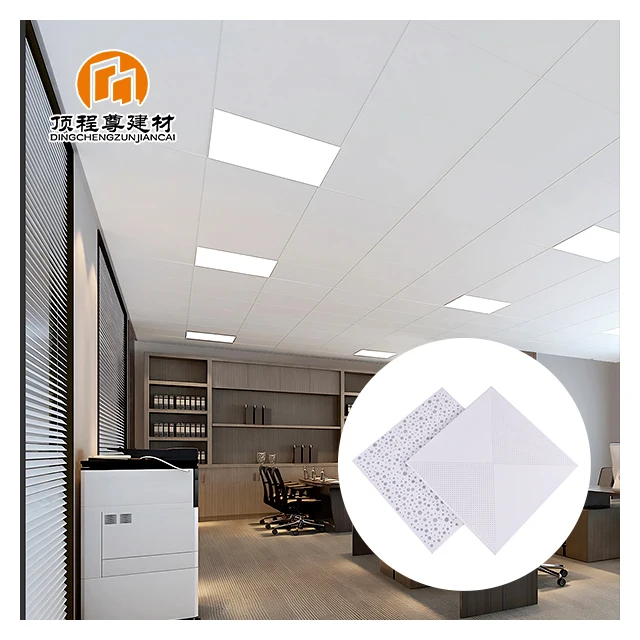
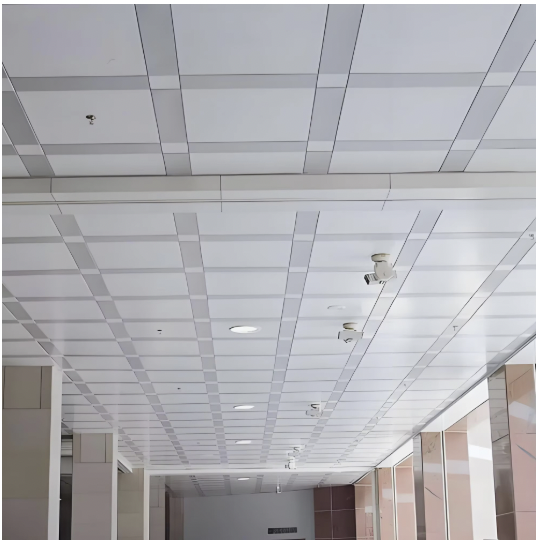
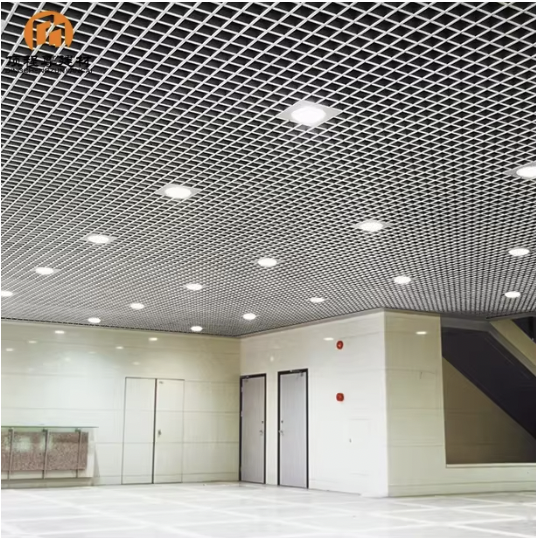
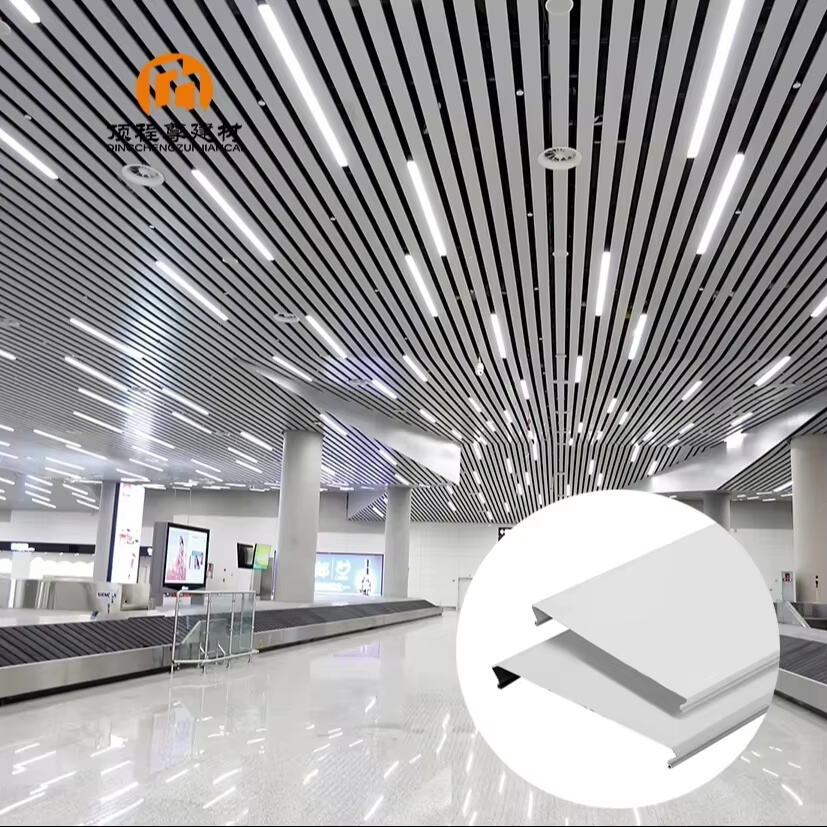
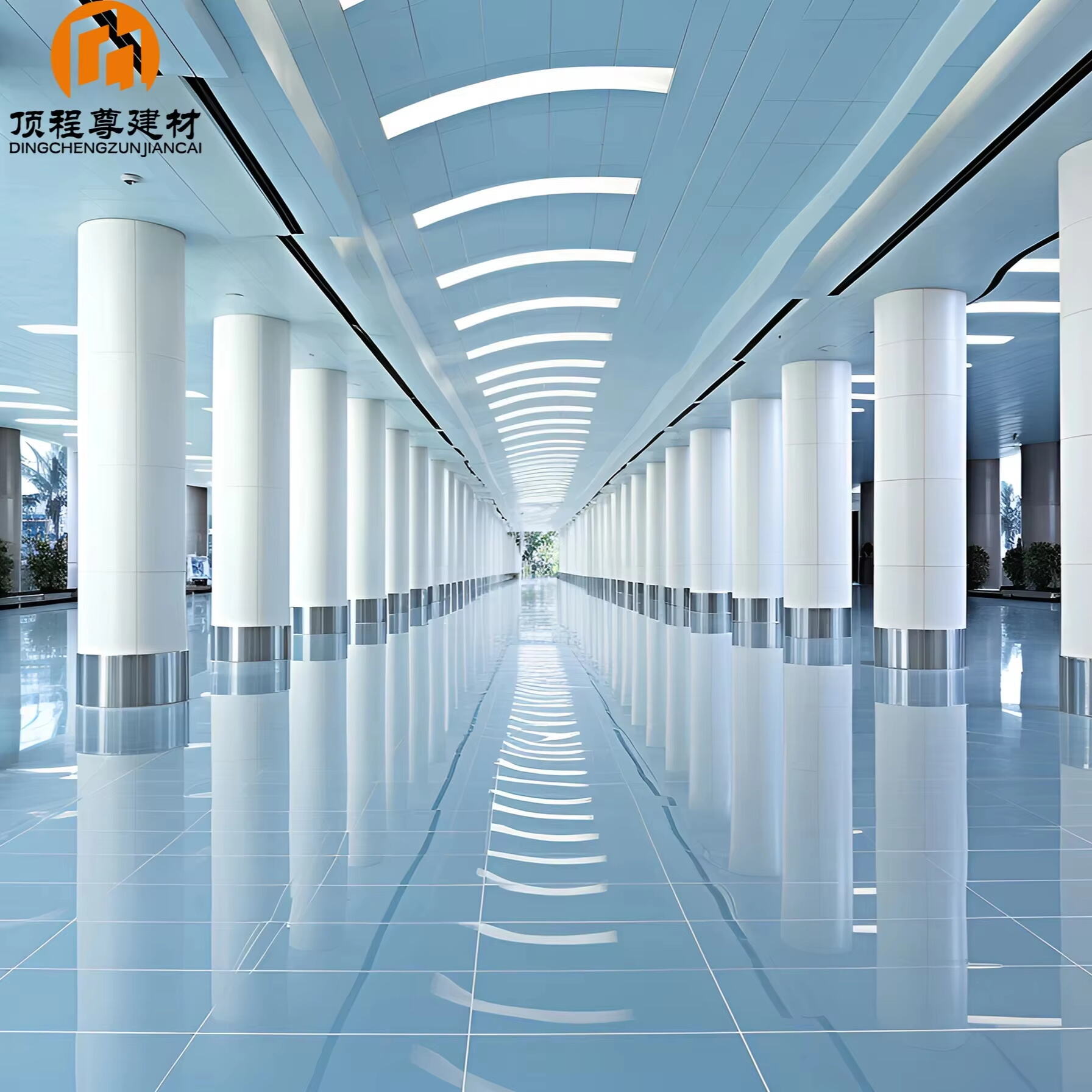
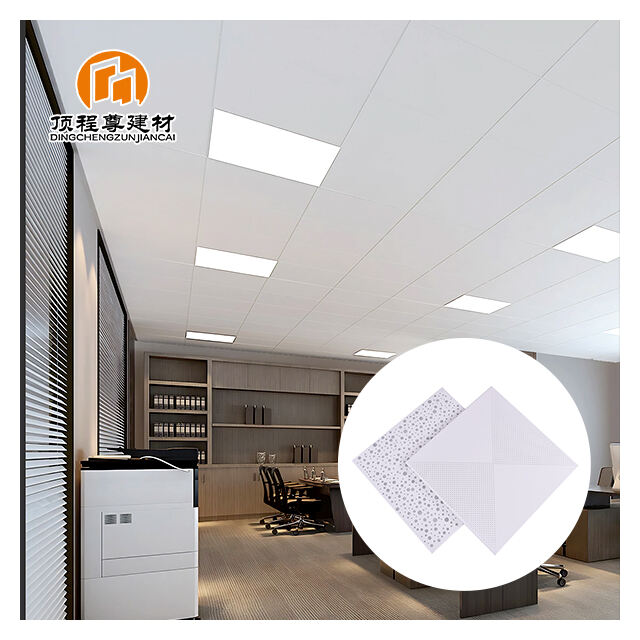
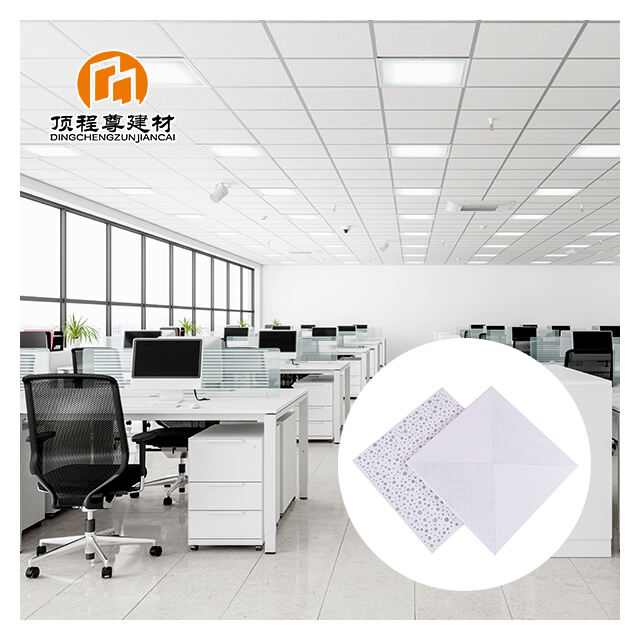
Ceiling panels pricing represents a crucial consideration in modern construction and renovation projects, encompassing various factors that influence the final cost. These panels, available in diverse materials including mineral fiber, metal, wood, and PVC, offer different price points to suit various budgets and requirements. The cost typically ranges from $2 to $30 per square foot, depending on material quality, design complexity, and installation requirements. Premium ceiling panels feature advanced acoustic properties, fire resistance ratings, and moisture resistance capabilities, contributing to their pricing structure. The price also factors in installation costs, which can vary based on the complexity of the project, ceiling height, and required preparation work. Many manufacturers offer different grade levels, from economical options suitable for basic applications to high-end solutions for prestigious commercial spaces. Additional features such as integrated lighting systems, thermal insulation properties, and specialized treatments for enhanced durability can impact the final price. Understanding these price variations helps project managers and property owners make informed decisions that balance aesthetic requirements with budget constraints while ensuring long-term value.
Popular Products

The pricing structure of ceiling panels offers several distinct advantages that make them a cost-effective solution for both residential and commercial applications. Firstly, the wide range of price points ensures accessibility for various budget levels, allowing projects of any scale to benefit from quality ceiling solutions. The durability of these panels, particularly in higher price brackets, translates to reduced long-term maintenance costs and extended replacement intervals, providing excellent return on investment. Many ceiling panels incorporate energy-efficient properties, potentially leading to reduced heating and cooling costs over time. The modular nature of these panels often results in lower installation costs compared to traditional ceiling treatments, with some systems designed for DIY installation, further reducing overall expenses. Premium panels, while initially more expensive, offer enhanced acoustic properties that can significantly reduce noise pollution, potentially eliminating the need for additional soundproofing measures. The price structure also typically includes warranties and guarantees, providing peace of mind and protection for the investment. Additionally, many manufacturers offer bulk pricing options, making larger projects more cost-effective. The ability to select panels based on specific performance requirements ensures that customers only pay for features they need, optimizing the cost-benefit ratio. Furthermore, the aesthetic variety available at different price points allows for creative design solutions without compromising budget constraints.

Tips And Tricks

What styles and designs are available for aluminum ceilings?

27

May

What styles and designs are available for aluminum ceilings?

View More
What are the benefits of using aluminum ceiling panels?

27

May

What are the benefits of using aluminum ceiling panels?

View More
Strip ceiling vs. traditional ceiling: Key differences

06

Jun

Strip ceiling vs. traditional ceiling: Key differences

View More
Which decor styles suit strip ceilings best?

06

Jun

Which decor styles suit strip ceilings best?

View More

Get a Free Quote

Our representative will contact you soon.
Email
Name
Company Name
Message
0/1000

ceiling panels price

Cost-Effective Material Options

Cost-Effective Material Options

The ceiling panels market offers an extensive range of materials at various price points, providing exceptional flexibility in project budgeting. Entry-level options, typically made from basic mineral fiber or PVC, offer reliable performance at budget-friendly prices, making them ideal for large-scale commercial projects with strict cost constraints. Mid-range panels incorporate enhanced features such as improved acoustic properties and moisture resistance while maintaining reasonable price points. Premium materials, including custom-designed metal and wood panels, cater to high-end applications where aesthetic appeal and superior performance justify the higher investment. This tiered pricing structure enables project managers to precisely match material specifications with budget requirements while ensuring appropriate performance standards are met. The availability of different material grades within each category further refines the ability to optimize cost versus performance, allowing for strategic allocation of resources across various areas of a project.
Installation Cost Considerations

Installation Cost Considerations

Installation costs represent a significant component of ceiling panel pricing, varying considerably based on multiple factors. The complexity of the installation process directly influences labor costs, with some modern panel systems designed specifically for rapid installation, reducing overall expenses. Professional installation services typically include preliminary site assessment, preparation work, and final finishing, with prices ranging from $3 to $15 per square foot depending on project requirements. Many manufacturers offer specialized training programs for certified installers, ensuring quality installation while potentially reducing costs through improved efficiency. The accessibility of the installation area, ceiling height, and the need for special equipment or scaffolding can significantly impact the final price. Some systems feature innovative mounting mechanisms that minimize installation time and complexity, potentially reducing labor costs by up to 30% compared to traditional methods.
Long-term Value and ROI

Long-term Value and ROI

The price of ceiling panels should be evaluated in the context of their long-term value and return on investment potential. High-quality panels, while commanding premium prices, often demonstrate superior durability with lifespans exceeding 20 years under normal conditions. This extended service life significantly reduces the frequency of replacement and associated costs. Energy-efficient panels can contribute to substantial savings in heating and cooling expenses, with some systems showing potential reductions of up to 20% in energy costs. The acoustic properties of premium panels can eliminate the need for additional soundproofing measures, potentially saving thousands in supplementary acoustic treatments. Maintenance costs are typically lower for quality panels, with many requiring only minimal cleaning and occasional inspection. The warranty coverage included in the price often provides valuable protection against defects and performance issues, reducing potential future expenses. Additionally, the aesthetic durability of higher-grade panels helps maintain property value over time, making them a wise investment for long-term property management strategies.