 EN
EN


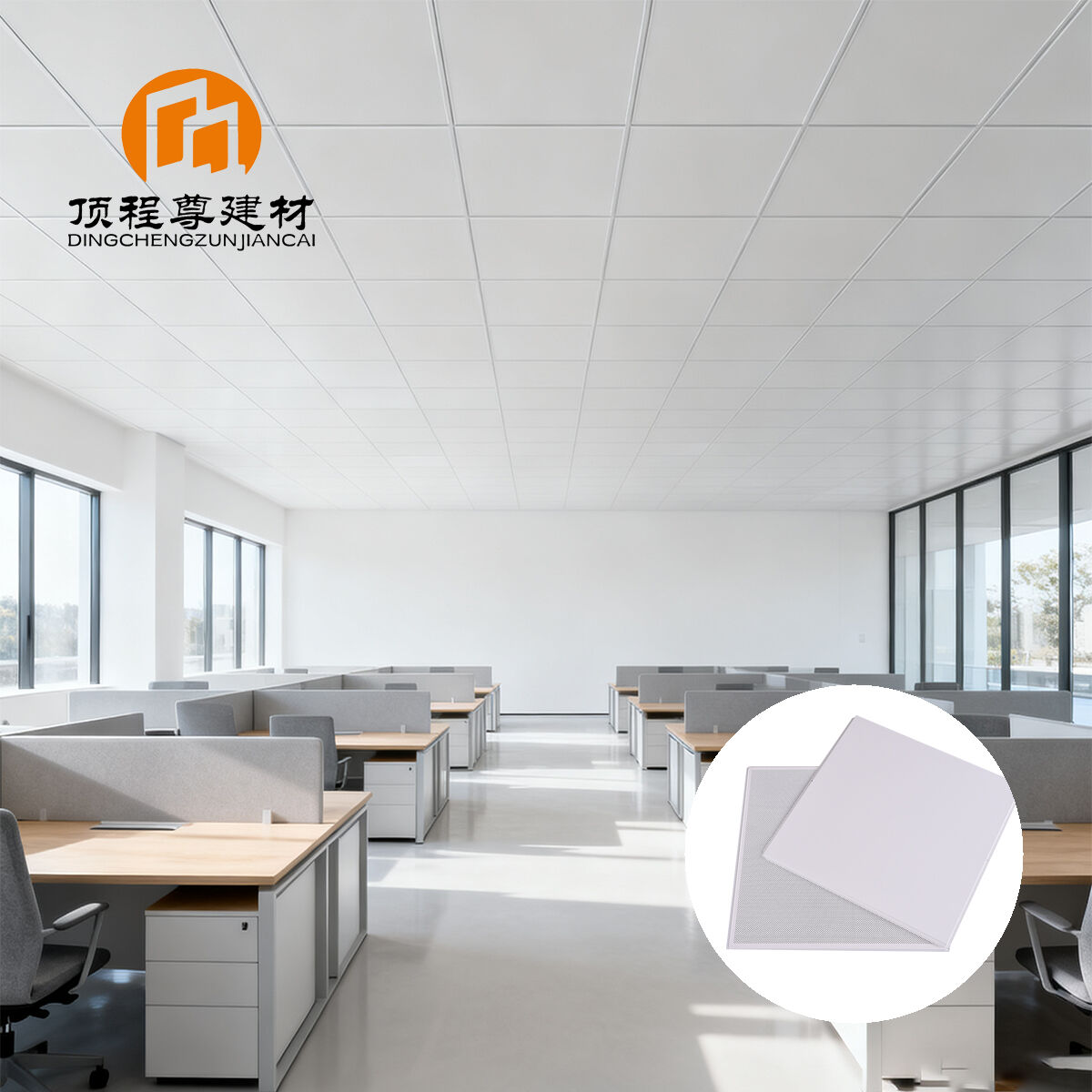
ለምን ቢሮዎች የተንጠለጠለ ጣሪያ ፕሮጀክቶች አቅራቢዎች ምርጫ ጉዳዮች
ትክክለኛውን የአሉሚኒየም ጣሪያ አቅራቢ መምረጥ ለማንኛውም የቢሮ ተንጠልጣይ ጣሪያ ፕሮጀክት ወሳኝ ውሳኔ ነው ። በቢሮዎች ውስጥ ጣሪያው የህንፃውን ክፍል ከመሸፈን ያለፈ ነገር ያደርጋል። የስራ ቦታውን አጠቃላይ የእይታ ዘይቤ ይነካሉ ፣ በክፍት ፕላን አካባቢዎች ውስጥ በድምፅ ምቾት ላይ ተጽዕኖ ያሳድራሉ ፣ እና ከብርሃን አቀማመጥ ፣ ከ HVAC ስርዓቶች ፣ ከጭስ ማውጫዎች እና ከወደፊቱ የጥገና መዳረሻ ጋር ያለመስተጓጎል መስራት አለባቸው።
የዚህ ምክንያት በስተቀር አቅራቢ መምረጥ የግዢ ተግባር ብቻ አይደለም። በቀጥታ የፕሮጀክቱን ጥራት፣ የማጫወት ችሎታ እና የመላኪያ ስራ ይነካል። አቅራቢው የማምረት ቅድመ-ተስፋት ወይም የፕሮጀክት ልምድ ካልჟከረ ደንበኞች የተለያዩ ፓነሎች፣ በአጭር ጊዜ ውስጥ የቀለም ለውጦች፣ የማጣሪያ ስርዓት የማጣጣመን ችሎታ ያነሰ ሲሆን፣ የሚጨመሩ አካላት የሌሉ፣ በማላኪያ ጊዜ የእቃው የማሳያ ሳጥን የተበላሸ ወይም የፍተሻ ጊዜ የተቆረጠ ሲሆን ይህም የማስገንዘብ ጊዜ ይበላሽ ይሆናል። በንግድ ባለቤት ቤቶች የዚህ ዓይነቱ ችግሮች በተደጋጋሚ የድጋሚ ስራ፣ ተጨማሪ ሥራ አዋጅ ወጪ፣ የመስጠት ጊዜ የተቆረጠ እና የብድgets ግፊት ያስከትላል።
ለደንበኞች፣ ለኮንትራክተሮች እና ለፕሮጀክት ቡድኖች የተረጋጋ የአልሙኒየም ማዳ አቅራቢ መምረጥ ማለት በማምረት መጀመር በፊት የሪስክ መቀነስ ነው። ጥሩ አቅራቢ ቁሳዊ ጥራት የሚያስተዳድረው፣ የቴክኒካዊ መግለጫ በግልጽ የሚሰጥው፣ የቢሮ ፕሮጀክቶችን የሚደግፈው እና የሚጠቀስ የማዳ ማስተላለፊያ አቅራቢ ማድረግ ይችላል።
ይህ መመሪያ የደንበኞችን ምን ማገናኛ ይረዳል
የቢሮ የተከለለ ሰይሊንግ ለአልሙኒየም ሰይሊንግ አቅራቢዎችን በመነጋገር ግዢ ዋጋ ብቻ የውሳኔ ክፍል አንድ ነው። ዝቅተኛ ዋጋ በመጀመሪያ እጅግ አስደሳች ሊመስል ይችላል፣ ነገር ግን ይህ በራሱ ለፕሮጀክቱ የተሻለ ዋጋ ማለት አይደለም። በብዙ የቢሮ ሰይሊንግ ፕሮጀክቶች ውስጥ አቅራቢዎች መካ-between የእውነተኛው ልዩነት የሚታይበት ቦታ በኋላ ነው — በንድፈ ሃሳብ ጥራት፣ በስዕሎች ድጋፍ፣ በማምረት ትክክለኛነት፣ በጊዜ ላይ የሚሰጡ እቃዎች እና በችግሮች መፍታት ውጤታማነት ውስጥ።
ይህ መመሪያ የግዢያንን ከተግባራዊ ፕሮጀክት አንጻር አቅራቢዎችን ለመገምገም ይረዳል። ዋጋ ብቻ ሳይሆን የቢሮ ሰይሊንግ አፈፃፀም እና የግዢ ደረጃ ተስፋ ላይ ትልቅ ተጽእኖ የሚያሳድሩ ምክንያቶችን ያጠናል። እነዚህ የሚከተሉት ናቸው፡
- liệu አቅራቢው የተረጋገጠ የማምረት አቅም ያለው እውነተኛ ሣይቲ ነው ወይስ አይደለም
- liệu በቢሮ እና በንግድ የተከለለ ሰይሊንግ ፕሮጀክቶች ላይ ልምድ አለው ወይስ አይደለም
- liệu የተለየ መጠን፣ የተለየ የጠቀሜታ ተግባር፣ የተለየ የጠፍጣፍ አቀማመጥ እና የተለየ የስዕል አቀማመጥ ማቅረብ ይችላል ወይስ አይደለም
- እነዚህ የጥራት ቁጥጥር ሂደቶቻቸው በተስማሚ መልኩ የፋላትነስ፣ የመጨረሻ አፈታት ቅንጣብ እና የመለኪያ ትክክለኛነስ ማረጋገጫ ይችላሉ ወይም አይችሉም
- የአገልግሎት ቡድናቸው በፍጥነት ለመመለስ እና በማቅረቢያ በፊት፣ በ أثنቱ እና በኋላ ለፕሮጀክቱ ድጋፍ ማድረግ ይችላሉ ወይም አይችሉም
በእነዚህ ነጥቦች ግንዛቤ ያገኙ በመሆኑ የግዢ ወሰን የአልሙኒየም ሲሊንግ አቅራቢዎችን በተደጋጋሚ ለመምረጥ ይችላሉ እና በቢሮ የተከለከሉ ሲሊንግ ፕሮጀክቶች ውስጥ የዋጋ እና የሪስክ እድሳትን የሚጨምሩ የተለመዱ ስህተቶችን ማስወገድ ይችላሉ።
የቢሮ የተከለከሉ ሲሊንግ አስፈላጊነቶችን በአቅራቢዎችን ማነፃፀር በፊት ያስቡ
በገቢ ዋጋዎችን ወይም የምርት ካታሎጎችን ማነፃፀር በፊት፣ የግዢ ወሰን በመጀመሪያ የቢሮ የተከለከሉ ሲሊንግ ፕሮጀክት እንዲያስፈልገው የሚያደርገውን ማወቅ አለባቸው። ይህ ደረጃ አስፈላጊ ነው ምክንያቱም ትክክለኛው አቅራቢ በቀላሉ በጣም ዝቅተኛ ዋጋ የሚያቀርብ የማይሆን ነው፣ ነገር ግን የሚሆነው የፕሮጀክቱ እውነተኛ አስፈላጊነቶችን የሚያሟላ የሆነው ነው። ምርቶች ፣ የቴክኒካዊ ድጋፍ እና የትምህርት አቅጣጫ የፕሮጀክቱ እውነተኛ አስፈላጊነቶችን የሚያሟላ ነው።
በቢሮዎች ውስጥ የጣሪያ ስርዓቶች የላይኛው ክፍል አገልግሎቶችን ከመሸፈን ያለፈ ነገር ማድረግ አለባቸው። ለስራ ቦታ አጠቃላይ የእይታ ደረጃ አስተዋፅኦ ማድረግ፣ የዕለት ተዕለት ተግባርን መደገፍ፣ እና ከብርሃን፣ ከኤችቪኤሲ፣ ከስፕሪንክለር አቀማመጥ እና ከወደፊት የጥገና መዳረሻ ጋር ማስተባበር ያስፈልጋቸዋል። ለዚህም ነው ገዢዎች በመጀመሪያ የፕሮጀክቱን መስፈርቶች መወሰን ያለባቸው ከዚያም አንድ አቅራቢ በተከታታይ ማሟላት ይችል እንደሆነ መገምገም አለባቸው።
አቅራቢዎችን ለመምረጥ ተግባራዊ መንገድ ከሶስት ጥያቄዎች መጀመር ነው-የቢሮ ጣሪያ ምን ዓይነት አፈፃፀም ማቅረብ አለበት ፣ ለተለያዩ የቢሮ ዞኖች የትኛው የጣሪያ ስርዓት በጣም ተስማሚ ነው ፣ እና አልሙኒየም ለብዙ የቢሮ ውስጣዊ ክፍል ለምን ተመራጭ ቁሳቁስ ነው ። እነዚህ ነጥቦች ግልጽ ከሆኑ በኋላ ለፕሮጀክቱ ትክክለኛውን አቅራቢ ለመለየት በጣም ቀላል ይሆናል።
በቢሮ አካባቢዎች ውስጥ የተለመዱ የአፈፃፀም ፍላጎቶች
የቢሮ የተከለለ ሰይሊንግ በዲዛይን እና በተግባራዊ ጥቅሞች ላይ የሚመረተው ነው። በብዙ ፕሮጀክቶች ውስጥ የፅንሰ-ሀሳብ እና የዘመናዊ ቅርጽ አንድ ከመጀመሪያ ትኩረት የሚደረገው ነው። የተቀበል ቦታዎች፣ የክፍል ባዶ ቢሮዎች፣ የስብሰባ ክፍሎች እና የማህደረ መንገዶች በአጠቃላይ የሰይሊንግ ፓነሎችን የሚያስፈልጉ ናቸው የሚያሳዩ የተሻለ መስመር፣ የተሻለ ቅርጽ፣ የተረጋጋ የቀለም ተስማሚነት እና የተሻለ የፀሐይ ተጨካካይ አጠገብ። የፓነል ጎኖች ትክክለኛ ካልሆኑ ወይም በየተለየ ቡና መካከል የሚታዩ ልዩነቶች ካሉ፣ የተጠናቀቀው የቢሮ አካባቢ በፍጥነት የማይስማማ እና የማይታወቅ ሆኖ ይታያል። ስለዚህ የገዥዎች የምስል ምስሎችን ብቻ ሳይሆን የተጠቀመው የፀሐይ ተጨካካይ አጠገብ፣ የመጠን ትክክለኛነት እና የምሳሌ ጥራት እንዲሁ ከአቅራቢዎች ይጠይቁናል።
የድምፁ ስራ አስፈላጊ ጉዳይ አንድ ነው፣ በተለይም በክፍት የቢሮ ቦታዎች፣ በብሰር ክፍሎች እና በተዋሃደ የስራ ቦታዎች ውስጥ። በእነዚህ የስራ ቦታዎች ውስጥ የድምፁ ብዙ ጊዜ መገልበጥ የተጠቀመውን የስራ ሁኔታ ማሳደግ እና የትብብር ብረታን ማሳደግ ይችላል። ስለዚህ የግዢ ያደረገው የሚያስተዳድር የአልሙኒየም ባዶ ፓነሎችን፣ የድምፁ የማስተካከል አማራጮችን እና የድምፁ መቆጣጠሪያ አስፈላጊ የሆኑ ቦታዎች ላይ የፕሮጀክት መሰረት የሆኑ አስተያየቶችን ማቅረብ የሚችል መሆኑን ማረጋገጥ አለበት። የድምፁ ድጋፍ የሌለው የስታንዳርድ ፓነሎች ብቻ የሚያቀርብን የሚያስተዳድር ለከፍተኛ የውስጣዊ ስራ ጥራት የሚያስፈልጋቸው የቢሮ ፕሮጀክቶች ተስማሚ ሳይሆን ሊሆን ይችላል።
የእሳት ተቃውሞ እንዲሁ የአቅራቢዎች ምርመራ አስፈላጊ ክፍል ነው። የንግድ ባለሥልጣናት ውስጥ ያሉ የቢሮ ግንባታዎች በተለምዶ የአካባቢው የገንቢ እና የእሳት ደህንነት መስፈርቶችን የሚደግፉ የሰይሊንግ ስርዓቶችን ይጠይቃሉ። የገዥዎች አቅራቢዎችን ብቻ ሳይሆን የחומרים ዓይነትን ብቻ ሳይሆን የሚገኘውን የማስረጃ ሰነዶችን፣ የፈተና ሪፖርቶችን እና የስርዓቱ የተለየ የፕሮጀክት መስፈርቶችን ለማስተዳደር የሚችል መሆኑን በተጨማሪ መጠየቅ አለባቸው። ይህ በተለይ በከብሩ የንግድ ፕሮጀክቶች ውስጥ በጣም አስፈላጊ ነው፣ ምክንያቱም የቴክኒካዊ ሰነዶች የማጽደቂያ ሂደት አንድ ክፍል ነው።
ቀላል የገንዘብ ማስተዳደር እንዲሁ ከመጀመሪያው ጀምሮ ማስተዋል አለበት። የቢሮ ሴይሊንግ በተለምዶ የሚደበቁ አገልግሎቶች እንደ ኬብሎች፣ ዲዩትስ፣ የብርሃን አካላት እና የፈተና ነጥቦች ወደ ውስጥ ለመዳረስ ምቾት ማስገኘት ይኖርባቸዋል። የሚታየው ግን ለመውጣት፣ ለመቀየር ወይም ለማጽዳት አስቸጋሪ የሆነ ሴይሊንግ በየጊዜው የገንዘብ ማስተዳደር ወጪዎችን ሊጨምር ይችላል። በዚህ ምክንያት የገዥዎች አቅራቢዎችን በተጠናቀቀ የገንዘብ ማስተዳደር ሁኔታዎች ላይ የሴይሊንግ ስርዓቶቻቸው እንዴት ይሰራሉ በመመርኮዝ ማወዳደር አለባቸው፣ በተጨማሪ በተጠናቀቀ ፕሮጀክት ፎቶዎች ላይ ብቻ አይደለም።
በመጨረሻ፣ ባለስልጣን ቤቶች የሚጠቀሙት የስፋስ ማዕከላዊ ስርዓቶች በብቃት ከብርሃን፣ ከአየር ማቀዝቀዣ እና ከማው የሚፈሳ ስርዓቶች ጋር መዋሃድ አለባቸው። በተግባራዊ ፕሮጀክቶች ውስጥ ይህ በተደጋጋሚ የማያገኘው የማዘጋጃ ችግሮች የሚጀምሩበት ቦታ ነው። የስርዓቱ አቀማመሽ ለማስገቢያ ቀዳዳዎች፣ ለሞጁሎች ተስማሚነት፣ ለደህንነት በሚገቡ በርካታ አካላት እና በተወሰነ የስርዓቱ ቦታ ውስጥ የተለያዩ አገልግሎት አካላት ጋር መስማማት ያስፈልጋል። የተሟላ የቅድመ-ተሰጠ አቅርቦት የሚሰጠው የተመረቀ አቅርቦት በግልጽ የቴክኒካዊ ግንኙነት፣ በስእል ድጋፍ እና በስርዓት ምክር የዚህን ተስማሚነት ማስተዳደር ይችላል። ከአቅርቦት የዚህን ዝርዝር ማስተዳደር አልቻለም ከሆነ፣ ፕሮጀክቱ በማዘጋጃ ጊዜ የማይታገኝ የጊዜ መቆጣጠር፣ የአቀማመሽ ችግሮች ወይም የማይከስክስ እንደገና ማስተካከል ስለሚያስፈልግ ሊጋጠም ይችላል።
ለባለስልጣን ቤቶች የሚወዱ የአልሙኒየም ስርዓቶች
የተለያዩ ባህሪያት ያላቸው የቢሮ ቦታዎች በተለያዩ የአልሙኒየም ማዕድን ስርዓቶች ይጠይቃሉ፣ ስለዚህ የገዥዎች ከማንኛውም አቅራቢ መረጃ ማግኘት በፊት የዋና የማዕድን አይነቶችን ማወቅ አስፈላጊ ነው። አንድ አቅራቢ በአጠቃላይ ጥሩ ሊመስል ይችላል፣ ነገር ግን በቢሮ ውስጥ በጣም የሚጠቀሙትን የማዕድን ስርዓቶች ጥሩ ልምድ ካልሰጠ በዚህ ፕሮጀክት ላይ በተሳካ ሁኔታ ማደረግ አይችልም።
የክሊፕ-ኢን ማዕድኖች በፀንሰ-ነጻ የማዕድን አይነት የሚታየውን የቢሮ ፕሮጀክቶች ውስጥ በስፋት ይጠቀማሉ። በተለይ በማስተናገድ ቦታዎች፣ በስራ ቦታዎች እና በብዙ ጊዜ የሚያገለግሉ በማዕድን በጣም የሚታየውን ቅርጽ የሚያስከብር ቦታዎች ውስጥ የሚስማማሉ። ለክሊፕ-ኢን ስርዓቶች አቅራቢዎችን በመገምገም የገዥዎች አቅራቢው በጅምላ ምርት ውስጥ የፓነሎች ቅርጽ ቀጥታ፣ የእድሜዎች ትክክለኛነት እና የጨረር ቅርጽ ተመሳሳይነት ማስተዳደር ይችላል የሚለውን ማረጋገጥ አለባቸው።
የላይ ላይ የሚገናቡ ማዕከላዊ ማንዳሪዎች በማህደር ክፍሎች ውስጥ በተለይ በላይ ላይ ያለውን ክፍል ለመድረስ ቀላል መሆኑ ከባድ ስለሆነ በተለምዶ ይመረጣሉ። በላይ ላይ ያሉትን አገልግሎቶች በተደጋጋሚ ማስመሰል ወይም ማስተካከል የሚያስፈልጉ የንግድ ግንባታዎች ውስጥ ይህ ስርዓት ጠቃሚ ነው። ለዚህ ዓይነቱ ስርዓት የሚገዛው ተጠቀስ በተለይ ምን ያህል የማዕከላዊ ማንዳሪዎች መጠን ቋሚ እና ተስማሚ የሆኑ የግሪድ ስርዓቶችን እና ቀላል የተካተተ የተካተተ ድጋፍ ማቅረብ ይችላል የሚለውን ማረጋገጥ አለበት።
የሜታል ማዕከላዊ ማንዳሪዎች በእነሱ የሞጁል መዋቅር እና በቢሮ መተግበሪያዎች ውስጥ ያለው ተፅዕኖ ስለ ይመስላሉ። በራሳቸው የታዩ ቅደም ተከተል፣ የሥራ አቅርቦት እና ም mogelijk የአኬስቲክስ ማሻሻያ መካከል ሚዛን የሚፈልጉ ፕሮጀክቶች ውስጥ መጠቀም ይቻላል። በዚህ ሁኔታ የሚገዛው ተጠቀስ የተለያዩ የማንዳሪ መለኪያዎችን፣ የጎንደል አማራጮችን እና የተስማሚ የተጣመሩ አካላትን ማቅረብ የሚችሉ የአቅራቢያ ተጠቀስ አካላትን ማነፃፀር አለበት።
የባፌል ሲሊንግስ በተለይ በክፍት እና በአሁኑ የቢሮ አካባቢዎች፣ በተለይም በተለየ ባህሪ ያላቸው ዘንዶች፣ በፈጠራዊ ስራ ቦታዎች እና በህዝብ የሚጓዙ ቦታዎች የበለጠ ይጠቀማሉ። ይህ የመገኘት ዘዴ የበለጠ ጠንካራ የአርክቴክቸር ውጤት ይፈጥራል እና ከላይ ያሉ አገልግሎቶች በከፊል ሲደበቅ የክፍትነት ስሜት ይቆያል። ይህን ዓይነት ስርዓት የሚመረጡ ደንበኞች የአቅርቦት ድርጅቱ በርቀት መቆጣጠር፣ የእይንት ቅንጅት እና በከፍተኛ ክፍት ቦታዎች ላይ የሲሊንግስ ማስተዋል ድጋፍ ላይ ልምድ አለው ወይስ አለመኖሩን ማረጋገጥ አለባቸው።
የሊኒያር ወይም የስትሪፕ ሲሊንግስ እንዲሁ በቢሮ ውስጣዊ አቀማመሶች ውስጥ የበለጠ ይጠቀማሉ፣ በተለይም በኮሪዶሮች፣ በሎቢዎች እና በተዛማጅ ቦታዎች ውስጥ የመስመር ዘዴ የዲዛይን ቋንቋ የሚወዳደር ሲሆን። እነዚህ ስርዓቶች የዘመናዊ እና የተዋቀረ ቅርጽ ሊፈጥሩ ይችላሉ፣ ነገር ግን በትክክል የተሰራ የማስቀመጫ ዕቅድ እና የማምረት ቅንጅት ያስፈልጋሉ። በዚህ ምክንያት ደንበኞች የአቅርቦት ድርጅቱ የተለየ ርዝመት ማዘጋጀት፣ የተስተዋለ የማስቀመጫ አቀማመስ እና የብርሃን እና የአገልግሎት ቁዳጎች ጋር የተሻለ የማዋሃድ አቅም አለው ወይስ አለመኖሩን መገምገም አለባቸው።
በብዙ ባለስልጣን ፕሮጀክቶች ውስጥ የተለያዩ ክልሎች ላይ ከአንድ በላይ የትኩርታ አይነት ይጠቀማሉ። ይህ ምክንያት ጥሩ የሆነ አቅራቢ በቀላሉ ብዙ ምርቶችን የሚያቀርብ አቅራቢ ብቻ ሳይሆን እያንዳንዱን ስርዓት በትክክል የሚሰራበትን ቦታ የሚገነዘብ እና በሚዛመደው የቴክኒካዊ ምክር፣ በምሳሌዎች እና በትክክለኛ ምርት የፕሮጀክቱን አገልግሎት የሚያደርግ አቅራቢ ነው።
ለባለስልጣን ውስጣዊ አቀማመሶች አልሙኒየም ምን ያህል የተፈለገ አማራጭ ነው
አልሙኒየም በባለስልጣን የተከለለ ስፋት ለመሥሪያ ቤቶች የሚጠቀሙ በጣም የተፈለገ የቁሳቁስ አይነት ነው፣ ምክንያቱም የዲዛይን ተጽእኖ፣ የቋሚነት እና የፕሮጀክት ብረታ መካከል ጥሩ እኩልነት ይሰጣል። ሆኖም ለገዢዎች ዋነኛው ነጥብ አልሙኒየም የተወሰኑ ጥቅሞች አሉት ብቻ ሳይሆን አቅራቢው የእነዚህ ጥቅሞችን በተግባር የሚሰራ በባለስልጣን ፕሮጀክቶች ላይ የተረጋገጠ ምርት እንዲሁ የሚያቀርብ ነው።
የተቃላ ቁሳቁስ ባህሪው የንግድ ውስጣዊ አቀማመጦች ውስጥ የማያገለግል፣ የማያስተላለፍ እና የማይጫን ሂደትን ይቀላቀላል፣ በተለይም ትልቅ ማዕከላዊ ማዕከላዊ ግድግዳዎች የሚካተቱበት ጊዜ። ይህ የማጫን ብቃትን ይሻሻላል እና የስራ ቦታ ላይ ያልተጠበቀ ፍልስፍናን ያቀነሻል። ምክንያቱም የተቃላ ቁሳቁስ ብቻ የአፈፃፀም ምርጫ የማይሆን በመለየት ምንጮችን በመወዳደር የገዢዎች ተጠያቂዎች በሁሉም ጊዜ የፓነሎች ቅርጽ ቋሚ መሆናቸውን እና የሥራ ጥራት በትክክል የተረጋገጠ መሆናቸውን ማረጋገጥ አለባቸው።
አልሙኒየም በውስጣዊ መተግበሪያዎች ውስጥ የሚሰራውን የረጅም ጊዜ የሚቆይ ተግባር በመስመር የሚታወቅ ነው። በቢሮ አካባቢዎች ውስጥ የማዕከላዊ ግድግዳ ስርዓቶች በጊዜ ጊዜ የራሳቸውን ቅርጽ ይጠብቃሉ፣ ትንሽ የሚቀየሩ፣ የጨረር ጥራት ቋሚ እና የትንሹ የማያስተዳድር ጥያቄ ያስፈልጋሉ። ስለዚህ የገዢዎች ተጠያቂዎች የቁሳቁስ የተለየ ባህሪዎችን፣ የፔርፒል ማቀነባበሪያ አማራጮችን እና የጥራት ቁጥጥር ሂደቶችን ለምንጮች መጠየቅ አለባቸው እነዚህ ሁሉ የረጅም ጊዜ የሚቆይ የአፈፃፀም ተስፋ ያደርጋሉ።
የዝገት መቋቋም የአገልግሎት ዘመንን እና የማጠናቀቂያ መረጋጋትን የሚደግፍ ሌላ ጥቅም ነው፣ በተለይም የእርጥበት መለዋወጥ ወይም የግንባታ ሁኔታዎች አድካሚ በሆኑባቸው አካባቢዎች። በቤት ውስጥ የቢሮ አጠቃቀም ላይም ቢሆን፣ ይህ የበለጠ አስተማማኝ የጣሪያ ስርዓት እንዲኖር አስተዋጽኦ ያደርጋል። የፕሮጀክት ሁኔታዎችን የሚያውቅ አቅራቢ ተገቢ የሆኑ ማጠናቀቂያዎችን መምከር እና እነዚያ ማጠናቀቂያዎች በተለያዩ አካባቢዎች እንዴት እንደሚሠሩ ማስረዳት መቻል አለበት።
ከድጋፍ አስተዳደር አንጻር፣ የአልሙኒየም ስፔስ ስርዓቶች በአጠቃላይ ለማጽዳት ቀላል ናቸው እና ለረጅም ጊዜ የንግድ ጥቅም የሚስማማ ናቸው። ይህ በቢሮ ሕንፃዎች ውስጥ አስፈላጊ ነው፣ ምክንያቱም የገንቢ ቡድኖች በተለዋዋጭ አስተዳደር ጋር የሚቆያሉ የስፔስ ስርዓቶችን ይፈልጋሉ። ስለዚህ የገዥዎች የማቅረብ ተቋሙ የውበት እና የተለዋዋጭ የድጋፍ ግቤት የሚያገለግሉ ስርዓቶችን ማቅረብ ይችላል የሚለውን ማረጋገጥ አለባቸው።
አልሙኒየም በተጨማሪ የንድፍ እና የመጨረሻ ምርት ውስጥ ጠንካራ ተፅዕኖ ይሰጣል። ይህ በተለያዩ የባህርይ አይነቶች፣ በተለያዩ የቅርጽ አቀማጮች፣ በተለያዩ መጠኖች፣ በተለያዩ ቀለሞች እና በተለያዩ የገጽ ዝርዝሮች ውስጥ ሊፈጠር ይችላል፣ ስለዚህ ለትክክለኛ እና ለተለየ የቢሮ ውስጥ አቀማጮች ተስማሚ ነው። ስለዚህ የግዢ ወሰን ያደረገው ሰው በአሁኑ ወቅት አንድ አቅራቢ ምን ዓይነት ምርቶችን ይሰጣል ብቻ ሳይሆን አቅራቢው የተለየ ምርት፣ በስእል ላይ የተመሰረተ ምርት እና በተለያዩ የቢሮ አከባቢዎች መካከል የመጨረሻ ምርት ተስማሚነት ማድረግ ይችላል የሚሉትን ያስተውሉ አለበት።
በአጭሩ፣ አልሙኒየም ለቢሮ ባህርይ የተሻለ የንድፍ ምርት ነው፣ ግን የፕሮጀክቱ ስኬት አንድ አቅራቢ የሚያቀርብለው አቅም ላይ ይመሰረታል። የንድፍ ምርቱ በራሱ የተወሰኑ ጥቅሞችን ይሰጣል፣ ግን የግዢ ወሰን ያደረገው ሰው አቅራቢው የዚህ ጥቅሞችን በተስማሚ መልኩ፣ በቴክኒካዊ ድጋፍ እና በፕሮጀክቱ ልዩ አፈፃፀም ማቅረብ ይችላል የሚሉትን ማስተዋል አለበት።
አቅራቢው እውነተኛ የምርት አድራሻ ነው ወይስ ብቻ የንግድ አድራሻ ነው የሚለውን ያረጋግጡ
ይህ ልዩነት ምን ያህ ጠቀሜታ አለው
የቢሮ የተከለለ ሰይሊንግ ለማቅረብ የአልሙኒየም ሰይሊንግ አቅራቢ ሲመርጡ ፣ የገዢዎች በመጀመሪያ የድርጅቱ እውነተኛ የማኑፋክቸሪንግ ኩባንያ መሆኗን ወይም ብቻ የንግድ አካል መሆኗን ማረጋገጥ አለባቸው። ይህ አስፈላጊ ነው ምክንያቱም ይህ በቀጥታ የዋጋ ቁጥጥር፣ የማቅረብ ጊዜ፣ የተለየ የማዘጋጃ አቅጣጫ እና የሚቀጥለው አገልግሎት ላይ ተጽዕኖ ያሳድራል።
የቢሮ ሰይሊንግ ፕሮጀክቶች በተለምዶ የተለየ ምርቶች ብቻ ሳይሆን ተጨማሪ አስፈላጊ ናቸው። የገዢዎች የተለየ የፓነል መጠን፣ የተለየ የፍሰት አቀማመጥ፣ የብርሃን የተቆረጠ ክፍል፣ የደረጃ ግቤት ፓነል ወይም በተለያዩ የቢሮ ክልሎች ውስጥ የተመሳሳይ የፀሐይ ምልክት ሊጠይቁ ይችላሉ። እውነተኛ የማኑፋክቸሪንግ ኩባንያ በተለምዶ የማቅረብ ጊዜ፣ የቴክኒካዊ ዝርዝሮች እና የቡርክ ቅድመ-ተስማሚነት ላይ የተሻለ ቁጥጥር አለው። በተቃራኒው የንግድ አካል የሌላ አካል የማኑፋክቸሪንግ ፋብሪካዎች ላይ የተመሰረተ ስለሆነ የትብብር ሂደት ሊቀንስ እና የጥራት እና የማቅረብ ቁጥጥር ሊቀንስ ይችላል።
የገዢዎች ማረጋገጥ ያለባቸው
እውነተኛውን አምራች ለመለየት ገዢዎች በርካታ ተግባራዊ ዝርዝሮችን ማረጋገጥ አለባቸው። ከፋብሪካው አካባቢና ከኩባንያው ታሪክ እንዲሁም ከኩባንያው ጋር ምን ያህል ጊዜ እንደተገናኘ ማወቅ ትችላለህ። ከዚያም የምርት መስመሮቹን፣ የአደባባይ አቅሙን እንዲሁም አቅራቢው እንደ ሲኤንሲ መቁረጫ፣ መዶሻ፣ ማጠፍና ማሸጊያ ማሽኖች ያሉ ቁልፍ መሣሪያዎች እንዳሉት ተመልከት።
ለቢሮዎች የተንጠለጠሉ ጣሪያ ፕሮጀክቶች ገዢዎች አቅራቢው በስዕሎች ላይ የተመሠረተ ምርት ፣ ብጁ መቁረጫዎች እና ለትላልቅ ትዕዛዞች የተረጋጋ የማጠናቀቂያ ጥራት መቻል አለመቻሉን ማረጋገጥ አለባቸው ። የፋብሪካ ፎቶዎችና የሰርክሾፕ ቪዲዮዎች ጠቃሚ ናቸው፤ ሆኖም ግን የፋብሪካው ፎቶዎች ብቻ ሳይሆን እውነተኛ የምርት ሁኔታዎችን ማሳየት አለባቸው።
ሊጠየቁ የሚችሉ ጠቃሚ ማስረጃዎች
ገዢዎች የሽያጭ መግለጫዎችን ብቻ ከመደገፍ ይልቅ ማስረጃ መጠየቅ አለባቸው። ጠቃሚ የሆኑት ቁሳቁሶች የፋብሪካ ኦዲት ሰነዶችን፣ የምርት ሂደት ፎቶዎችን፣ የሰርክሾፕ ቪዲዮዎችን፣ የንግድ ፈቃድ መረጃዎችንና ወደ ውጭ የመላክ ብቃቶችን ያካትታሉ።
እስከ የሚቻል መ extent ድረስ፣ የገዢዎች አስተዳደር በተግባር ላይ ያሉ የአስተዳደር ማስረጃዎችን ማሳየት ይጠይቃሉ፣ ለምሳሌ ምንጭ ፎቶዎች፣ የማሸጊያ ዝርዝሮች ወይም የቅርብ ጊዜ ምርት መዝገቦች። ለቢሮ ላይ ያሉ የሰላማት ፕሮጀክቶች፣ በጣም ደህና የሚመረተው አቅራቢ የበለጠ ጥሩ ጥናት የሚያቀርቡ የገበያ ቃላት ያላቸው አይደሉም፣ ነገር ግን የማሽነት አቅም፣ የቴክኒካዊ ድጋፍ እና የማድረስ ዝግጁነት በግልጽ ማረጋገጥ የሚችሉ ናቸው።
የምርት ጥራት እና የחומרים ደረጃዎችን ይፈተኑ
ሊታረሙ የሚገቡ የዋና የחומרים የተወሰኑ መለያዎች
የቢሮ ላይ ያሉ የሰላማት ፕሮጀክቶች እንዲሁም የአልሙኒየም ሰላማት አቅራቢዎችን በመወዳደር ጊዜ፣ የገዢዎች በመጀመሪያ የዋና የחומרים የተወሰኑ መለያዎችን ማረጋገጥ አለባቸው። እነዚህ የአልሙኒየም ቅይጥ ደረጃ፣ የተገኘው የስ Thickness ክልል፣ የፀሐይ ምላሽ አማራጮች እና የቆሻ አይነት ይጨምራሉ። ለቢሮ ፕሮጀክቶች፣ የስም የተወሰነ መለያ ብቻ ማወቅ በቂ አይደለም። የገዢዎች አቅራቢው የተለያዩ ቤቻዎች መካከል የחומרים ጥራት እና የመጨረሻ ዝ consistency በተመሳሳይ ሁኔታ የሚያስተዳድር መሆኑን ማረጋገጥ አለባቸው፣ በተለይም ለብዙ የሰላማት ቦታዎች።
ለቢሮ ፕሮጀክቶች የመጨረሻ ጥራት ምን ማለት ነው
የመጨረሻ ጥራት በቢሮ ውስጣዊ አቀማመጥ የመጨረሻ የውበት መተንፈስ ላይ በቀጥታ ተጽዕኖ ያሳድራል። በግቤት ቦታዎች፣ በብሰለ ክፍሎች፣ በቆርዶሮች እና በክፍል የተከፋፈለ የቢሮ ክፍሎች ውስጥ የተያዘ የባህሪ ስፔስ ማቅለጫዎች የሚገቡ የአቀማመጥ መስመሮችን፣ የተሻለ ቅድመ ቅርጽን፣ ትክክለኛ ጎን እና የተስተካከለ የቀለም ቅርጽ መስጠት አለባቸው። በላይ ቦታ ላይ የተ lắp በኩል እንደ ሳንድዊች የፓነል ቅርጽ፣ የቀለም ልዩነት ወይም የጎን ትክክለኛነት ያለመሆን የሚሉ ትንሽ አፍታቶች እጅግ የሚታዩ ይሆናሉ እና የፕሮጀክቱን የእይታ ጥራት ያቀንሳሉ።
በዚህ ምክንያት ደንበኞች በካታሎጉ ምስሎች ወይም በአጠቃላይ የምርት መግለጫዎች ላይ ብቻ ሳይሆን በተግባር የሚገኙ ምሳሌዎችን መገመት አለባቸው።
ለጥራት ቁጥጥር የሚጠየቁ ጥያቄዎች
공급 የሚሰጠውን የጥራት ቁጥጥር ስርዓት ለመገምት ደንበኞች የተግባር ጥራት ቁጥጥር ጥያቄዎችን መጠየቅ አለባቸው። በምርት ሂደት ውስጥ የፓነል thickness እንዴት ይፈትሃል? የኮቲንግ የተያያዘነት እንዴት ይፈትሃል? የመጠን ትክክለኛነት ለስታንዳርድ እና ለተለየ ፓነሎች እንዴት ይቆጣጠራል? በጅምላ ምርት በፊት የተፈቀደ ምሳሌዎች ይገኛሉ ወይስ አይገኛሉ? በማስተላለፍ በፊት የባቺ ፍተሻዎች ይካሄዳሉ ወይስ አይካሄድም?
ተስማሚ አቅራቢ ይህንን ነጥብ በግልጽ ማብራራት እና የረጋጋ የጥራት ቁጥጥር ሂደት ማሳየት ችላል። ለቢሮ የተሰቀለ ሰይሊንግ ፕሮጀክቶች፣ ጥሩ የጥራት ቁጥጥር በመደበኛ ደረጃዎች ላይ መድረስ ብቻ አይደለም — ይህ የታይነት ቅንጅት፣ የ lắp ትክክለኛነት እና በቦታው ላይ የሚከሰቱ እንደገና ስራዎችን ማቀናባት ላይ የተሰተዘ ነው።
የአቅራቢውን በቢሮ እና በንግድ ፕሮጀክቶች ውስጥ ያለውን ልምድ ያረጋግጡ
ለምን የፕሮጀክት ልምድ ከጠቅላላ ምርት አቅርቦት በጣም አስፈላጊ ነው
ለቢሮ የተሰቀለ ሰይሊንግ ለአሉሚኒየም ሰይሊንግ አቅራቢ ስለ ምርት ምርጫ ሲመረጥ፣ የተዛመደ የፕሮጀክት ልምድ ከቀላል የመደበኛ ምርቶች አቅርቦት በጣም አስፈላጊ ነው። ቢሮ ፕሮጀክቶች በተለይ የፔላን ስነ-ስርዓት፣ የእግር ግቤት ፓነሎች፣ የብርሃን ቀዳዳዎች፣ የኤችቪኤሲ ኦፍ ማዋሃድ እና የ lắp ዝርዝሮችን ያካትታሉ፣ እነዚህ ግን በምርት አቅርቦት ብቻ አይፈታም። የቢሮ ፕሮጀክቶች እውቅና ያላቸው አቅራቢዎች በተለይ የዲያግራሞችን በተሻለ ያስተውሱ እና የሰይሊንግ ስርዓቱን በትክክል ወደ ቦታው አስፈላጊ ሁኔታዎች ይስተካከላሉ።
የትንሽ ጉዳዮች ምሳሌዎችን ለመፈለግ ምን ዓይነት ነገር መፈለግ አለብን
ገዢዎች እንደ ቢሮ ሕንፃዎች፣ የኮርፖሬት ዋና መሥሪያ ቤቶች፣ የጋራ የሥራ ቦታዎች፣ የመንግስት ቢሮዎች እና ሌሎች የንግድ ውስጣዊ ክፍሎች ያሉ እውነተኛ የቢሮ እና የንግድ አካባቢዎች የጉዳይ ጥናቶችን መፈለግ አለባቸው። እነዚህ ምሳሌዎች አጠቃላይ የህንፃ ማጣቀሻዎች ከሆኑ የበለጠ ጠቃሚ ናቸው ምክንያቱም አቅራቢው በቢሮ ፕሮጀክቶች ውስጥ የተለመዱ የጨርቅ ደረጃዎችን ፣ የጣሪያ አቀማመጦችን እና የቅንጅት ፍላጎቶችን እንደሚረዳ ያሳያሉ።
ጠንካራ የፕሮጀክት ጉዳይ ምን ሊያካትት ይገባል
ጠንካራ የፕሮጀክት ጉዳይ ከተጠናቀቁ ፎቶዎች የበለጠ ነገር ሊያቀርብ ይገባል። ገዢዎች የፕሮጀክቱን ስም እና ቦታ፣ የምርት አይነት፣ የመተግበሪያ አካባቢ እንዲሁም የመጫኛ ወይም የተጠናቀቁ ቦታዎችን ፎቶዎች መፈተሽ አለባቸው። በተጨማሪም የአቅርቦት መጠኑን መረዳት አስፈላጊ ነው ፣ አቅራቢው የጣሪያ ፓነሎችን ብቻ ያቀረበ መሆኑን ጨምሮ ወይም እንዲሁ ግላዊነት ማላበስን ፣ መለዋወጫዎችን ወይም ቴክኒካዊ ማስተባበርን ይደግፋል ።
ለቢሮዎች የተንጠለጠሉ ጣሪያ ፕሮጀክቶች ምርጥ የጉዳይ ጥናቶች አቅራቢው የመጨረሻው ጣሪያ እንዴት እንደነበረ ብቻ ሳይሆን እውነተኛ የፕሮጀክት መስፈርቶችን እንዴት እንደያዘ በግልፅ የሚያሳዩ ናቸው ።
የተለየ የማቀናባት እና የቴክኒካዊ ድጋፍ አቅም ይገመቱ
ለምን የቢሮ ሰይሊንግ ፕሮጀክቶች በተደጋጋሚ የተለየ ማቀናባት ይፈልጋሉ
የቢሮ የተከታታይ ሰይሊንግ ፕሮጀክቶች በተደጋጋሚ የተለየ ማቀናባት ይፈልጋሉ ምክንያቱም የስታንዳርድ ምርቶች ሁልጊዜም የእውነተኛው ፕሮጀክት ሁኔታዎችን አላስተካከሉም። ፓነል መጠን፣ ቀለም፣ የጭንቅላት አሰራር፣ የተቆረጠ ክፍሎች፣ የጎን ዝርዝሮች እና የሰይሊንግ ስርዓቶች ሁሉ በሰይሊንግ ዘርፋ እና የውስጣዊ ዲዛይን መሰረት ሊለያዩ ይችላሉ። በብዙ የቢሮ ፕሮጀክቶች ውስጥ አቅራቢዎች እንዲሁ የብርሃን መሳሪያዎች፣ የውሃ ማስተዋል ማሽኖች (ስፕሪንክሌር ራስ),የአየር መስራት መሳሪያዎች (ኤየር ዲፋዱዘርስ) እና የግቤት ፓነሎች ጋር ማስተዋወቅ ያስፈልጋል። ይህ ምክንያት ለወደፊት የሚገዙ አቅራቢዎች የሰይሊንግ ስርዓታቸውን የፕሮጀክት ዲያግራሞች መሰረት ማስተካከል እንደሚችሉ ወይም የስታንዳርድ የስፔሲፒኬሽን ብቻ ማቅረብ እንደሚችሉ ማረጋገጥ አለባቸው።
አጭሩ የቴክኒካዊ ድጋፍ አገልግሎቶች የተሻለ አቅራቢ ማቅረብ ያለበት
ተስማሚ አልሙኒየም ሲሊንግ የሱፓላይር አገልግሎት በፕሮጀክት ሂደት ውስጥ በሙሉ ቴክኒካል አገልግሎት ማቅረብ አለበት፣ በቀጠራ የዋጋ መጠቆሚያ ደረጃ ብቻ አይደለም። ይህ የተመለከተ ሲሊንግ የፕላን ማስመርከሻ፣ የሽອፕ ዲራውይንግ መዘጋጀት፣ የማስቀመጫ ማስተካከያ ምክር፣ የካት-አውት ቦታዎች ማረጋገጫ፣ የአክሰሶሪዎች ጥቅስ ማጣጣመን፣ የሳምፕል ልማት እና አስፈላጊ ቢሆን የማስተዳደርያ ማመልከቻ ማቅረብ ይችላል። ለቢሮ የተሰቀለ ሲሊንግ ፕሮጀክቶች፣ ይህ ዓይነቱ አገልግሎት የኮርዲኔሽን ችግሮችን ማቀናባት፣ የማስተዳደርያ ብቃትን ማሻሻል እና በቦታ ላይ ያልተስፋፋ የድግስ ስራ ማስወገድ ይረዳል።
ማስተዋል የሚገባ ምልክቶች
የገዥዎች በተግባር ውስጥ የማስተዋል የሚገባ ምልክቶችን በተስፋፋ ማስተዋል አለባቸው። ምንም አይነት የተለየ ምርት ሳይሆን የተለየ ምርት ብቻ ማቅረብ የሚችል ወይም የፕሮጀክት ዲራውይንግ በግልጽ ማስመርከሻ አልቻልም፣ የቴክኒካል ጥያቄዎች ላይ ቀስ በቀስ ምላሽ ሳይሰጥ፣ የካት-አውት፣ የእጅ ወይም የሰስፔንሽን ዝርዝሮችን ማብራራት አልቻልም፣ ይህ በተለምዶ የፕሮጀክት አገልግሎት አቅም በጣም ዝቅተኛ መሆኑን ያሳያል። ተመሳሳይ ነው የሳምፕል ማቅረብ፣ የአክሰሶሪዎች ጥቅስ ማጣጣመን ወይም በማምረት በፊት የተግባራዊ ስርዓት ምክር ማቅረብ አልቻልም ቢሆን ይህም የተመሳሳይ ሁኔታ ነው።
ለቢሮ የተሰራቀ ማዕከላዊ ማንዳሪያ ፕሮጀክቶች፣ ጠንካራ አቅርቦት እና ቴክኒካል ድጋፍ አስፈላጊ ናቸው። በፕሮጀክት አስፈላጊነቶች ላይ በግልጽ ምላሽ ስለሚሰጥ እና ይስማማ የሚችል አቅራቢ በተለምዶ የእውነተኛ ፕሮጀክት መተግበር ላይ የተሻለ የተዘጋጅቷል።
የመድረስ ተስፋ ያለውነትን ያወዳድሩ፣ የዋጋ ጥያቄውን ብቻ አይደወሉም
ለምን ትንሹ ዋጋ ያለው ጥያቄ ሁልጊዜም የተሻለ አማራጭ አይደለም
ቢሮ የተሰራቀ ማዕከላዊ ማንዳሪያ ለማድረስ የአልሙኒየም ማንዳሪያ አቅራቢ ሲመረጥ የገዢዎች በትንሹ ዋጋ ብቻ አይቀድምም። ትንሽ ዋጋ ሊያሳየው ይችላል የፓነሎች ቀ thinner በሆነ መልኩ፣ የሶስት ቅርፃት ጥራት ያልተረጋጋ በሆነ መልኩ፣ የጨረታ አካላት አልተጠናቀቀ በሆነ መልኩ፣ የማስተላለፊያ ጥራት ያልተረጋጋ በሆነ መልኩ ወይም የመድረስ ቁጥጥር ያልተረጋጋ በሆነ መልኩ። በቢሮ ፕሮጀክቶች ውስጥ እነዚህ ችግሮች በተለምዶ በኋላ በማስተላለፊያ የተከሰቱ የማስተላለፊያ የጊዜ መቆጣጠሪያ፣ የተገለጸ የመጨረሻ ችግሮች ወይም የተጠበቀ የተሻሻል አስፈላጊነት ይመስላሉ። ስለዚህ ተስፋ ያለው አቅራቢ በብዙ ጊዜ በረጅም ጊዜ የተሻለ አማራጭ ነው ከትንሽ ዋጋ ያለው ነገር ግን የተረጋጋ ያልሆነ አቅራቢ የሚወስደው የሚያስከትል ችግር ነው።
የገዢዎች ማረጋገጫ ያለባቸው የመድረስ ምክንያቶች
የትዕዛዝ ማስገባት በፊት የተገዥዎች የጅምላ ምርት ጊዜ፣ አነስተኛ የትዕዛዝ መጠን፣ የማሰናዳት ዘዴ፣ የውጭ ምርት ማስተላለፍ ልምድ እና የአቅራቢው በድብልቅ ትዕዛዞች መስራት የሚችለውን ተረድቶ ያስፈልጋል። ለቢሮ የተከታተሉ የእግር ማደሪያ ፕሮጀክቶች የአቅራቢው የተለየ ቅደም ተከተል የምርት አዘገጃጀት፣ የፋዘስ ማስተላለፍ እና የሙሉ የአካል ክፍሎች ማሰናዳት እንዲችል መሟላት ያስፈልጋል። የተበላሽተ ፓነል፣ የተቀሩ የተከታተሉ ክፍሎች ወይም የተቆረጠ ማስተላለፍ በፍጥነት የማስተዋል ጊዜ ላይ ተጽዕኖ ሊያሳድር እና ላይ የሙሉ የመስራት ሂደት ላይ ጭነት ሊፈጥር ይችላል።
የፕሮጀክት የገንዘብ ብድር የሚነካ የተደበቀ ወጪ
የእውነተኛው ፕሮጀክት ክፍያ ሁልጊዜም በቅድመ-ገቢያው ብቻ አይታከልም። የማለቀስ መጠን ስህተቶች ምክንያት የሚከሰቱ ተጨማሪ ስራዎች፣ የተሳካ ግብረ መልስ ምክንያት የተበላሹ እቃዎች፣ የተጠፋ አካላት ምክንያት የሚከሰቱ የጊዜ መቆጣጠር እና የማስተዳደር አገልግሎት አለመኖር ሁሉ የመጨረሻውን የፕሮጀክት ብድჟ ይጨምራሉ። በቢሮ የተሰቀለ ማዕከላዊ ማዕዘን ፕሮጀክቶች ውስጥ፣ እጅግ ትንሽ የማቅረቢያ ችግሮች እንኳ በቦታው ላይ የሚፈጠሩ ችግሮች፣ የስራ ፍጥነት መቀነስ እና ተጨማሪ የሰው ኃይል ክፍያ ሊያስከትሉ ይችላሉ። በብዙ случаи፣ በተጨማሪ የተረጋገጠ አቅራቢ ከአነስተኛ ብቻ ከፍተኛ ቅድመ-ገቢያ ጋር የሚሰጥ የፕሮጀክት የጠቅላላ አደጋ ማቀነስ እና የማቅረቢያ ውጤታማነት ማሻሻል ይችላል።
ለገዥዎች፣ የበለጠ የተዋሃደ ምርጫ በሶስተኛ ሜትር ላይ የሚሰጠው ዋጋ ብቻ ሳይሆን፣ አቅራቢው የሙሉ፣ የትክክለኛ፣ እና በተሻለ የተጠበቀ ቅደም ተከተል በጊዜው መላክ እንዲችል የሚያደርጋው ነው።
ለንግድ ውስጣዊ አቀባሪዎች የማረጋገጫ ማረጋገጫዎችን እና የሚስማማውን ማረጋገጫ ያረጋግጡ
ለገዥዎች ሊጠይቁ የሚችሉ አስፈላጊ ማረጋገጫዎች
በቢሮ የተከለላች ሰይሊንግስ ለአልሙኒየም ሰይሊንግ አቅራቢ መምረጥ ሲጀምሩ የገዥዎች በእውነተኛ ፕሮጀክት ተስማሚነት የሚደረጉ የመስፈርት እና የማጣቀሻ ማስረጃዎችን ማረጋገጥ አለባቸው። የተለመዱ ማስረጃዎች የ ISO የጥራት አስተዳደር ማረጋገጫዎች፣ የእሳት ጥበቃ ጋር የተያያዘ የማጣቀሻ ማስረጃዎች፣ የድብልታ ወይም የחומרים ፈተና ሪፖርቶች እና በገዥዎች፣ በኮንስالتز ወይም በአካባቢያዊ ስልጣናት የተጠየቁ የተለየ ፕሮጀክት ማጣቀሻ ማስረጃዎች ናቸው። እነዚህ ማስረጃዎች የገዥዎችን የአቅራቢውን አቅም ለመገምገም ይረዳሉ እንዲሁም ለመሰረታዊ ምርት አቅርቦት በላይ የንግድ ውስጣዊ ፕሮጀክቶችን ማደራጅ ይችላል።
ለምን ነው የመስፈርት ማስረidiaዎች በቢሮ እና በንግድ ፕሮጀክቶች ውስጥ አስፈላጊ የሆኑ?
በቢሮ እና በንግድ ውስጣዊ ስፔስ ውስጥ፣ ለተንደር ማስገባት፣ ለቁሳቁስ ተስማሚነት ተስማሚነት፣ ለውስጣዊ አቅርቦት የመፈተሻ ሂደት፣ ለፕሮጀክት መስተጋብር እና ለአጠቃላይ ተቀብሎ የሚያስፈልጉ ማስረጃዎች በተለይ አስፈላጊ ናቸው። አንድ አቅራቢ ተስማሚ ምርቶችን ሊሰጠው ይችላል፣ ግን የማስረጃ ማስረጃዎች ካልተጠቀሙ ወይም ካልተነበቡ ፣ ፕሮጀክቱ በመፈተሻ እና በማጽደቂያ ወቅት ምንም እንኳ የማዘዙ ምክንያት ሊሆን ይችላል። ስለዚህ ጥሩ ማስረጃ በተለይ የተረጋገጠነት ብቻ ሳይሆን አንድ አቅራቢ የፕሮፌሽናል ፕሮጀክት ጥያቄዎችን የሚረዳ ምልክት ነው።
ከአቅራቢው ምን ማስተዳደር ያስፈልጋል
የገዥዎች ዋና የማስረጃ ማስረጃዎችን በመጀመሪያ ላይ ማስተዳደር አለባቸው፣ የምርት የማረጋገጫ ማስረጃዎች፣ የፈተና ውጤቶች፣ የቁሳቁስ የውሂብ ዝርዝሮች እና የፈተና መፍታት ማስረጃዎች ያካትታሉ። እንዲሁም እነዚህ ማስረጃዎች ከተገዛው የስፔስ ስርዓት፣ ከተገዛው የጨረቃ ዘዴ እና ከተገዛው የመተግበሪያ ቦታ ጋር የሚስተዋወቅ መሆኑን ማረጋገጥ አስፈላጊ ነው፣ በአጠቃላይ የኩባንያ ደረጃ የሚሰጡ የማረጋገጫ መግለጫዎች ብቻ ሳይሆን በተለይ የተወሰኑ የምርት ማስረጃዎች ላይ በመመ reliance ማረጋገጥ አለባቸው።
ለቢሮዎች የታገዱ ጣሪያ ፕሮጀክቶች አስተማማኝ አቅራቢ ግልጽ ፣ ተገቢ እና ለፕሮጀክቱ ዝግጁ የሆኑ ሰነዶችን ያለማቋረጥ ማቅረብ መቻል አለበት ። ይህ የደንብ አክባሪነት ግንዛቤን ብቻ ሳይሆን ጠንካራ የፕሮጀክት ድጋፍ አቅምንም ያሳያል ።
የግንኙነት ውጤታማነት እና ከሽያጭ በኋላ ድጋፍ መገምገም
የግንኙነት ጥራት የአቅራቢውን አስተማማኝነት የሚያንፀባርቀው ለምን እንደሆነ
በቢ2ቢ ቢሮ ውስጥ በተንጠለጠለ ጣሪያ ፕሮጀክቶች ውስጥ የግንኙነት ጥራት ብዙውን ጊዜ የአፈፃፀም ጥራት ያንፀባርቃል ። አንድ አቅራቢ ተስማሚ ምርቶችን ሊያቀርብ ይችላል ፣ ግን ምላሾች ቀርፋፋ ፣ ግልጽ ካልሆኑ ወይም ወጥነት ከሌላቸው ፣ በዋጋ አሰጣጥ ፣ በስዕሎች ግምገማ ፣ በማምረት ፣ በማድረስ እና በመጫን ላይ ችግሮች በፍጥነት ሊከሰቱ ይችላሉ ። ለቢሮ ፕሮጀክቶች ፣ የጣሪያ አቀማመጥ ብዙውን ጊዜ መቆራረጥን ፣ መለዋወጫዎችን እና ከብርሃን ፣ ከኤችቪኤሲ እና ከስፕሪንክለር ስርዓቶች ጋር ቅንጅትን የሚያካትት ፣ ቀልጣፋ ግንኙነት አቅራቢው እውነተኛ የፕሮጀክት አፈፃፀምን መደገፍ የሚችል ተግባራዊ
አስተማማኝ አቅራቢ መሆን የሚቻልባቸው ምልክቶች
አስተማማኝ የአሉሚኒየም ጣሪያ አቅራቢ ብዙውን ጊዜ ከቀድሞው የስራ ትብብር ጀምሮ ግልጽ ምልክቶችን ያሳያል ። እነዚህም ፈጣን የዋጋ አቅርቦት፣ ግልጽ የቴክኒክ መልሶች፣ የፕሮጀክቱን ስዕሎች ለመገምገም ፈቃደኛ መሆን እና ግልጽ የሆነ የችግር አፈታት ሂደት ናቸው። ከሁሉም በላይ ደግሞ አቅራቢው እንደ መቆረጥ አቀማመጥ፣ የጠርዝ አማራጮች፣ መለዋወጫዎች ማመሳሰል እና የመላኪያ ዝግጅቶች ያሉ ዝርዝሮችን በግልፅ እና በባለሙያ መንገድ ማብራራት መቻል አለበት። በቢሮዎች ውስጥ በሚደረጉ የጣሪያ ፕሮጀክቶች ላይ እንዲህ ዓይነቱ የግንኙነት ዘዴ አለመግባባቶችን ለመቀነስ እና የቅንጅት ውጤታማነትን ለማሻሻል ይረዳል።
ከሽያጭ በኋላ ድጋፍ ገዢዎች መጠበቅ አለባቸው
ከሽያጭ በኋላ የሚደረግ ድጋፍም የአቅራቢዎች ግምገማ አስፈላጊ አካል ነው። ገዢዎች እንደ የመጫኛ ድጋፍ፣ የመተካት አያያዝ፣ የቴክኒክ ማብራሪያ እና ለትላልቅ ወይም ደረጃ በደረጃ ፕሮጀክቶች ተከታታይ ድጋፍ ያሉ ተግባራዊ ድጋፍ መጠበቅ አለባቸው። በቦታው ላይ ችግሮች ቢፈጠሩ አስተማማኝ አቅራቢዎች በአጠቃላይ ቃል ከመግባት ይልቅ ፈጣን ምላሽ በመስጠት ተግባራዊ መፍትሔ መስጠት አለባቸው።
ለቢሮዎች የተንጠለጠሉ ጣሪያ ፕሮጀክቶች ጠንካራ የግንኙነት እና ከሽያጭ በኋላ ድጋፍ መዘግየቶችን ሊቀንስ ፣ የመጫኛ ማስተባበርን ሊያሻሽል እና በፕሮጀክቱ ውስጥ ተደጋጋሚ ጉዳዮችን የመቀነስ አደጋን ሊቀንስ ይችላል ።
የአሉሚኒየም ጣሪያ አቅራቢ ከመምረጥዎ በፊት ሊጠየቁ የሚገቡ ቁልፍ ጥያቄዎች
ለቢሮዎች የተንጠለጠሉ ጣሪያዎች የአሉሚኒየም ጣሪያ አቅራቢ ከመምረጥዎ በፊት ገዢዎች ግልጽ የሆኑ ጥያቄዎችን መጠየቅ አለባቸው። ይህ አቅራቢዎችን ይበልጥ ውጤታማ በሆነ መንገድ ለማወዳደር እና የዋጋ አሰጣጥ ማረጋገጫ ወይም ትዕዛዝ ከማረጋገጡ በፊት ሊሆኑ የሚችሉ አደጋዎችን ለመለየት ይረዳል ። በተጨማሪም ተግባራዊ የሆነ የማረጋገጫ ዝርዝር በተለይ በቢሮና በንግድ ሥራዎች ላይ ጥራት፣ ብጁ፣ ማድረስና የቴክኒክ ድጋፍ አስፈላጊ የሆኑበት ጊዜ ግንኙነታችን ይበልጥ ፈጣንና ይበልጥ ትኩረት የሚስብ እንዲሆን ይረዳል።
ለገዢዎች የቀረበ የማረጋገጫ ዝርዝር
ገዢዎች አቅራቢዎችን ሲገመግሙ የሚከተሉትን ጥያቄዎች መጠቀም ይችላሉ፡
- አምራች ነዎት ወይስ ንግድ የሚሰሩ ኩባንያ ነዎት?
- በየትኞቹ የቢሮ ጣሪያ ስርዓቶች ላይ ታውቋላችሁ?
- ለቢሮ ሕንፃዎች ወይም ለንግድ ውስጣዊ ክፍል የፕሮጀክት ማጣቀሻዎችን ማቅረብ ይችላሉ?
- ለዚህ ፕሮጀክት ምን ዓይነት የአሉሚኒየም ቅይጥ እና ውፍረት ይመክራሉ?
- ብጁ መጠኖች፣ የተቆረጡ ነገሮችና የፕሮጀክት ስዕሎች ሊኖሩ ይችላሉ?
- ለናሙናዎች እና ለጅምላ ምርት የእርስዎ መደበኛ የእርሳስ ጊዜ ምንድነው?
- ከመላኩ በፊት ምን ዓይነት የጥራት ምርመራ ታደርጋላችሁ?
- ምን ዓይነት የምስክር ወረቀት ወይም የሙከራ ሪፖርት ማቅረብ ይችላሉ?
- ለወጪ ንግድ የሚሆኑ የጣሪያ ፓነሎችንና መለዋወጫዎችን እንዴት ታሸግላቸዋለህ?
- ከተሰጠ በኋላ ምን ዓይነት ቴክኒካዊ ወይም ከሽያጭ በኋላ ድጋፍ ይሰጣሉ?
እነዚህ ጥያቄዎች ገዢዎች የምርት አቅርቦትን ብቻ ሳይሆን የምርት ጥንካሬን፣ የፕሮጀክት ልምድን፣ የጥራት ቁጥጥርን፣ የመላኪያ አስተማማኝነትን እና የድጋፍ አቅምን እንዲገመግሙ ይረዳሉ። ለቢሮዎች የተንጠለጠሉ ጣሪያ ፕሮጀክቶች የአቅራቢዎቹ መልስ ብዙውን ጊዜ ለትክክለኛው የፕሮጀክት አፈፃፀም ዝግጁ መሆን አለመሆናቸውን ወይም ለአጠቃላይ የምርት ሽያጭ ብቻ መሆኑን ያሳያል ።
ገዢዎች አቅራቢ ሲመርጡ የሚያደርጓቸው የተለመዱ ስህተቶች
ለቢሮዎች የተንጠለጠሉ ጣሪያዎች የአሉሚኒየም ጣሪያ አቅራቢን ሲመርጡ ገዢዎች ብዙውን ጊዜ በጣም በሚታዩት ምክንያቶች ላይ ያተኩራሉ እናም በእውነተኛው የፕሮጀክት አፈፃፀም ላይ ተጽዕኖ የሚያሳድሩ ዝርዝሮችን ችላ ይላሉ ። በአብዛኛዎቹ ሁኔታዎች የአቅራቢዎች ችግር የሚከሰተው በዋጋ አሰጣጥ ደረጃ ላይ ሳይሆን በኋላ ላይ በምርት፣ በማስረከቢያ፣ በመጫን ወይም ከስረዛ በኋላ ባለው ማስተባበር ወቅት ነው። በጣም የተለመዱ ስህተቶችን መረዳት ገዢዎች የተሻለ ውሳኔ እንዲያደርጉና የፕሮጀክቱን አደጋ እንዲቀንሱ ይረዳቸዋል።
በዝቅተኛ ዋጋ ብቻ መምረጥ
በጣም የተለመደው ስህተት አንዱ አቅራቢውን የመምረጥ ምክንያት ዝቅተኛ ዋጋ ስለሆነ ብቻ ነው። በዋጋ ዝቅተኛ የሆነ ቅናሽ መጀመሪያ ላይ ማራኪ ሊመስል ይችላል፤ ሆኖም ይህ ማለት ቀጭን ቁሳቁስ፣ የተበላሸ ጥራት፣ ያልተሟሉ መለዋወጫዎች፣ ደካማ ማሸጊያ ወይም የመላኪያ ቁጥጥር ችግር ሊያስከትል ይችላል። በቢሮዎች ውስጥ የሚደረጉ የጣሪያ ፕሮጀክቶች እነዚህ ችግሮች ብዙውን ጊዜ በኋላ ላይ ከፍተኛ ወጪዎችን ያስከትላሉ።
የፕሮጀክቱን የተወሰነ ልምድ ችላ ማለት
አንዳንድ ገዢዎች የምርት ካታሎጎችን ብቻ በማየት ላይ ያተኩራሉ እናም አቅራቢው በቢሮ ወይም በንግድ ጣሪያ ፕሮጀክቶች ላይ እውነተኛ ልምድ ያለው መሆኑን ማረጋገጥ ይረሳሉ። አንድ አቅራቢ ተገቢ የፕሮጀክት ልምድ ከሌለው በስዕሎች፣ በሥርዓት ማስተባበር፣ በቁረጥ ወይም በስርዓት ማመሳሰል ላይ ችግር ሊገጥመው ይችላል።
የምርት እና የ QC አቅም አለመረጋገጥ
ሌላው የተለመደ ስህተት ደግሞ ሁሉም አቅራቢዎች ተመሳሳይ የምርት እና የጥራት ቁጥጥር መስፈርቶች እንዳሏቸው ማሰብ ነው። ገዢዎች አቅራቢው እውነተኛ የማምረት አቅም፣ የተረጋጋ ሂደት እና ግልጽ የጥራት ምርመራዎች እንዳሉት ከመላኩ በፊት ማረጋገጥ አለባቸው። ይህ እርምጃ ካልተወሰደ የምርት ወጥነት አደጋ ሊያስከትል ይችላል።
የመላኪያ እና የማሸጊያ ዝርዝሮችን ማለፍ
የፕሮጀክቱ አሰጣጥ ችግር ውድድር የሚመስል ቢሆንም እንኳ ፕሮጀክቱ ከባድ መዘግየት ሊያስከትል ይችላል። የተበላሸ ማሸጊያ፣ የጎደሉ መለዋወጫዎች ወይም ለኤክስፖርት የሚውለው እቃዎች አሠራር ደካማ በመሆኑ ሸቀጦቹ ሊበላሹና መጫኑ ሊዘገይ ይችላል። ገዢዎች እነዚህን ዝርዝሮች ቀደም ብለው ማረጋገጥ አለባቸው።
ትዕዛዝ ከማስገባት በፊት ምላሽ ለመስጠት አለመሞከር
አንድ አቅራቢን ከመረጋገጡ በፊት ገዢዎች አቅራቢው ምን ያህል በፍጥነት እና በግልፅ እንደሚገናኝ ትኩረት መስጠት አለባቸው። ዘገምተኛ መልስ፣ ግልጽ ያልሆኑ መልሶች ወይም ደካማ የሥዕል ድጋፍ ብዙውን ጊዜ ወደፊት የመተባበር ችግር እንደሚኖር ይጠቁማሉ። በቢ2ቢ ቢሮ ጣሪያ ፕሮጀክቶች ውስጥ ምላሽ መስጠት ብዙውን ጊዜ የአፈፃፀም ችሎታ ተግባራዊ ምልክት ነው።
የማውጫ ጠረጴዛ
- ለምን ቢሮዎች የተንጠለጠለ ጣሪያ ፕሮጀክቶች አቅራቢዎች ምርጫ ጉዳዮች
- የቢሮ የተከለከሉ ሲሊንግ አስፈላጊነቶችን በአቅራቢዎችን ማነፃፀር በፊት ያስቡ
- አቅራቢው እውነተኛ የምርት አድራሻ ነው ወይስ ብቻ የንግድ አድራሻ ነው የሚለውን ያረጋግጡ
- የምርት ጥራት እና የחומרים ደረጃዎችን ይፈተኑ
- የአቅራቢውን በቢሮ እና በንግድ ፕሮጀክቶች ውስጥ ያለውን ልምድ ያረጋግጡ
- የተለየ የማቀናባት እና የቴክኒካዊ ድጋፍ አቅም ይገመቱ
- የመድረስ ተስፋ ያለውነትን ያወዳድሩ፣ የዋጋ ጥያቄውን ብቻ አይደወሉም
- ለንግድ ውስጣዊ አቀባሪዎች የማረጋገጫ ማረጋገጫዎችን እና የሚስማማውን ማረጋገጫ ያረጋግጡ
- የግንኙነት ውጤታማነት እና ከሽያጭ በኋላ ድጋፍ መገምገም
- የአሉሚኒየም ጣሪያ አቅራቢ ከመምረጥዎ በፊት ሊጠየቁ የሚገቡ ቁልፍ ጥያቄዎች
- ገዢዎች አቅራቢ ሲመርጡ የሚያደርጓቸው የተለመዱ ስህተቶች